Early humans may have discovered wine accidentally, but now it's grown and sold just about everywhere. Jim Hodgson stops in Egypt, ancient Rome, Spain, France and other locations to trace wine's delicious history.
Bijou Ede
as Self
Rick Fisher
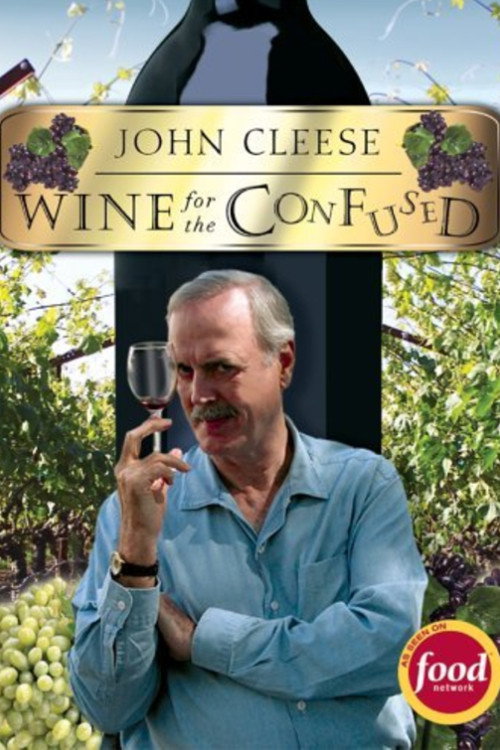
Wine is confusing…overwhelming even. So where do you start if you want to learn more about it? Join John Cleese on an entertaining and personal look at the world of winemaking and discover: how to find wines that taste good to you, how to make sure you get the best value and how to keep and serve wine at home.
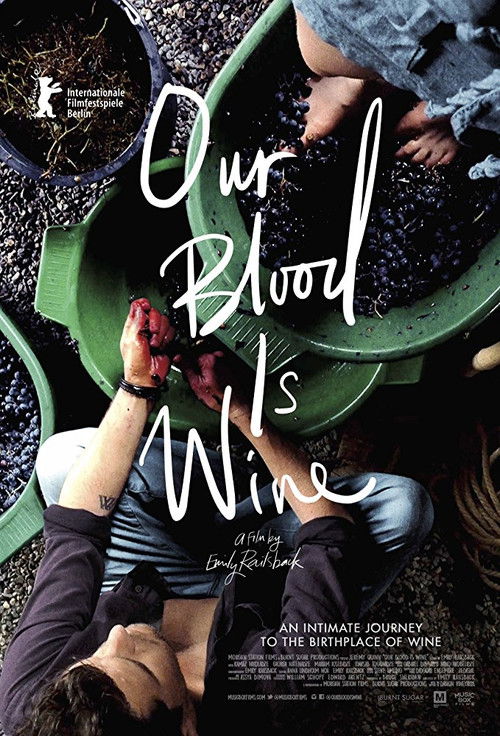
Filmmaker Emily Railsback and award-winning sommelier Jeremy Quinn provide intimate access to rural family life in the Republic of Georgia as they explore the rebirth of 8,000-year-old wine-making traditions almost lost during the period of Soviet rule.
What if you went on a holiday... and the apocalypse happened?!
For years, there has been an effort to discover the exact origin of the most popular American grape variety and wine, Zinfandel. Thanks to modern technology, forensics, and DNA analysis, the collaboration between American and Croatian laboratories has born fruit: Zinfandel is the Croatian Crljenak Kaštelanski.
101 million Americans drink wine. Over 1/3 of that wine comes from overseas and a vast majority of the remainder comes from Northern California. We've all heard of Napa, Bordeaux and Burgundy. What about Paso Robles? Or Austin, Texas? How about wine from Michigan? Did you know Canada makes world-class wines? Mexico too? The list goes on...and we're going to take you along with us as we explore each of these new world-class wine regions and the people that make them so awesome to visit.
A uniquely Kiwi story capturing the incredible highs and heartbreaking lows of making world-class wine in New Zealand. Stu, Nick, Ollie and Jess take you on a journey of the all-consuming harvest period known as vintage and the passion and hard-graft that goes into every bottle.
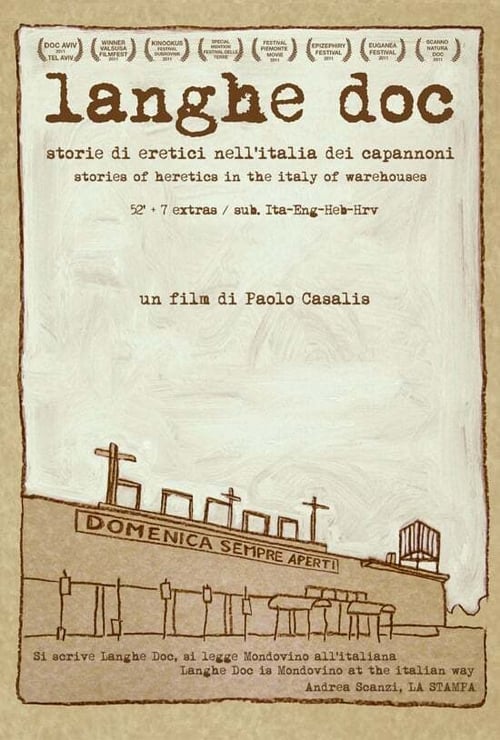
Three characters, three stories of "heretics", three food producers who think in a different way to describe the transformation of our Country in what in “Langhe Doc” Giorgio Bocca calls the Italy of warehouses. We're in Langhe, a unique territory, universally recognized as one of the most beautiful places in Italy, fresh candidate for Unesco World Heritage but afflicted by uncontrolled economic development, urbanization, overbuilding, abandonment of the less profitable areas. Those of Maria Theresa, Silvio and Mauro are stories of people who have insight into a future they do not like and have chosen to refuse it. Their challenges are still open, they're not yet fully met and perhaps they never will: these heretics move in one direction, while the world moves in another, quite the opposite one.
The story of a group of friends, the "rebel boys" who made italian wine become so great, between generational conflicts, brilliant insights and never silenced controversies.
Since the arrival of chemicals in the vineyards to the commercial breakthrough of sulfurless wines, the most prestigeous french winegrowers tell us the slow revolution of the wine world. A wide point of view about viticulture, trying to define what is natural wine, to finally know « who are we drinking ».
Italy, California and South Africa are not the only places famous for their wines. Right in the heart of Europe, Austria can also look back over a past suffused with music and wine, both of which remain inseparably linked to this day.
In the Douro, five winemakers get together with the aim of exporting Portuguese wine to the world.
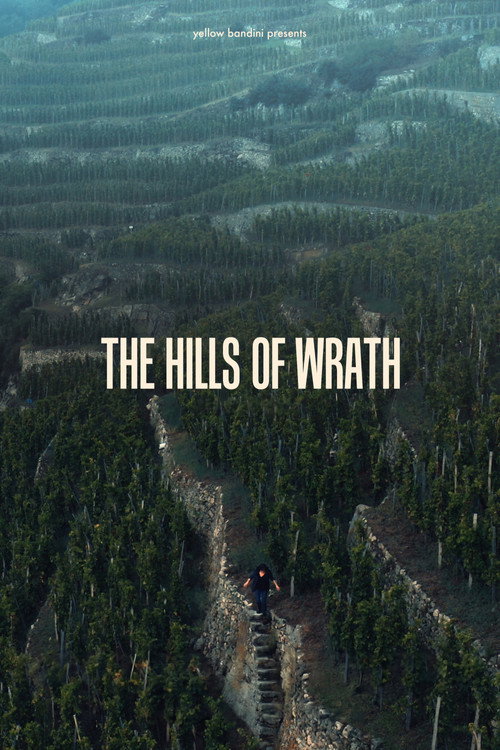
The Hills of Wrath takes us to the heart of the land of Condrieu and Côte-Rôtie wines, the singular domains of winemaker Christine Vernay. Beyond the climatic hazards that these women and men will endure that year, the film is an odyssey that pays tribute to an extraordinary place and personalities, a breath of hope that they transmit to us in the face of a changing world. Through their experience, it is also an important testimony to various current issues: the consequences of climate change, the place of women in agriculture, the rupture in biodiversity and soil protection via organic viticulture and of course transmission.