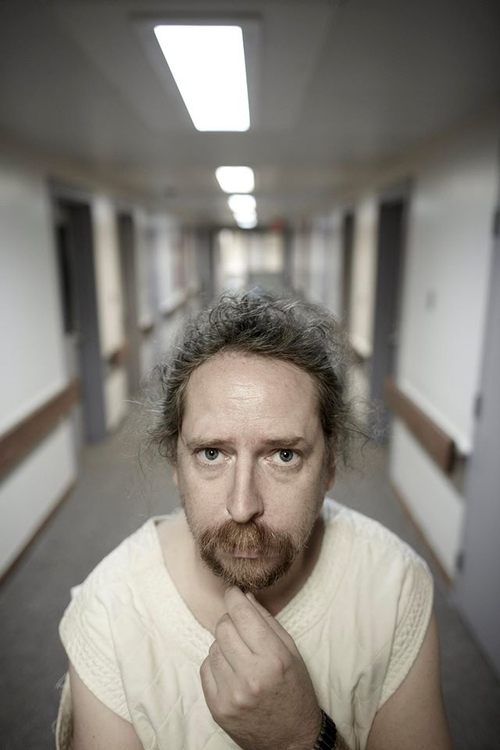
Fadjen is a Spanish bull known as a “fighting bull,” born to be slaughtered in a bullfight. It was by crossing paths with Christophe Thomas that he managed to escape this grim fate. Today, he is a calm and sociable bull.
Christophe Thomas
as Lui-même
Filmed in the south of France during the summers of 2006 and 2007, this short film is enough to bear witness to a horrific spectacle witnessed by children of all ages in the arenas. Young teenagers cut their teeth on young bulls and are introduced to the practice of bullfighting in French bullfighting schools, most of which are subsidized by public funds. Beyond the atrocity of bullfighting, the film powerfully demonstrates the need to ban minors from the arenas, as is the case in Catalonia.
Denys Colomb de Daunant (1922 - 2006) is a writer, poet, photographer and filmmaker known for being the author and co-writer of the film Crin-Blanc (1952) directed by Albert Lamorisse. Highly symbolic character of the Camargue, aristocrat and dandy, he was also a manager and hotelier. He would lead the immemorial life of an animal herder if he did not have another passion: images. The photographic apparatus and the camera are like sensitive antennas that he spreads over his world and which seek the truth beyond appearances. Since Crin Blanc his photographs have appeared in illustrated books on five continents. Among his many films, Corrida Interdite (in competition at the 1959 Cannes Film Festival) and Le Rêve des Chevaux Sauvages (Golden Bear at the Berlin Film Festival) are global short film successes. The animals, the images... a single passion: that of a free life in one of the rare countries where you can still live freely: the Camargue.
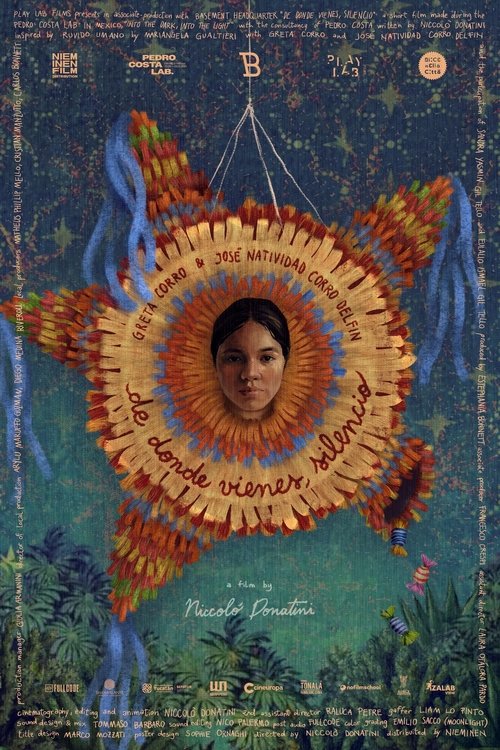
On her birthday, Greta avoids the town fair. After work at a piñata shop, she finds silence in a secret spot. Returning home, as fireworks crackle and the corrida begins, her father, missing for five years, is back.
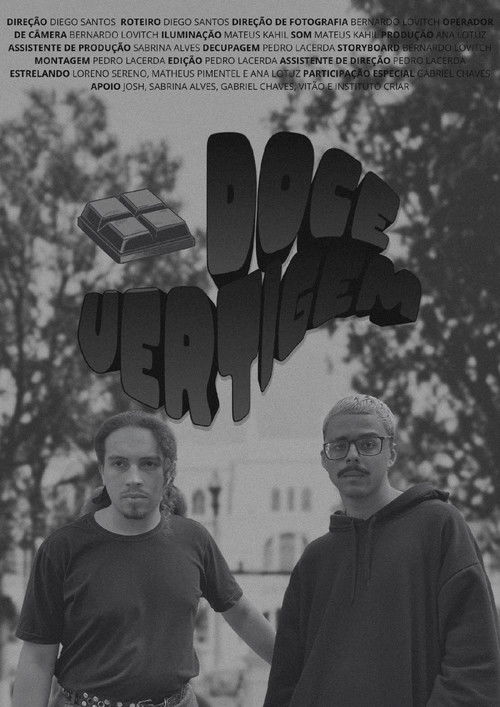
Two young students find their mundane routine interrupted by a seemingly insignificant detail: the last chocolate bar available in a vending machine.
A documentary that carefully explores the sensitive topic of mental health among young people, challenging social stigmas and dispelling common misconceptions often linked to the issue.
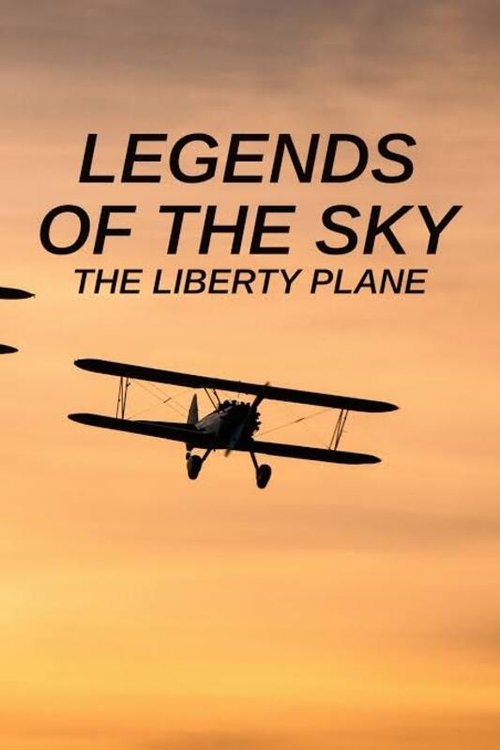
When the United States entered World War I, its Army Air Service lacked a combat-ready aircraft – a liability that prompted a search to find an aircraft suitable for production at home and combat operations abroad. This documentary from Bowling Green filmmakers tells the story behind the single-engine DH-4 plane dubbed The Liberty Plane.
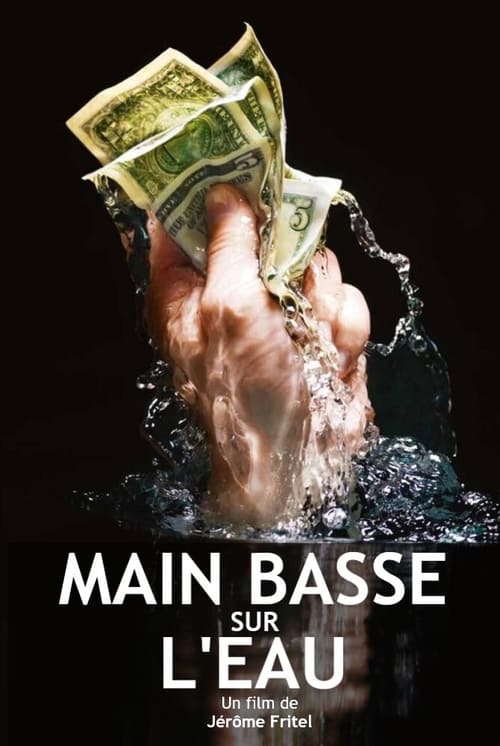
They call it ’blue gold.’ Around the world, demand for water is exploding. By 2050, at least one in four will live in a country suffering from water shortages - creating ideal conditions for a new market. Goldman Sachs, HSBC, UBS, Allianz, Deutsche Bank, BNP. Banks, investment funds and hedge funds are all rushing to invest billions of euros in anything related to water. A real monopoly of water has begun. From California to Australia, from New York to London via Marseille, we investigate the financialization of water. New power relations are being established and access to water is being threatened. It’s a battle taking place on many fronts: ideological, political, environmental, and of course, economic. The fate of nearly 10 billion inhabitants around the world depends on its outcome.
Is our life a story? And if so, can we re-write it? In Drama Girl, director Vincent Boy Kars gets a young woman to act out a number of key scenes from her recent past. Perhaps, Kars thinks, this could help her come to terms with certain events. In the meantime, he also gains something: a film that probes how fiction and documentary can learn from one another.
In Not Criminally Responsible: Wedding Secrets, a film within a film and sequel to the acclaimed documentary NCR: Not Criminally Responsible from 4-time Emmy-winner John Kastner, a wedding is born of a terrible act of violence. The new film shows how the lives of six of the people involved in the original one were dramatically transformed. Two of them are marrying each other.
Richard Dreyfuss hosts a celebration of the 80 year history of Universal Studios. Founded as IMP by Carl Leammle to oppose Edison's Motion Picture Tust, it soon grew under the leadership of 21 year old production head Irving Thalberg with classic silents from artists like John Ford, Erich Von Stroheim, and Lon Chaney and prospered further in the Sound Era under the leadership of Carl Leammle Jr. with such classics as "All Quiet on The Western Front," "Showboat," and the studio's signature monster franchises, "Frankenstein" and "Dracula."
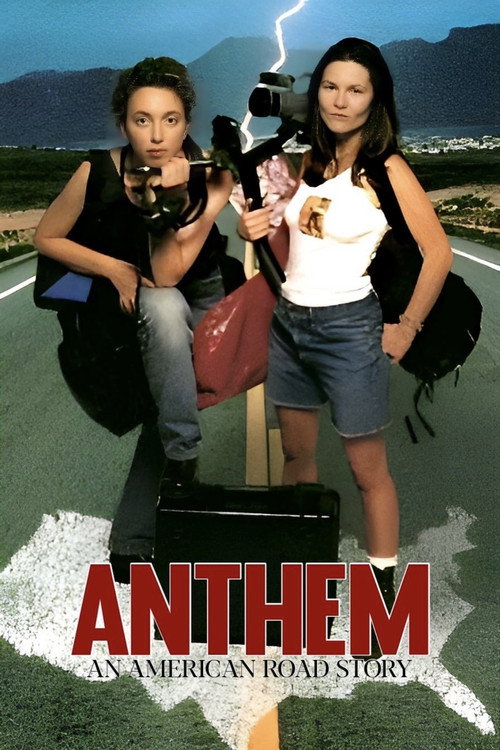
When twenty-six-year-olds Shainee Gabel and Kristin Hahn quit their Hollywood jobs, packed up a borrowed car and hit the road, it was with the deeply felt conviction that somewhere, shrouded in the din of talk shows and tabloid headlines, they'd discover the real America, alive and well in all of its regions and demographics.
Thriller about governments around the world racing to attempt to stop a terrorist organization from gaining loose nuclear weapons and supplies before it's too late.
From its simple beginnings in 1939 in a sleepy beach town in the south of France, the prestigious Cannes Film Festival has become the must-attend red carpet event of the year. Filmmaker Richard Schickel's fascinating documentary captures the glitz and glamour of the festival's incredible 60-year run with archival footage and unforgettable moments. Hollywood's biggest names including Clint Eastwood, Martin Scorsese, Sharon Stone and Harvey Weinstein talk about the politics, madness, and thrills of competing for one of the industry's highest honors - the coveted Palme d'Or - and what it's like to be at the most fabulous festival by the sea.
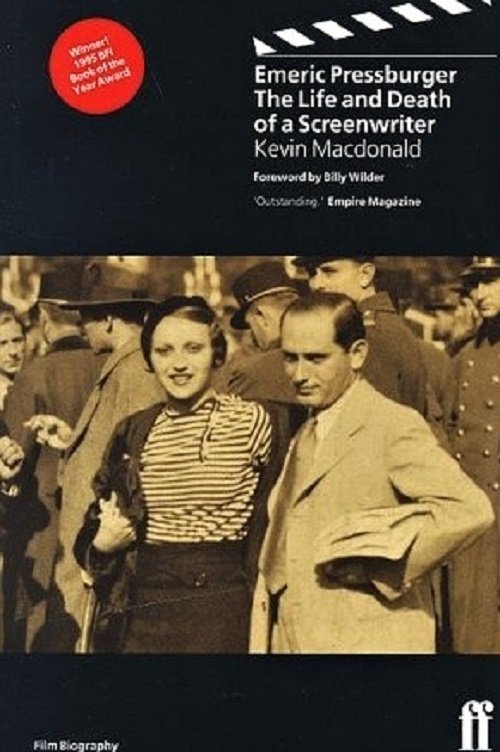
Filmmaker Kevin Macdonald travels across Europe in search of the grandfather he never really knew, Emeric Pressburger, the Oscar-winning screen writer.