The members of the Ayrudzi troupe travel across various villages of Armenia on horseback and put on folk song and dance concerts and shadow theatre performances for the locals.
A highlight of Baltic culture, the festival dedicated to Latvian song and dance celebrates its 150th anniversary in Riga.
"Scottish Myths & Legends" explores the magic, mystery and sprinkling of mayhem that covers the dramatic landscape of Scotland. From the ancient tales of the Loch Ness Monster to the stories of shape shifting Kelpies, we go on a fascinating journey of discovery to uncover the stories behind the myths and the magnificent Scottish landscape that has inspired these truly legendary legends.
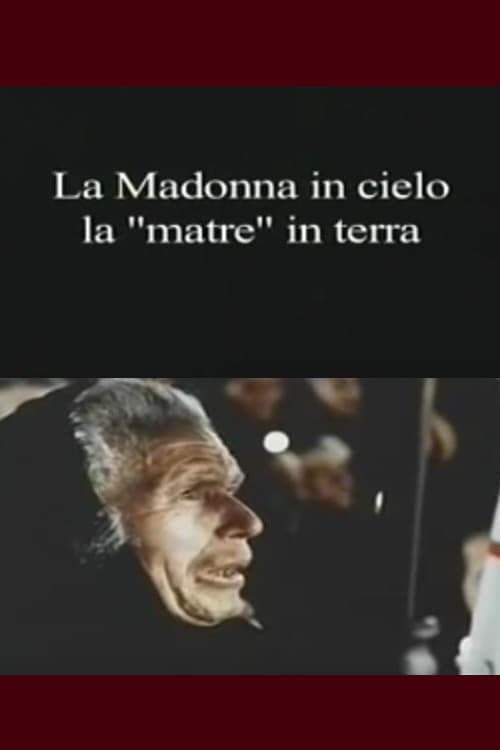
An anthropological research on the survival of the supernatural in traditional culture. Shot in different locations in southern Italy, the documentary focuses on the link between the cult of the Madonna and ancient rites related to female fertility.
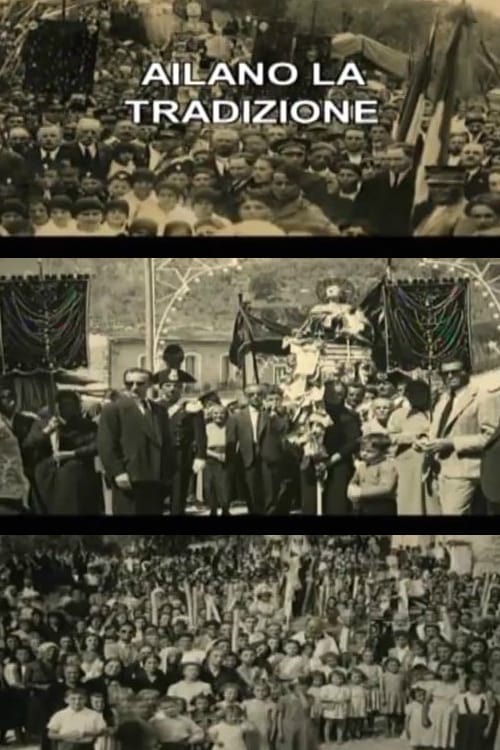
The religious traditions of a town in the province of Caserta, Italy.
A single female voice sings of waiting in her garden for her ‘dark-eyed sailor’ to return from war, bearing the other half of their token, a gimmel ring. Three veterans pass on the road as she waits, and she asks them: “When you were fighting in distant lands, did you think of the home you left?” In reply the veterans relate their recollections. The garden images in the accompanying film represent ‘home’, but also stand for a more general possibility of redemption, of the potential of the past to return at any time, disguised and changed, to renew the present: “Each moment of time is a garden gate,” the song goes, “Through it my love may walk.”
Ghost Island follows a team of paranormal investigators to a desolate island off the coast of Nova Scotia. Amid eerie ruins and whispered legends, they uncover not just ghostly encounters, but the human stories behind the island’s folklore—a haunting journey where history and the supernatural meet.
Hallstätter Ballade refers to a celebrated 1961 Austrian documentary short film directed by István Szőts. The film is best known for poetically capturing the unique, centuries-old Alpine tradition of skull painting (Totenkult) in the village of Hallstatt.
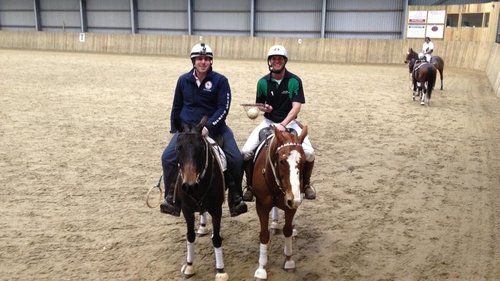
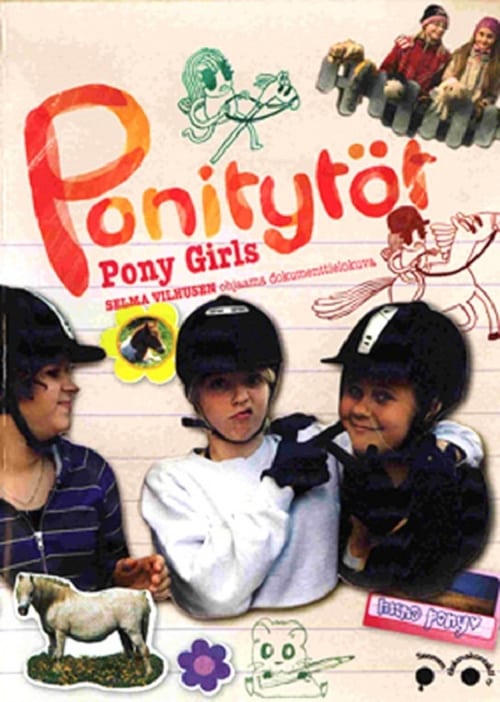
A documentary about girls and horses, care and competition, the unique world of youth and growing into adulthood.
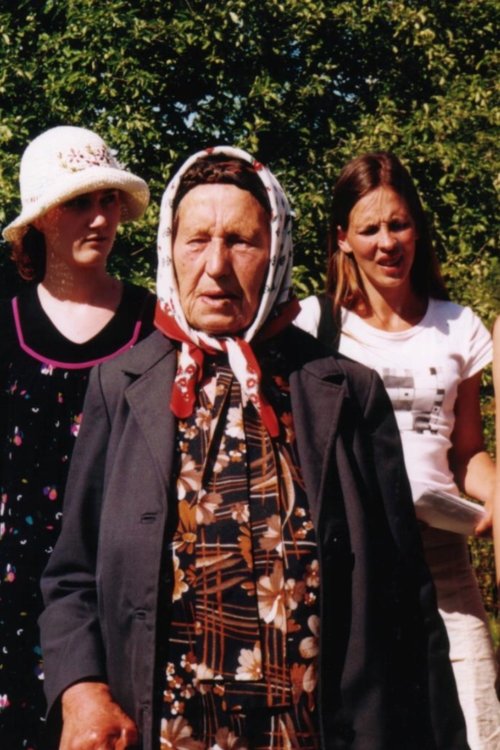
Anna "Buksa" Scemelinska (1925 - 2011) was a Latvian folksinger. She learned her song repertoire and singing style from her parents and villagers. She sang in the Rekova Church Choir in 1956, and has also been a member of the Rekava Ethnographic Ensemble from 1980. Her mother sang religious hymns ,"godzinkas", while Anna sang traditional dainas. The singing was like the rest of her life: in harmony with nature. Marked by hard work and deep religiosity, her songs are a kind of Eastern European blues or gospel. Singers like Anna Scemelinska are storytellers. Their folk songs comprise legends, history and experience from life.
Children parade through the streets of Hinton St George in Somerset on the last Thursday of October. Children have hollowed out pumpkins or mangelwurzels, a type of animal fodder turnip to make lanterns following a tradition in this part of West Somerset that coincides with Halloween. Punky or Punkie Night is thought to date from the turn of the 20th century or perhaps medieval times chanting rhymes and following a Punkie King and Queen.
A big day in the Scottish Borders is captured with astonishing clarity in this remarkable film commissioned by the local cinema.