Alessandro Duarte
as Alessandro Duarte (voz)
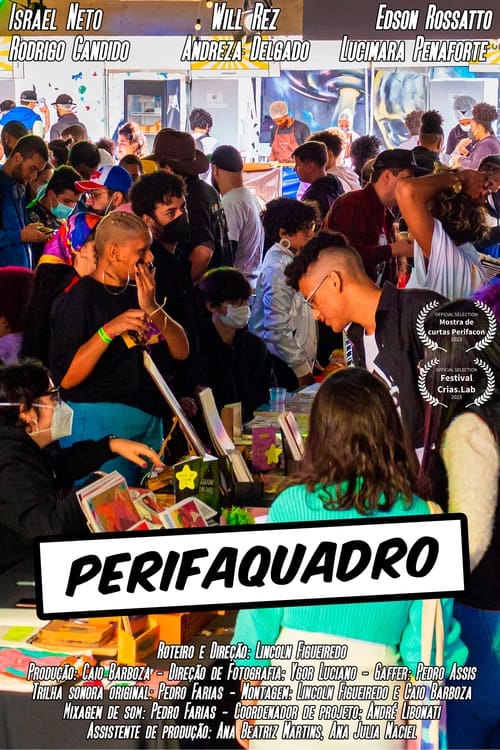
Far beyond Marvel and DC, comics are also made by Brazilians for Brazilians. Follow the journey and struggles of those who are from the outskirts of the city and try to make a living from this art.
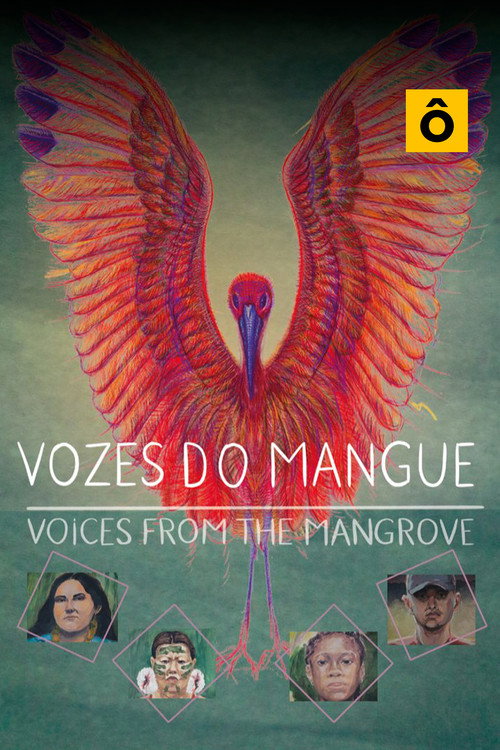
MC battles are the basis of Rap and in São Luís, this type of manifestation has been growing organically in different peripheral communities organized by residents and local artists. Even without great incentives, the battles have spread throughout the city and created a network of creative ideas that oxygenate the outskirts.
“A Noiva Natal” is a photo film narrated by the city of Natal itself, the capital of Rio Grande do Norte, in the first person. The short film, divided into three parts alluding to mourning, records a vision of the capital after being neglected and forgotten by the Public Authorities and its inhabitants.
A girl accesses her subconscious while venting about life's challenges.
A man breaks into people's houses at night and observes them, without stealing or violating anything. He simply looks, putting himself in their positions and searching for something he has lost within him, but not thinking that he could be being watched too.
In a family marked by grief, Clarice is the "Third Clef": the granddaughter trying to follow in the musical footsteps of her late grandmother, Lola. But her dream collides with the resistance of her mother, Verônica, who, consumed by deep depression, sees music as the root of the family's ruin. On the eve of a decisive contest, the tension between the daughter's desire for a future and the mother's pain from the past reaches a breaking point, forcing them to decide whether to live in silence or find a new harmony.
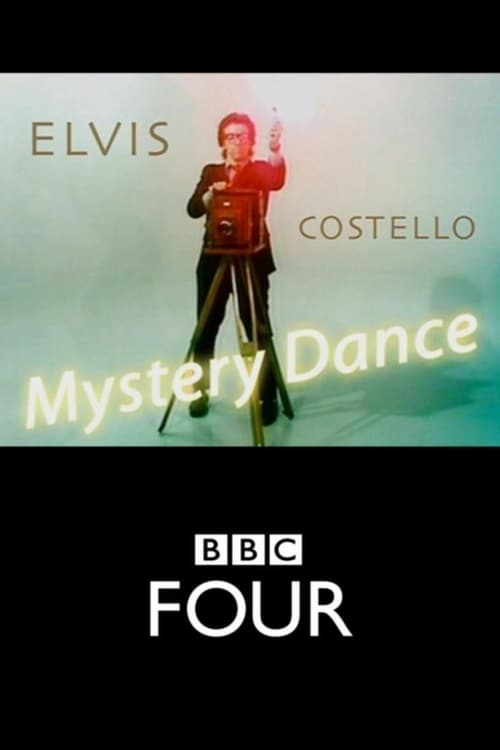
Elvis Costello: Mystery Dance, the first-ever documentary portrait of one of the greatest musicians and songwriters of our time. Assured of Costello’s full collaboration, exclusive access to his extensive archive and with the full participation of his record company, the film is a definitive portrait of a major music icon.
The tours and detours of a husband and wife as they create and release the critically acclaimed album, O' Be Joyful. From working for tips to becoming "Emerging Artist of the Year," the two-man family band uses ingenuity and hard work to create something out of nothing.
Lady Be Good reveals the lost stories of female jazz musicians from the early 1920s to the 1970s. Narrated by musician-composer Patrice Rushen, the film charts the influence of female players from the struggles and successes of early innovators (Sweet Emma Barrett, Lil Hardin-Armstrong), through the rise of the all-woman big bands (Ina Ray Hutton & Her Melodears, the Hollywood Redheads), to the female musicians that were instrumental players (Dorothy Donegan, Mary Osborne) and arrangers (Mary Lou Williams, Melba Liston) for more famous male band leaders, including Benny Goodman and Quincy Jones. Unfolding over nine parts, director Kay D. Ray's debut film weaves provocative and often humorous interviews with female musicians, big band leaders, jazz authors, and historians throughout a film stuffed end-to-end with archival photos, recordings, and performance footage to create a documentary that restores an essential part of our musical history.
This soulful documentary illuminates the hell-and- back life of the late, great L.A. alto sax legend Frank Morgan. A prodigy who was acclaimed as the natural heir to his bebop mentor, Charlie Parker, Morgan derailed his career with heroin, which led him into a life of crime. After decades in prison, he made an astonishing comeback, leaving behind recordings of deep, melancholy beauty. Framed by a tribute concert held in San Quentin, where Morgan’s 19-year-old Asian-American protégé, Grace Kelly, performs a heart-stopping version of “Over the Rainbow,” N.C. Heikin’s film is filled with revealing interviews with the colleagues, lovers, family and wives who accompanied Morgan on his long and rocky journey to redemption.
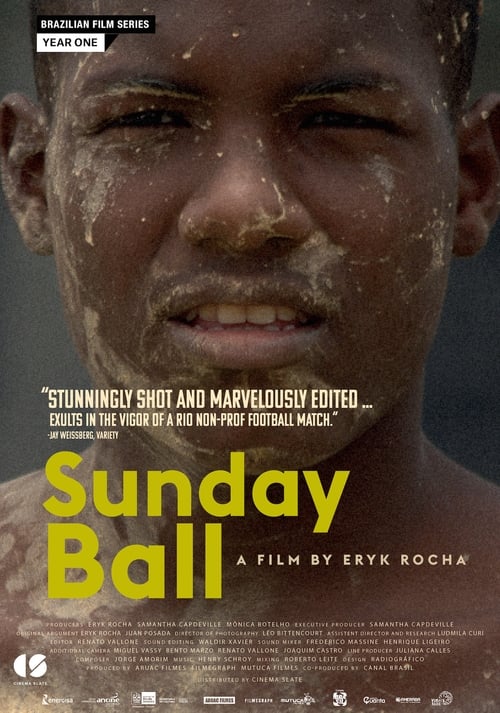
In Rio de Janeiro, close to the mythical Maracana stadium, venue for the grand final of the World Cup 2014, we find an ordinary football field in the Sampaio neighborhood. There, football happens as a genuine expression of Brazilian culture. With the games on Sundays, the annual slum football league has 14 teams. Each represents the colors and rituals of their community. Geração x Juventude contest the final.
A documentary about the 1984 Miner's Strike which changed Britain forever.