On Zambia's Liuwa Plain two star-crossed spotted hyena cubs are born to warring rival clans: Twaambo, a male cub and Nasanta, a female, are destined to lead converging lives as their extreme environment forces them together
Elizabeth Conboy
as Narrator (voice)
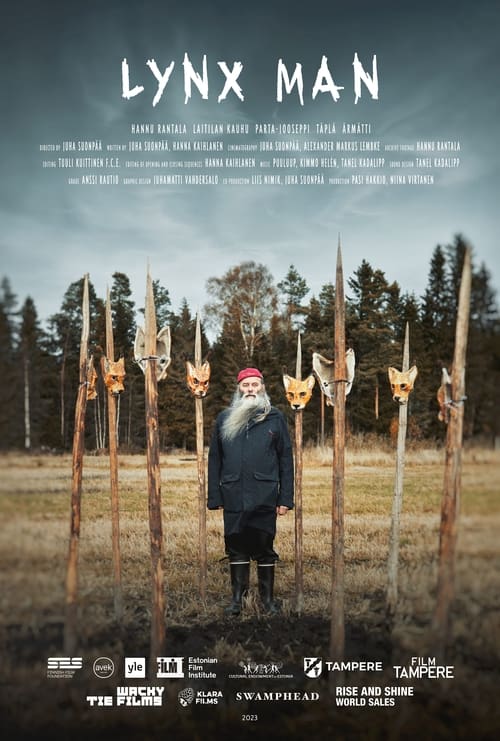
A Finnish equivalent of Werner Herzog’s Grizzly Man, Hannu has a love and connection to nature that surpasses most. It is the rare lynx in particular that has bitten into Hannu’s heart – so much so that he actually claims to be able to speak its language. So when a dead lynx turns up in his forest, he dons an animal mask, crawls down on all fours and sniffs out the mystery through the mire and thicket. With hauntingly beautiful footage captured by hidden cameras throughout the forest, ‘Lynx Man’ paints a colourful and vivid twilight picture of the natural world around us – and of man’s impact on it. For no matter what Hannu does to live in harmony with the animals, he cannot hide from belonging himself to the species that is the lynx’s worst enemy. It makes sense that most of Juha Suonpää’s atmospheric film takes place in the twilight between dream and reality. Here, the vast forests come alive in Hannu’s hypnotic Night Vision footage of the nocturnal life of the lynx.
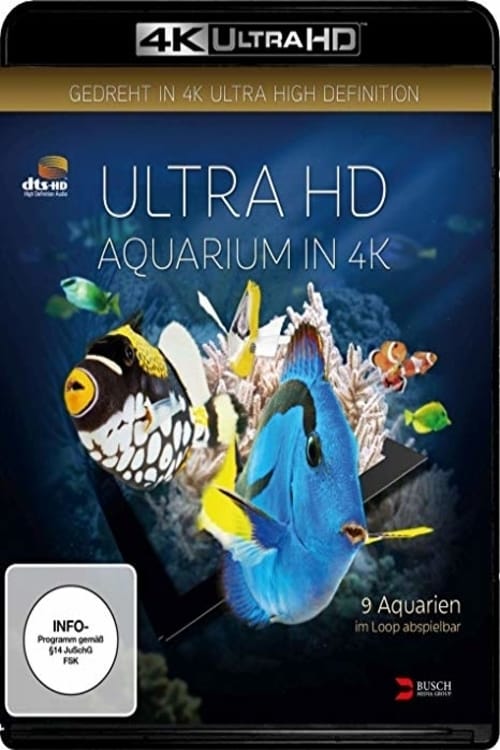
Turn your TV into an ultra-sharp aquarium. Shot in 4K Ultra High Definition! Immerse yourself in the fascinating world of aquaristics. In the world's largest pet shop - at Zajac Zoo in Duisburg - we have selected 9 highlights for you from over 1,000 saltwater aquariums and presented them at the highest technical level. This Blu-ray Disc was produced with RED EPIC cameras in 4K Ultra HD, in a resolution 4 times higher than Full HD. The recordings offer unprecedented brilliance and stunning plasticity, created for the latest generation of UHD, plasma, LED and OLED TVs. Enjoy picture quality in perfection, pin sharp, indescribably plastic and ultra-realistic. Perfect for presentation on 4K UHD TVs!
A documentary showcasing the world's many different animal species, both past and present.
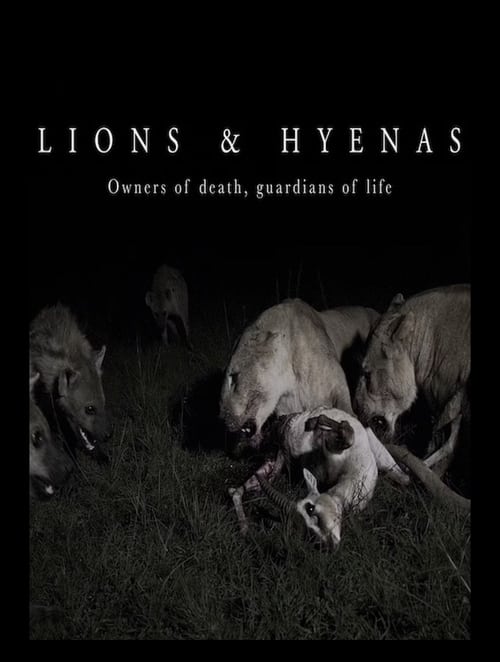
For many years lions and hyenas have competed hard for meat. Both control each other, stealing and killing each other. But in this game, both survive and no one prevails.Their destinies are united. This is the story of the ancestral confrontation between the most iconic predators of Africa
The community of Woodberry Down in Hackney rallies to save a beloved local plane tree from development.
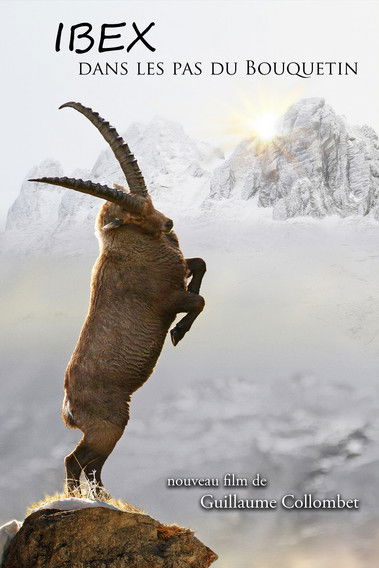
A documentary about the caprid, Ibex
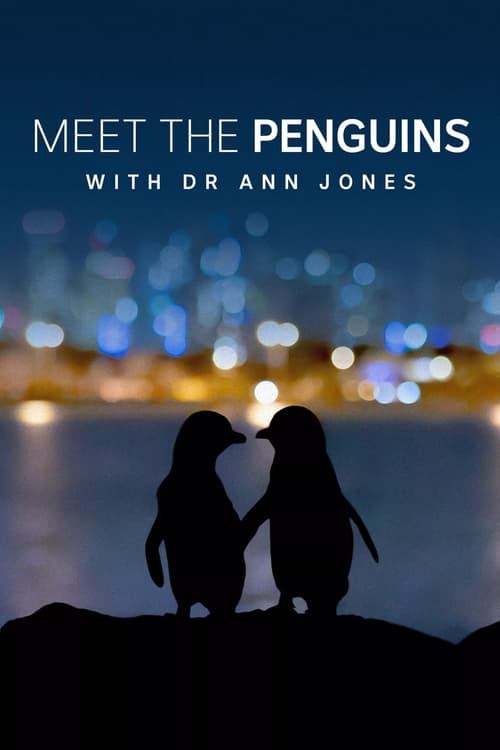
From the world's most famous penguin parade on Phillip Island to the penguins living in St Kilda, we meet key characters who will attempt to complete their mission: to stake their territory, partner up and raise their chicks.
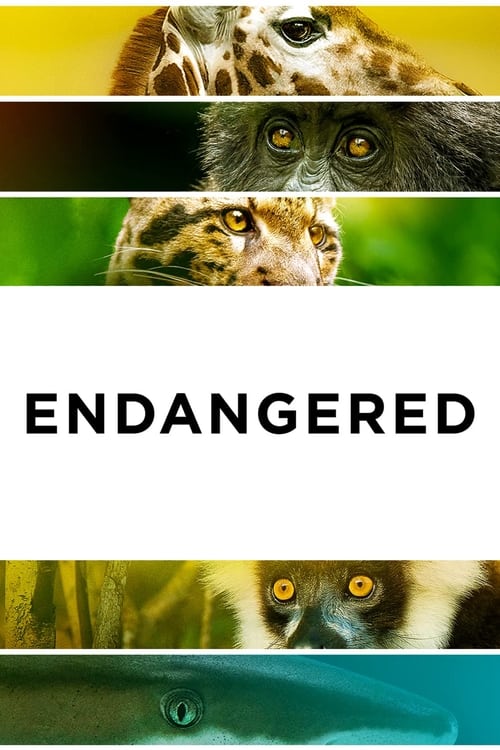
United by the planet's biggest conservation project -- The Red List -- conservation heroes around the world are risking everything to save giraffe, gorillas, big cats and other endangered wildlife.
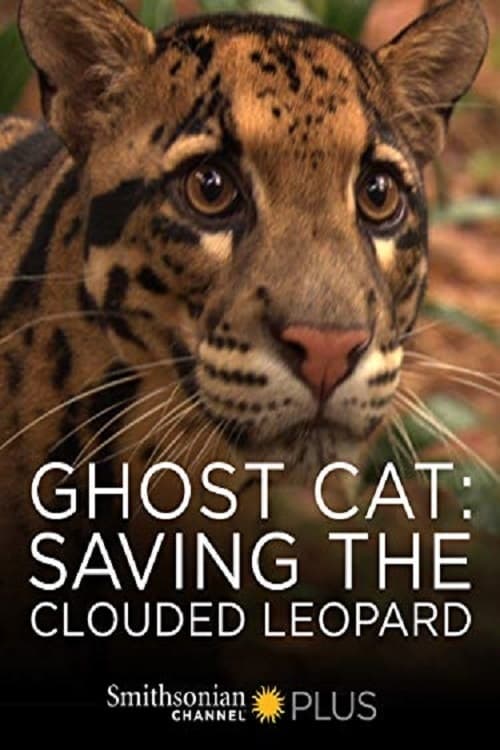
Deep in the jungles of Southeast Asia is an elusive and endangered member of the panther family that is threatened by poachers, development, and natural habitat changes. The fate of this exotic, python-patterned, clouded leopard may rest in the hands of a small cadre of scientists, activists, and veterinarians determined to help it stave off extinction. Three daring women comb the forests of Thailand for evidence of the elusive "ghost cat." They infiltrate a notorious smuggler's paradise and black market of exotic animals, determined to save the stunning creature.
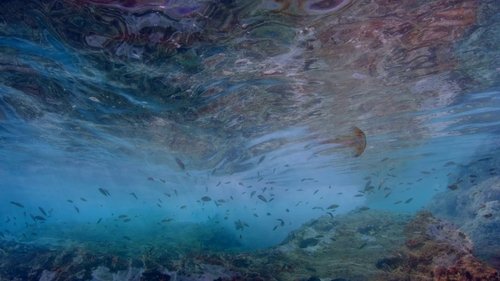
This films reveals the extraordinary variety of life found in the vast blue expanses of the open ocean. Here, all the action takes place in a 10 metre deep band of water, just under the surface. Many species use this section of water to migrate and hunt while others use ingenious ways to stay hidden where there appears to be no shelter.