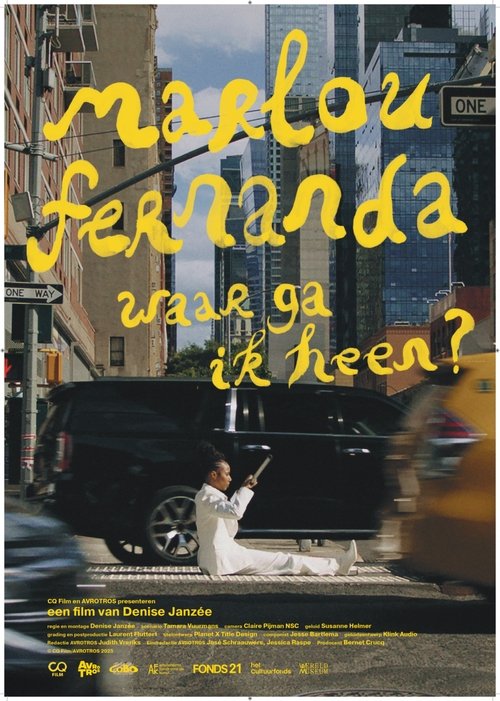
Sien (74) leaves for her hideout on the captivating island of Vlieland. Here she recollects her memories on an old tape recorder of her turbulent life as a mother, life-drawing model, squatter and activist in Amsterdam in the sixties.
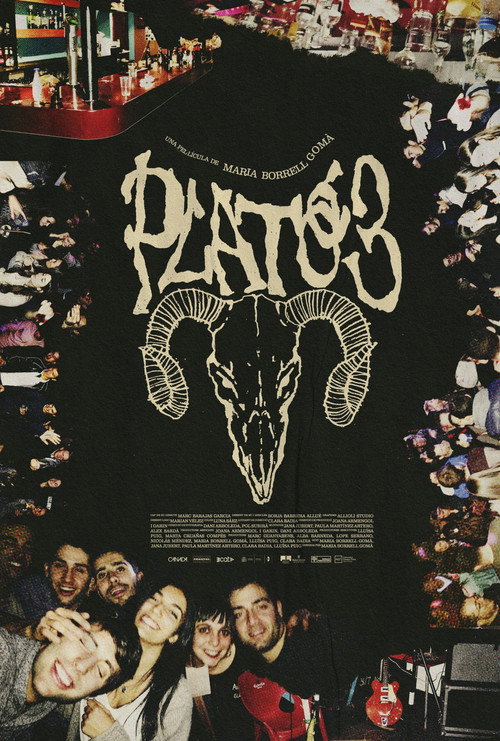
In a corner of a border town in the Lleida plains, there once stood a pub called Plató 3. Years after its closure, a group of young people decides to meet in an old fruit cooperative to rehearse a play about the best nights of their lives. What they do not know is that, in those nights, there were old shadows they must reunite with.
Peaches - artist, feminist, rock star. She has been challenging gender stereotypes for over 20 years and is on par with the icons of the pop and rock world. With exclusive private archive material and current footage of preparations and concerts of her 2022 jubilee tour “20 Years of Teaches of Peaches”, we learn how the Canadian Merrill Nisker became the internationally celebrated musician and electro-clash icon Peaches.
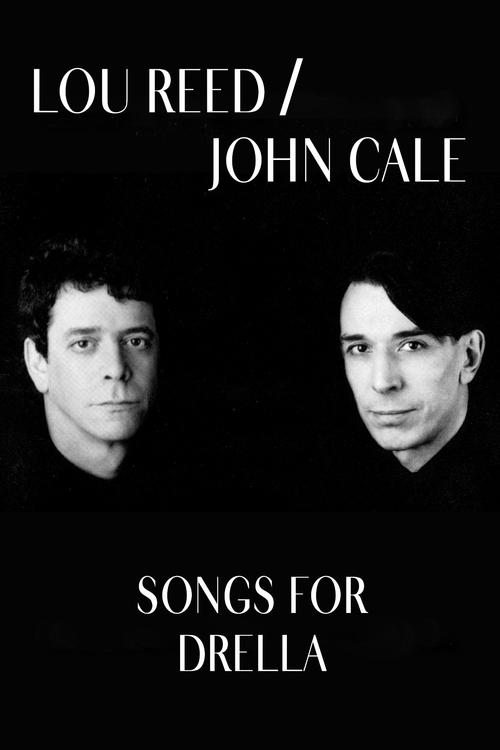
Songs for Drella is a concept album by Lou Reed and John Cale, both formerly of The Velvet Underground, and is dedicated to the memory of Andy Warhol, their mentor, who had died unexpectedly in 1987. Drella was a nickname for Warhol coined by Warhol Superstar Ondine, a contraction of Dracula and Cinderella, used by Warhol's crowd. The song cycle focuses on Warhol's interpersonal relations and experiences, with songs falling roughly into three categories: Warhol's first-person perspective (which makes up the vast majority of the album), third-person narratives chronicling events and affairs, and first-person commentaries on Warhol by Reed and Cale themselves. The songs on the album are, to some extent, in chronological order.
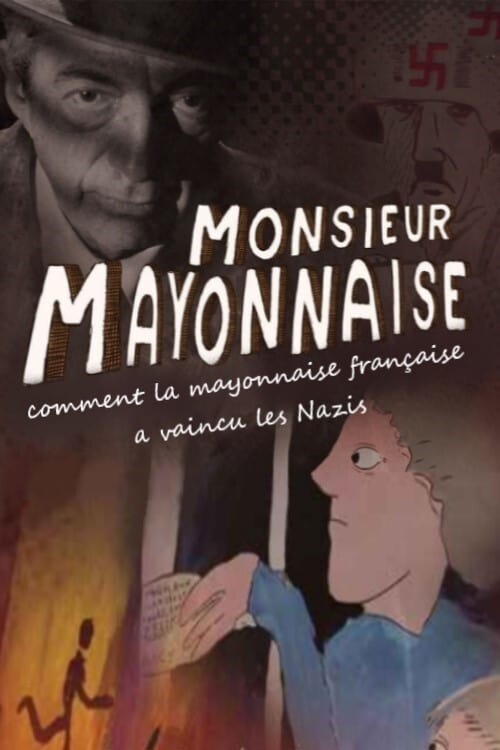
Artist and filmmaker Philippe Mora (Mad Dog Morgan; The Howling II; Swastika) is producing a graphic novel about his late father, Georges, widely known in Melbourne as a beloved contemporary art patron and owner of bohemian eateries Mirka Café, Café Balzac and the Tolarno Restaurant and Galleries. Less known, however, is Georges' astonishing history as part of the French resistance during World War II, his friendship with renowned mime Marcel Marceau (Philippe's godfather), and how together they saved thousands of Jewish lives with a fiendishly simple trick involving baguettes and mayonnaise.
A documentary about the life and career of UK singer-songwriter and Adverts frontman, TV Smith.
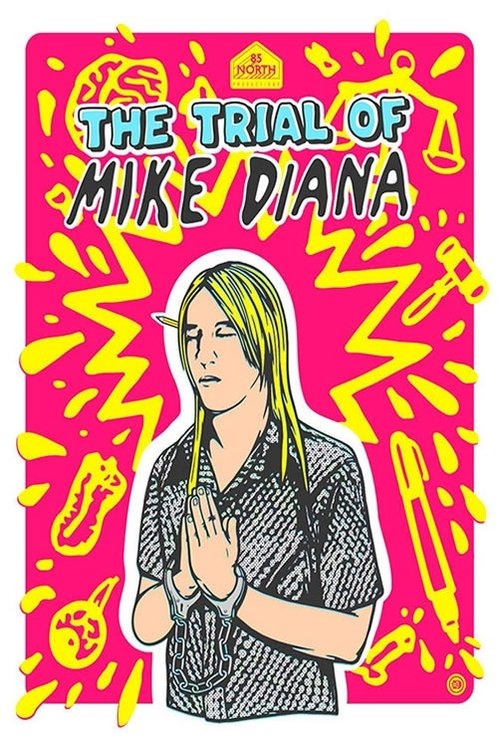
Florida, 1994. Artist Mike Diana is convicted on an obscenity charge in the wake of an undercover police officer purchasing his limited edition zine Boiled Angel. Here is the very unusual story of what led to this First Amendment debacle happening for the first time in the United States.
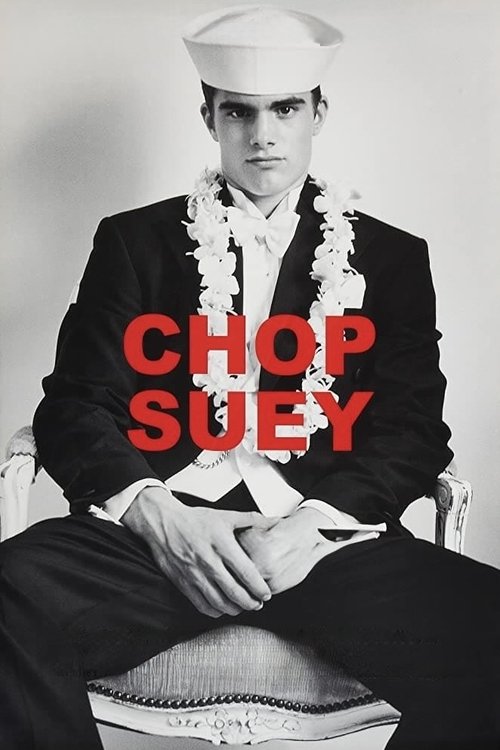
A homage to Bruce Weber's Favourite things, these being mixing film, photography and classic movies. With portraits of a lesbian jazz singer and a 16-year-old wrestler.
Every encounter with an image, every interaction searches for its own form. She is the other gaze is a collaboration with five female visual artists of an older generation who have been part of the Viennese art scene since the 1970s and engaged in the women's movement. In dialogue with the filmmaker Renate Bertlmann, Linda Christanell, Lore Heuermann, Karin Mack and Margot Pilz share their early works and artistic practices. They remember how their self-determination evolved between artistic ambitions, economic constraints, adaptation and resistance to the prevailing patriarchal social structures. In their role as feminist pioneers, the protagonists are a great influence on the contemporary art scene and the self-understanding of younger artists today. With their voices and narratives, they become collaborators passing on feminist thinking and artistic experiences.
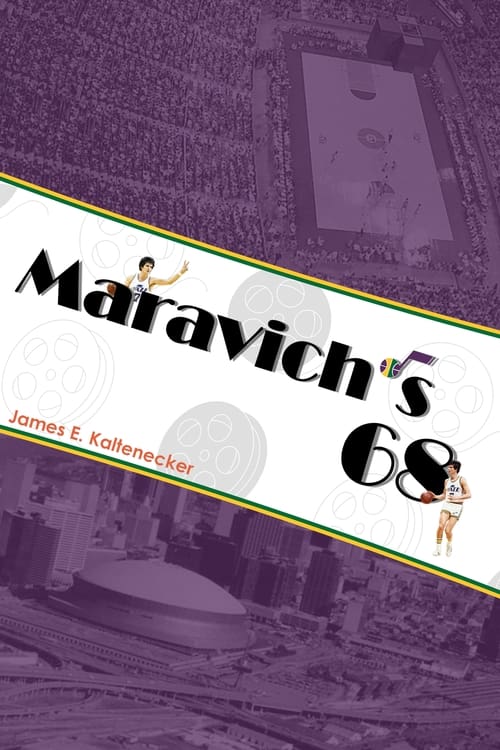
"Maravich's 68" is a documentary short that revisits the NBA legend Pete Maravich and his 68-point performance on February 25th, 1977. It includes play-by-play breakdowns, era-inspired editing, and retrospective discussion about this special night in NBA history.
Experimental research and dissemination documentary about current contemporary art that compiles the opinions, experiences and anecdotes of artists, gallery owners, curators, museum directors and experts.
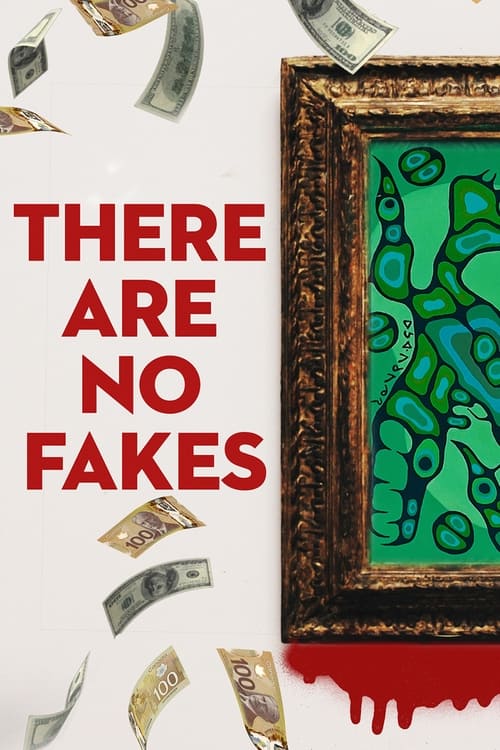
Norval Morrisseau was the first Indigenous Canadian artist to be taken seriously in the art world. By the turn of this century his work commanded tens of thousands of dollars. So when Barenaked Ladies keyboardist Kevin Hearn learned his prized painting was a forgery, he sued. But as Jamie Kastner's doc reveals, there was a cottage industry in fake Morrisseaus, an industry that flourished unchecked for years, feeding on greed, exploitation, racism and contempt.
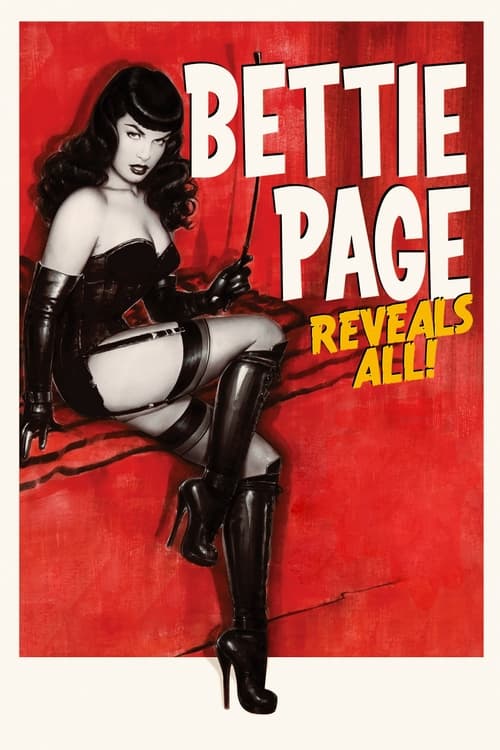
The world's greatest pin-up model and cult icon, Bettie Page, recounts the true story of how her free expression overcame government witch-hunts to help launch America's sexual revolution. When she saw the film The Notorious Bettie Page, produced by HBO in 2006, the main person concerned reacted unequivocally: “Lies! Lies!” In a long interview recorded shortly before her death, the woman who entered the collective unconscious as the ultimate pin-up gave her version of events to director Mark Mori. In a gravelly voice, Bettie Page tells her own story and lifts the veil on areas often hidden by images that have made so many men and women fantasize since the 1950s: her abused childhood, an eclipse that lasted forty years, her mental illness. Through testimonies and unpublished archives, this documentary brings back to life a body and a face endlessly declined before our eyes, just as Bettie wanted: “I would like people to remember me as I was in the photos.”
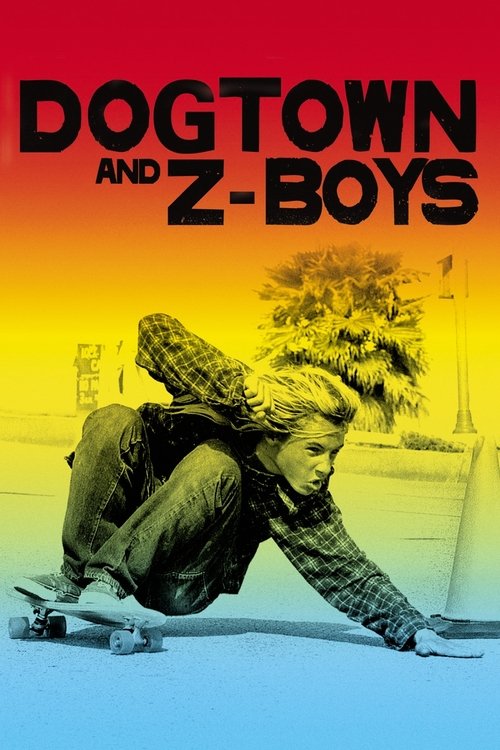
This award-winning, thrilling story is about a group of discarded kids who revolutionized skateboarding and shaped the attitude and culture of modern day extreme sports. Featuring old skool skating footage, exclusive interviews and a blistering rock soundtrack, DOGTOWN AND Z-BOYS captures the rise of the Zephyr skateboarding team from Venice's Dogtown, a tough "locals only" beach with a legacy of outlaw surfing.
While everyone wants to die "at home" without suffering and surrounded by loved ones, in reality almost everyone dies in hospital. What healthcare provisions enable people to die at home? Are we all equal in terms of the support we receive, regardless of where we live? Young caregivers in a home hospitalization unit drive day and night along the Alabaster Coast. From house to house, from dying person to dying person. Accompanying a dying person at home also means accompanying their loved ones, immersing oneself for a few days or weeks in the intimacy of a family history. Thanks to them, the end of life returns to the home, to the family, and is rehumanized.
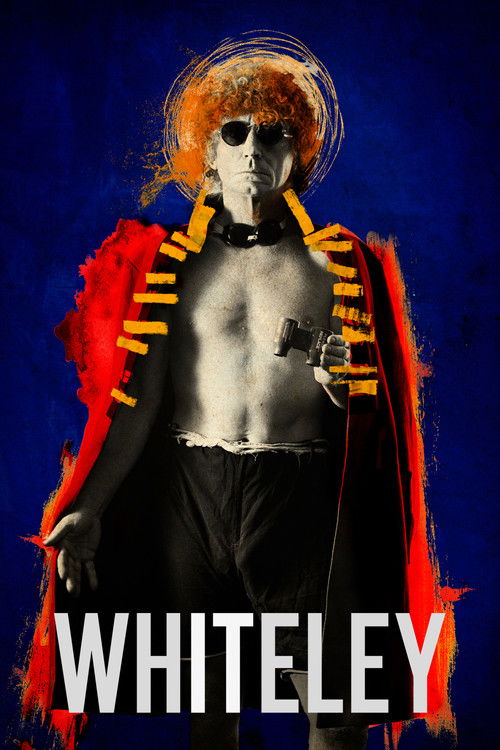
A visual journey into the life and legacy of one of Australia's most celebrated artists, Brett Whiteley.
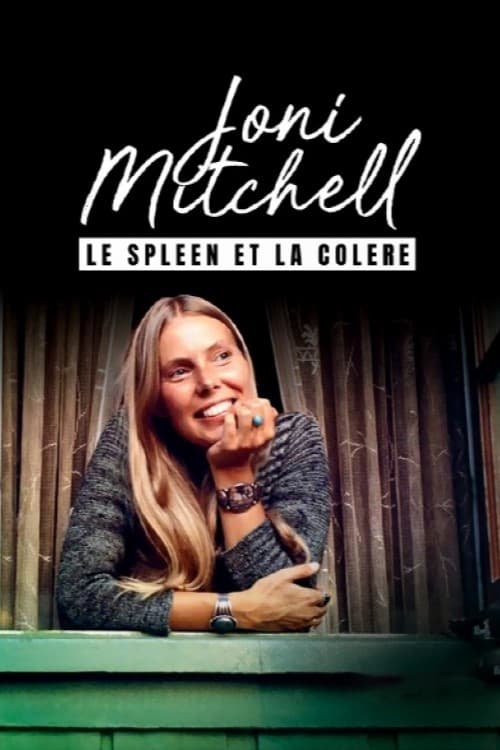
Joni Mitchell has been called the queen of folk music and one of the biggest pop stars of the 60s and 70s. Even today, her lyrics and unique guitar style continue to inspire new generations of singers and songwriters.