A propaganda short commissioned by the United Fruit Company on the benefits they bring to Central America, such as creating jobs and delivering educational opportunities, which is something the Soviet Union could never understand.
Edward Tomlinson
as Narrator
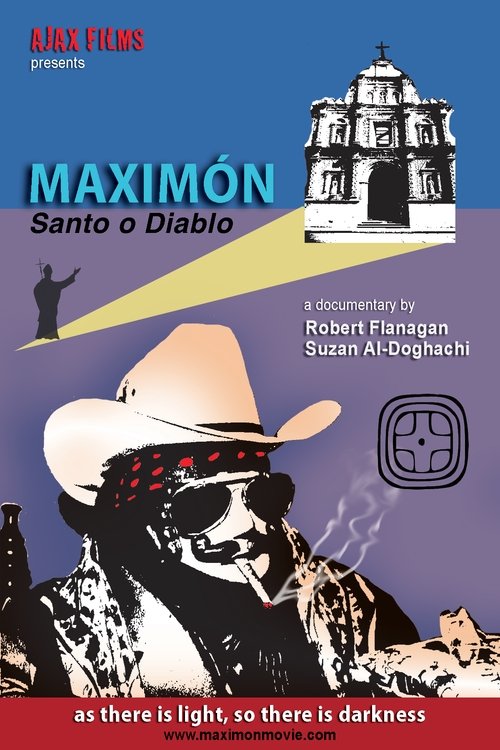
MAXIMÓN - Devil or Saint is a documentary about the controversial Maya deity, also known as San Simon or the drinking and smoking saint of Guatemala. He is a mixture of ancient Maya beliefs and Christianity. The movie concentrates on the people who surround Maximón with their strong personalities, opinions and faith. The documentary gives us a rare view into the rituals and fiestas honoring Maximón. The cult of Maximón is flourishing because he performs miracles. He is also feared and despised because he is used to cast curses that can result in death. Ultimately, Maximón transcends the duality of good and evil, reflecting the Maya cosmovision in which everything in the universe co-exists.
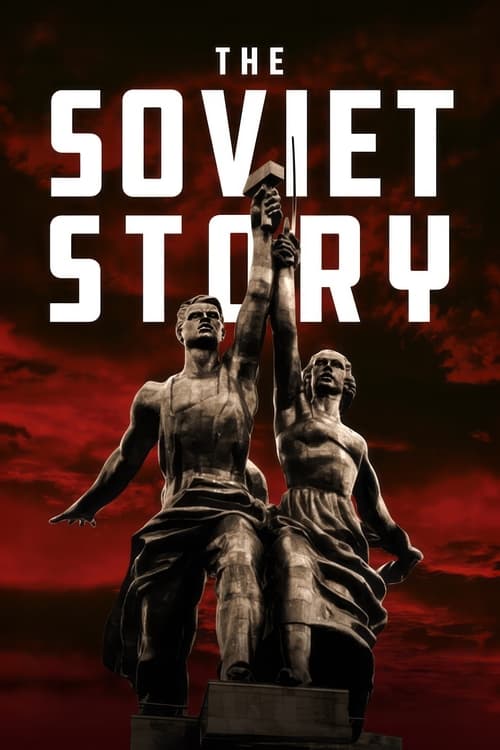
“The Soviet Story” is a story of an Allied power, which helped the Nazis to fight Jews and which slaughtered its own people on an industrial scale. Assisted by the West, this power triumphed on May 9th, 1945. Its crimes were made taboo, and the complete story of Europe’s most murderous regime has never been told. Until now...
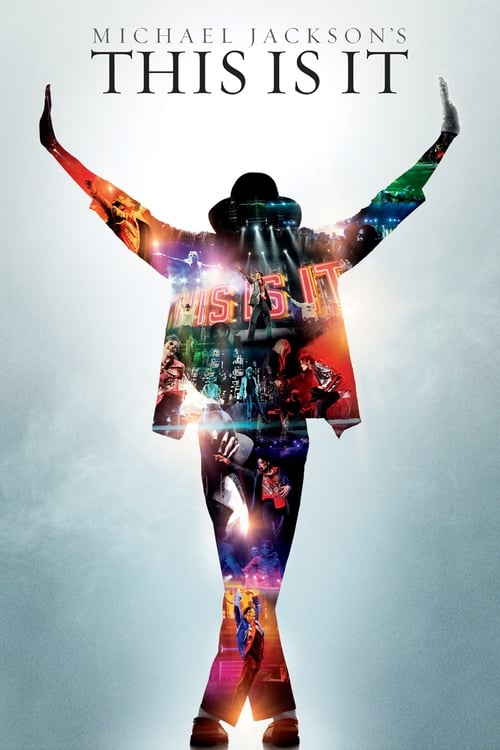
A compilation of interviews, rehearsals and backstage footage of Michael Jackson as he prepared for his series of sold-out shows in London.
A young Bulgarian girl digs into her grandfather's turbulent life in an attempt to unravel the past and find answers and explanations for the catastrophic fall of communism.
A documentary about the rise and fall of the Cannon Film Group, the legendary independent film company helmed by Israeli cousins Menahem Golan and Yoram Globus.
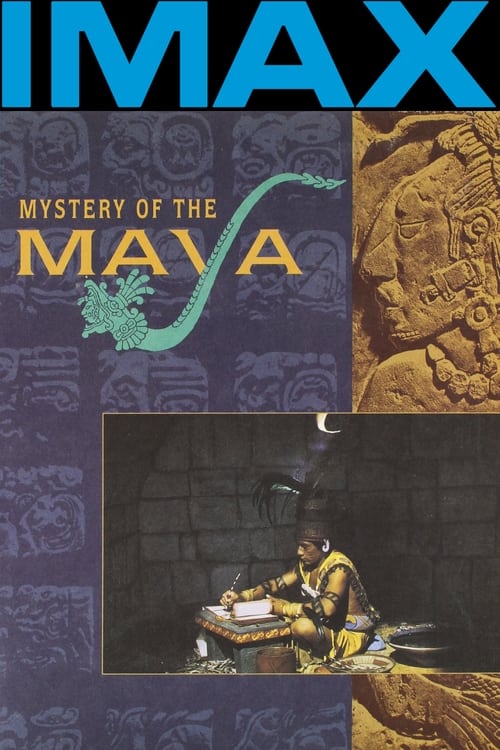
Filmed in IMAX, a young Mayan boy who lives close to the ruins becomes acquainted with an archaeologist (Guerra) and asks her to tell him about his ancestors. The crew travelled to over 15 locations in Mexico and Guatemala, including Tulum and Chichén Itzá.
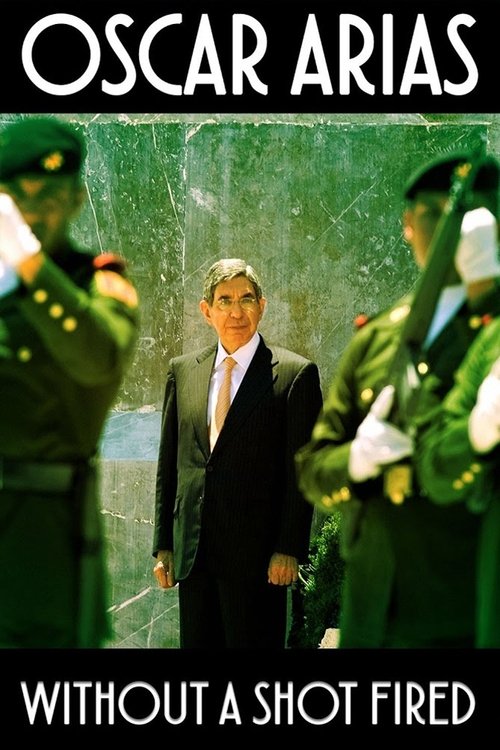
This is the story of a tiny country that made a decision to do something that no other country had ever done -- it decided to abolish its army and declare peace to the world. And this is the story of a young boy who grew up in that country, and how he ended up challenging -- and sometimes even convincing -- the greatest powers in the world to follow Costa Rica's example. "Oscar Arias: Without a Shot Fired" is a Don Quixote-like saga with great historical touchstones -- Ronald Reagan and Mikhail Gorbachev, Cold War politics and Communism, Central American War and Peace. It follows a slight, academic, and most unlikely hero over the course of more than fifty years, as he travels the world in a quest to stop the spread of the weapons of war. In the end, it is a story about the triumph of reason, of the sparrow triumphing over the eagle, and how the impossible dream can sometimes come true.
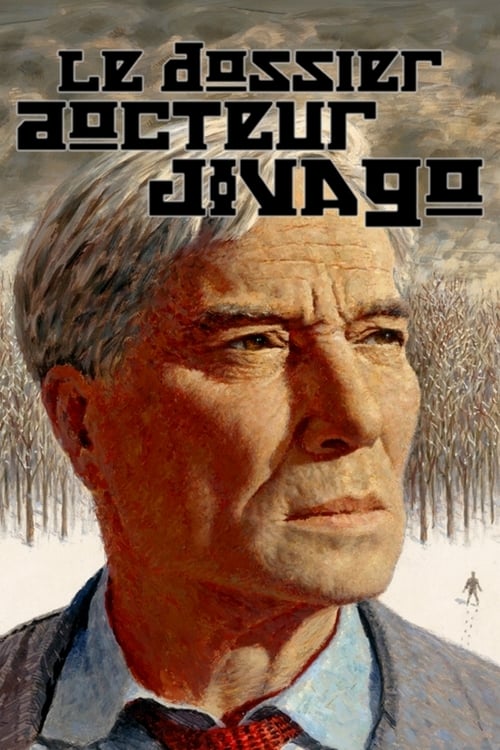
As Russian writer Boris Pasternak (1890-1960) thinks it is impossible that his novel Doctor Zhivago is published in the Soviet Union, because it supposedly shows a critical view of the October Revolution, he decides to smuggle several copies of the manuscript out of the country. It is first published in 1957 in Italia and the author receives the Nobel Prize in Literature in 1958, which has consequences.
Juan “Accidentes” Dominguez is on his biggest case ever. On behalf of twelve Nicaraguan banana workers he is tackling Dole Food in a ground-breaking legal battle for their use of a banned pesticide that was known by the company to cause sterility. Can he beat the giant, or will the corporation get away with it?
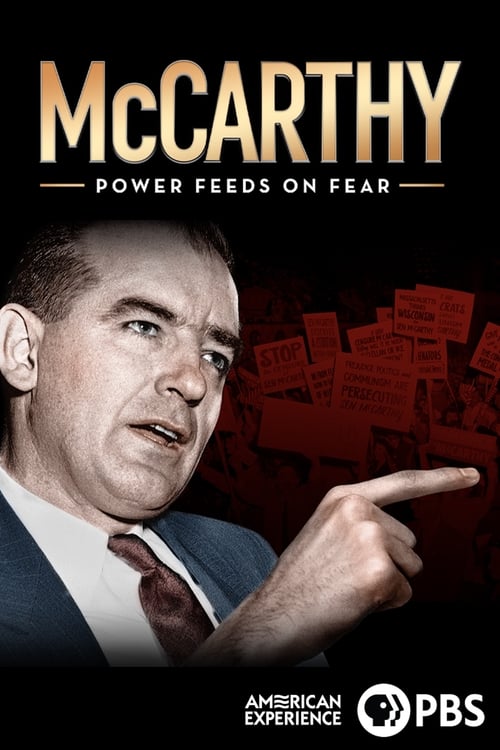
"McCarthy" chronicles the rise and fall of Joseph McCarthy, the Wisconsin senator who came to power after a stunning victory in an election no one thought he could win. Once in office, he declared that there was a vast conspiracy threatening America — emanating not from a rival superpower, but from within. Free of restraint or oversight, he conducted a crusade against those he accused of being enemies of the state, a chilling campaign marked by groundless accusations, bullying intimidation, grandiose showmanship and cruel victimization. With lawyer Roy Cohn at his side, he belittled critics, spinning a web of lies and distortions while spreading fear and confusion. After years in the headlines, he was brought down by his own excesses and overreach. But his name lives on linked to the modern-day witch hunt we call “McCarthyism.”
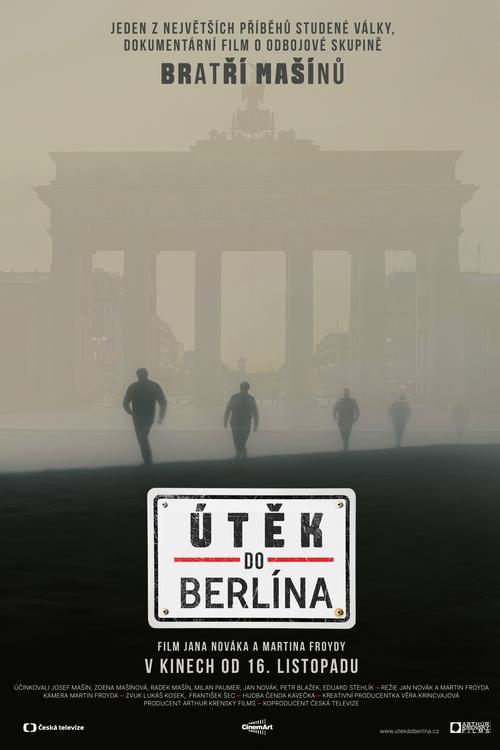
The documentary film uncovers the story of Mašín brothers, which is of the greatest stories of the Cold War. A group of five young men decided to leave the then-communist Czechoslovakia with guns in hand to join the fighting in the then expected war between the West and the East. The year was 1953, and today, through the last witnesses, we follow the 30-day dramatic journey to West Berlin and the subsequent fateful events that happened to her loved ones at home.
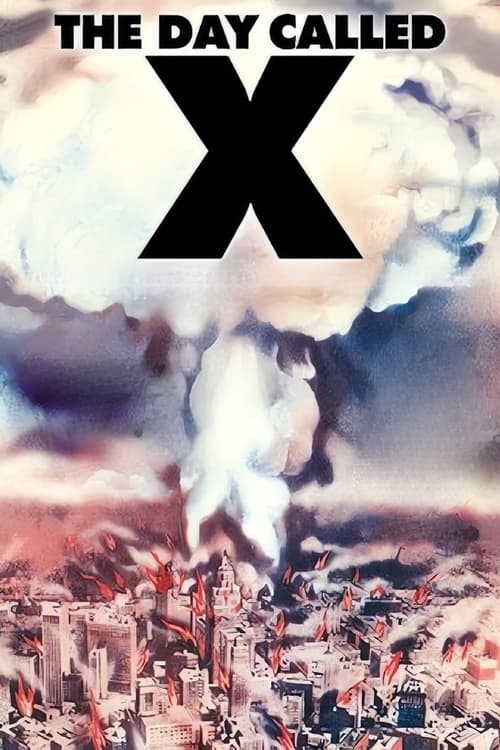
Portentously portrays the evacuation of Portland, Oregon, when threatened by a nuclear attack on its state-of-the-art civil defense system.
Contrasting radical mobs, anarchy, and 1960s counterculture with footage of American manufacturing and innovation, this film celebrates the concept of American exceptionalism and argues that anti-Vietnam War protesters were influenced by communism, atheism, and immorality. Set mostly in a university library, this political debate between a medical student, his 1770s ancestor, and a history professor is a sequel to the 1972 National Education Program film, Brink of Disaster! Two additional characters appear in this drama: a 19th-century steamboat captain, and the student’s grandfather - an early 20th-century automobile worker. The National Education Program at Harding College in Searcy, Arkansas created a variety of widely-distributed anti-communism films from the mid-1940s to the early 1970s.
A student is held up in the library while a riot rages outside. As SDS protesters head to burn the library down, he has to fend them off with his baseball bat. This film opens with actual footage of civil disturbances in the 1960s, and moves on to images of historical American figures.
Gdańsk, Poland, September 1980. Lech Wałęsa and other Lenin shipyard workers found Solidarność (Solidarity), the first independent trade union behind the Iron Curtain. The long and hard battle to bring down communist dictatorship has begun.
An inventive remembrance of the impact of the Hollywood blacklist on two American classics, rendered as a visually mesmerizing dialogue between Carl Foreman and Elia Kazan.
A documentary produced by the United States Central Intelligence Agency (CIA) that covers the history, land reform, industry, religion, educational system, and urban activities of Taiwan.