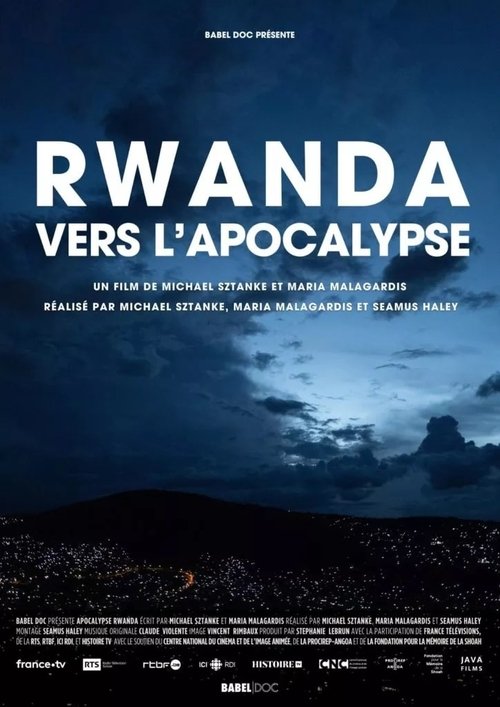
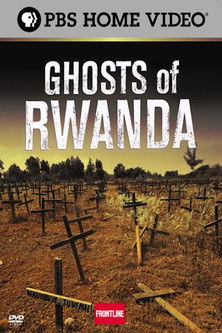
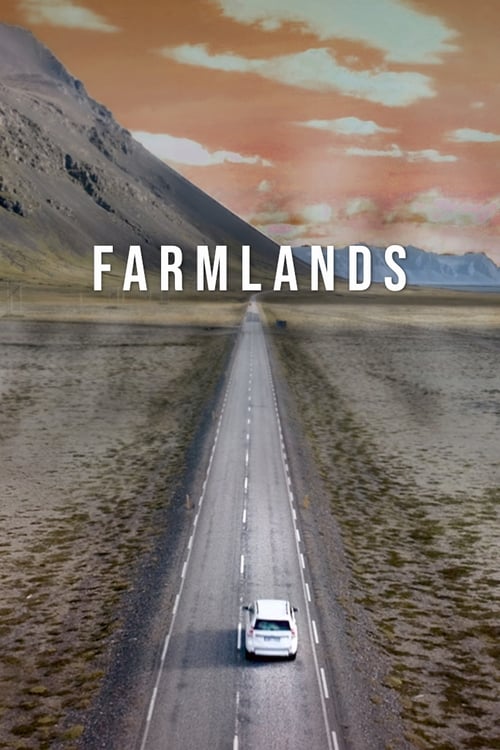
The interactive roadmovie follows the trail of a convicted war criminal with ties to Switzerland. On a journey through contemporary Rwanda, the viewer decides how deeply he wants to immerse himself in the story.
Documentary chronicling the government relocation of 10,000 Navajo Indians in Arizona.
A documentary chronicling the adolescent years of Elie Wiesel and the history of his sufferings. Eliezer was fifteen when Fascism brutally altered his life forever. Fifty years later, he returns to Sighetu Marmatiei, the town where he was born, to walk the painful road of remembrance - but is it possible to speak of the unspeakable? Or does Auschwitz lie beyond the capacity of any human language - the place where words and stories run out?
Mountain Gorilla takes us to a remote range of volcanic mountains in Africa, described by those who have been there as ""one of the most beautiful places in the world"", and home to the few hundred remaining mountain gorillas. In spending a day with a gorilla family in the mountain forest, audiences will be captivated by these intelligent and curious animals, as they eat, sleep, play and interact with each other. Although gorillas have been much-maligned in our popular culture, viewers will finally ""meet the legend"" face to face, and learn about their uncertain future.
As part of a six-month investigation, The Times synchronized and mapped thousands of videos and police audio of the U.S. Capitol riot to provide the most complete picture to date of what happened - and why.
Join filmmaking duo Chris Hegedus and Nick Doob as their cameras follow Franken to book signings, campaign rallies and the launch of Air America Radio, documenting his transformation from irreverent funnyman to political pundit.
After a plane crash leaves Bear with amnesia, he must make choices to save the missing pilot and survive in this high-stakes interactive adventure.
Though both the historical and modern-day persecution of Armenians and other Christians is relatively uncovered in the mainstream media and not on the radar of many average Americans, it is a subject that has gotten far more attention in recent years.
Indigenous chief Juma Xipaia fights to protect tribal lands despite assassination attempts. Her struggle intensifies after learning she's pregnant, while her husband, Special Forces ranger Hugo Loss, stands by her side.
A shocking political exposé, and an intimate ethnographic portrait of Pacific Islanders struggling for survival, dignity, and justice after decades of top-secret human radiation experiments conducted on them by the U.S. government.
After 21 years I return to my city of birth in order to find out what would have occured to my family if we hadn't fled the war.
Mariam, Asiya, and Anissa were 11, 7, and 5 years old when they were raped. The attackers were their paternal uncle, a neighborhood youth, and the nanny's son. They have no memory of the event. To protect them, their bodies developed traumatic amnesia. Years later, the memories returned, and they decided to file a complaint.
While serving with the African Union, former Marine Capt. Brian Steidle documents the brutal ethnic cleansing occuring in Darfur. Determined that the Western public should know about the atrocities he is witnessing, Steidle contacts New York Times reporter Nicholas Kristof, who publishes some of Steidle's photographic evidence.
More than one million Armenians perished between 1915 and 1916 in massacres or brutal deportation programs. Turkey still denies it ever happened. Laurence Jourdan examines massacres of Armenians in the decades leading up to the mass murder, and the geopolitical situation both before and after the genocide. Contemporaneous reports and documents written by Western diplomats stationed in the Ottoman Empire describe the methods used and the deportation routes. These accounts are mixed with personal stories from the living survivors and archive footage from Ottoman authorities.
Explores the Ottoman Empire killings of more than one million Armenians during World War I. The film describes not only what happened before, during and since World War I, but also takes a direct look at the genocide denial maintained by Turkey to the present day.
Follows the defiance of two art institutions in the Caribbean: one closed but squatted by artists, the other fighting to stay open. Against the backdrop of political strife, Haitian and Guadeloupean artists grapple with the concept of freedom in their battle to preserve their spaces.