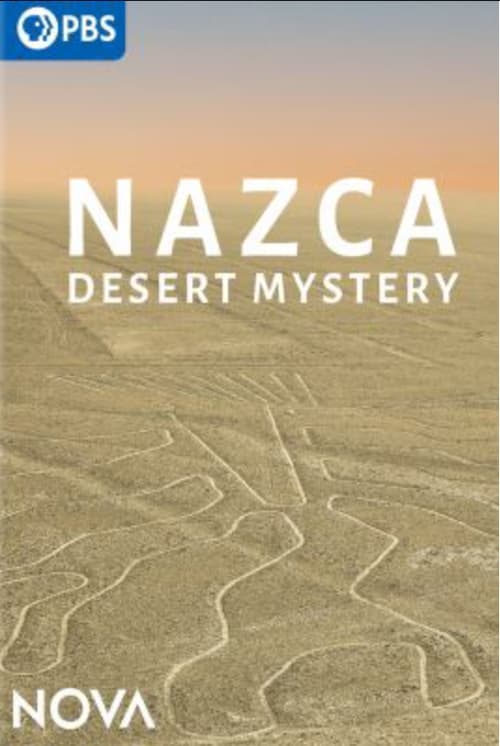
Classified as a UNESCO World Heritage Site, the Nazca Lines have never ceased, since their fortuitous discovery in Peru during the first half of the 20th century, to fascinate the general public as well as the scientific world.
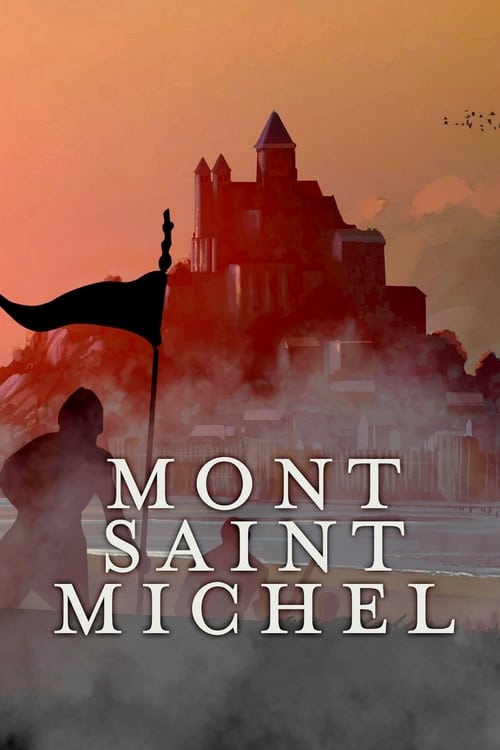
Over the centuries, Mont Saint-Michel, an extraordinary island located in the delta of the Couesnon River, in Normandy, France, a place floating between the sea and the sky, has been a sanctuary, an abbey, a fortress and a prison. But how was this architectural wonder built?
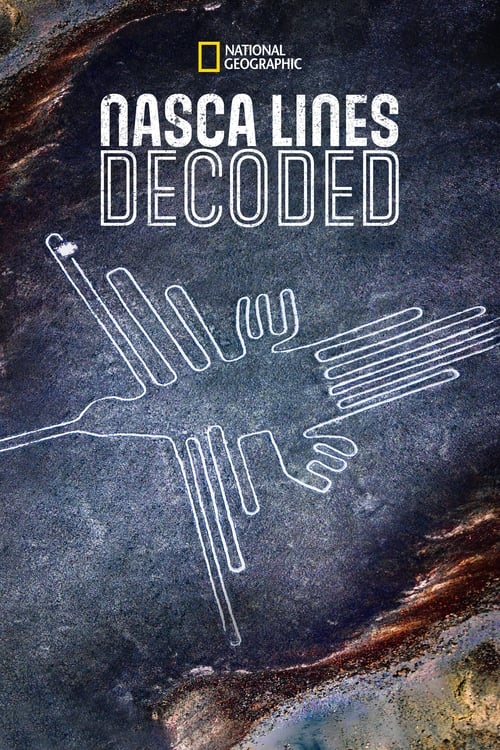
They are striking works of art by any standard: but what purpose did they serve? Some of the theories put forward suggest that the lines were ancient running tracks, runways for aliens, and even a giant astronomical calculator. But after decades of misunderstanding, modern archaeology may finally have an answer to the puzzle of the Nasca lines.
UNESCO Memory of the World: Explore the Bibliotheca Philosophica Hermetica’s new home with 25,000+ rare books on alchemy, hermetica & mysticism at the Embassy of the Free Mind museum, set in Amsterdam’s historic canal mansion, the House with the Heads.
One of the world’s greatest ancient enigmas, the Nazca lines are a dense network of criss-crossing lines, geometric shapes, and animal figures etched across 200 square miles of Peruvian desert. Who created them and why? Ever since they were discovered in the 1920s, scholars and enthusiasts have raised countless theories about their purpose. Now, archaeologists have discovered hundreds of long-hidden lines and figures as well as evidence of ancient rituals, offering new clues to the origins and motivations behind the giant desert symbols.
Where the old beech forests are almost untouched by human hands, the Jasmund National Park on the island of Rügen is home to a unique piece of untouched nature. It is of such outstanding importance that UNESCO declared it a World Heritage Site. Exclusively shown at Nationalpark-Zentrum KÖNIGSSTUHL on the island of Rügen, Germany
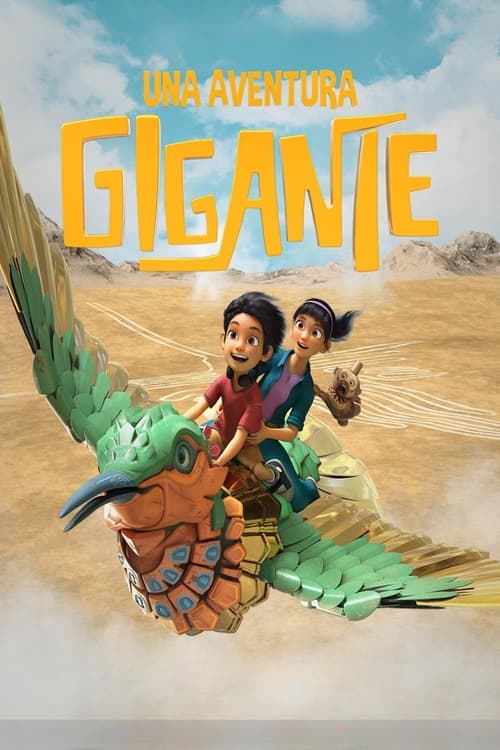
A Giant Adventure tells the story of Sebastian, Sophia and little Wawa, who will embark on an unexpected and extraordinary journey that will take them to an unknown world inspired by the Nazca culture.
Short animated film about the clima crisis from CUC Anima and Gobelins
Is it more difficult for a woman to direct a movie? To finance it? To be respected by her team? Does she have a different way of looking at the world? Does cinema have a gender? In our two previous documentaries, we had already asked these very contemporary questions to 20 female and 20 male directors in France. But we have been eager ever since to expand the borders of our work, to question women filmmakers around the world. That is what this film has achieved, from Asia to Africa and Europe… All the women we met were funny, sincere, committed, concerned, and all looking for the best possible way to exist in an environment always governed by men. All FilmmakErs and living witnesses of the dysfunctions that still exist in the film industry.
Biographical comedy of a lazy dreamer who according to a village history/legend invented flying in Finland.
Jodie is a fast paced, breezy look at the transatlantic phenomenon that has made Hollywood actress Jodie Foster an icon for lesbians who identify with, adore and celebrate the screen personas of her remarkable career.
A short film about Tay, a ladyboy, and his daily life, traveling to and from school, and silently touching up his makeup in front of the mirror.
You know, I like sweet blues... I want to be singing. I want to be sweet," said music legend Mike Bloomfield of his searing, lyrical guitar playing. His awesome instrumental prowess is on full display in this raucous documentary celebrating the legacy of a hard-living, finger-fretting renegade. Described by fellow icon Al Kooper as "not just another white boy [but] someone who truly knew what the blues were about," Bloomfield drew on African American tradition while burnishing his licks with a radical compositional approach reflecting the social and cultural upheaval of the 1960s.
As the 'one country two systems' policy in Hong Kong has slowly eroded, resentment among the territory's citizens has steadily grown. What began as a series of spontaneous protests against an extradition law in March 2019 has now escalated in to a full-blown popular uprising that shows no signs of abating. ABC Four Corners reports from the frontline of the action, capturing extraordinary footage of the growing tension and violence.
Drawing on original footage from National Geographic, Etched in Bone explores the impact of one notorious bone theft by a member of the 1948 American-Australian Scientific Expedition to Arnhem Land. Hundred of bones were stolen and deposited in the Smithsonian Institution in Washington DC, until it became known to Arnhem elders in the late 1990s. The return of the sacred artefacts was called for, resulting in a tense standoff between indigenous tribespeople and the Department of Anthropology at the Smithsonian.