A film about astronomy which also happens to show views of the ancient city of Winchester, before focussing on a particular house in the suburbs with its own observatory.
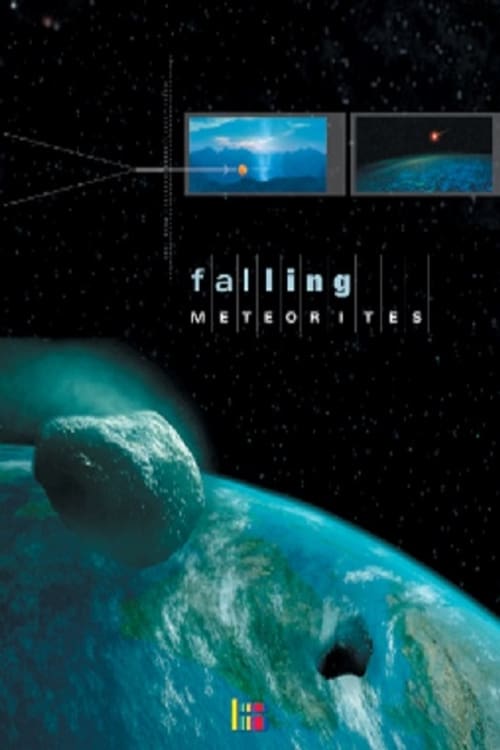
214 million years ago a gigantic meteorite broke up and impacted Earth. 65 million years ago, the impact that killed the dinosaurs occurred where the country of Belize stands today. 200 thousand years ago early humans were walking and died when they were hit by a 40 meter wide meteorite hit South Africa creating a 1.4 km wide crater. This meteorite fragment, the largest ever found hit Namibia 80 000 years ago and more recently a major impact occurred in Toungouska, Russia in 1908. Every year 10 000 tons of meteoritic matter fall onto Earth in much smaller but not necessarily less influential pieces. This film will explore how the impact of these meteorites big and small through the ages have changed our world and what they brought from outer space with them that may have been the seed of life itself on Earth.
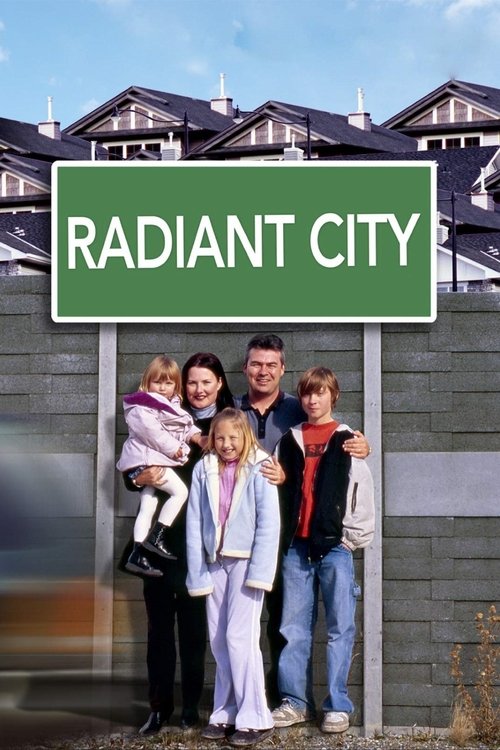
Since the end of World War II, one of kind of urban residential development has dominate how cities in North America have grown, the suburbs. In these artificial neighborhoods, there is a sense of careless sprawl in an car dominated culture that ineffectually tries to create the more organically grown older communities. Interspersed with the comments of various experts about the nature of suburbia
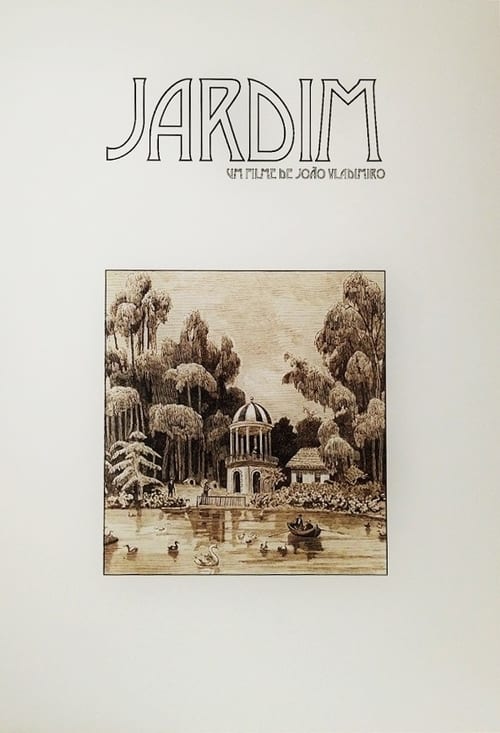
4 hectares of ground are the gardens that surround the Calouste Gulbenkian Foundation in Lisbon. Throughout one year João Vladimiro’s camera follows the work of landscape architect Gonçalo Ribeiro Telles, commissioned by the Calouste Gulbenkian Foundation. “I know that the trees don’t have eyes, that the water doesn’t have a mouth, and that stones don’t have ears. Still, we communicate. In this particular garden, long mute talks take place, like the two elders that, through their sheer presence, talk to each other about calmness, comfort and sadness.”, says director Vladimiro, whose patient camera eye pays attention to the smallest events.
Loran, a filmmaker from the notorious suburb Gottsunda, grapples with the desire to move away but is torn by loyalty to his childhood friends who lead a criminal life. "G" marks Loran's farewell to Gottsunda but completing the film in a changed community tests his sense of belonging and identity.
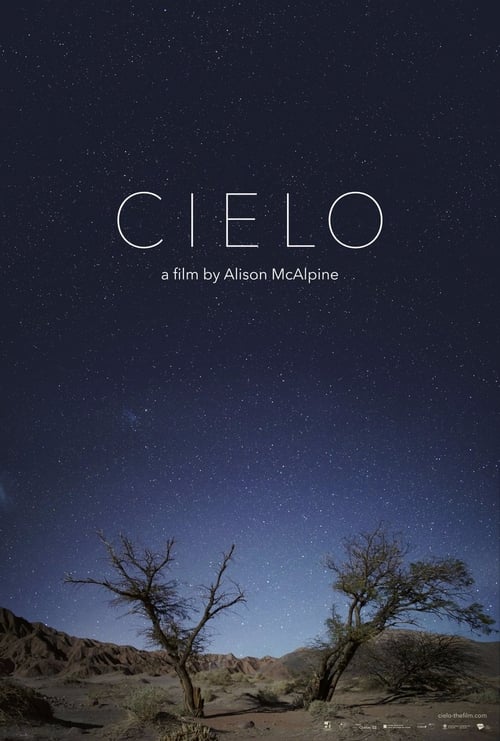
The first feature from Alison McAlpine is a dialogue with the heavens—in this case, the heavens above the Andes and the Atacama Desert in northern Chile, where she alights on the desert- and mountain-dwelling astronomers, fishermen, miners, and cowboys who live their lives with reverence and awe for the skies.
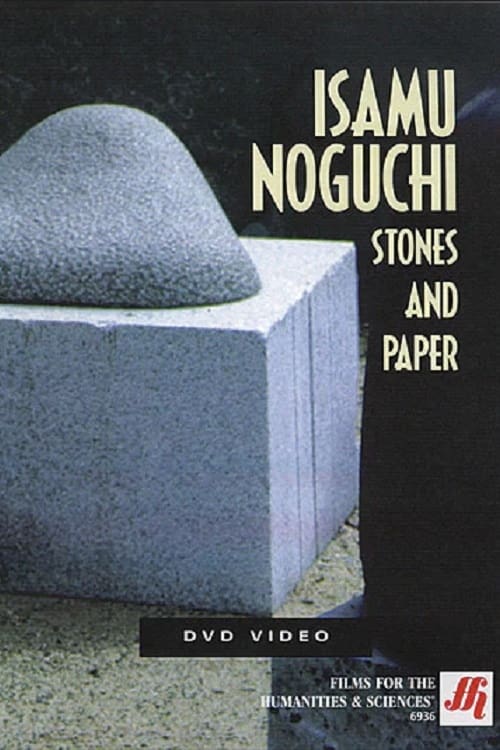
Isamu Noguchi was a sculptor, designer, architect, and craftsman. Throughout his life he struggled to see, alter, and recreate his natural surroundings. His gardens and fountains were transformations meant to bring out the beauty their locations had always possessed.
Following the death of her husband, Dan, in November of 2010, Suzanne Frisse Lathrop converts her Facebook into a public diary, housing her grief in magical and unexpected ways. A ritual throughout her week, Suzanne photographs the sky and shares photos containing strange spherical aberrations which she calls "orbs." For A Day Like Today confronts American attitudes surrounding grief all the while inviting audiences to reflect on how and where they see those they have lost.
An exploration of Rodez Cathedral and its stained glass windows: praying figures and scientific imagery. A study on color, repetition and flickering consisting of 292 photographs.
Take a virtual stroll down the streets of Glasgow’s iconic Great Western Road.
Large numbers of children and adults can be seen enjoying themselves, splashing about in the water or diving from the high-boards.
A large crowd and choir, on an historic day at York Minster, greet the arrival of a replacement big bell, watching and singing as labourers manfully slide the 10 ton bell off a truck.
The Thanet coast featuring boat rides, horses and family outings.
A film about the controversial world of exotic animal ownership within the suburbs of the United States. "The Elephant in the Living Room" offers an unprecedented glimpse into the fascinating subculture of trading and raising the most deadly and exotic animals in the world as common household pets.