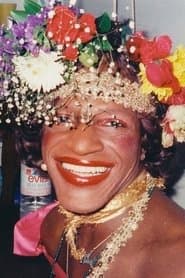
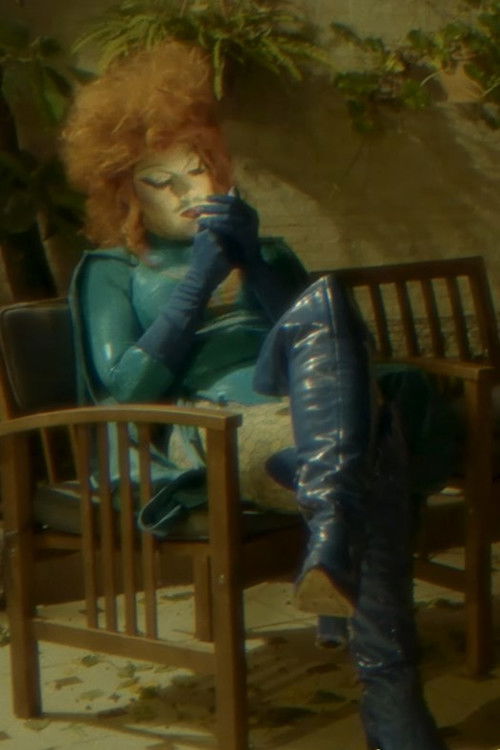
The artist walks through a garden, with additional footage featuring Black trans activist Marsha P. Johnson.
Tourmaline
as
Marsha P. Johnson
as self (archive footage)
Everyone knows the phrase “Black is Beautiful,” but few know of the man who helped popularize it. Little known Harlem based photographer - freedom fighter and activist - Kwame Brathwaite took 500,000 photos across his 70-year career, always devoted to celebrating the joy and beauty of African American life. This feature documentary tells the story of Kwame and the “Black is Beautiful” movement.
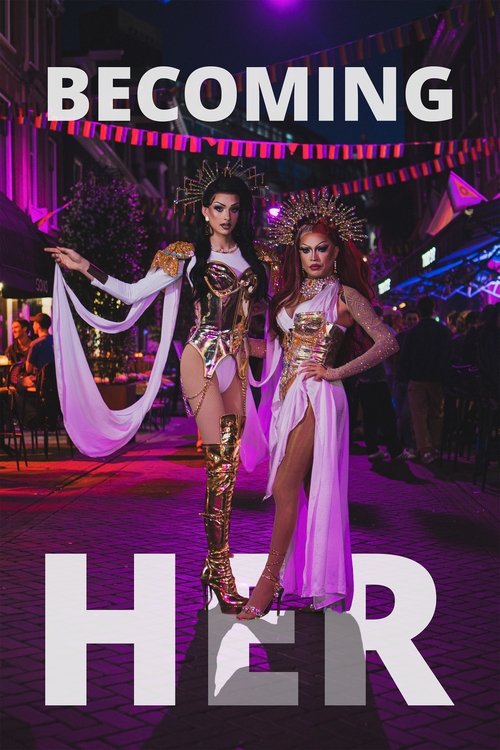
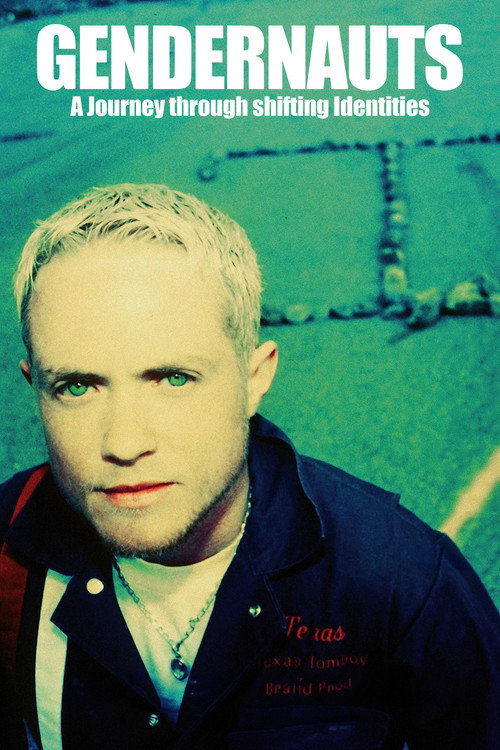
Several characters realize their personal way to build their own identity from the choice of genre. Transsexual, transgender, crossdressing – the defining of terminologies different ways of looking at yourself are constantly rising, portraying a universe of possibilities, expanding the boundaries of the possible and permitted.
Bosom buddies BeV StroganoV, Ovo Maltine, Ichgola Androgyn and Tima die Göttliche are four Berlin drag queens who met in the mid 1980s. These four queens became Germany’s most popular drag performers and have been busy fertilizing the German cultural scene. Besides being performers, they are also political activists – in AIDS awareness, anti-gay violence, the sex workers movement and the struggle against the extreme right and racism. The film tells their story.
A cruise ship and 3,000 men – it is a universe without heteros and women that usually remains a mystery to the outside world. Once a year the Dream Boat sets sail for a cruise exclusively for gay men where most passengers are united by the wish to live life authentically as themselves in a protected place.
A hearse cruises the streets of Medellín, while a young director tells his story in this city marked by conflicts, violence and paradoxes. He remembers his childhood and the discovery of his sexuality.
Documentary about behind the scenes of Pabllo Vittar's highly anticipated show at the first edition of The Town, in São Paulo.
Mini documentary about the recently launched girl group from São Paulo, Katy da Voz e as Abusadas, in a concert at Zig Studio.
The 3rd installment in James A. Burkhalter's QUEER ROOTS trilogy: After years of his mother begging him to do it, James decides to finally review and erase 10 years' worth of phone messages. It tells the story of James' "roaring twenties," constructed solely through the voices of friends, family, and lovers.
In a small village in the south of the Bohemian-Moravian Highlands, filmmaker Kateřina Turečková meets 16-year-old Ben, interested in learning about their newly discovered trans identity in person. Ben seeks refuge for their true feelings in cyberspace, finding moments of happiness by using green-screen technology to imagine their possible future. The film indirectly captures the (mis)understanding and (non-)acceptance Ben faces at school, its focused insight rounded out by the filmmaker’s interviews with Ben’s mother and sister, who inadvertently embody everything Ben hates about themself.
Max is gender non-conforming and gives birth to River, who they are raising gender-neutral until River can express their own identity.
An animated documentary that speaks to immigrants' personal experiences living in Aotearoa, exploring themes of racism, discrimination, loss, loneliness, and maintaining cultural ties while living in another country.
BATE CABELO! unveils the story of an artistic creation that became a living symbol of memory, embodiment, and resistance.
A documentary on Queercore, the cultural and social movement that began as an offshoot of punk and was distinguished by its discontent with society's disapproval of the gay, bisexual, lesbian and transgender communities.
In 1995, the Chilean state made a grave mistake when it detained Marcelina (68), an Indigenous spiritual authority, a machi of the Mapuche people. The police stripped her of her jewelry and traditional clothing and sent her to a men’s prison despite her identifying as a woman. She was unjustly accused of murdering a patient through witchcraft, triggering feelings that led her to leave her community, even after her innocence was proven. Thirty years later, Cons (34) delves into her story—into a world foreign to her—confronting lessons and prejudices she had never known.
Cinema Fouad is a documentary portrait of Khaled El Kurdi, a Syrian trans woman living in Beirut, where she earns a living as a domestic worker and belly dancer. Soueid shows us scenes of El Kurdi’s domestic world: eating, applying make-up, dancing in her bedroom, all while reflecting on her life and experiences. She expresses her desire to undergo gender reassignment surgery, and mourns the death of her lover, a Palestinian freedom fighter. She often alludes to the aggressions she faces outside of her home, and through her adept defiance in the face of some of Soueid’s more goading questions, we recognize the echoing of these aggressions in his role as interviewer.
Exterínio proposes a reflection on the lives of trans women in a city in the interior of Rio Grande do Sul, based on a murder that occurred in 2016. Memories, provocations, life stories that intersect in a plot about the difficulties of living and being trans in the interior of the country that most murders trans women in the world.
Tien is the first Asian trans man to publicly come out in the Vancouver, then, gay and lesbian community of 2001. In this profound and inspiring film, Tien shares his story as a trailblazing, racialised, transgender immigrant and his journey to discovering his true purpose in life — cultivating and becoming joy.
Trans women face extreme violence in Mexico City, and sex workers are even more vulnerable. This raw and deeply affecting portrait of Kenya gives an insider’s view of the impact that violence has on the community, and how complex life is for them. The film begins shortly after Kenya witnesses her friend Paola being murdered by a client. The film follows Kenya closely. Will the family accept burying Paola as she was: a flamboyant trans woman? Kenya approaches Paola’s loved ones with great respect and understanding—something she rarely experiences herself. When the murderer is released, she embarks on a lengthy battle for justice, backed up by her “sisters.”
Within photographs that are not their own, a body discovers it has always been part of another.