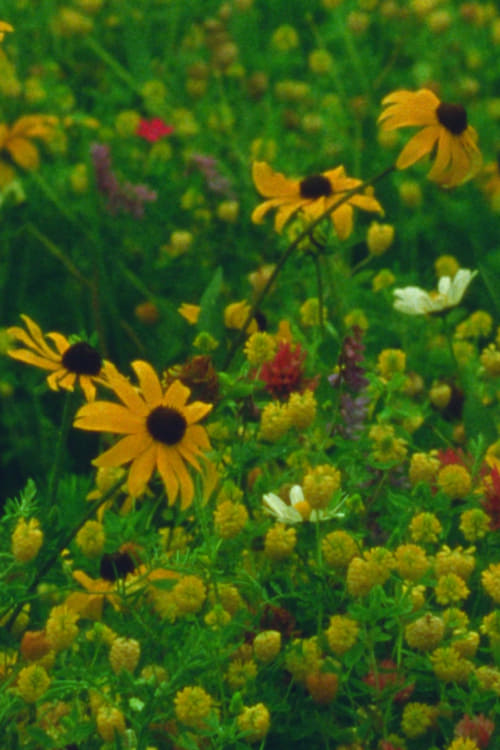
Examines the lily to identify the parts of a flower and show how it functions in the production of seeds. Pictures a variety of other flowers and compares the flowering plants to some non-flowering plants.
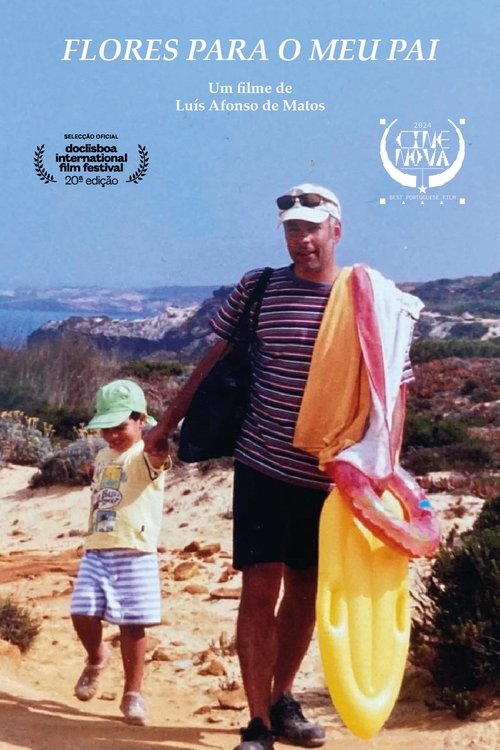
Childhood memories of an August holiday.
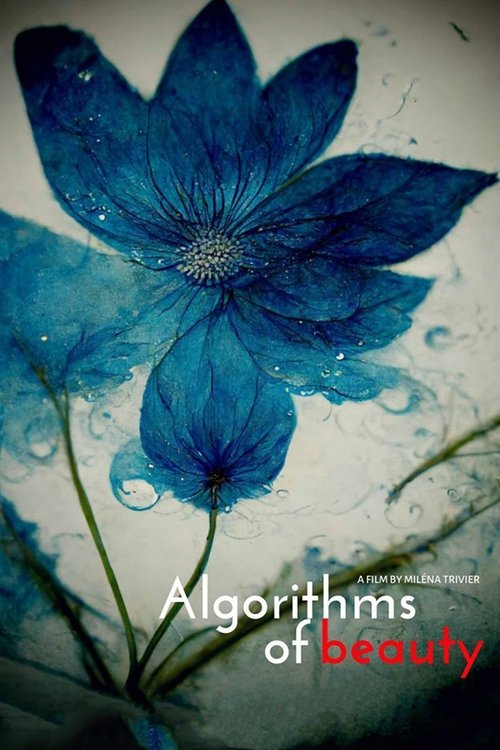
In 1772, Englishwoman Mary Delany wrote to her niece: “I have found a new way of imitating flowers.” The imitation in question was the art form called decoupage, based on cut-outs and reshuffling of pictures. The charm and botanical precision of these works attracts attention of even today’s artists, among others by an anonymous programmer who is trying to invent a way of capturing the flowers’ vivacity in pictures. With this aim in mind, she has created an algorithm, which would combine science and beauty, similarly to Delaney’s efforts, whose illustrations it is meant to animate.
Shot in two places marrying with each other by a single and fractured bridge between Condrieu and les Roches-de-Condrieu, this film is the continuation of exploring ephemeral movement through the use of editing, camera movements and color sampling.
Hand processed expired Kodak 7291, Camera: Beaulieu R16, Lens: Angenieux 12-120mm with +3 Diopter, Polarising filter for the clouds. Hand processed in C-41 chem using a Lomo UPB-1A tank. Still haven't mastered removal of the rem-jet anti-halation layer (thats all the white 'static' on the film). The film expired about 40 years ago.
"Shiloh Cinquemani works wonders simply by framing flowers in “Narcissi” and “Rose.” Her delirious flux of glances electrifies the old-fashioned still life." -Bill Stamets, The Chicago Sun-Times
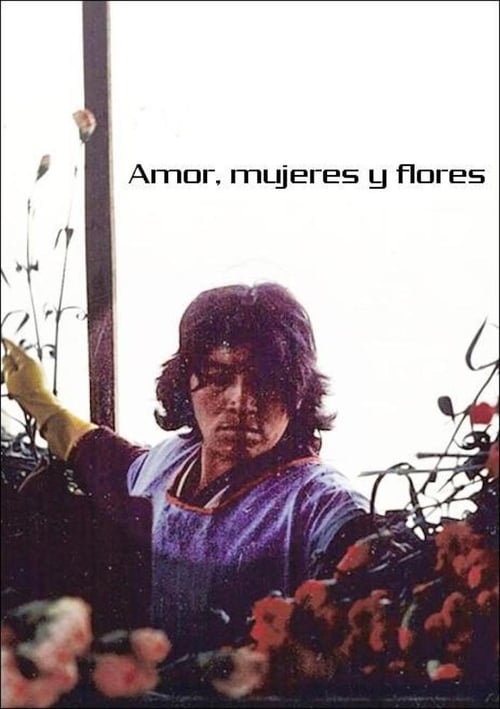
Women workers stand up to the toxic flower industry in Colombia.
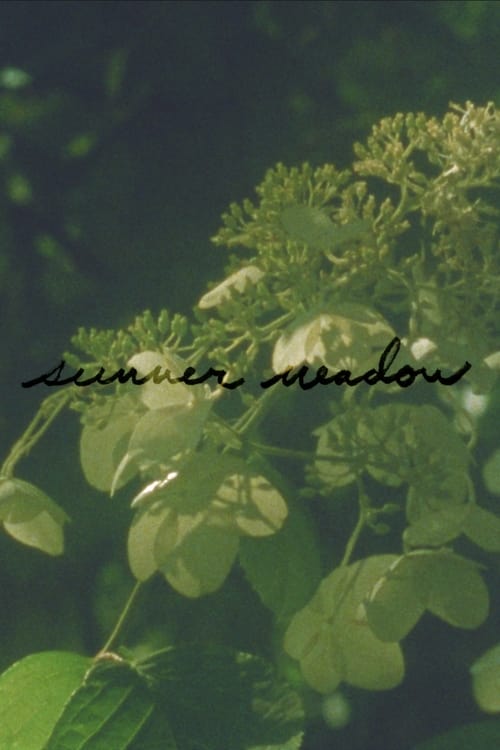
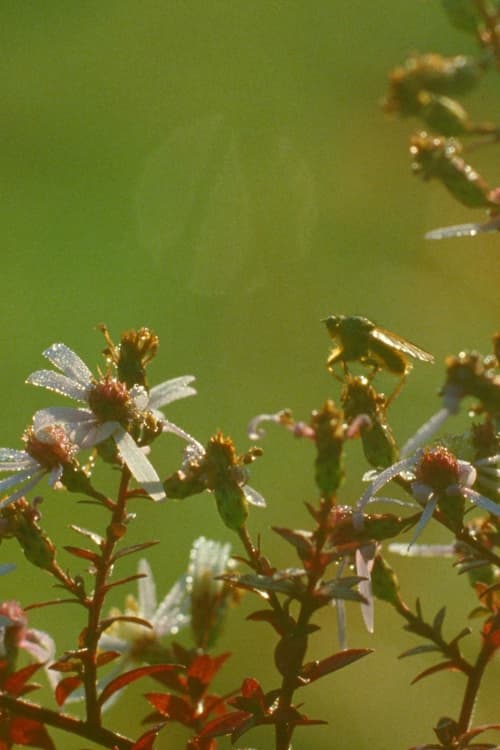
A close look at flowers and pollinators on a sunny summer morning.
Mountain wildflowers in a dense fog.
Fog surrounds the peak of a mountain as summer wildflowers bloom.
Somewhere between the mountains and valleys a small autumn flower bloomed.
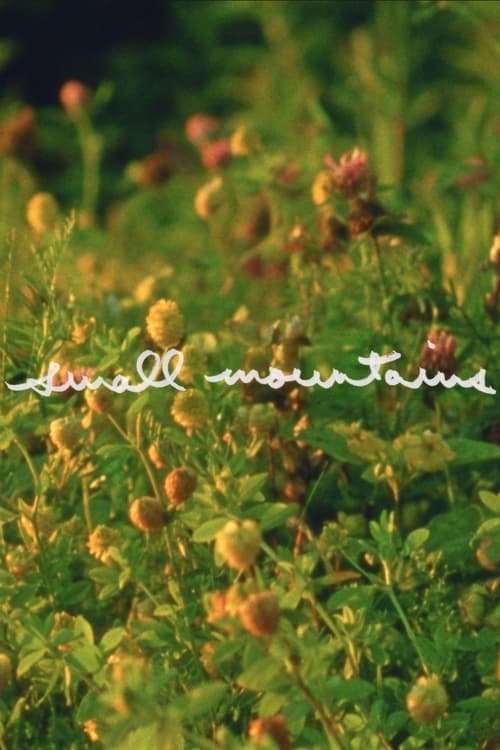
A slug climbs small mountains at the peak of Mount Greylock (3,489 ft).
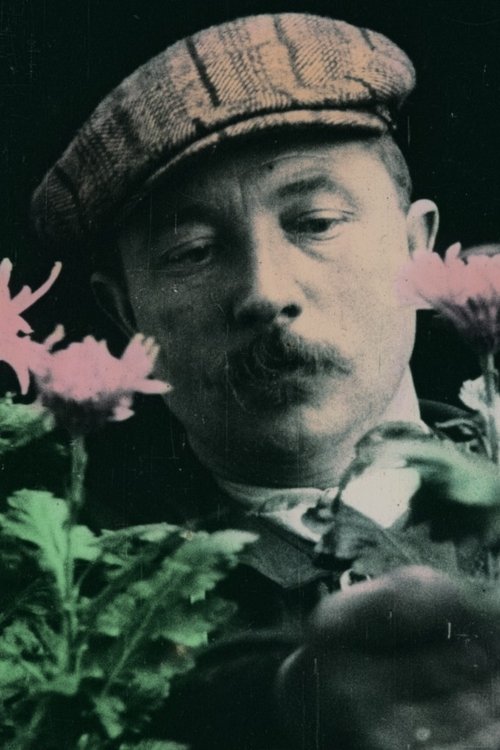
Fantastic Flowers is a compilation of short silent films produced between 1906 and 1920, displaying amazing colours that were applied to each frame using the Pathécolor process, or other similar stencilling techniques. Bonsoir – La Fée aux fleurs (1906) / [Bloemenvelden Haarlem] (1909) / Les Chrysanthèmes (1907) / Le Chrysanthème, roi de l’automne (1914) / [Les Tulipes] (1907) / Les Fleurs dans les jardins (1914) / L’Après-midi d’une japonaise (1920) / The Beauty Thief ([1920]) / La Fée printemps (1906) / [Het schoonste uit de natuur] (1912?) / La Culture du dahlia (1911) / [Hollandse Tulpen en Klompen] (1920?) / Fabrication des fleurs artificielles (1911) / [Bonsoir tableau] (1906)
A short silent film from 1914 about the Chrysanthemum flower.
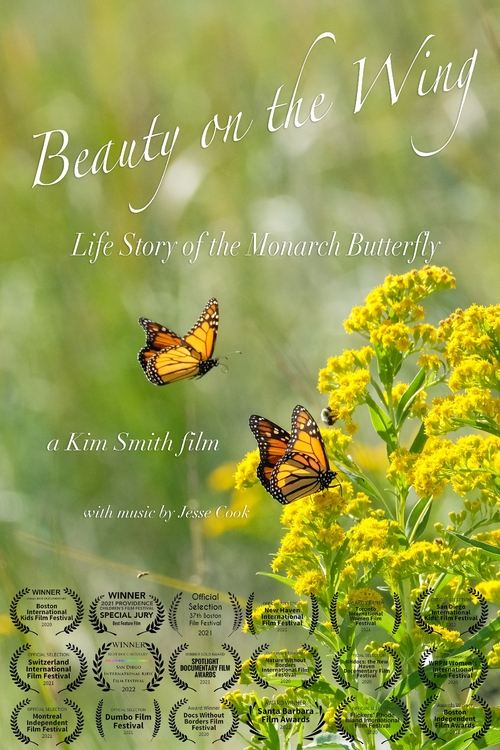
Beauty on the Wing: Life Story of the Monarch Butterfly is a 56-minute narrated film that unfolds along the shores of Cape Ann and in the heart of Mexico’s forested volcanic mountains. Every stage of the butterfly’s life cycle is experienced in vibrant close-up, from mating to egg to caterpillar to adult, and set against the backdrop of sea and forest, sun and wind.
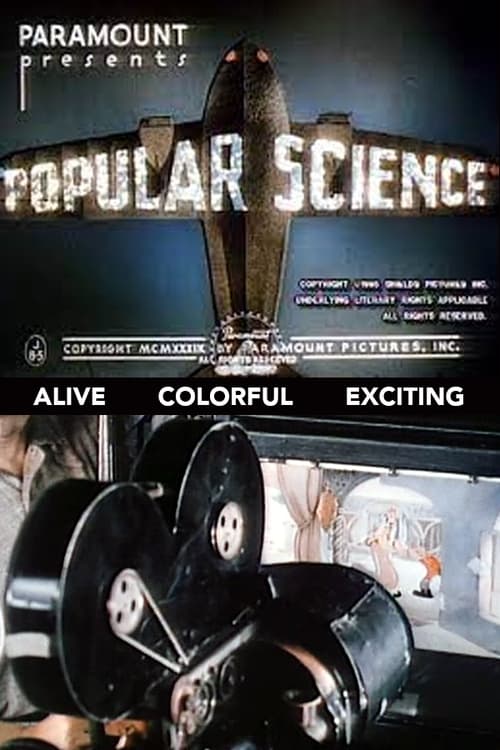
Raising angora rabbits for wool; new marine navigation and safety technology; kitchen gadgets; developing new rose varieties.
A memorial mourns as time passes
Inside a room full of plants, a woman finds shelter from the outside world. Submerged in delirium, Alba experiences her withering.