From backyard kingdoms to full-blown diplomatic summits, the world's self-declared kings, queens and emperors invite you in. A whimsical and surprisingly timely documentary about borders, identity and the human need to belong.
Kevin Baugh
as Himself
Travis McHenry
Carolyn Shelby
as Herself
Phil Pillin
After Coal profiles inspiring individuals who are building a new future in the coalfields of eastern Kentucky and South Wales. Meet ex-miners using theater to rebuild community infrastructure, women transforming a former coal board office into an education hub, and young people striving to stay in their home communities. The stories of coalfield residents who must abandon traditional livelihoods illustrate the front lines of the transition away from fossil fuels.
Short film for Vice Media about the illusion of stability, freedom, and prosperity in the West, comparing it to life in the Soviet Union during the 1970s. Ends with a trailer for HyperNormalisation.
Two politically-opposed young women fight to shape their lives along with the political future of Tunisia, the sole country to emerge from the Arab Spring uprisings as a functional democracy.
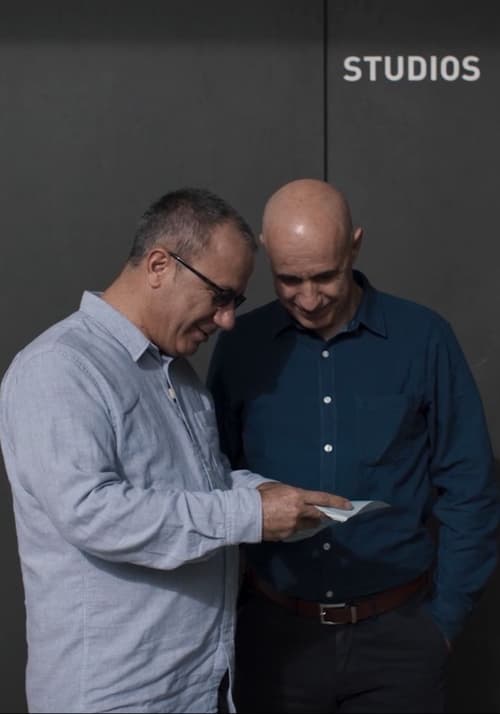
Two men, the hint of a sofa corner and a pile of letters. Using minimalist means, the film tells the story of two brothers caught between exile in a foreign country and resistance in the underground. It takes us back to the time when the revolution seized power in Iran and tells of life between the fronts. Daniel Asadi Faezi sketches the story of his father and his brothers - based on correspondence that has lain in the cellar for 30 years.
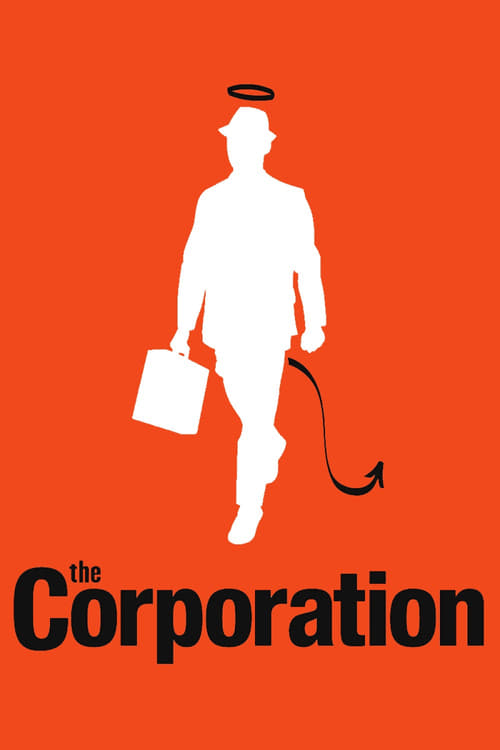
Since the late 18th century American legal decision that the business corporation organizational model is legally a person, it has become a dominant economic, political and social force around the globe. This film takes an in-depth psychological examination of the organization model through various case studies. What the study illustrates is that in the its behaviour, this type of "person" typically acts like a dangerously destructive psychopath without conscience. Furthermore, we see the profound threat this psychopath has for our world and our future, but also how the people with courage, intelligence and determination can do to stop it.
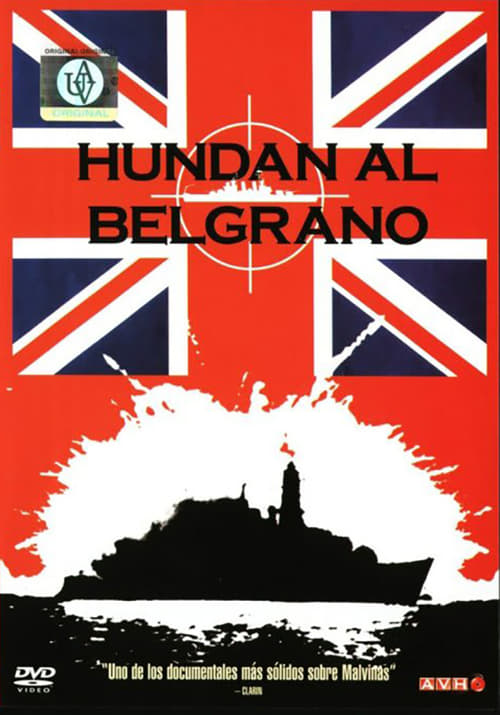
A detailed account of each of the details of the Malvinas War based on interviews, dramatic scenes, maps and other elements of historical roots without ignoring the historical antecedents from the 18th century that ended in this confrontation.
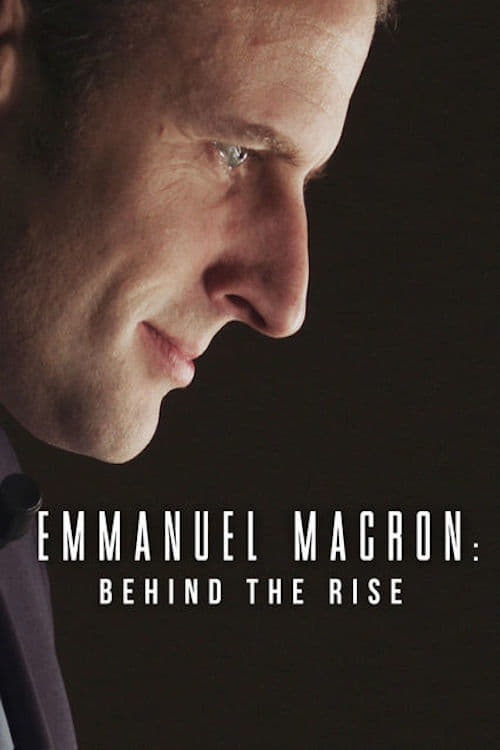
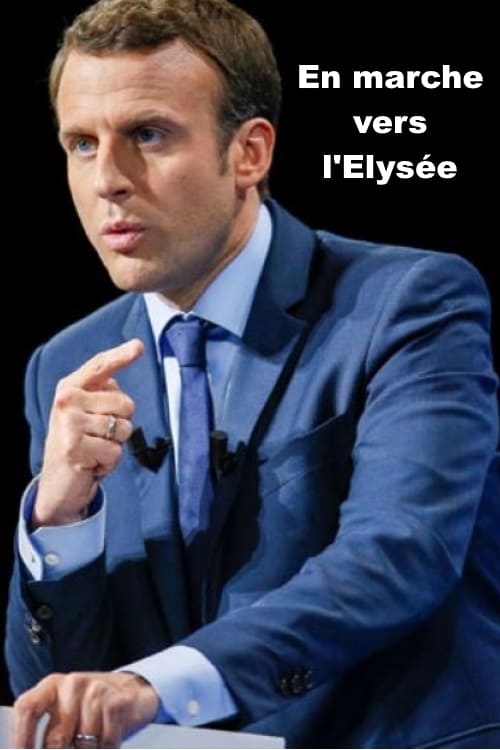
Deputy General Secretary at the Elysée to candidate for the presidency of the Republic, the novice in politics went from the shadows to the light in a very short time. For 200 days, our cameras followed him behind the scenes of his campaign and his exceptional ascent. For eight months we were the only ones allowed to follow the candidate Emmanuel Macron with our camera behind the scenes of this exceptional campaign. From the announcement of his candidature until his election on May 7, we propose you an exclusive documentary allowing you to live from inside the campaign of Emmanuel Macron in the manner of a political thriller.
The meteoric path of Emmanuel Macron made him pass in three years of almost anonymity to the presidency of the Republic. Yet, even though the media have followed him every day during his campaign, no one really knows him. Politics has spoken, progressive, social and liberal at the same time, but man remains an enigma. Behind the official story-telling, what is the true personality of the one who is going to lead France? What are its strengths, its weaknesses? Thanks to unpublished images and exclusive testimonials, including that of his wife Brigitte, this film tells the pivotal moments of the new President's career and reveals the deep motivations that animate him. Investigation of a meteor become President.
From the Ministry of Economy to his candidacy in the presidential elections, Emmanuel Macron quickly established himself in the French political landscape with a path full of subtlety. This documentary attempts to dive into the labyrinthine world of the President of the Republic, where he seeks to define his political stance and his strategy of rupture, which further deepened the downfall of the Socialist Party.
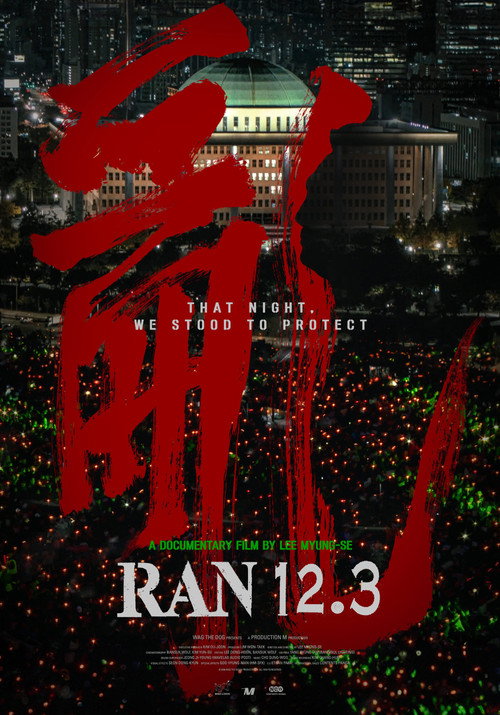
An ordinary day is suddenly disrupted by an unexpected declaration of martial law. In a race against time, citizens and members of the National Assembly rush to the parliament to defend it. Until 1:01 a.m., when martial law is finally lifted, a desperate confrontation unfolds between special forces under orders from Yongsan and civilians.
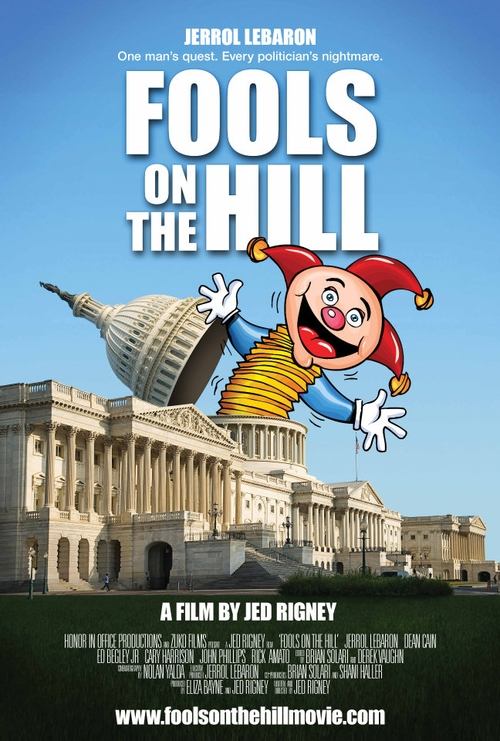
A film about political ethics and legislative incompetence that follows one man's attempts to require politicians to actually read the Bills they are passing -- which, strangely, is not currently required anywhere in the U.S.
"Slaughter" is an experimental short film that delves into the archival and historical footage of the Iranian Revolution in 1979, depicting a symbolic narrative surrounding the ritualistic act of animal sacrifice, known as "Besmel." It serves as an allegorical representation of a nation's sacrifice amidst the backdrop of political transformations.
After the World War I, Mussolini's perspective on life is severely altered; once a willful socialist reformer, now obsessed with the idea of power, he founds the National Fascist Party in 1921 and assumes political power in 1922, becoming the Duce, dictator of Italy. His success encourages Hitler to take power in Germany in 1933, opening the dark road to World War II. (Originally released as a two-part miniseries. Includes colorized archival footage.)
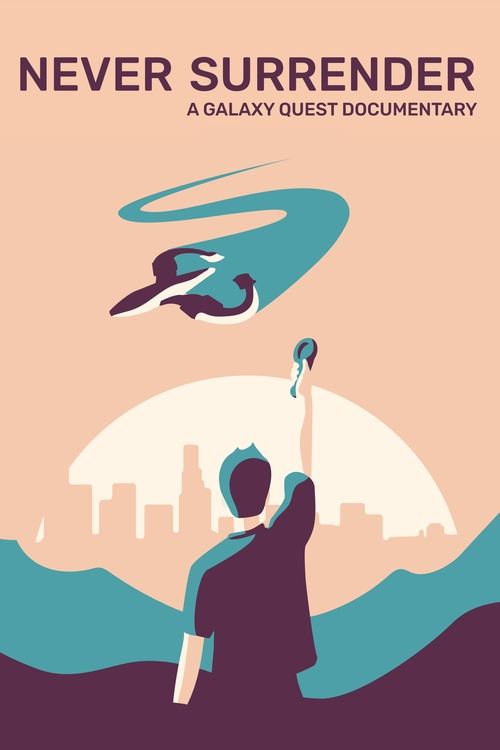
A feature-length documentary about the film Galaxy Quest and its legacy, celebrating its milestone 20th anniversary.
Short Documentary on a political art performance in Berlin 2015 to fight against the "Bill for the Protection of Sexworkers" introduced by the German government that year.
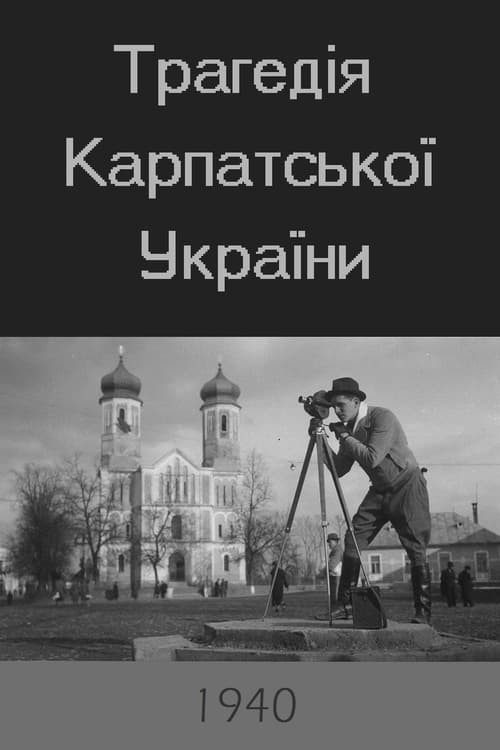
Documentary-filmed events in the Carpatho-Ukraine (aka Ruthenia) during 1939 drive this history of the Ukraine's struggle for independence as a nation.