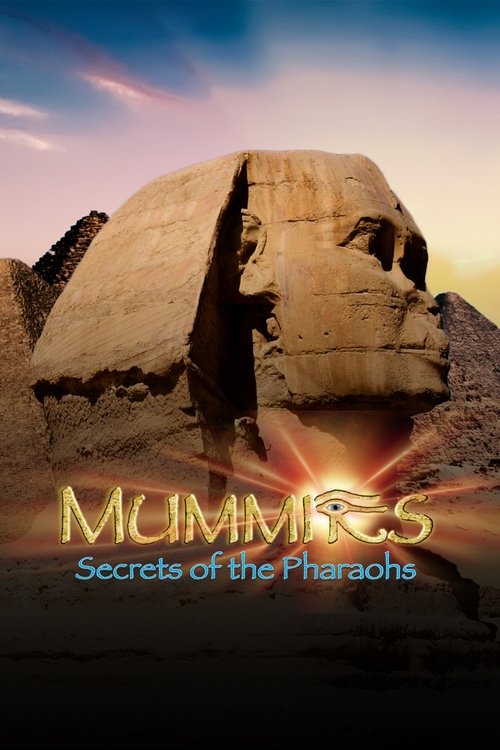
Documentary that discovers all the secrets of mummification in the Canary Islands thanks to pioneering research. Regis Francisco López approaches the mummification techniques that took place in Tenerife for more than 10 centuries.
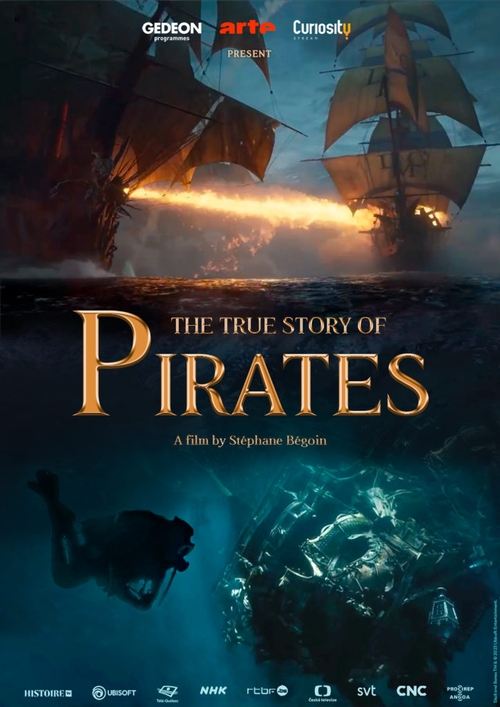
Thanks to new excavations in Mauritius and Madagascar, as well as archival and museum research in France, Spain, England and Canada, a group of international scholars paint a new portrait of the world of piracy in the Indian Ocean.
Thousands of terracotta warriors guarded the first Chinese emperor's tomb. This is their story, told through archeological evidence and reenactments.
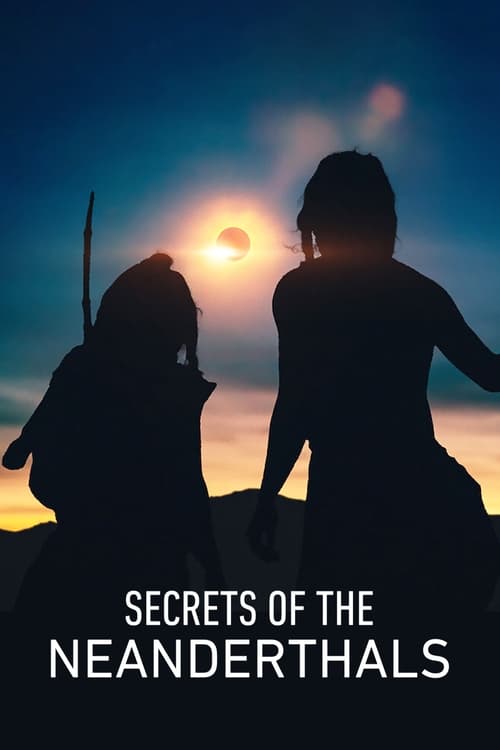
This documentary delves into the mysteries surrounding the Neanderthals and what their fossil record tells us about their lives and disappearance.
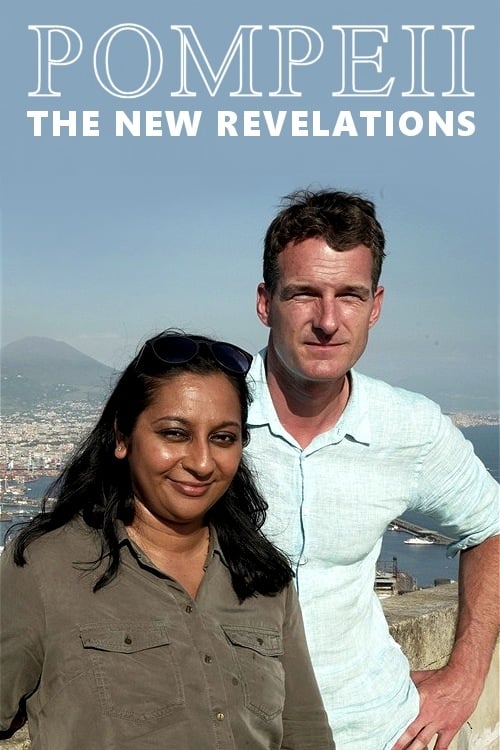
Archaeologist Raksha Dave and historian Dan Snow return to Pompeii to gain special access to a variety of new excavations, including two never-before-seen discoveries.
What exactly happened to all the objects found by Howard Carter after he finished exploring Tutankhamun's tomb in 1930 after they had been lying there for the past 3200 years? The most precious of them are exhibited in the Egyptian Museum in Cairo but most were kept out of sight from the very beginning. Ninety years later, for the first time, most of these objects will finally be brought together in the precinct of the great Museum of Giza. Some of them will make their way to the U.S.A. and Paris, where they will be exposed at the Cité des Sciences et de l'Industries in the autumn of 2018 - and then in London, Berlin, Tokyo and…
Professional, native and antiquarian researchers combine to investigate the archaeological history and modern legacy of Eastern Native civilization near Turners Falls, Massachusetts. They uncover possible evidence of a vast astronomical construct that covered a large area of what is now the northeastern United States.
Archeologists discover a pit filled with terracotta warriors buried to protect the grave of the First Emperor of China.
The grail is not the gold, nor the books of ancient wisdom, but the 3,000 year old DNA of the mummies, which may lead to a cure for malaria.
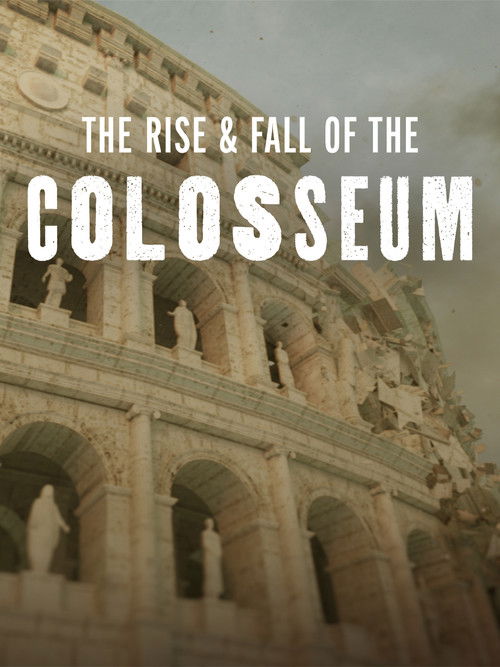
The Colosseum: the jewel of Ancient Rome. It wowed vast crowds with extraordinary battles. It pushed the boundaries of technology. It exhibited Rome’s vast wealth and power. Roman leaders spread the Colosseum’s design throughout the Empire, and it helped them conquer the ancient world. But just as the structure embodied Rome’s power, so too did it contribute to the Empire’s downfall.
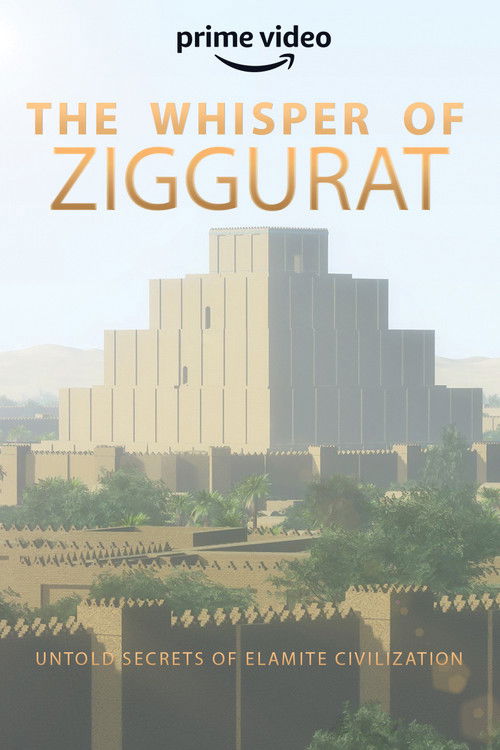
5000 years ago the ancient Elamites established a glorious civilization that lasted about three millennia. They created marvelous works in architecture and craftsmanship. These works of art depict the lifestyle, thoughts, and beliefs of the Elamites.
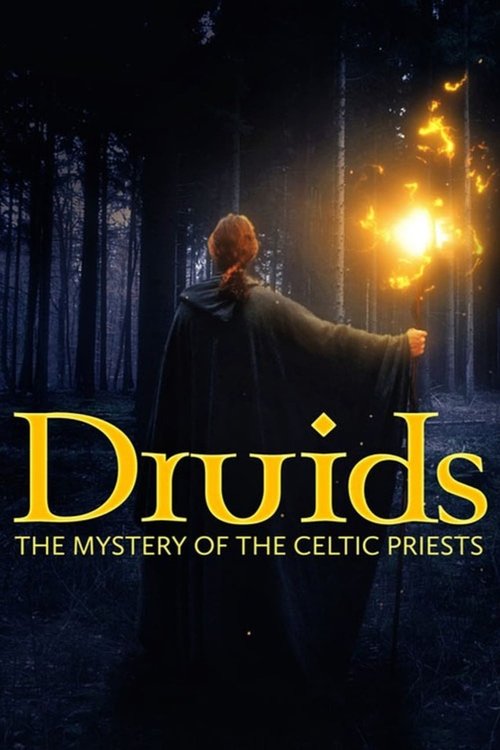
Druids have existed far longer than hitherto assumed, since the 4th century BC. Their traces are found all over middle Europe: from the northern Balkans to Ireland. Their cultural achievements were equal in almost every way to those of the Romans and Greeks: They could read and write and spoke Greek and Latin - for centuries, they were the powerful elite of their culture. Only one single Druid is known by name to history: Diviciacos - an aristocrat of the Aedui and personal friend of Julius Caesar. Diviciacos was a politician, a judge and a diplomat, but he lived at a time when the Celtic lands of Gaul were conquered by the Romans. Greek and Roman contemporaries distrusted the actions of this forbear of the famous comic book druid Getafix: They imagined him in bloody rituals in somber woods.