The history of Chicago's African-American community told like never before -- through the voices of its leading citizens, scholars, artists, politicians, and business leaders.
Kellita Smith
as Self - Host
Stories and music of Black artists who relied on an underground travel guide to navigate the injustices of racial segregation while on the road. The Negro Travelers’ Green Book was a directory of lodgings, restaurants, and entertainment venues where African Americans were welcomed. Features performances and interviews with vocalists, musicians, activists, historians, and others.
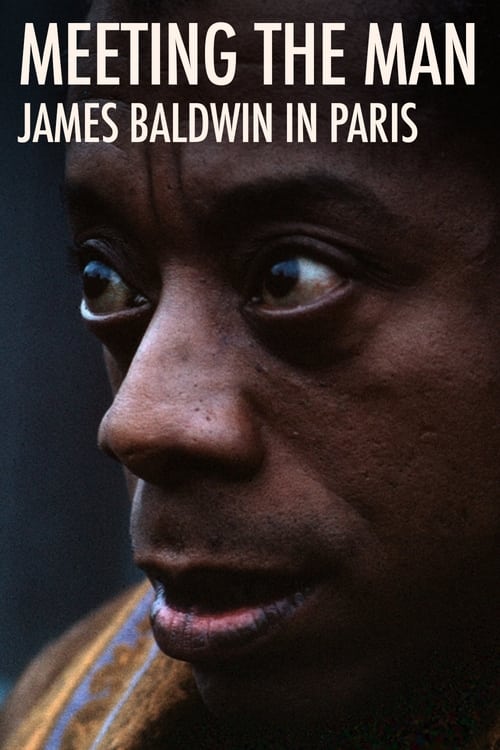
In 1970, a British film crew set out to make a straightforward literary portrait of James Baldwin set in Paris, insisting on setting aside his political activism. Baldwin bristled at their questions, and the result is a fascinating, confrontational, often uncomfortable butting of heads between the filmmakers and their subject, in which the author visits the Bastille and other Parisian landmarks and reflects on revolution, colonialism, and what it means to be a Black expatriate in Europe.
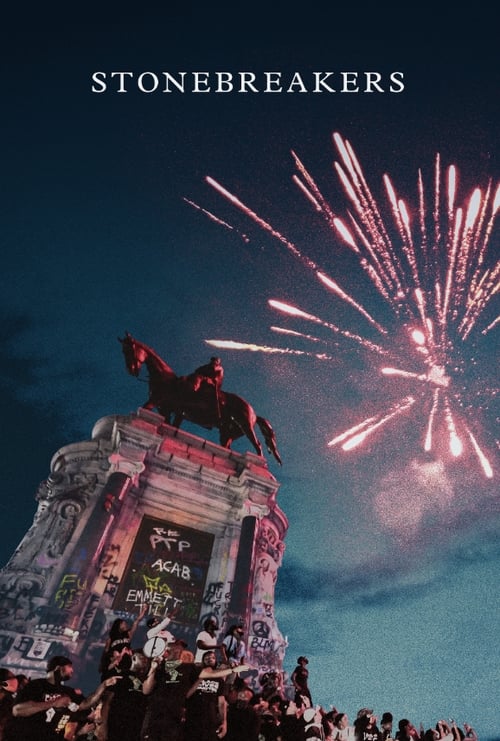
In a year of uprisings and political unrest, Stonebreakers documents the fights around monuments in the United States and explores the shifting landscapes of the nation's historical memory.
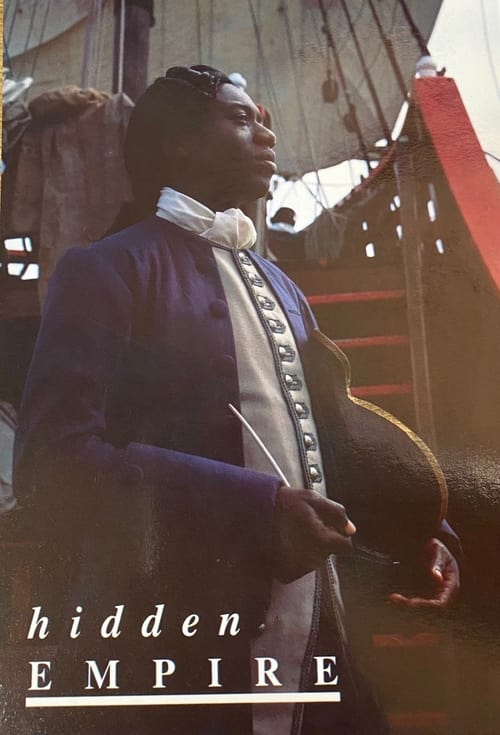
A documentary following the life of Olaudah Equiano, based on his autobiography "The Interesting Narration of the Life of Olaudah Equiano, or Gustavus Vassa the African".
Black Is the Color highlights key moments in the history of Black visual art, from Edmonds Lewis’s 1867 sculpture Forever Free, to the work of contemporary artists such as Whitfield Lovell, Kerry James Marshall, Ellen Gallagher, and Jean-Michel Basquiat. Art historians and gallery owners place the works in context, setting them against the larger social contexts of Jim Crow, WWI, the civil rights movement and the racism of the Reagan era, while contemporary artists discuss individual works by their forerunners and their ongoing influence.
A documentary that chronicles the rise and decline of the black-owned ethnic beauty industry in America.
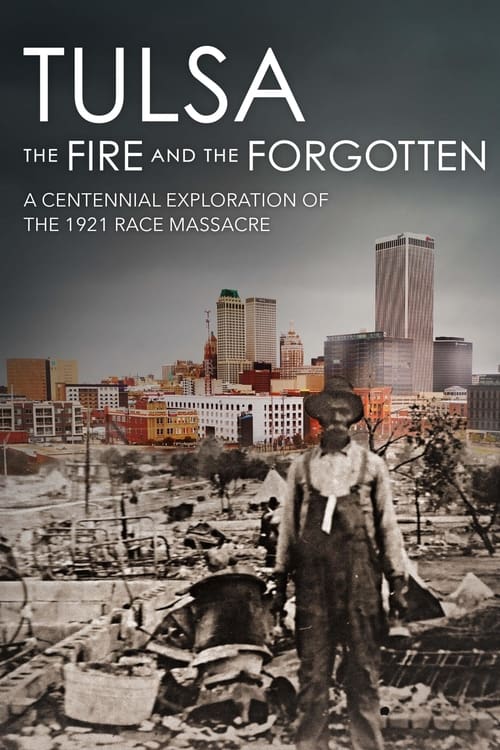
Learn about the 1921 Tulsa Race Massacre, on the one hundredth anniversary of the crime, and how the community of Tulsa is coming to terms with its past, present, and future.
Explore the life and legacy of notable Black scholar and civil rights pioneer W.E.B. Du Bois. From his birth, just five years after the Emancipation Proclamation; to his death, on the eve of the March on Washington in 1963, his legacy as an activist continues to resonate today.
TARGET ST. LOUIS Vol. 1© tells the story of how the United State Military conducted secret chemical testing on citizens of St. Louis's Northside. Told through the eyes of the survivors who bravely share their experiences of being unwitting test subjects. Long before the current scandal of lead poisoning of the water supply of Flint, Michigan, the United States Army conducted secret experiments on unknowing residents of northern St. Louis using toxic chemicals. The predominantly African American residents of northern St. Louis are the focus of this film. "Target: St Louis Vol. 1" shares their disturbing story of how these Cold War experiments occurred and the film examines the actions of the US Military that extended beyond the guarantees of public safety promised to US citizens by the Constitution.
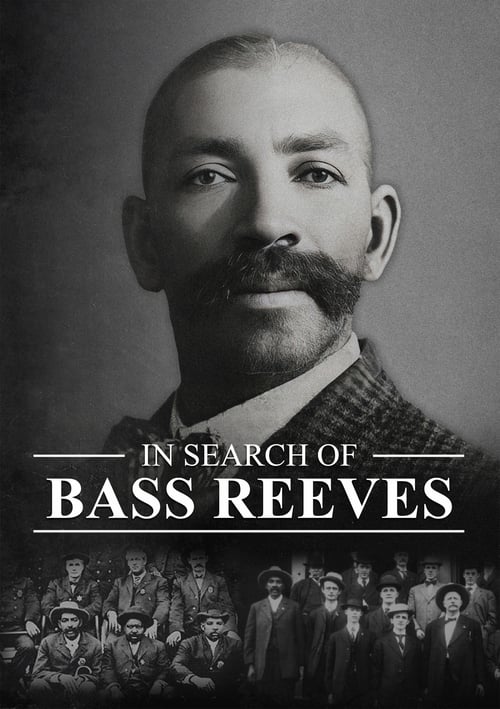
By the end of his illustrious career, Deputy U.S. Marshal Bass Reeves may well have been the preeminent lawman of the Old West. He brought upwards of 3,000 outlaws to justice and served in law enforcement for 32 years during Reconstruction after the Civil War. His story is one of an escape to freedom and the dangers of the West for a former slave who rose to become a legend of the law. Join us as we go in search of Bass Reeves.
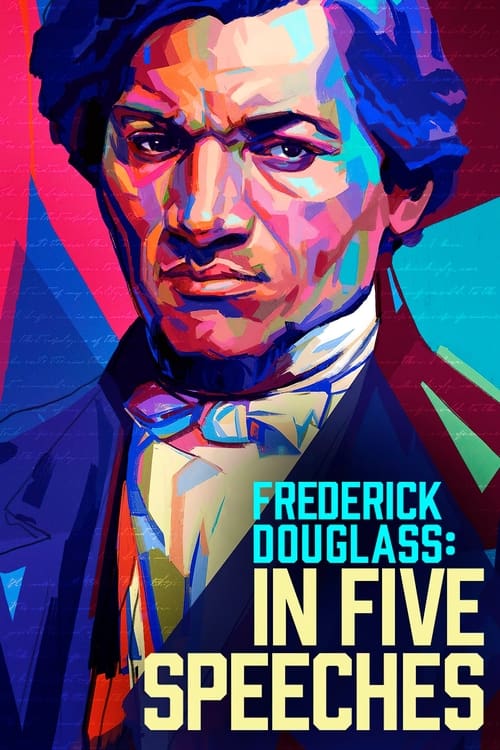
Acclaimed actors draw from five of Douglass’ legendary speeches, to represent a different moment in the tumultuous history of 19th century America as well as a different stage of Douglass’ long and celebrated life, while famed scholars provide context for the speeches, and remind us that Frederick Douglass’ words about racial injustice still resonate deeply today.
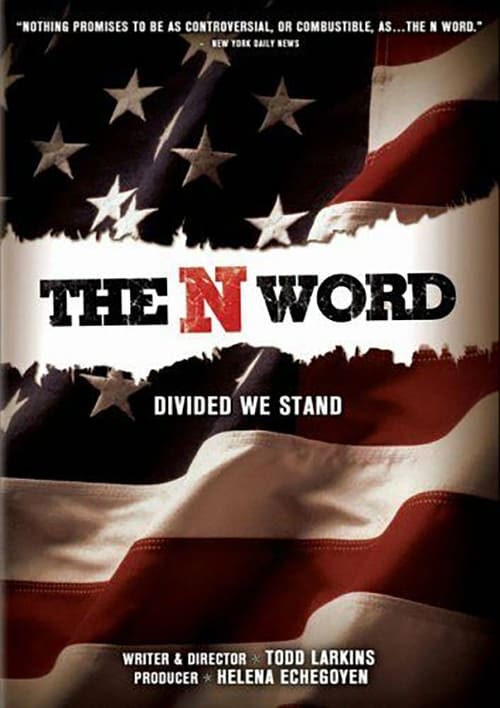
An exploration of the history of the word throughout its inception to present day. Woven into the narrative are poetry, music, and commentary from celebrities about their personal experiences with the word and their viewpoints. Each perspective is unique, as is each experience... some are much more comfortable with the word than others.
A deep look at the class warfare and the contradictions that African-Americans face within their own community when many of them are ostracized because they are “not black enough.” An analysis of the reasons behind these absurd acts of hatred.
While George Washington Carver's rise from slavery to scientific accomplishment has inspired millions, time has reduced him to the man who did something with peanuts. This documentary uncovers Carver's complexities and reveals the full impact of his life and work.
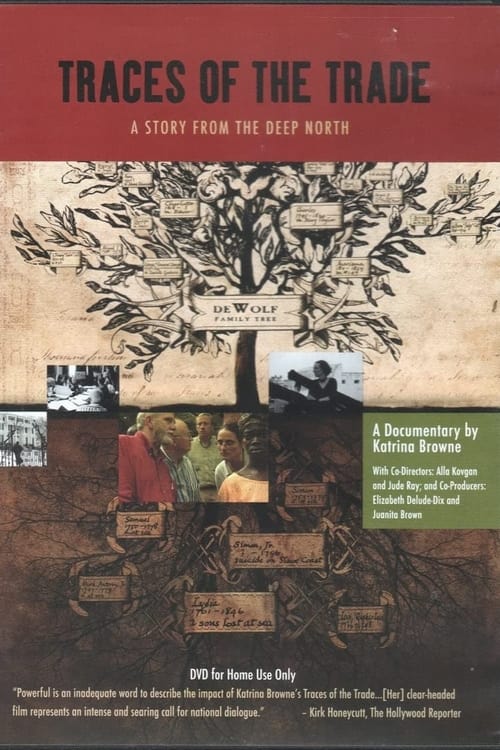
A descendant of the largest slave-trading family in U.S. history, filmmaker Katrina Browne explores the contemporary legacy of slavery by traveling with fellow descendents from Rhode Island to Ghana and Cuba, retracing the Triangle Trade route. Along the way, Browne and her companions meet with similarly interested travelers and discover the considerable importance slavery once had for Northern commerce.
A ride on the Zephyr at Pontchartrain Beach, a ride on the Canal Street streetcar, a journey along the New Basin Canal, exploring Lincoln Beach, watching the New Orleans Pelicans play ball, seeing the Mardi Gras Indians on tree-lined North Claiborne Avenue or just going to the neighborhood movie theatres. Visit some of the special places from New Orleans’ recent past.
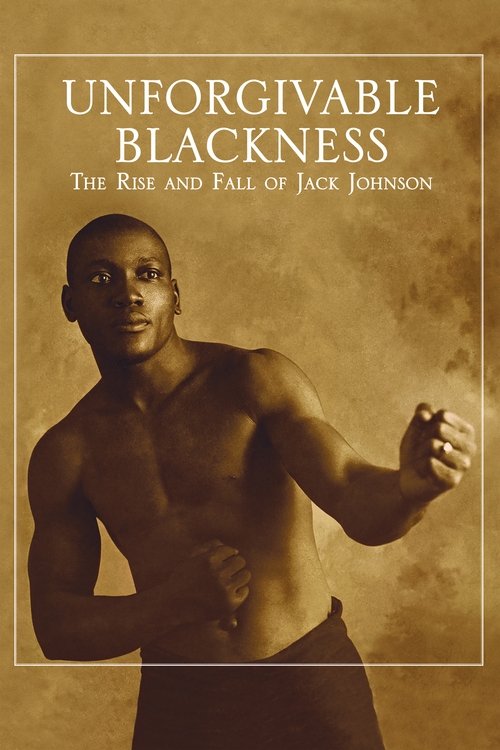
The story of Jack Johnson, the first African American Heavyweight boxing champion.
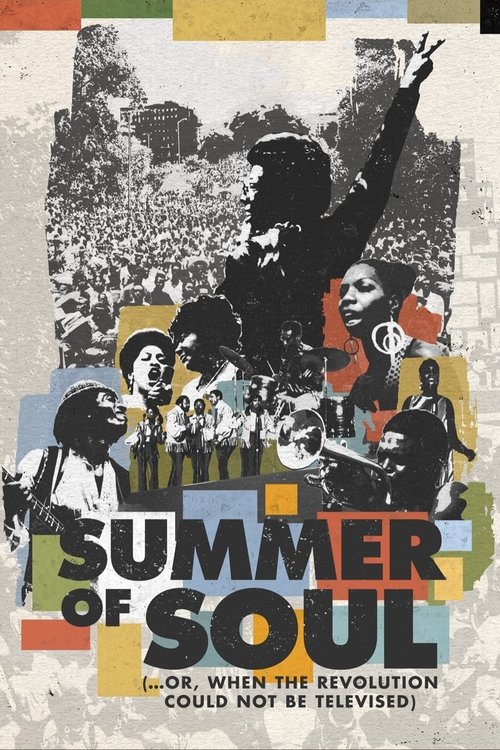
During the same summer as Woodstock, over 300,000 people attended the Harlem Cultural Festival, celebrating African American music and culture, and promoting Black pride and unity. The footage from the festival sat in a basement, unseen for over 50 years, keeping this incredible event in America's history lost — until now.
How does a state with the motto “Live Free or Die” and a celebrated legacy of abolitionism confront and understand its participation in slavery, segregation, and the neglect of African-American history? What happens when we move toward a fuller understanding of our history by including all voices? No other documentary has explored Black history in New Hampshire, no less Black history in New England. Shadows Fall North brings to light a forgotten history and continues a dialogue that is more important today than ever before. Without acknowledging our past, accepting it and embracing it, we will never move forward in our actions about race in this country.