A 38 minute documentary that investigates why antisemitism exploded in Bay Area High Schools after Hamas attacked Israel on October 7. This comes after years of anti-Asian hate and anti-white hate.
Eli Steele
as Self
Shelby Steele
Through the story of Rocky, a rescued orangutan whose intelligence and empathy rival our own, Orang. Utan. explores the radical question of whether great apes should be considered persons. The film ultimately reframes that question into an urgent plea to save orangutans from disappearing forever.
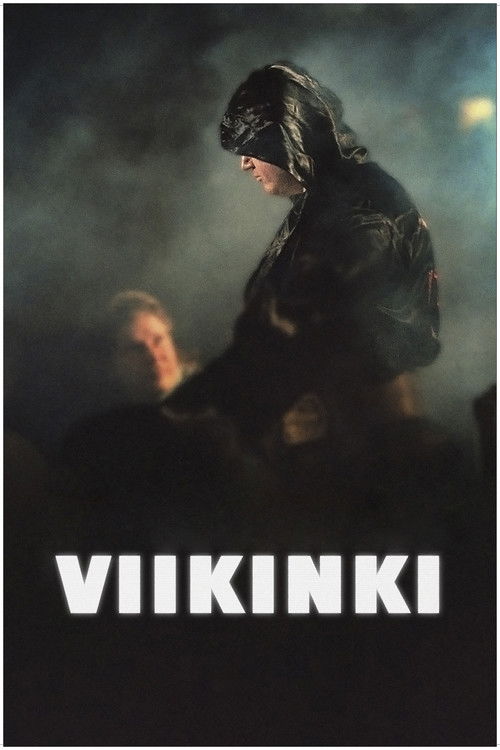
Documentary film about Tony Halme, masculinity and populism. The film follows how Tony Halme created a mythical, highly masculine freestyle wrestling character, The Viking, who gained fame both in the ring and in the public eye and eventually became captivated by it. With his brash speeches, Halme fired the starting shot for the rise of the Finns Party. The voice of a forgotten section of the population, a protest against the ruling elite, were the building blocks of Halme's popularity. Halme's great popularity has served as a good example of a populist figure, admired within the deep ranks of the nation, who comes from outside the political elite and changes the direction of politics. Also, despite - or perhaps because of - his openly racist statements, he was part of changing the political climate in Finland to a more acrimonious one.
Documentary gathers together portraits of craftspeople in Stolipinovo - a large, racially segregated urban district in Bulgaria. The film shows a cross-section of a community: young, old, modern, traditional - all with something in common, the desire to live and work in a dignified way, through hand-worked crafts. People in the film are both fragile and powerful in their raw honesty against the backdrop of increasingly precarious conditions of labor. "Inherited Crafts" carries a self-reflective style, being made by Osman Yuseinov, himself a craftsman, a master jeweler, working and living in Stolipinovo.
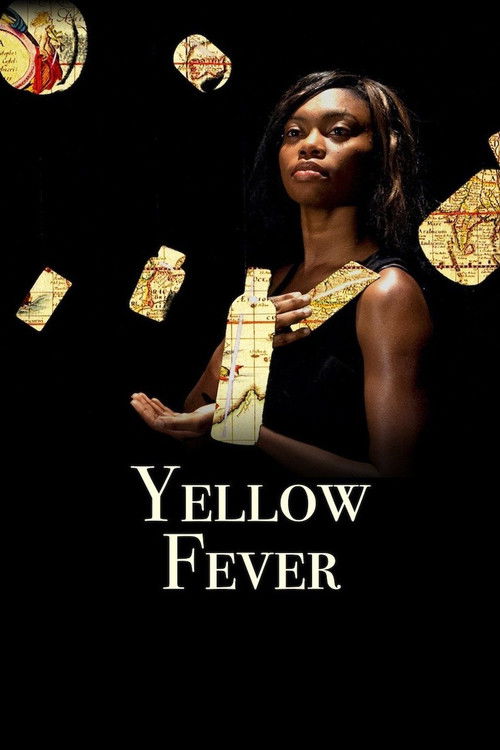
What does beauty look like? In this award-winning short, Kenyan filmmaker Ng’endo Mukii combines animation, performance, and experimental techniques to create a visually arresting and psychologically penetrating exploration of the insidious impact of Western beauty standards and media-created ideals on African women’s perceptions of themselves. From hair-straightening to skin-lightening, YELLOW FEVER unpacks the cultural and historical forces that have long made Black women uncomfortable, literally, in their own skin.
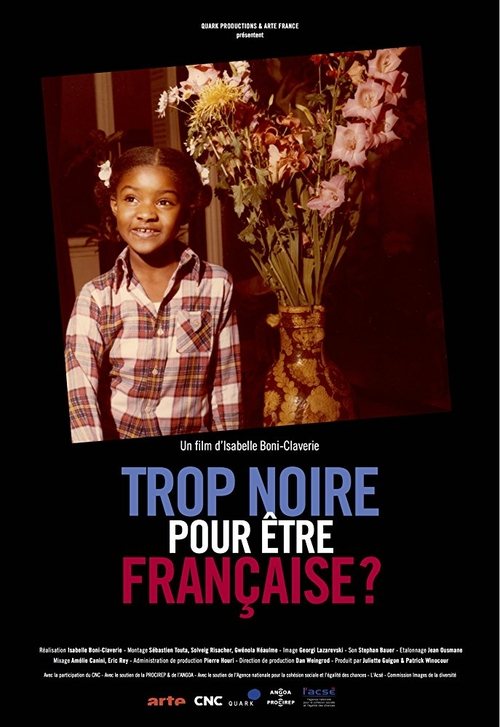
Approximately, because so-called "ethnic" statistics are prohibited, there are an estimated 3.3 million black French citizens. Distant descendants of slaves from the Caribbean or "indigenous" peoples from the French colonial empire in Africa, they constitute a minority that is often discriminated against. Isabelle Boni-Claverie, a mixed-race woman raised in the affluent neighborhoods of Paris, daughter of an Ivorian politician and granddaughter of Alphonse Boni, a Black man who became a magistrate of the French Republic in the 1930s, examines what is blocking the social advancement of Black French people and the full recognition of their citizenship.
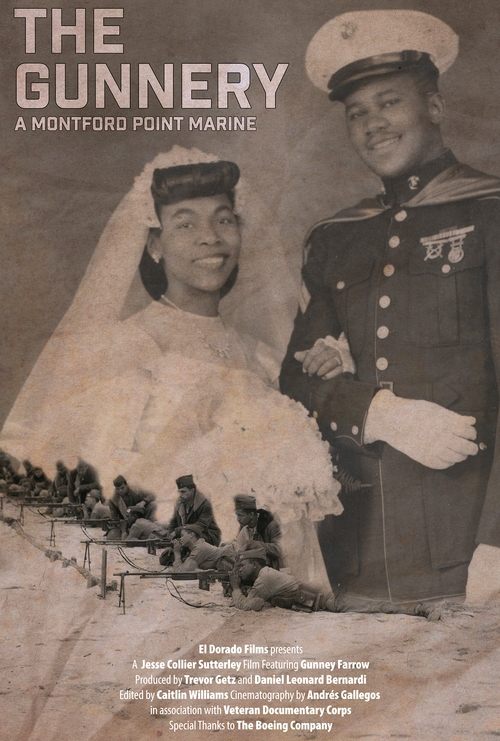
In this heartfelt short film by Jesse Collier Sutterley, Roosevelt Farrow, born in 1929 at the start of the Great Depression, shares his lifelong dream of becoming a U.S. Marine, despite the racial barriers of his time. Raised by his grandmother in humble conditions, he was inspired by the sight of Marines visiting his community. Farrow’s determination led him to join the Marine Corps, where he faced the challenges of Montford Point boot camp, eventually becoming an expert marksman and retiring as a Gunnery Sergeant. Although he never saw combat, a fact he attributed to his wife’s prayers, he realized the significance of his journey when he witnessed black officers rising in the ranks. Farrow's story is a testament to perseverance and the pursuit of one's dreams, encouraging others not to give up on their aspirations despite austere beginnings and social injustice.
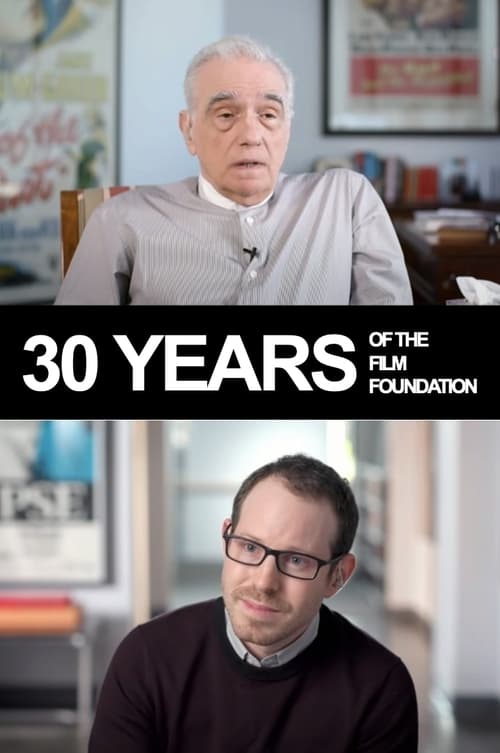
In the following conversation, recorded remotely in 2020, filmmakers Martin Scorsese and Ari Aster discuss the mission, evolution, and ongoing work of The Film Foundation, the nonprofit organization dedicated to protecting and preserving motion-picture history that Scorsese established in 1990.
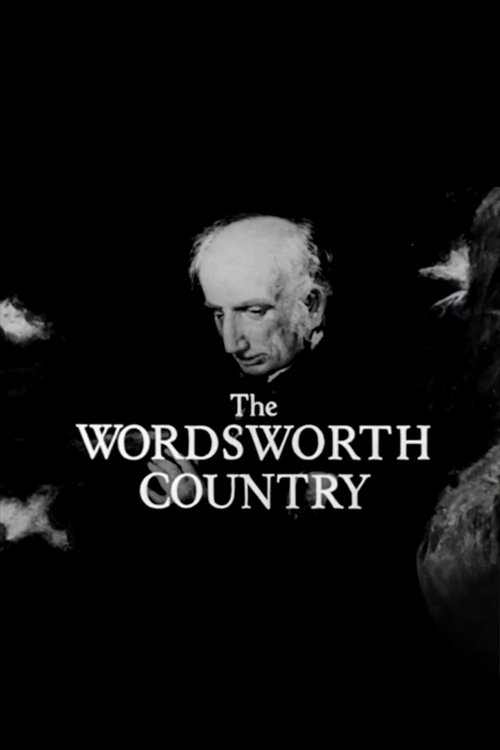
A look at the Lake District and its famous poet.
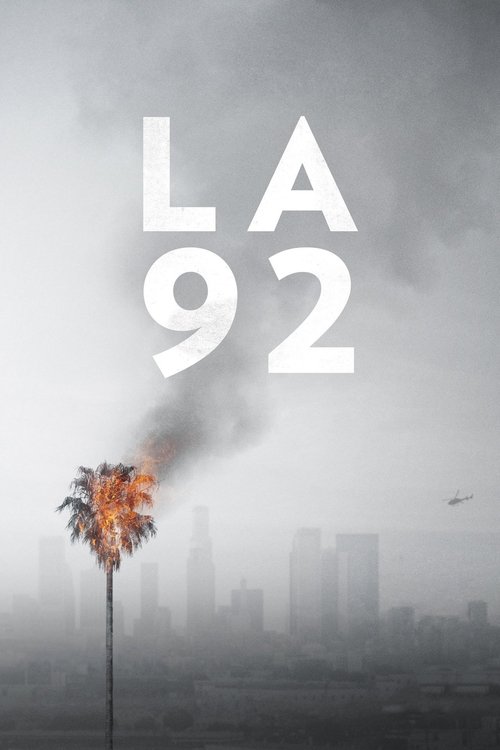
Twenty-five years after the verdict in the Rodney King trial sparked several days of protests, violence and looting in Los Angeles, LA 92 immerses viewers in that tumultuous period through stunning and rarely seen archival footage.
Celebrated author and Nation magazine sports editor Dave Zirin tackles the myth that the NFL was somehow free of politics before Colin Kaepernick and other Black NFL players took a knee.
Silent Impulses is a documentary portrait of a young woman who openly deals with taboo sexual deviations. The film reveals her inner world, the way she deals with this issue and how it affects her relationships and perception of herself.
A son makes a surprising discovery on his elderly parents' answering machine after his father's passing.
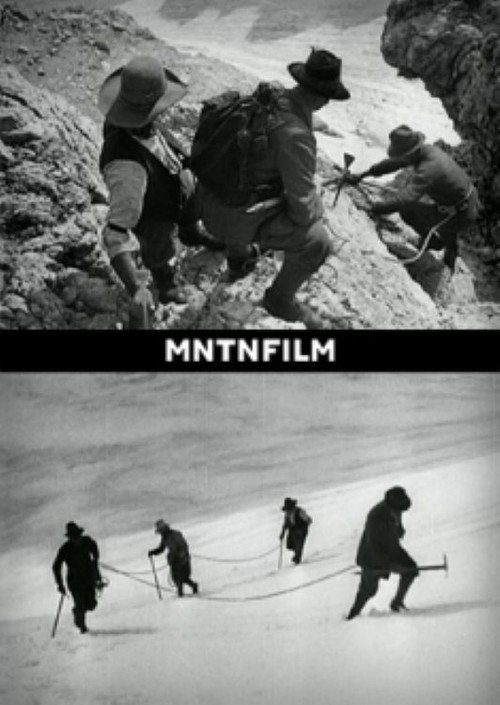
A scenic documentary record of a climb up to Mount Assiniboine, the 'American Matterhorn' in the Canadian Rockies.
Bryan Konietzko and Michael Dante DiMartino, co-creators of the hit television series, Avatar: The Last Airbender, reflect on the creation of the masterful series.
“Tragic Awakening: A New Look at the Oldest Hatred,” directed by Canadian-Israeli filmmaker Raphael Shore, interweaves historical analysis with contemporary events through the voices of clerics, historians, sociologists, and cultural commentators, including the late British Chief Rabbi Rabbi Jonathan Sacks, author Yossi Klein Halevi, Israel’s antisemitism envoy Michal Cotler-Wunsh, and journalists Bari Weiss and Douglas Murray. It argues that antisemitism stems not from a perception of Jewish inferiority, but rather from resentment of Jewish excellence and moral leadership.
An American story. Traces the career of Joe Louis (1914-1981) within the context of American racial consciousness: his difficulty getting big fights early in his career, the pride of African-Americans in his prowess, the shift of White sentiment toward Louis as Hitler came to power, Louis's patriotism during World War II, and the hounding of Louis by the IRS for the following 15 years. In his last years, he's a casino greeter, a drug user, and the occasional object of scorn for young Turks like Muhammad Ali. Appreciative comment comes from boxing scholars, Louis's son Joe Jr., friends, and icons like Maya Angelou, Dick Gregory, and Bill Cosby.
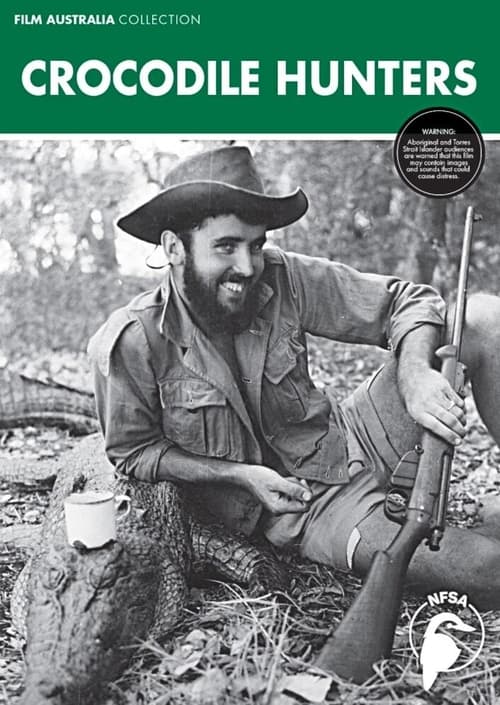
In the estuaries and lagoons of the Northern Territory, freshwater and saltwater crocodile are hunted for their hides by both Indigenous and non-Indigenous hunters. This film shows Aboriginal people using age-old hunting techniques to land crocs either for food or for skins. The methods employed by the professional hunters, who earn as much as 3000 pounds during the season, are also depicted, followed by a brief look at how the hides are skinned and prepared before being transported to the leather factories of Sydney and Melbourne.
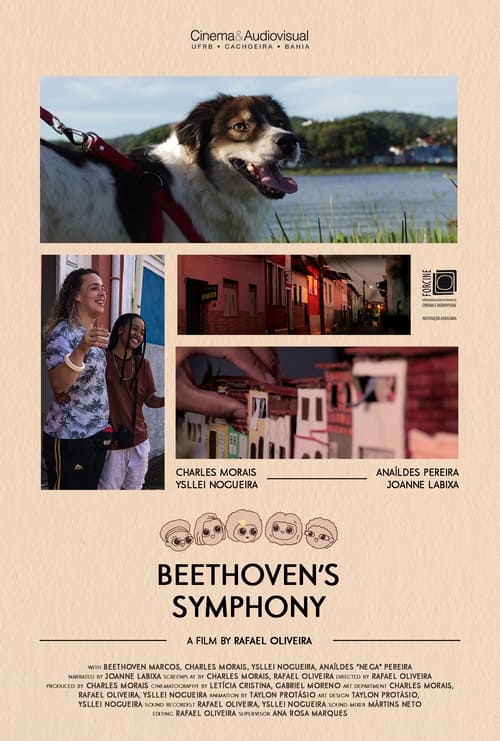
After constantly moving, two students finally find the opportunity to start a family by adopting a stray dog.