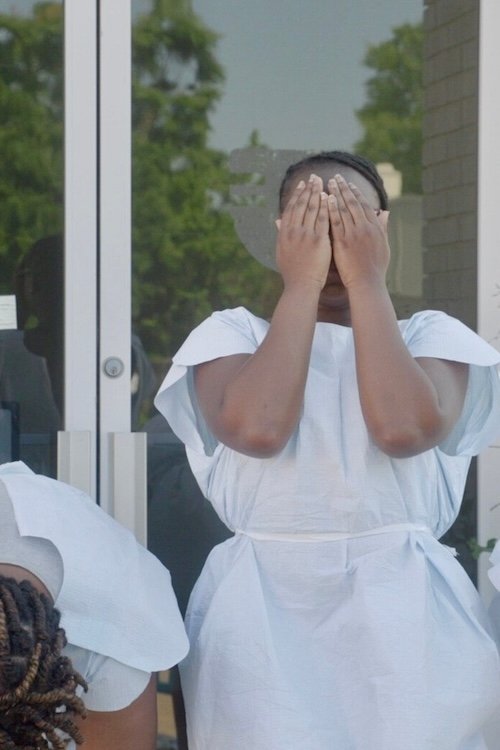
As the Arizona Supreme Court argues on whether to reinstate an abortion ban that originated in 1864, As Long As We Can offers a glimpse into the day-to-day activities of this, for now, still functioning clinic.
Three women intimately share how they faced the world and their own family when deciding to terminate a pregnancy.
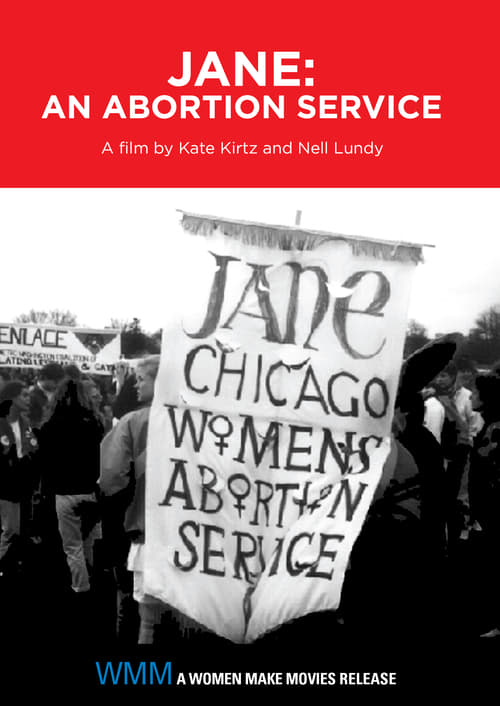
This fascinating political look at a little-known chapter in women's history tells the story of "Jane", the Chicago-based women's health group who performed nearly 12,000 safe illegal abortions between 1969 and 1973 with no formal medical training. As Jane members describe finding feminism and clients describe finding Jane, archival footage and recreations mingle to depict how the repression of the early sixties and social movements of the late sixties influenced this unique group. Both vital knowledge and meditation on the process of empowerment, Jane: An Abortion Service showcases the importance of preserving women's knowledge in the face of revisionist history. JANE: AN ABORTION SERVICE was funded by the Independent Television Service (ITVS) with funds provided by the Corporation for Public Broadcasting.
"Have you ever regret about not having kids?" - "Yes, I have, Sometimes"
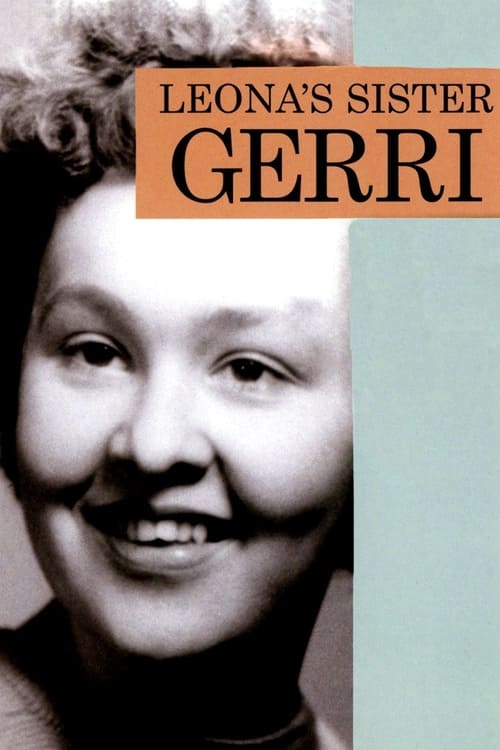
Millions have seen the photograph, and no one who has seen it will ever forget it. A naked woman, dead from a botched illegal abortion, lying on a motel room floor. The picture appeared in Ms. Magazine in April 1973, and quickly became a symbol for the abortion rights movement. LEONA'S SISTER GERRI tells the dramatic story of Gerri Santoro, a mother of two and the "real person" in the now famous photo. Should the media have used this image? What circumstances led to Gerri's tragic death? Powerfully addressing issues of reproductive rights and domestic violence, this video is a moving portrait of Gerri Santoro's life and society's response to her death.
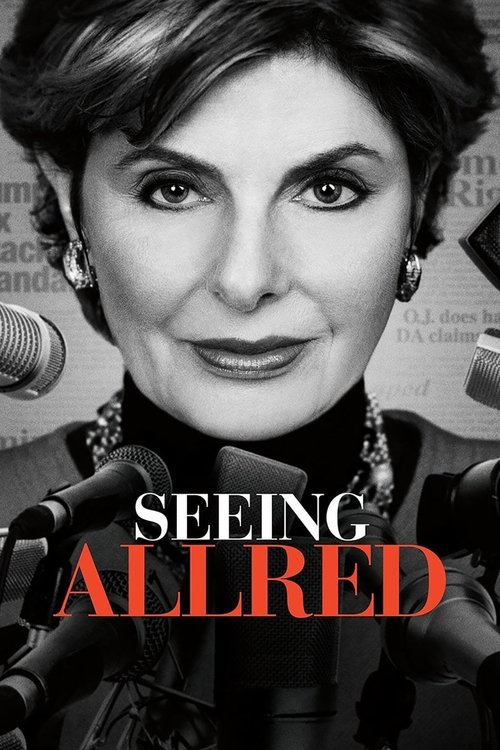
Gloria Allred overcame trauma and personal setbacks to become one of the nation’s most famous women’s rights attorneys. Now the feminist firebrand takes on two of the biggest adversaries of her career, Bill Cosby and Donald Trump, as sexual violence allegations grip the nation and keep her in the spotlight.
Four people - Brittany, Hannah, Nick, and Ylonda - tell their stories about how access to abortion in their community helped them empower themselves to lead lives they want to live.
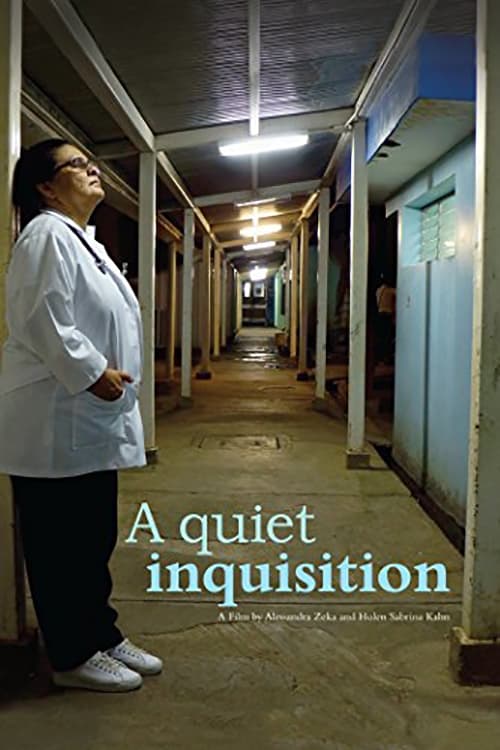
At a public hospital in Nicaragua, Ob/Gyn Dr. Carla Cerrato must choose between following a law that bans all abortions and endangers her patients or taking a risk and providing the care that she knows can save a woman's life. In 2007, Dr. Cerrato’s daily routine took a detour. The newly elected government of Daniel Ortega, a former Marxist revolutionary who converted to Catholicism to win votes, overturned a 130-year-old law protecting therapeutic abortion. The new law entirely prohibits abortion, even in cases of rape, incest, or when a woman’s life is at stake. As Carla and her colleagues navigate this dangerous dilemma, the impact of this law emerges—illuminating the tangible reality of prohibition against the backdrop of a political, religious, and historically complex national identity. The emotional core of the story—the experiences and situations of the young women and girls who are seeking care—illustrate the ethical implications of one doctor's response.
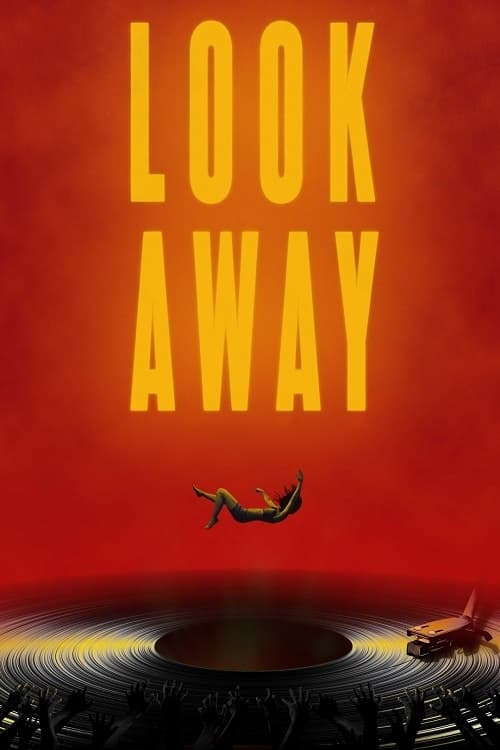
Interviews from women involved in the 70's and 80's rock music industry. An examination of the people taking advantage of underage fans and calling for a "Me too" movement in the music world
This film is made up of interviews from preteens to adults discussing their thoughts and feelings on sex, relationships, and parenting in relation to teen pregnancy.
A poetic and reflexive documentary approach to reproductive healthcare access in North Carolina, specifically on Indigenous reservations.
An intensely personal exploration of an explosive issue -- abortion in America. Wrenching first-person narratives from seven decades of women, each one facing an unplanned pregnancy -- and the dreadful decision that no one wants to make. Both pro-life and pro-choice, both out front on the picket line and inside the clinic, these women's stories turn politics into heart-searing drama: a pregnant 17-year-old and her pro-life mother whose conflict unfolds in front of the camera; a 22-year-old who became a pro-life protester when she learned that her mother nearly aborted her; an unhappy mother-of-two who's expecting a third when her marriage suddenly hits the rocks; a 71-year-old grandmother who still grieves for her mother, an early victim of illegal abortion. In this fusion of past and present, the history of abortion is the history of women -- told at a time in America when yesterday's back-alley abortions may be the only choice left for tomorrow.
Intimate confessions, paired with experimental choreography outside a woman’s clinic in Memphis, offer a glimpse into post Roe v. Wade America.
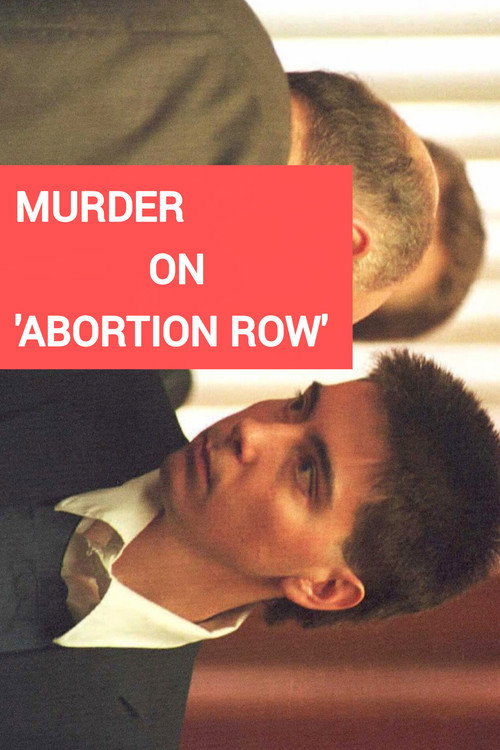
FRONTLINE follows the intersecting lives of twenty-two-year-old antiabortionist, John Salvi III, charged with murder in the armed attacks on two Massachusetts health clinics, and his victims, Shannon Lowney and Leanne Nichols. Through in-depth, personal interviews with family members and friends, clinic employees, police, Pro-Life and Pro-Choice protesters, witnesses, and religious leader Cardinal Bernard Law of Boston, the film draws a portrait of what led to Salvi’s brutal acts of violence. From the producers of ‘Romeo and Juliet in Sarajevo,’ this two-hour program crosses the emotionally charged terrain of the abortion battle.