Partly figurative, partly abstract, Drux Flux is an animation film of fast-flowing images showing modern people crushed by industry. Inspired by One-Dimensional Man by the philosopher Herbert Marcus…
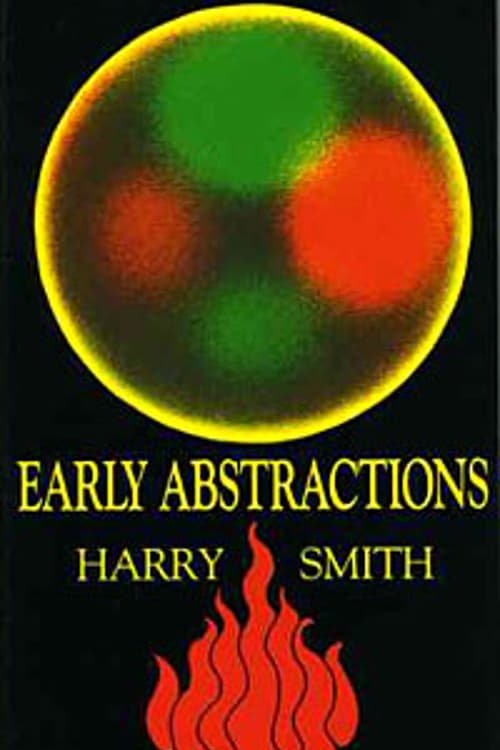
Early Abstractions is a collection of seven short animated films created by Harry Everett Smith between 1939 and 1956. Each film is between two and six minutes long, and is named according to the chronological order in which it was made. The collection includes Numbers 1–5, 7, and 10.
"Marx was born in Queensland, Australia, and was a landscape painter and model there before moving to San Francisco. However, when she arrived, she found herself in the midst of fascinating non-objective painting and filmmaking activity. She was greatly influenced by the work of Harry Smith and Jordan Belson, and changed her own style to non-objective, receiving graphic inspiration from Jungian brain drawings, symbols in the occult sciences, and the design used by Eastern cultures, all of which being important elements in the San Francisco school mystical school of non-objective art." -Robert Pike, A Critical Study of the West Coast Experimental Film Movement. Preserved by the Academy Film Archive in 2000.
An experimental visual piece delving into concepts like afterlife and existence in an abstract but accessible way.
Abiogenesis within machinery. New life begins and strives - before being cut short.
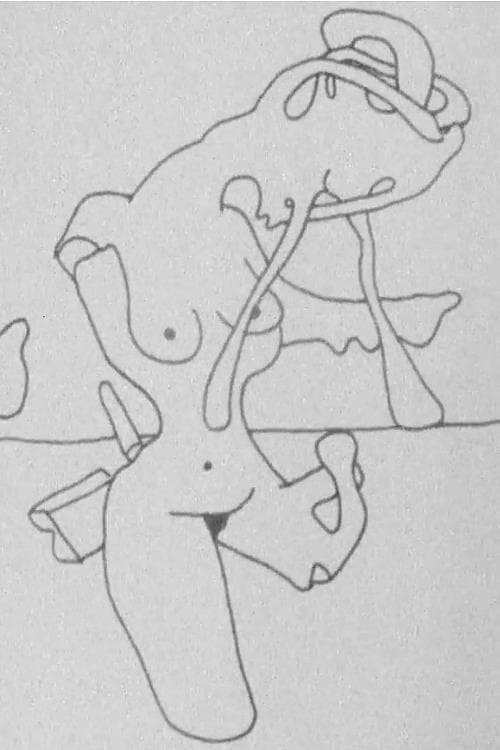
Life in the Atom was never completed, but the existing version was digitally restored in 2009. The film depicts an ever-changing world inhabited by a man and woman engaged in surreal, erotic contortions. Their bodies are in a constant state of metamorphosis, as if to indicate psychological states or inner reflection as they contemplate their connection; they are being transported, transcending, merging and melting. Preserved by the Academy Film Archive, in partnership with iotaCenter, in 2009.
The animation referred to as Early Animations or Quacked Jokes is an anomaly among Beckett's films. It was probably not intended to be shown outside of his sphere of friends, being a collection of early experiments and directions. While lacking the sophistication and artistry that is found in his six finished works, this film provides invaluable insight into his first attempts at animation and clues to some of his later work. Preserved by the Academy Film Archive in partnership with iotaCenter and National Film Preservation Foundation in 2007.
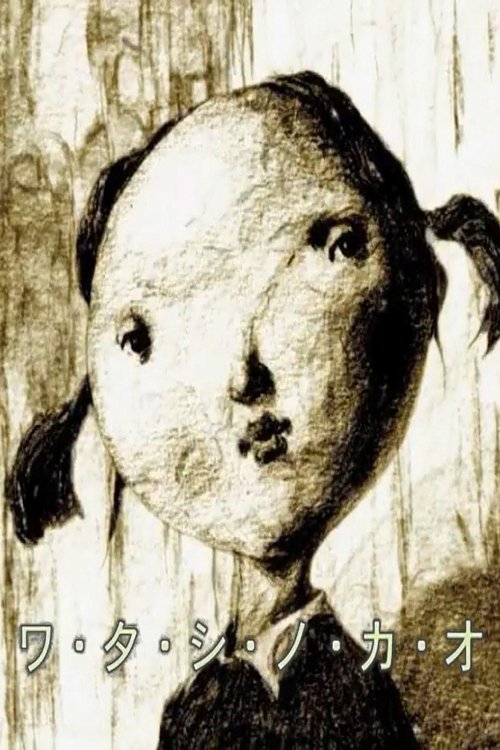
Abstract horror short about a girl's face.
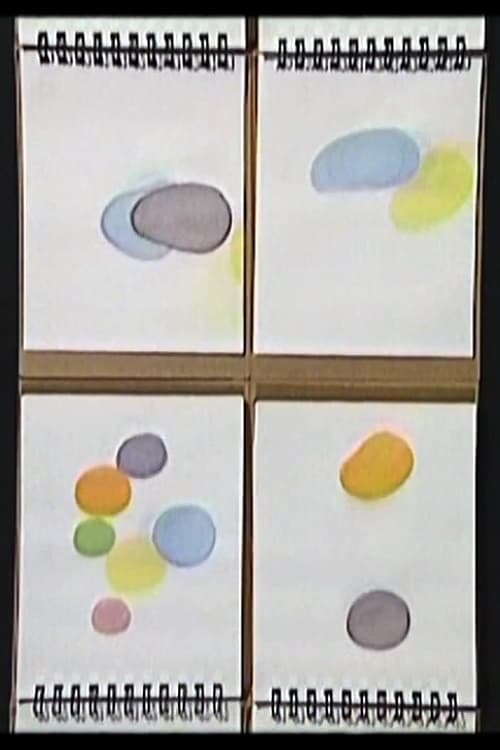
The very first film in which Maya Yonesho tried to show her thoughts. Even just circles may be able to show emotions as a person in animation. The main circle (character) is slightly pinker than the other grey circles (people) and she thought she was very special. But she is very grey in a colourful world. She will find out that grey is not just a boring colour.
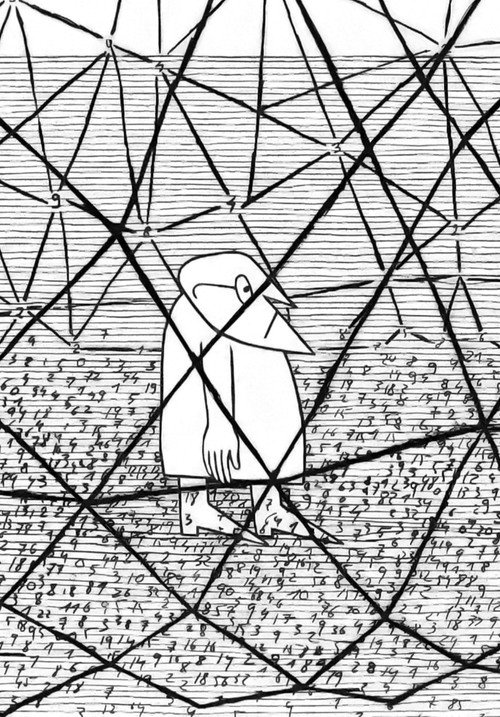
Man's rebellion against the world of the digits.
Trapped between the frames of time.
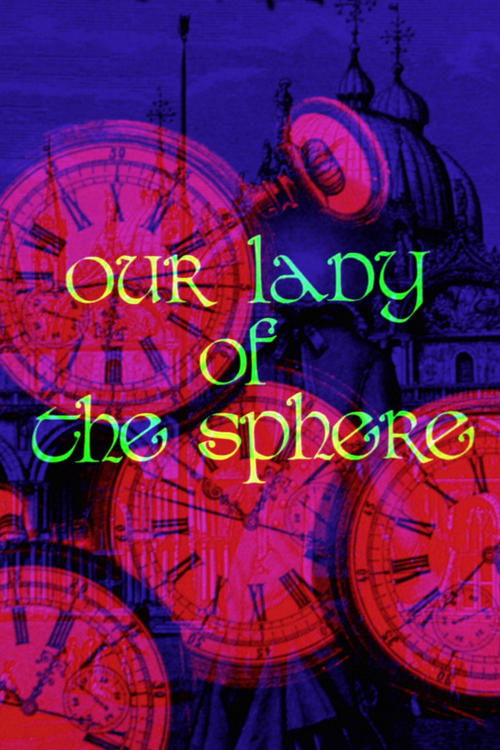
Our Lady of the Sphere uses cut-out animation to craft a bizarre science fiction experiment. Moving spheres, such as balloons and bubbles, are superimposed on static backgrounds to suggest travel and discovery.
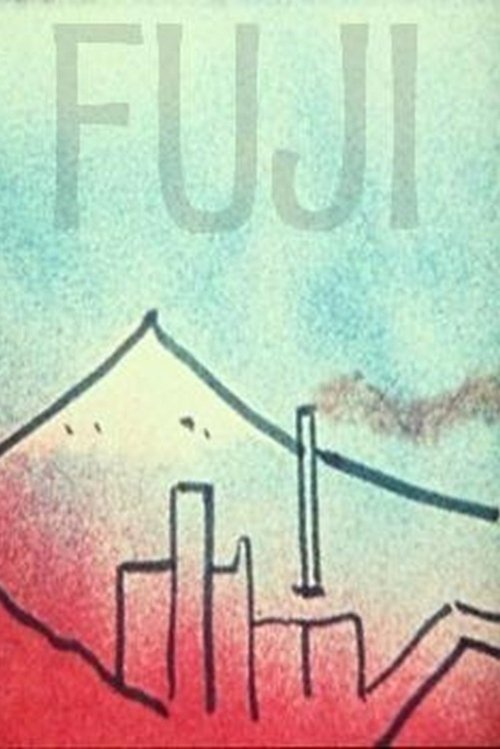
A live action footage of a smiling, bespectacled (presumably) Western tourist set against the familiar cadence of an accelerating train revving up as it leaves the station sets the mesmerizing tone for the film's abstract panoramic survey of an Ozu-esque Japanese landscape of electrical power lines, passing trains, railroad tracks, and the gentle slope of obliquely peaked, uniform rooflines as Breer distills the essential geometry of Mount Fuji into a collage of acute angles and converging (and bifurcating) lines .
Here the artist creates a world of color, form, movement and sound in which the elements are in a state of controllable flux, the two materials (visual and aural) are subject to any conceivable interrelation and modification.
100 basic images switching positions for 4000 frames.
A short animation about identity.
Rolling animated images of kaleidoscopic heads, skeletons and other absurdities. Abstact, surreal and darkly comic. This short was Run Wrake's (as J.M. Wrake) graduation film from The Royal College of Art, 1990
Animation short by Alina Maliszewska.
"An exciting experiment in the tradition of Oskar Fischinger (Komposition in Blau, 1935), Dwinell Grant (Composition No. 1, 1940) and Slavko Vorkapich (Abstract Experiment in Kodachrome, 1950s). Max Hattler presents a well-done interaction between music and moving images. Space is turned upside down and the animated objects become faceless dancers in a constructivist ballet." Vienna Independent Shorts 2010, jury statement by Anton Fuxjäger