Only a handful of Yiddish poets remain alive. Chava Alberstein sets out to interview those last writers of Yiddish poetry, to hear their poems and stories. Along the way, she sings a collection of Yiddish folk songs.
Chava Alberstein
as Self
This documentary highlights the evolution of Brazil's Circo Voador venue from homespun artists' performance space to national cultural institution.
Documentary about the Venezuelan poet Armando Rojas Guardia.
Five gay Black men who are HIV-positive discuss how they are battling the double stigmas surrounding their infection and homosexuality.
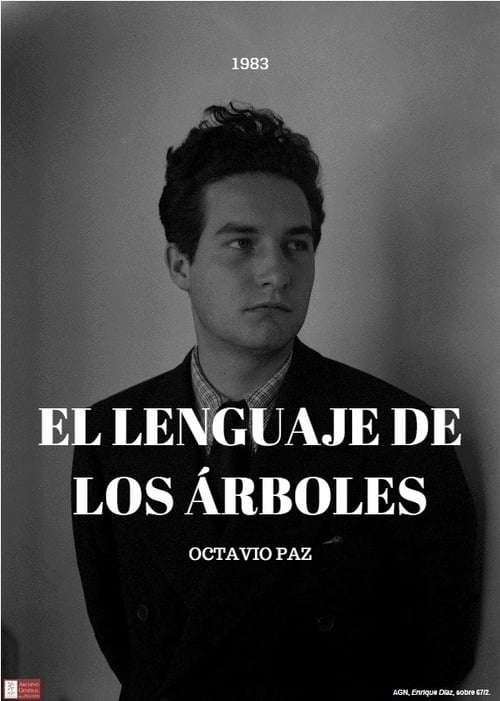
An exploration on Paz's poetry by Paz himself, his childhood, his ideas about love and the nature of art
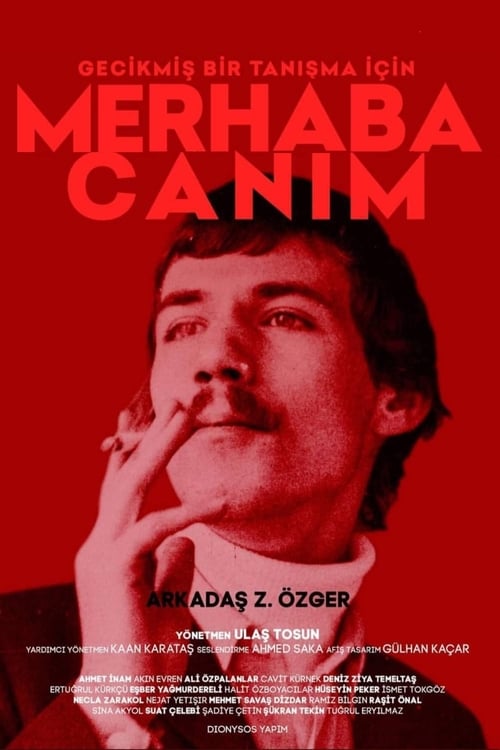
The documentary is titled after Arkadaş Z. Özger’s poem “Hello My Dear” which had caused much controversy in the period it was first published. Considered to be in defiance of heteronormativity, the said poem includes references to the poet’s personality, his family, his relationship to the society, and his “unexpected” death, which came three years after its publication. Today, 50 years after it was written, the documentary follows these same lines in the poem utilising cinematic elements. The documentary also rediscovers the poetics; reaches out to the family, the comrades, the friendships, departing from the official historical accounts, cognizant of his experience of otherness, in pursuit of the “lost” portrait of Arkadaş Z. Özger.
In Song of Myself (Section 51) we meet Thomas Michael Smith- a retired social worker, sign language interpreter, openly gay deacon in the Catholic church, and part time drag queen. Over a tour of his space, he shares what life containing multitudes looks like for him.
A lowly bookkeeper (me), shot entirely on videotape (Sony Hi8), recites a poem about Tuesdays (derived from Old English Tiwesdæg, meaning ‘day of Tiw’ (the Norse god of law)). More info here: https://en.tuespedia.org/wiki/Tuesday
Conversations with four people — an artist, a woman struggling with her identity as a high achiever, an actor, and a priest — exploring their inner worlds, their self-image and how they feel they fit into society. Are all of them acting, or only Sam Neill? The film features readings from Ash Wednesday, the poem written by TS Eliot after converting to anglicanism.
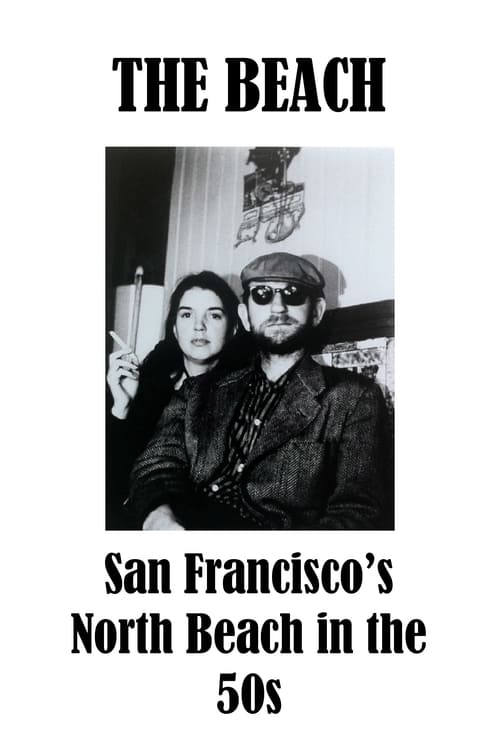
San Francisco's North Beach in the 50's - A mix of jazz, poetry and art - The Beach recreates the atmosphere that prevailed through first-hand accounts from the actual "players" along with photographs and artwork from that vibrant time.
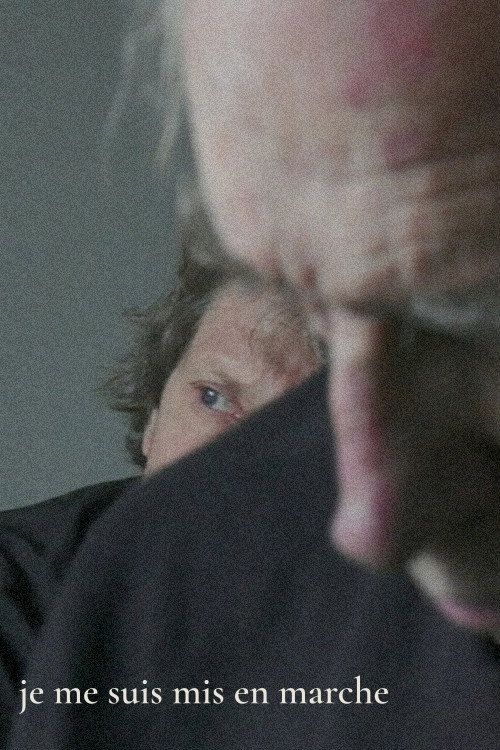
In the 1980s, writer, poet, radio personality and football enthusiast Franck Venaille is diagnosed with Parkinson's disease. He decides to travel the length of the Scheldt river, to dip his hands in its source, and brings back the long epic poem La Descente de l'Escaut. Today, the disease has progressed, but Venaille still spends much of his time working in the study where he wrote the text. Je me suis en marche is both a road movie weaving together the poem, Venaille now and during his journey, and a documentary adaptation of the epic odyssey of a sick man retracing a river across 450 kilometres.
Eldar Ryazanov reads his poetry. An introspective movie on his multifaceted work.
Cacaso, a Brazilian poet, lived in Rio de Janeiro. Born Antonio Carlos de Brito (1944-1987) he was one of the leaders of the marginal poetry movement. Cacaso filled notebooks not only with poems but reflections, drawings and collages. He also became a lyricist and partner of celebrated songwriters such as Tom Jobim, Edu Lobo, Toninho Horta, João Donato and Sivuca.
Jo; or The Act of Riding a Bike is Zefier's third film.
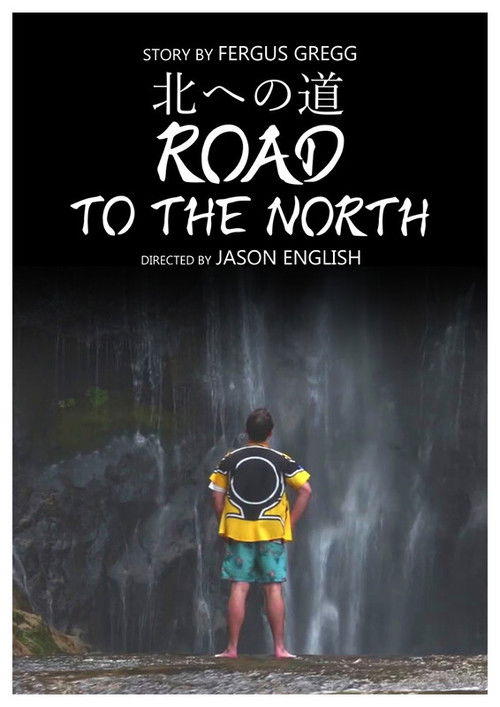
After nearly three years living in Japan, Fergus Gregg finds himself struggling to bid farewell to this beautiful country. On a journey tracing the path of his hero, the poet Matsuo Basho, Fergus decides to trek the northern landscapes of Tohoku. As he travels, he encounters more than he bargained for - facing setbacks, meetings with traditional hunter-gathers, and dances at northern Japan's largest Summer festival. Join Fergus Gregg on his 'Road to the North'.
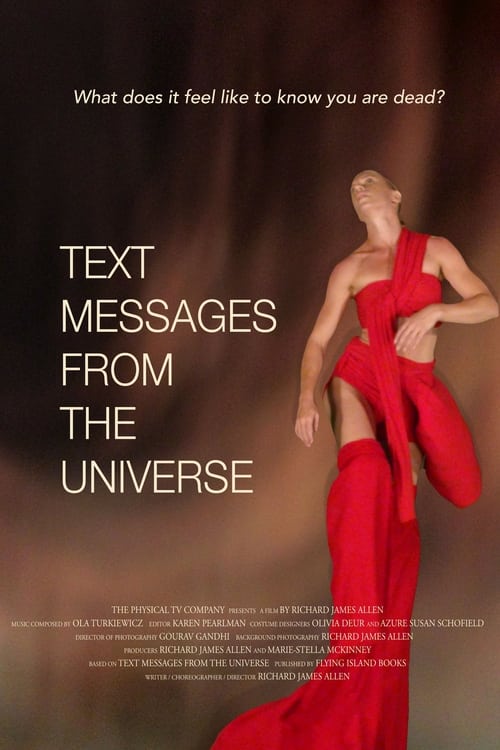
A film that immerses its audience in subjective states of consciousness they might experience when they die, imagining what they can see and think and hear in a seamless but fragmentary flow of poetic images, words and music. The viewer undertakes a journey into their own interior world of dreams and projections in which time and space, and cause and effect logic, are turned on their heads. Text Messages from the Universe is inspired by The Tibetan Book of the Dead, a text which guides souls on their journey of 49 days through the 'Bardo', or intermediate state, between dying and rebirth.
A poem about mania written by Omar Zefier. His second film.