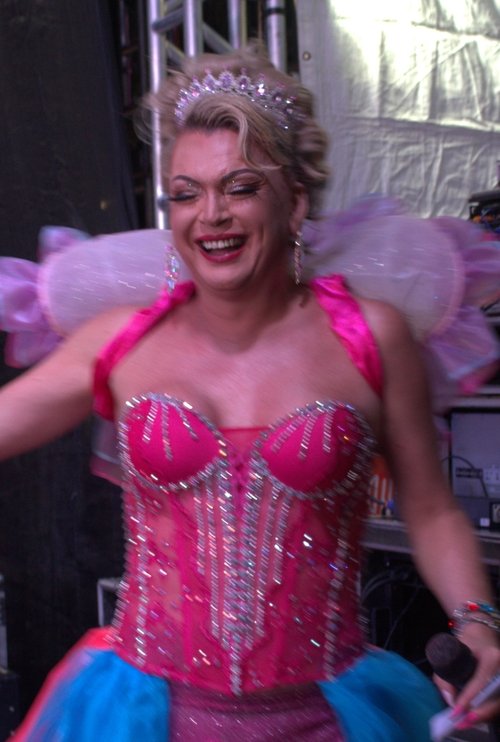
Ballroom voguing has fiercely swept across the world becoming a global phenomenon. Against the backdrop of Spain's contemporary ballroom scene, Jayce and a growing group of Black trans folks have emerged to reclaim the space.
Jayce Bodega
as Self
The original documentary on the Wigstock festival, back in the day when it was a much smaller affair in Thompkins Square Park. A full day of peace, love, and wigs…
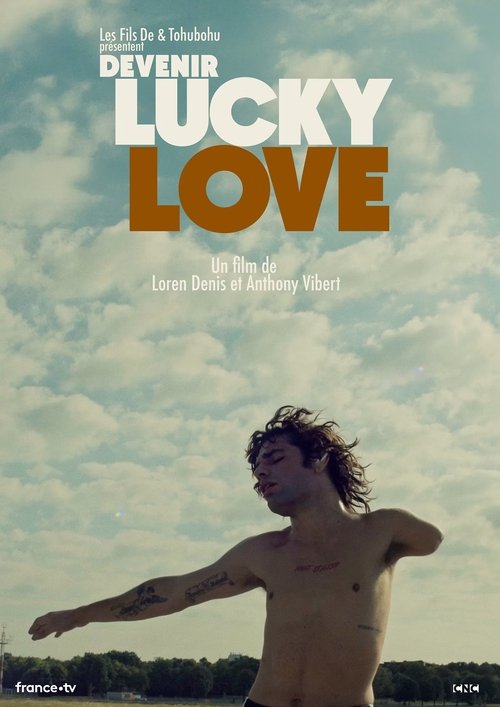
He was born different, and chose to become unique. Becoming Lucky Love follows how Luc Bruyère turned his “flaw” into strength and his life into an act of creation. Born without his left arm, he faced the violence of people’s gaze from childhood, sinking into shame and self-destruction. “I was born homosexual, without a left arm — I didn’t fit what a man was expected to be: a figure without nuance, categorical,” Luc confides. Instead of giving up, he chose to transform himself and become what he had always dreamed of: a singer and performer. With his angelic face and magnetic presence, nothing seems to resist him — yet his blazing loves and excesses marked him deeply. Now, on the verge of turning 30, he looks back without filters. Becoming Lucky Love paints the portrait of an avant-garde, captivating outsider who proves that destiny can be endlessly reinvented through strength, poetry, and self-invention.
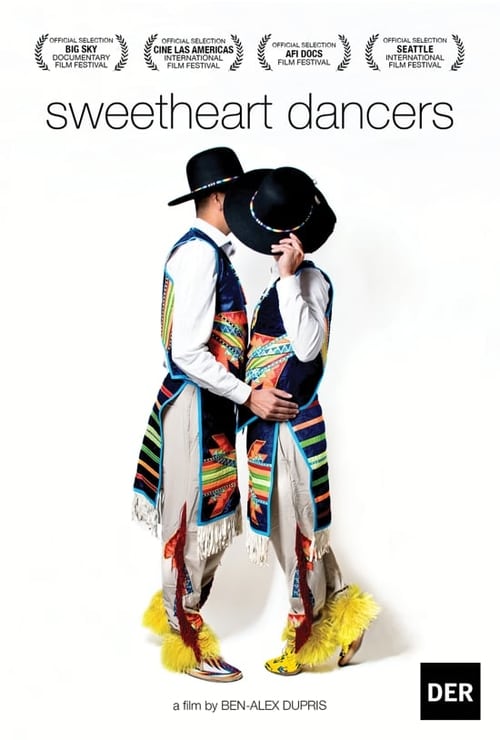
Sean and Adrian, a Two-Spirit couple, are determined to rewrite the rules of Native American culture through their participation in the “Sweetheart Dance.” This celebratory contest is held at powwows across the country, primarily for heterosexual couples … until now.
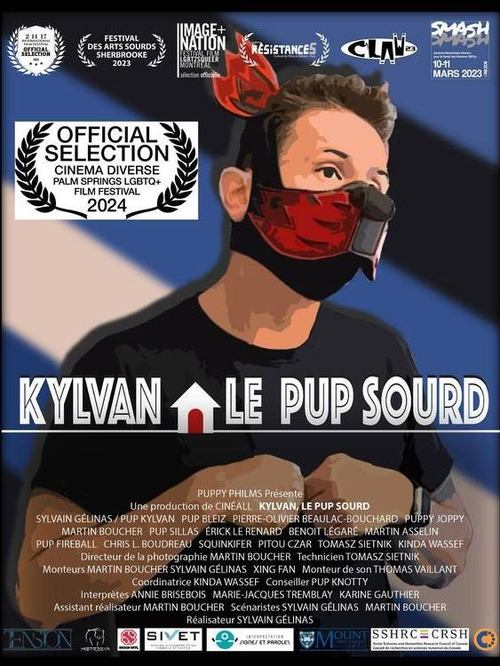
Kelvan describes his daily life as a deaf person in Montreal, with one small detail: he's part of the puppy community. Puppy-Play is a kind of role-playing game in which you adopt the personality and mentality of an animal, and is present in the LGBTQueer+ community.
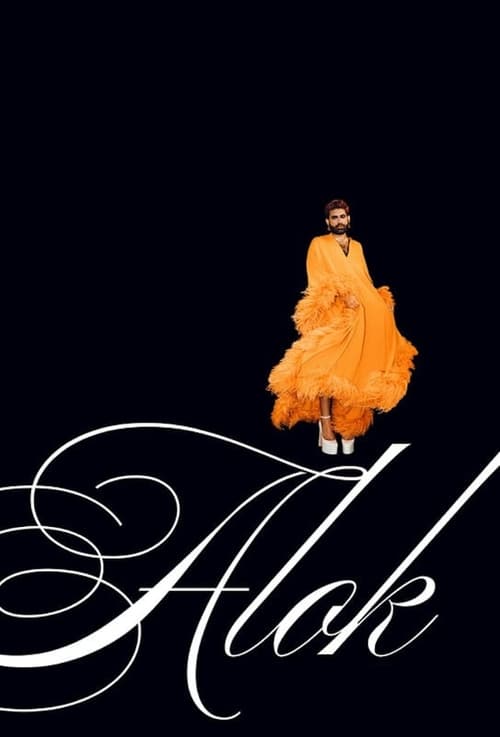
A compelling portrait of ALOK, acclaimed nonbinary author, poet, comedian, and public speaker.
A documentary that proposes to create a dialogue between LGTBQ+ of different ages to show and discuss the challenges of aging as part of this community.
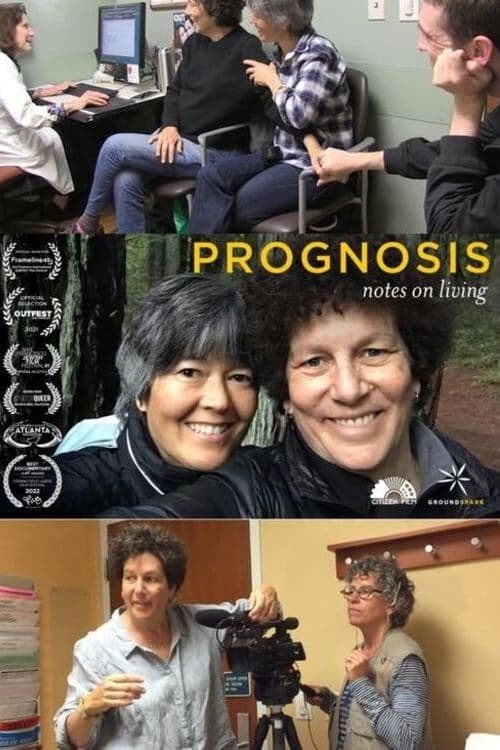
When filmmaker Debra Chasnoff faces stage-4 cancer, she turns her lens on herself and the disease. What emerges is a portrait of her extended LGBTQ family —a story about hanging on while letting go.
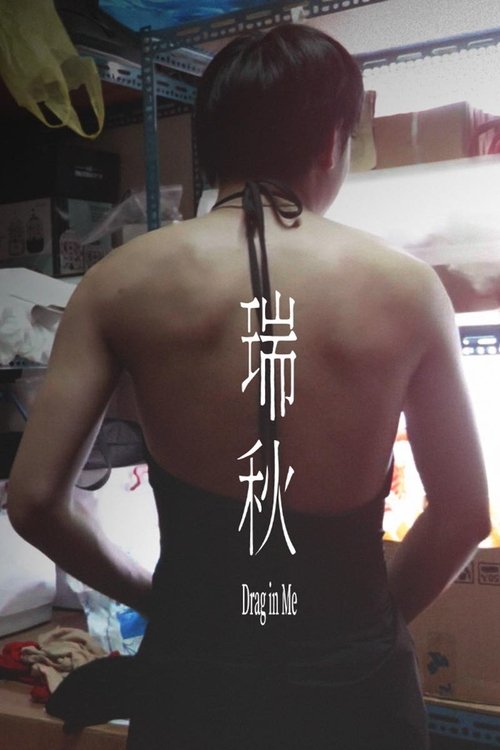
A student, initially serving as a director, filmed his LGBTQ+ teacher but eventually became personally involved in drag. What began as an observer's stance transformed into active participation in drag. Through self-engagement in drag, the director assumed the identity of Rachel and seized an opportunity for a dialogue with self-identity. This experience led to an awareness of the conflicting dialectics between societal frameworks and personal identity. The director embarked on multiple attempts to coexist with and showcase the multifaceted aspects of the transformed, drag persona.
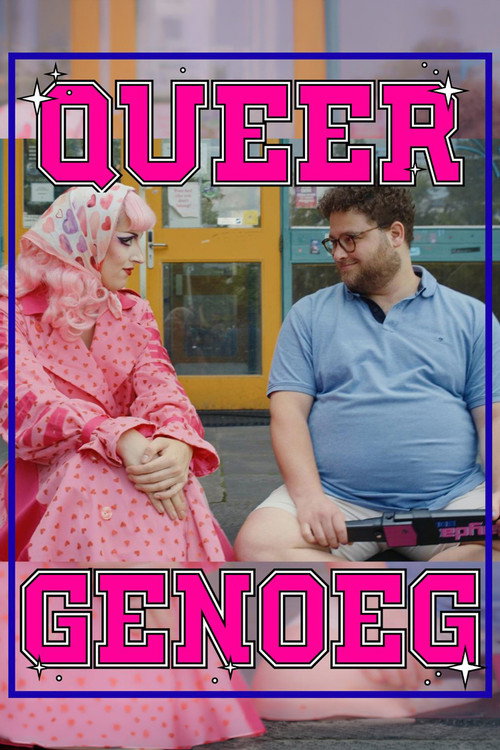
In an Amsterdam gym for queer people, three individuals confront doubts about their belonging. David, often read as straight due to his style and body type, feels undesired and questions if he “counts.” Qianyu, nonbinary, struggles with invisibility as queer nightlife favors cis gay men, and past health issues make joining the gym daunting. Barbara, 67 and bisexual, wonders if she still belongs after past rejection by parts of the lesbian community. Through candid conversations and colourful, sometimes absurd fictional scenes, their insecurities and longing for acceptance are explored. Ultimately, the gym becomes a space of vulnerability, solidarity, and self‑realization, helping them see that they are indeed “queer enough.
As a sci-fi obsessed woman living in near isolation, Beverly Glenn-Copeland wrote and self-released Keyboard Fantasies in Huntsville, Ontario back in 1986. Recorded in an Atari-powered home-studio, the cassette featured seven tracks of a curious folk-electronica hybrid, a sound realized far before its time. Three decades on, the musician – now Glenn Copeland – began to receive emails from people across the world, thanking him for the music they’d recently discovered.
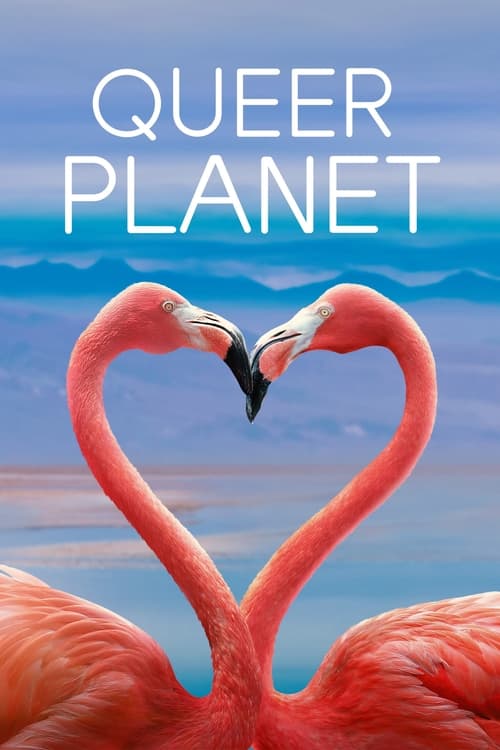
When it comes to 'what Mother Nature intended', it turns out she was pretty open-minded. In this vivid, funny and eye-opening one-off doc we take the audience on a journey to explore the rich diversity of animal sexuality.
The life story of Charlotte von Mahlsdorf, who survived the Nazi reign as a trans woman and helped start the German gay liberation movement. Documentary with some dramatized scenes. Two actors play the young and middle aged Charlotte and she plays herself in the later years.
A mini documentary about the untold contributions lesbians made during the A.I.D.S epidemic.
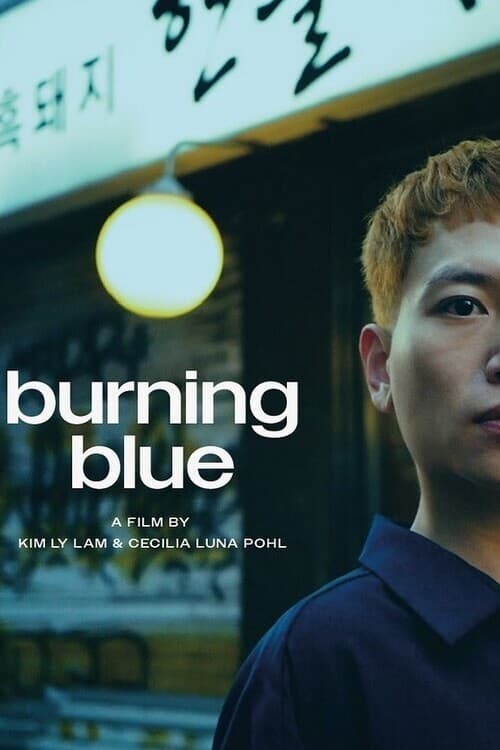
Pilgyu Shin has a dream: As a gay activist, he wants to enforce the anti-discrimination law in South Korea. In Seoul, he encounters a parallel society in which many queers hide and pretend to be heterosexual. The reason: Christian churches are gathering thousands of members around them in order to threaten the LGBTQ+ community. With their money and influence, they can steer politics. “Burning Blue“ portrays twelve people who stand up against these authorities. It is a battle against time, as they lose more and more members of their community to suicide. Yet dividing barriers keep growing bigger and bigger within their own circle. In a country that stigmatizes minorities and their mental health, the struggle for visibility pushes queer resistance to its limits. The film shines a spotlight on the abuse of power in the church and the growing transphobia in the LGBTQ+ community in South Korea. And it poses the question: Can there ever be a real safe space?
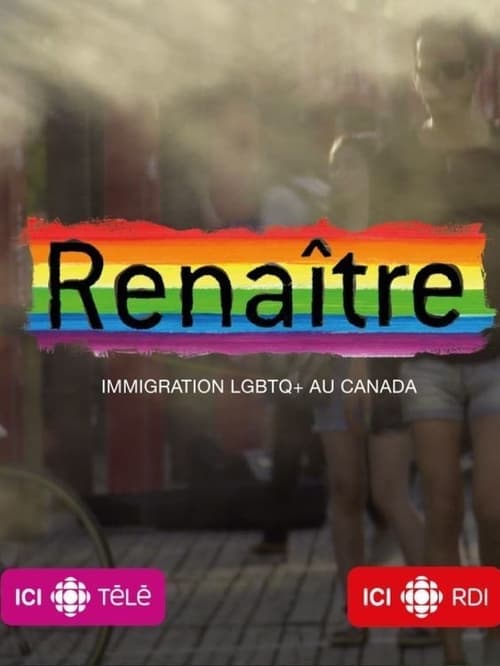
Canada as a refuge for LBGTQ+ immigrants: Yazan from Iraq, Nata from Central Africa, Aida from Iran and Eilyn from Colombia all had to flee their homelands, where violence, threats, hate and rejection prevented them from living their lives and expressing their sexual orientation openly. All they wanted was to be free. From Beirut to Montreal, Quebec City or Vancouver, this ensemble documentary follows the journeys of four people who are determined to change their future. From the terrifying realities they had to flee to the heartbreaking sacrifices they were forced to make, Renaître is a vibrant and luminous tribute to their quiet strength.
The film follows the story of Jamie, a struggling butch lesbian actress who gets cast as a man in a film. The main plot is a romantic comedy between Jamie's male alter-ego, "Male Jamie," and Jill, a heterosexual woman on set. The film's subplots include Jamie's bisexual roommate Lola and her cat actor Howard, Lola's abrasive butch German girlfriend Andi, and Jamie's gay Asian friend David.
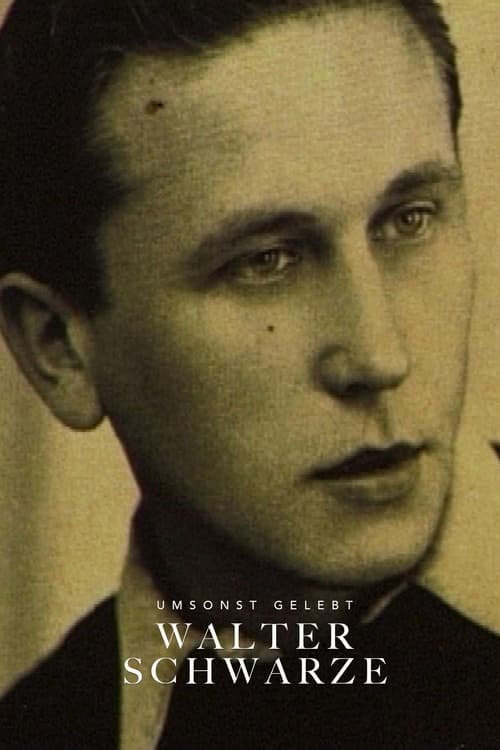
“This film is part of a series of films on gay men who survived the Nazi era. I met Walter Schwarze when he was already in his eighties. My camera recorded his first public account of his five-year incarceration as a homosexual at Sachsenhausen concentration camp. He was in his fifties when he met Ali in his hometown of Leipzig; the two men became partners and remained close until his demise. And yet, Walter told me, he felt he had lived in vain because he had not had the good fortune of today's gays, who are able to grow up in freedom. Walter Schwarze died of cancer on May 10, 1998.” Rosa von Praunheim
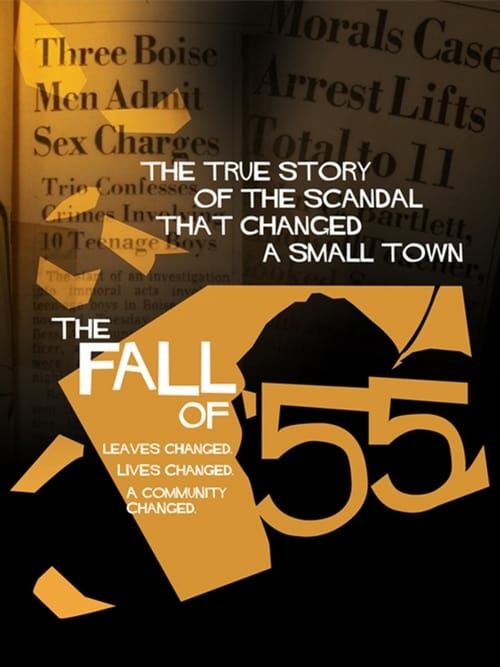
In late 1955 and early 1956, the citizens of Boise, Idaho believed there was a menace in their midst. On Halloween, investigators arrested three men on charges of having sex with teenage boys. The investigators claimed the arrests were just the tip of the iceberg-they said hundreds of boys were being abused as part of a child sex ring. There was no such ring, but the result was a widespread investigation which some people consider a witch hunt. By the time the investigation ended, 16 men were charged. Countless other lives were also touched.In some cases, men implicated fled the area. At least one actually left the country. The investigation attracted attention in newspapers across the nation, including Time Magazine. The "Morals Drive" left scars which remain to this day.
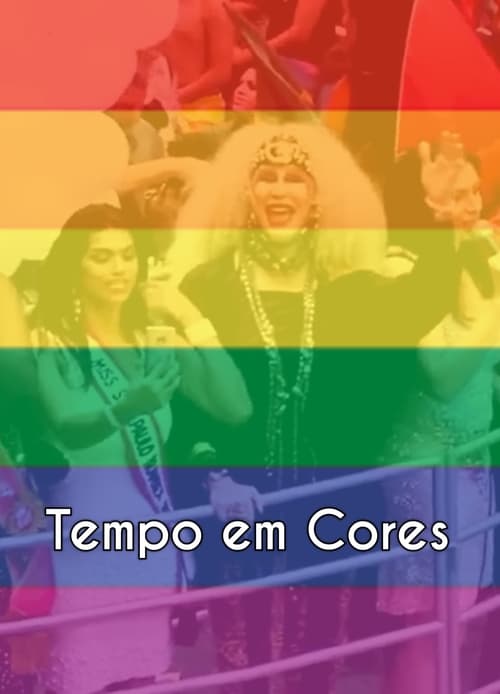
In the form of a documentary, this Final Year Coursework chronicles the career of Selma Light, a transgender woman, drag queen, and activist, a prominent voice in the LGBTQIA+ movement in Florianópolis, Santa Catarina. The construction of the biographical narrative revisits key moments in Selma's career, such as when she traveled with theater companies, her first time as a drag queen, and her debut as a performance artist. Her personal life is also explored, from her childhood in the countryside of Rio Grande do Sul to her acceptance of her gender identity. Her current work adds a new challenge to the struggle of the LGBTQIA+ community in the capital of Santa Catarina: she holds a public office, never before held by a trans person. She has the decision-making power to advance the struggle of the LGBTQIA+ community in the capital of Santa Catarina.
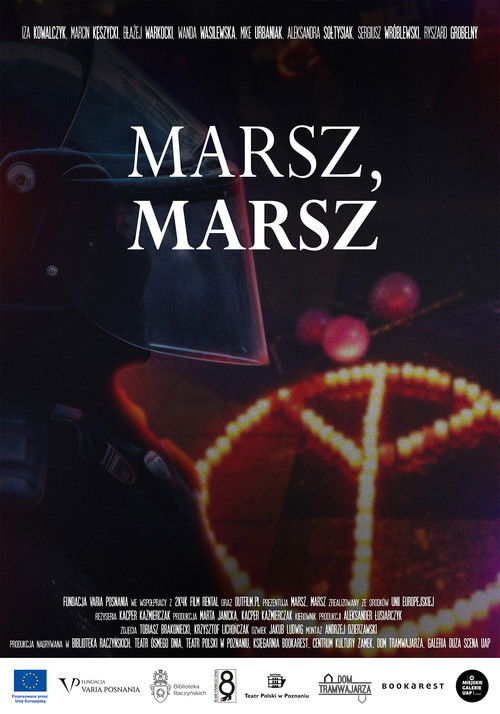
A Polish documentary that explores the early history of Pride marches in Poznań and the struggle for LGBTQ+ equality in Poland. It focuses on the contrast between the city’s 2020s identity as a so-called “Rainbow Capital of Poland” and its much harsher past when marches were rare and fraught with conflict. The film reflects on a first Pride march marked by a small group of around 200 people attempting to advance under heavy police presence, unable to walk more than 100 meters and facing aggressive suppression.