A travel documentary about the ship "Macedonia" which sets sail from the port of Rijeka, travels along the Mediterranean Sea stopping at Alexandria, Genova, Marseilles, Algiers and arrives at the final destination in New York.
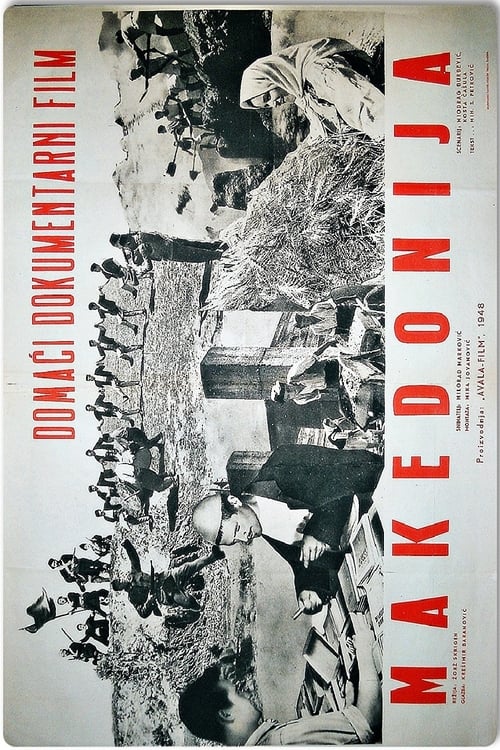
A documentary about the Balkan country.
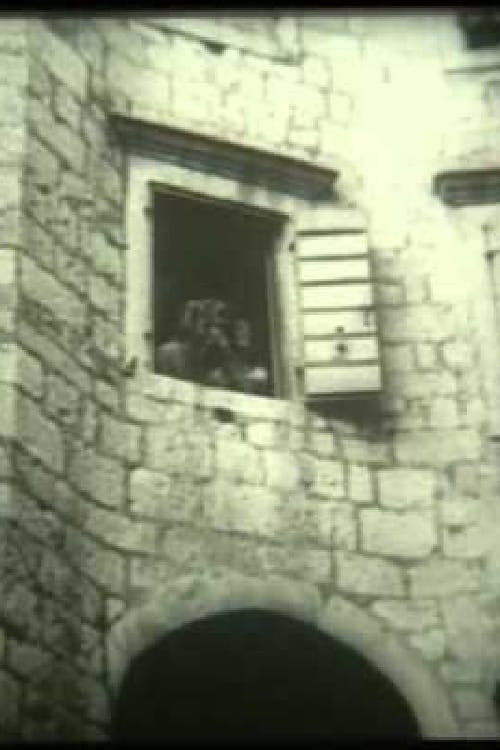
Shots of windows across Croatian coastal towns.
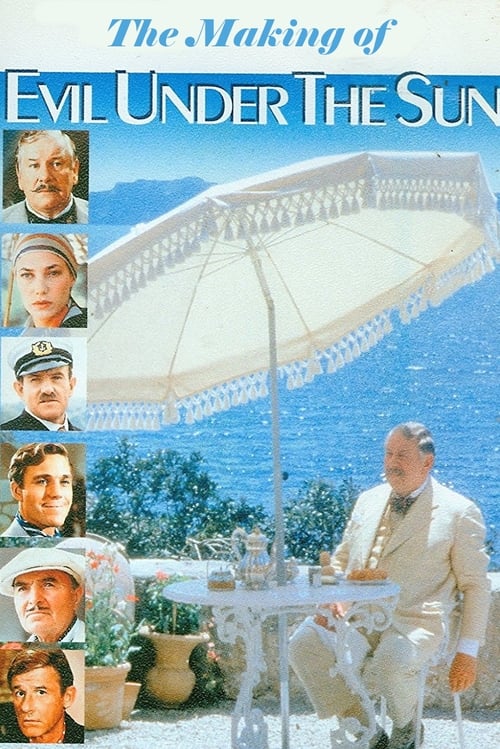
Director Guy Hamilton and several of the stars of Agatha Christie's "Evil Under The Sun" walk you through the making of the film.
Navigating the Indian Ocean in a reconstruction of a 1,200-year-old Arab ship, held together by 100km of rope and 127,000 hand-sewn stitches. The Jewel will sail more than five thousand kilometres across the Indian Ocean and do battle with the Monsoon – but for sailors it can spell danger and even death. It took a year to build: the Jewel of Muscat – a reconstruction of a 1200 year old Arab ship, based on an ancient shipwreck. Built from more than 18 tonnes of wood, the ship is held together entirely by 100 km of rope in over 127,000 hand-sewn stitches. Now the Jewel will sail more than five thousand kilometres across the Indian Ocean and do battle with the Monsoon – the mighty rain soaked wind that turns the arid land it touches green. But for sailors it can spell danger and even death.
British historian Bettany Hughes tours the eastern Mediterranean in search of facts behind the legends of "the face that launched a thousand ships," exploring the ways Greeks made love and war circa 1300 B.C.
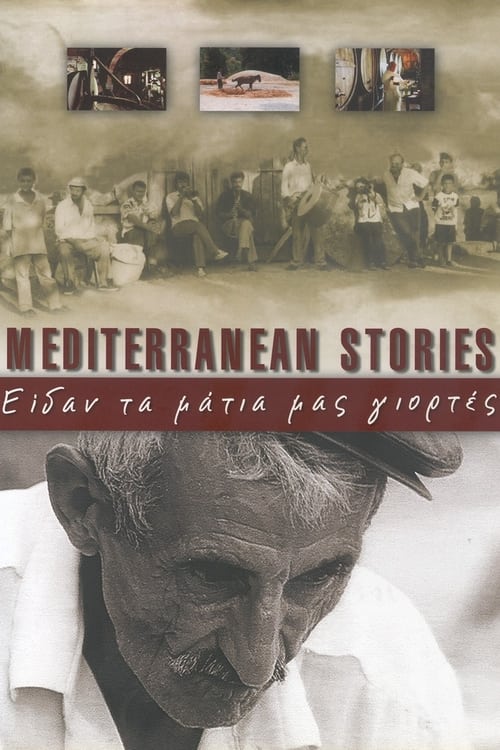
Pictures of the Mediterranean made with bread, oil and wine. In one meal the history, geography, economy, climate, culture and people of the Mediterranean. Close up of threshing floors, threshing floors, mills. Dietary habits, production methods, daily routines together with the natural and built environment make up the cultural body of the most interesting, perhaps, man-made environment in history. A culture that runs as a commonplace even in seemingly different worlds. The Mediterranean emerges in a sea of convergence and meeting without, however, ignoring the dynamics of the different.
The mocumentary about famous clockmaker Dragan Saldziev in Skopje.
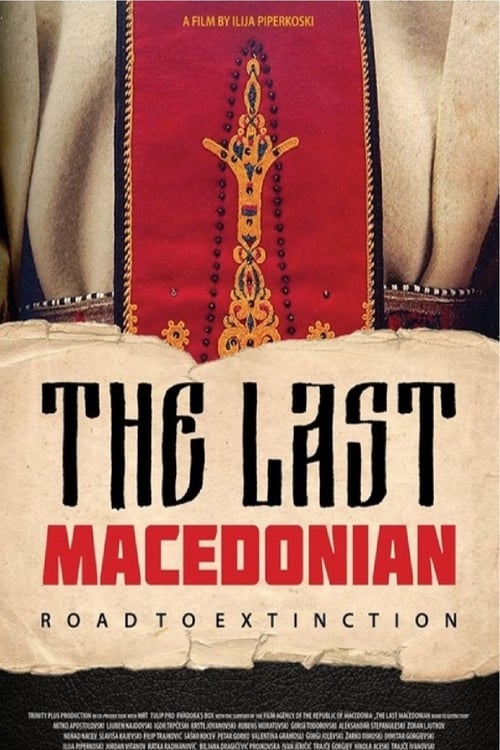
This is a documentary film about the land and people which will never restore their power of the past. A story about negations and many historical moments are enveloped in the veil of secret. Through the modern personalities and archives "The Last Macedonian from Macedonia" approaches to the truth revealing the never spoken moments and linking the past, present, but also the future. The film was shot on locations in Bitola and its surroundings.
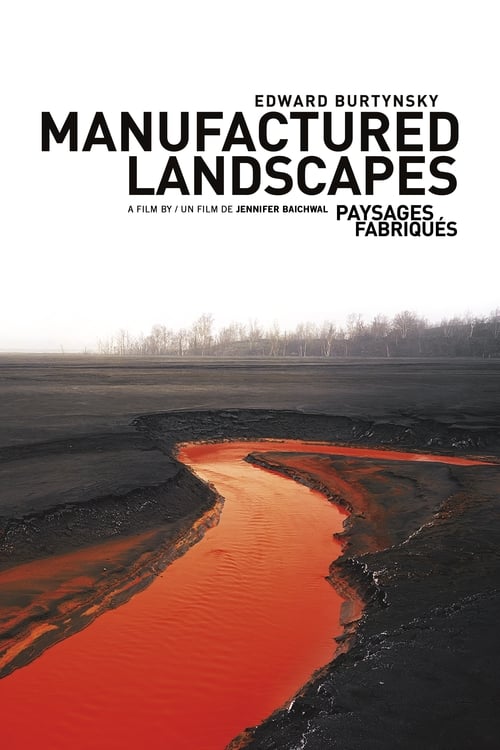
MANUFACTURED LANDSCAPES is the striking new documentary on the world and work of renowned artist Edward Burtynsky. Internationally acclaimed for his large-scale photographs of “manufactured landscapes”—quarries, recycling yards, factories, mines and dams—Burtynsky creates stunningly beautiful art from civilization’s materials and debris.
A simple story, but larger than life portrayal of the universal human saga represented through Dionis, a retiring biology professor, his wife and his fantasy of turning his unusual car collection into a museum in a small uneventful town.
A documentary about Göran Schildt and his relationship with the Mediterranean.
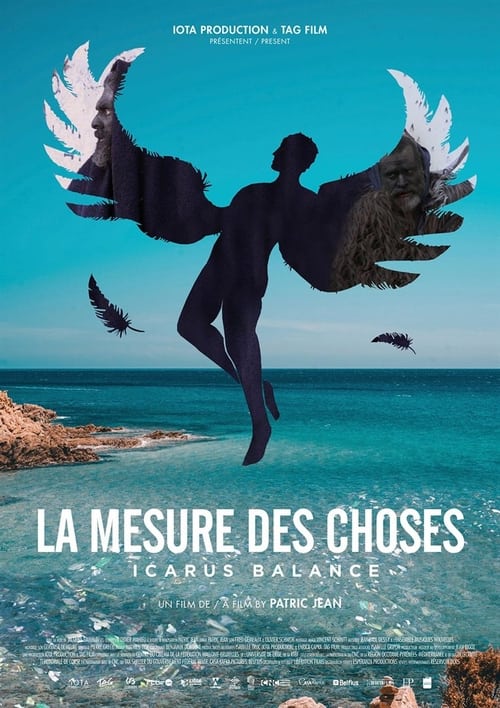
Political film essay in which events happening around the Mediterranean Sea are compared to the myth of Icarus.
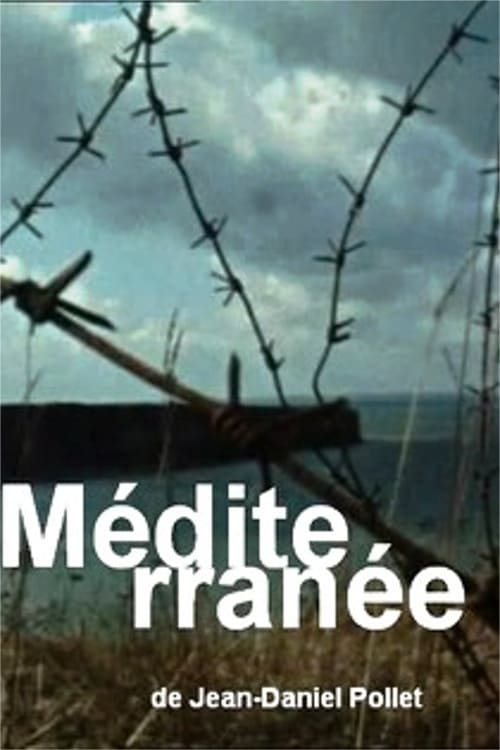
[Here] Pollet made a work that is the very definition of what French critics like to call an ovni or ufo (as in ‘unidentified filmic object’). [It] has been described as being ‘like a comet in the sky of French cinema,’ an ‘unknown masterpiece,’ and an ‘unprecedented’ work that refuses interpretation even as it has provoked reams of critical writing. Its rhythmic collage of images – a girl on a gurney, a fisherman, Greek ruins, a Sicilian garden, a Spanish corrida – is accompanied by an abstract commentary written by Sollers, and only the somber lyricism of Antoine Duhamel’s score holds the film’s elements together. At first viewing, you fear that [it] might fly apart into incoherent fragments. Instead, over the course of its 45 minutes it invents its own rules, and you realize you’re watching something like the filmic channeling of an ancient ritual.
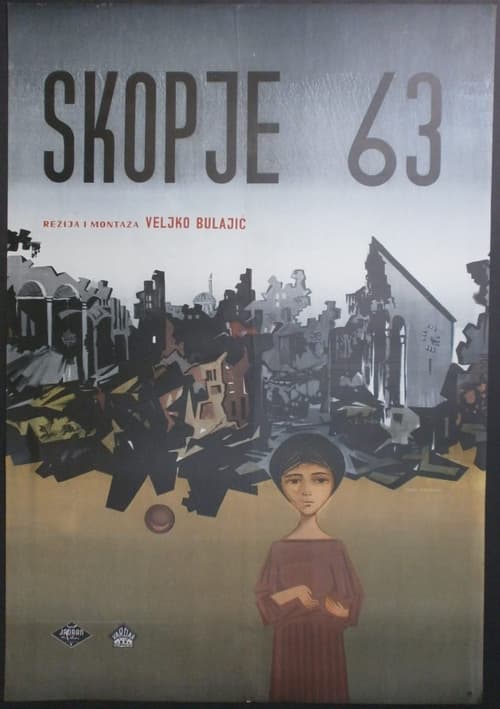
"Skoplje '63" is a 1964 Yugoslavian documentary film directed by Veljko Bulajić about the 1963 Skopje earthquake (Skoplje, per film title, is the Serbo-Croatian spelling of Skopje). The filming started three days after the earthquake and lasted for four months. After that, Bulajić spent 12 months editing the footage at Jadran Film studios.
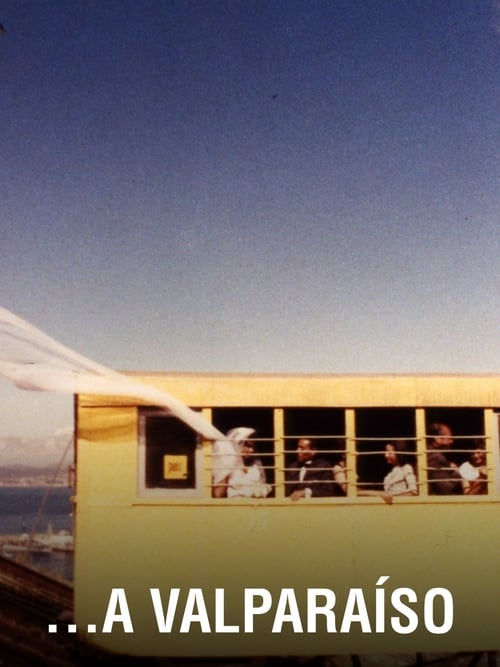
In 1962 Joris Ivens was invited to Chile for teaching and filmmaking. Together with students he made …A Valparaíso, one of his most poetic films. Contrasting the prestigious history of the seaport with the present the film sketches a portrait of the city, built on 42 hills, with its wealth and poverty, its daily life on the streets, the stairs, the rack railways and in the bars. Although the port has lost its importance, the rich past is still present in the impoverished city. The film echoes this ambiguous situation in its dialectical poetic style, interweaving the daily life reality (of 1963) with the history of the city and changing from black and white to colour, finally leaving us with hopeful perspective for the children who are playing on the stairs and hills of this beautiful town.
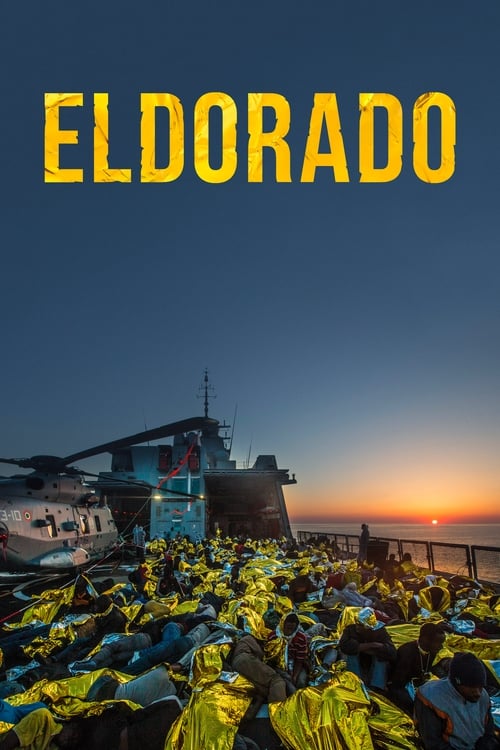
Drawing inspiration from his personal encounter with the Italian refugee child Giovanna during World War II, Markus Imhoof tells how refugees and migrants are treated today: on the Mediterranean Sea, in Lebanon, in Italy, in Germany and in Switzerland.