A café in the north of Brussels. Days are punctuated by the songs that the customers sing at all hours, to amuse themselves, to remember or to pass the time. Those songs transform the place little by little, making the film a strange musical.
An investigation into the unfolding history of nuclear testing, uranium mining, and nuclear waste disposal on indigenous lands in the US. It raises the voices of those who witnessed and experienced the consequences of nuclear colonialism and those who still resist.
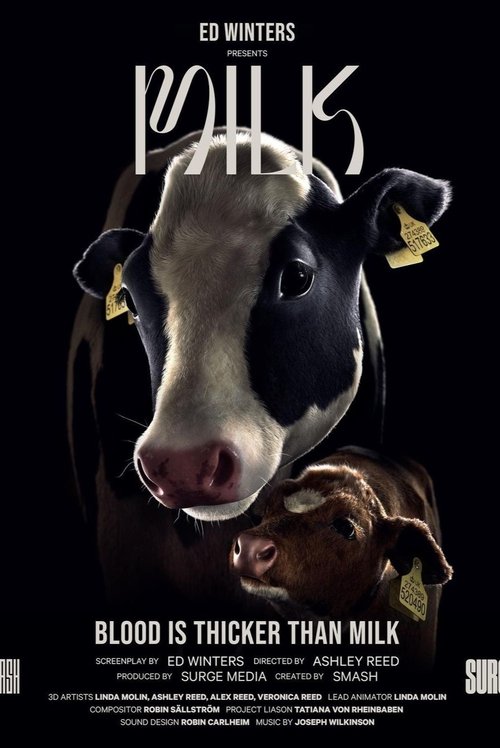
What we show in Milk is literally the best of the best when it comes to dairy farming, yet, as soon we view what happens from the perspective of the mother cow, it becomes clear that this is an industry that runs on the exploitation and suffering of animals. By using animation, we are able to show a unique perspective and tell the story of the mother cow in a way that cannot be done from investigative footage alone. Milk centres the cow as the protagonist of her own story and allows us to view what is happening to her from an up close and personal perspective. Organic, free-range, high-welfare, humanely raised. It doesn’t matter what label we put on dairy products, all dairy cows are victims of an industry that forcibly impregnates them, takes their babies from them, exploits their bodies and then sends them to a slaughterhouse to cut their throats. It's time to end the dairy industry.
Description of the film production in Triglav film.
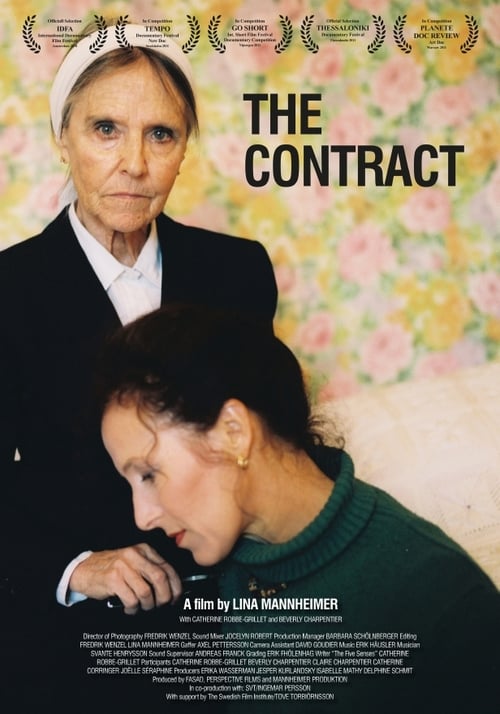
In 2005 Beverly Charpentier declared an oath of allegiance to French writer Catherine Robbe-Grillet. In doing so she gave up her freedom for the rest of her life. The Contract portrays two strong women's unconventional love story, two women who have chosen to explore their love in a unique way, without compromise.
A filmed essay about the painter Bouts.
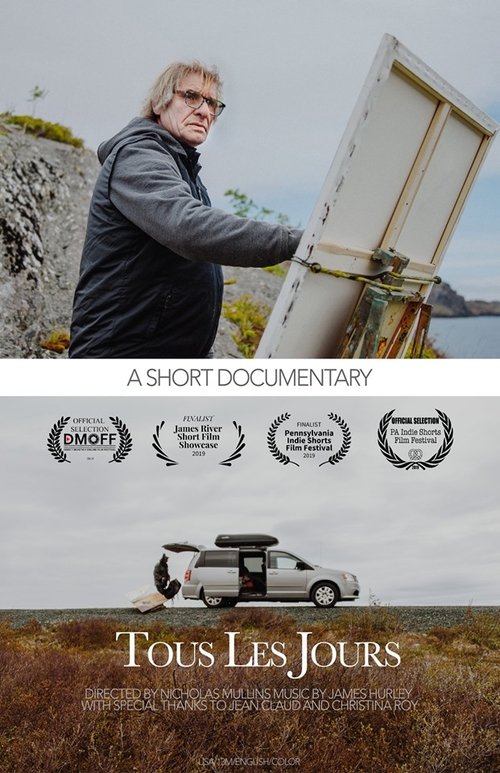
In rocky Newfoundland, renowned French artist Jean Claude Roy gathers his paints and sets off to face the day. Whether it be freezing snow, violent wind, or pouring rain, he commits vibrant colors to canvas and conquers the day by weaving crooked beauty out of difficulties.
Documentary presenting the different stages of General de Gaulle's trip to Quebec in 1967, accompanied by extracts from his speeches.
In Raiano, Italy, the feast of S. Venanzio is celebrated every year. Beside the official celebrations, the most secret and oldest ceremony is the "Cult of Stones": the devotees enter the caves where the saint used to live according to tradition, and rub their bodies on the stones to heal from evil.
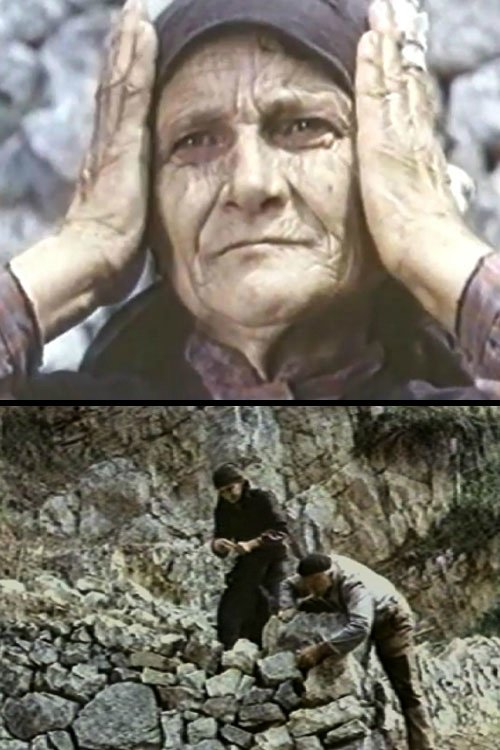
A look into the harsh life of a hard-working couple of terrace farmers in the Valley of Brenta.
Boro Miranovic - self proclaimed king of Montenegro...
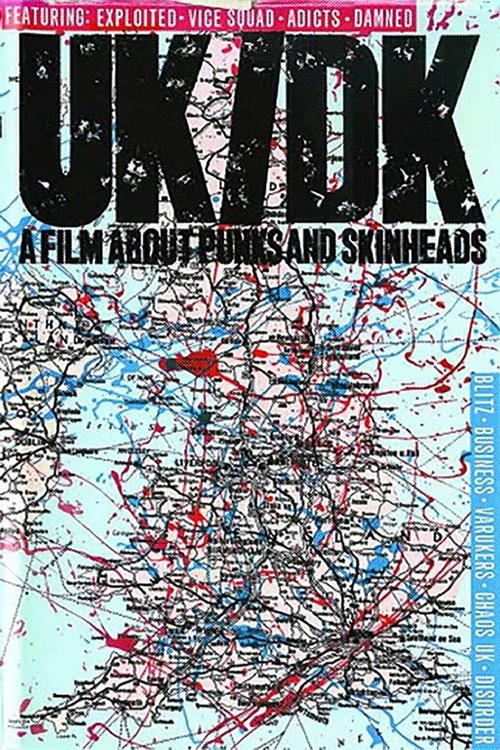
Featuring interviews, live concert footage, and a feature on how punk was transformed from a trend to a way of life, UK/DK is a comprehensive look at the skinhead/punk movement. Some of the most notorious bands on the scene are featured, including The Exploited, The Vice Squad, The Adicts and many more.
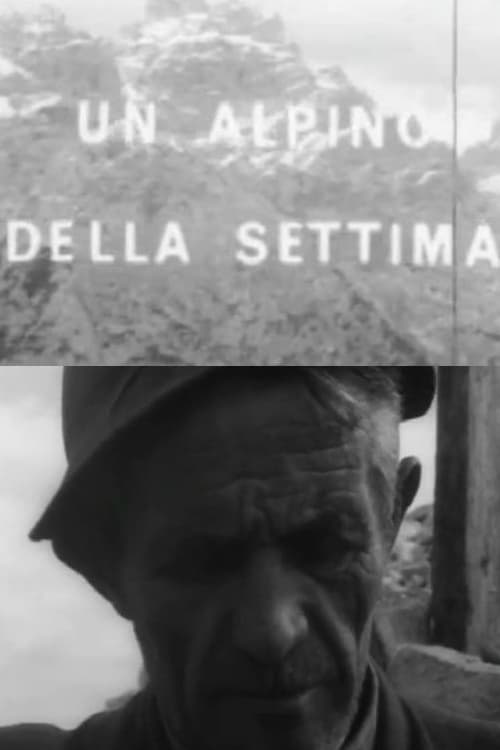
A man promised to his dying mother to find and give a proper resting place to the remains of the father, a soldier, dead during WW1 and never found. It's an impossible and desperate quest since he died during Mount Piana battle that lasted two years and resulted in the killing of 14000 soldiers. But the obstinate man never gave up searching on the Dolomiti Mountains for all his life.
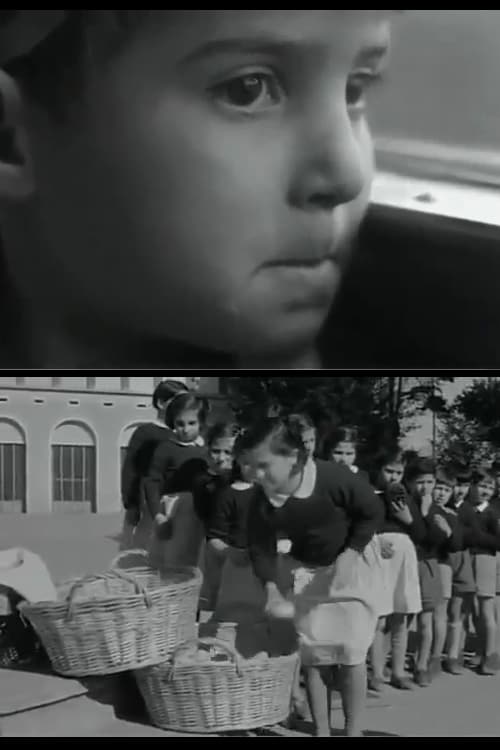
After a big flood some Calabrian children are sent to Milan.
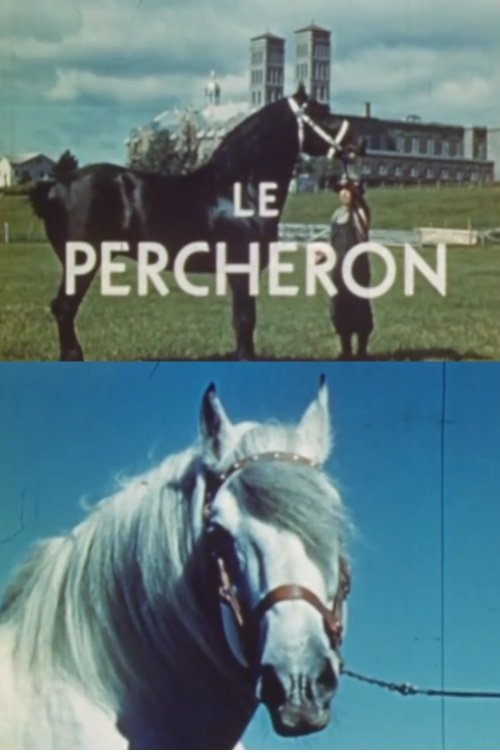
This documentary is a true tribute to the Percheron, the superb draft horse. We talk about its origins, its characteristic traits, its performance in competitions and its value on the farm or for the heavy draft service in the cities.