Young people who have to survive without a home base are helped on their way to a life on their own two feet at Wonen Met Kansen. Little by little, with trial and error, but with the rock-solid confidence that the supervisors have in them.
For five years, Stephen McCoy documented street life in Boston. This is what he captured.
Waifs, homeless, derelicts, almsmen, others, forgettens, outcasts, unwanteds. The Hotel of Waifs; a temporary resting place far from home, an amusement in a pale fun fair, an enthusiastic trip on roundabout ways of soul.
Where we come from shapes who we are, and how others see us. Home gives us a sense of belonging and stability. It’s so much more than just a physical structure. It’s our safety, our refuge, our launch pad. Yet, so many people in the U.S. face housing instability and homelessness. A shocking 76% of Americans live paycheck-to-paycheck. They are just one accident or injury away from losing everything. Losing a place to call their own. Our Journey Home explores how home shapes us and challenges our perceptions about people in need of public housing. The film examines the role we all play in supporting those who struggle in having a stable place from where they can grow and dream.
Intimate true stories from St Kilda's Gatwick Private Hotel. Meet the incredible characters including sisters Rose and Yvette who dedicated their lives to caring for the forgotten.
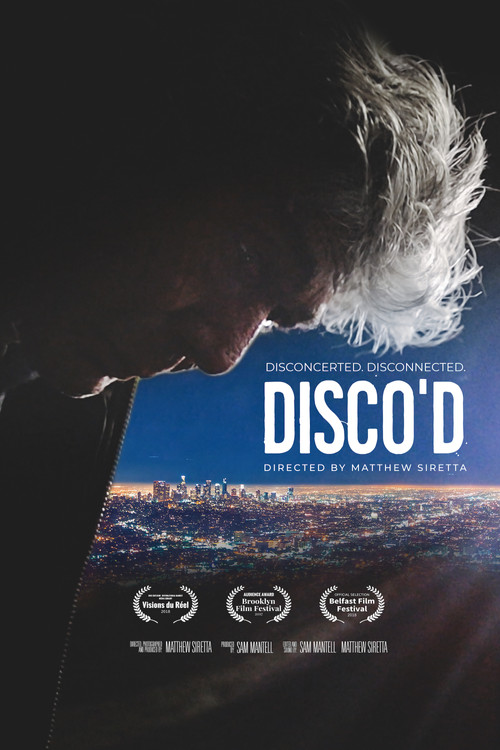
“Set against the rattle of shopping carts and the white noise of L.A. traffic... “Disco’d” is an unvarnished, moving look at the lives affected by the rising crisis of homelessness.” —Los Angeles Times
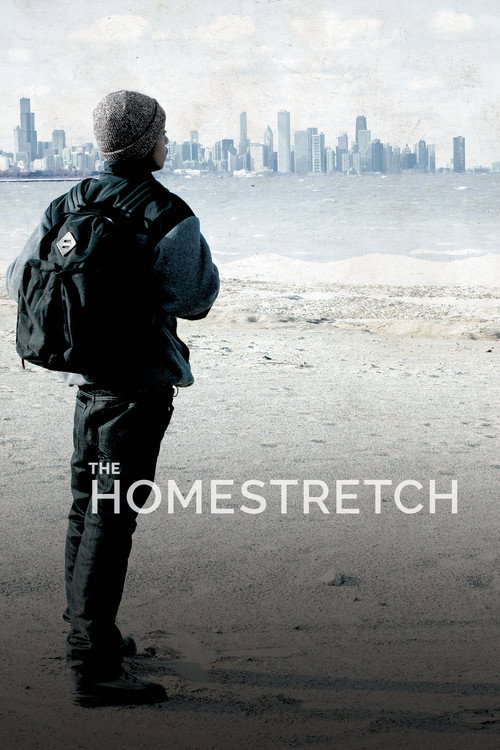
Three homeless teenagers brave Chicago winters, the pressures of high school, and life alone on the streets to build a brighter future.
People experiencing homelessness, social work professionals, and film artists join forces to transform fragments of real life into fictional short films.
Documentary tells the story of Maxim Vakhmin, a veritable alleycat of a man. Revered as both an angel and a devil, Maxim (once known as a successful artist in his native Russia) is losing friends and finding new ones as a homeless person in the USA.
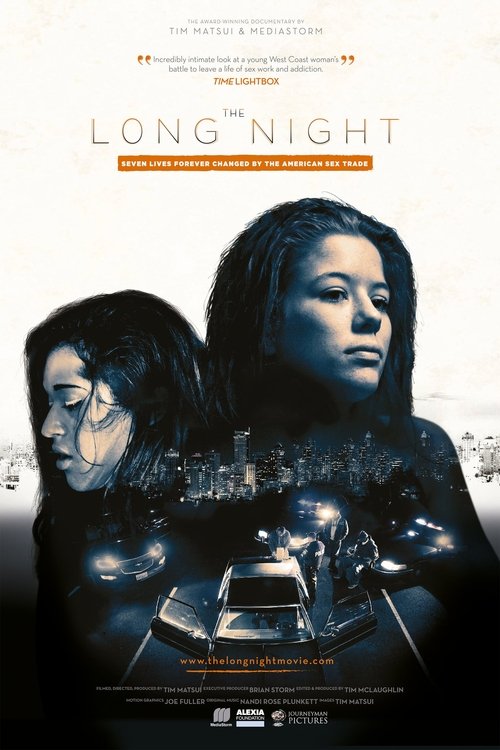
An urgent, heart-breaking investigation into the young lives changed forever by under-age prostitution and exploitation.
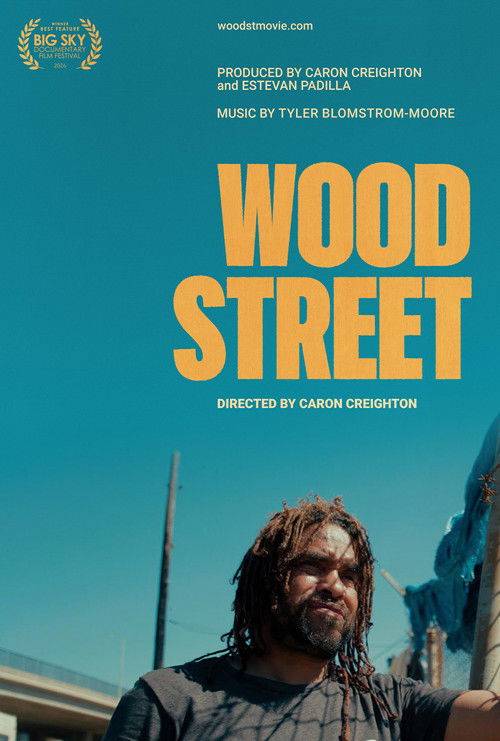
Two unhoused men turned community leaders— John and LaMonté —organize their neighbors in the face of displacement, addiction, and a failing social system.
On June 13, 1978, the punk bands the Cramps and the Mutants played a free show for psychiatric patients at the Napa State Hospital in California. We Were There to Be There chronicles the people, politics, and cultural currents that led to the show and its live recording.
A double story of music and companion; this documentary portraits two different and itinerant social bands.
Every day, on the streets of Canada's cities, we pass them on our way to work or school. Bums, beggars, winos, bag people we call them. But who is the person at the end of that outstretched arm? What is life on the street really like? Is there a way off the street? For six years, director Daniel Cross followed the lives of three homeless men who spent much of their time in and around a Montreal subway station. Filmed in a cinema verité style, the film is unique: it humanizes the homeless, breaking down the barrier between us and them, neither moralizing nor offering easy answers. This is a gritty, compelling look at life on the streets that moves beyond the media stereotypes to show both the humanity of the homeless and the street-toughened aspects of their existence.
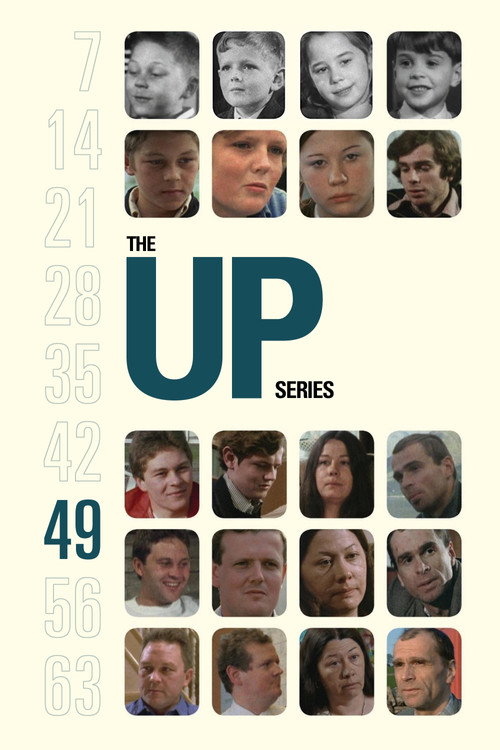
49 Up is the seventh film in a series of landmark documentaries that began 42 years ago when UK-based Granada's World in Action team, inspired by the Jesuit maxim "Give me the child until he is seven and I will give you the man," interviewed a diverse group of seven-year-old children from all over England, asking them about their lives and their dreams for the future. Michael Apted, a researcher for the original film, has returned to interview the "children" every seven years since, at ages 14, 21, 28, 35, 42 and now again at age 49.In this latest chapter, more life-changing decisions are revealed, more shocking announcements made and more of the original group take part than ever before, speaking out on a variety of subjects including love, marriage, career, class and prejudice.
A cinematic portrait of the homeless population who live permanently in the underground tunnels of New York City.
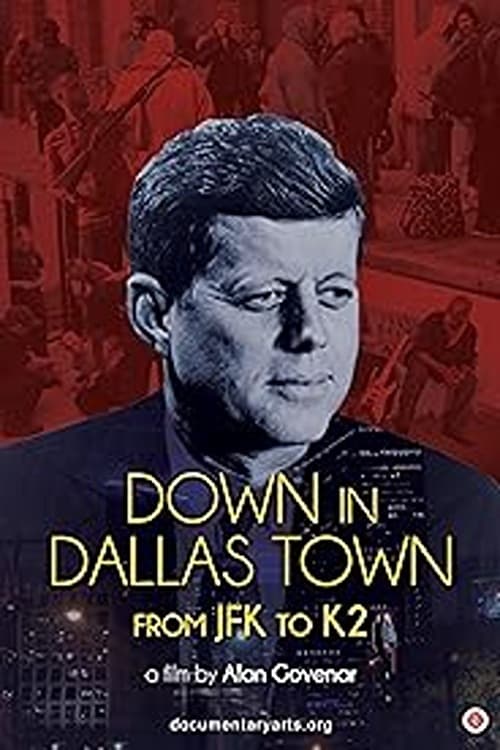
Through interviews with people on the street and songs recorded to memorialize JFK in the mid-1960s, the film explores the impact of the November 22, 1963 assassination on issues in today’s world, from lingering conspiracy theories to the proliferation of gun violence, homelessness, and the scourge of K-2.
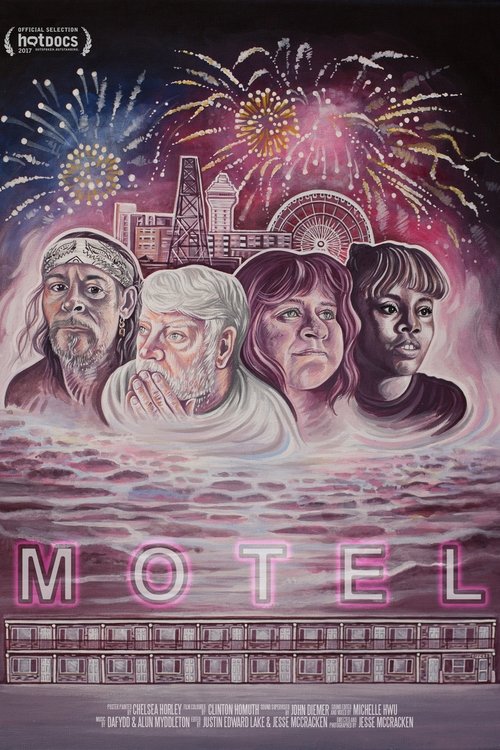
As Niagara Falls transformed from honeymoon capital of the world to Las Vegas North, corporate hotel chains and casinos cast a long shadow over the independent motels that once populated the town. The Continental survived the transition by converting its rooms into affordable housing units, becoming a home for those with few places to go. The night manager, Brian, once a freelance photographer who survived the horrors of war in Vietnam, shares his duties with his colleague Linda. Together they manage both the Continental and the individual struggles of its tenants, providing more than a roof over the heads of those who live under their supervision. Bringing a fresh focus to one of the most photographed places on Earth, director and cinematographer Jesse McCracken develops an intimate and caring portrait of the residents of this modest micro-community set against the backdrop of neon-lit tourist attractions.