This documentary traces the history of U.S. relations with Latin America and draws strong links to America's current immigration crisis. Decaying economies in much of Latin America are viewed as the result of ill-conceived U.S. policies.
Juan Gonzalez
as Narrator (voice)
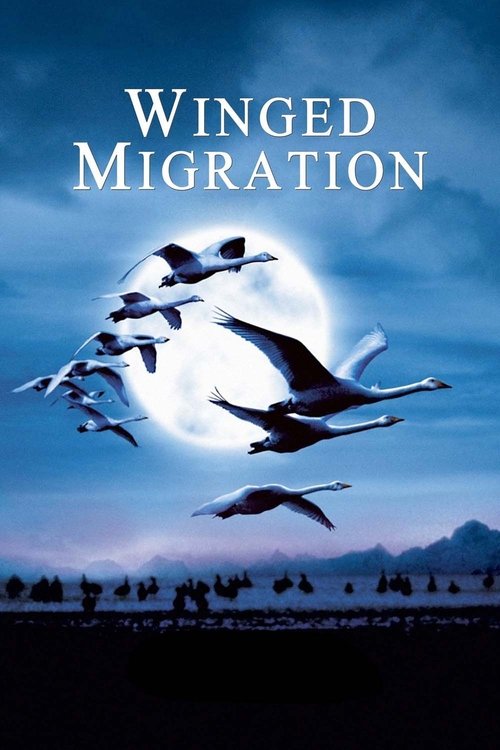
This documentary follows various migratory bird species on their long journeys from their summer homes to the equator and back, covering thousands of miles and navigating by the stars. These arduous treks are crucial for survival, seeking hospitable climates and food sources. Birds face numerous challenges, including crossing oceans and evading predators, illness, and injury. Although migrations are undertaken as a community, birds disperse into family units once they reach their destinations, and every continent is affected by these migrations, hosting migratory bird species at least part of the year.
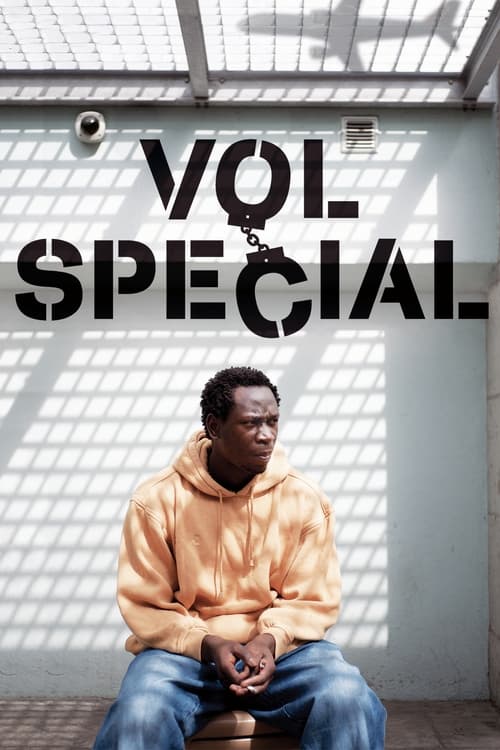
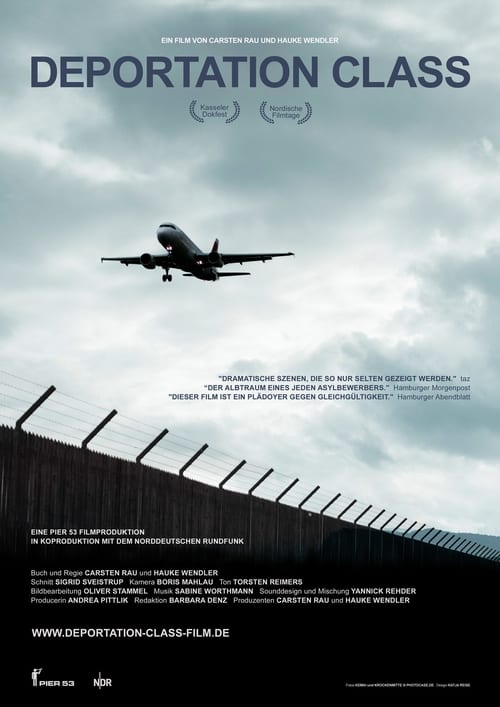
Switzerland still carries out special flights, where passengers, dressed in diapers and helmets, are chained to their seats for 40 hours at worst. They are accompanied by police officers and immigration officials. The passengers are flown to their native countries, where they haven't set foot in in up to twenty years, and where their lives might be in danger. Children, wives and work are left behind in Switzerland. Near Geneva, in Frambois prison, live 25 illegal immigrants waiting for deportation. They are offered an opportunity to say goodbye to their families and return to their native countries on a regular flight, escorted by plain-clothes police officers. If they refuse this offer, the special flight is arranged fast and unexpectedly. The stories behind the locked cells are truly heartbreaking.
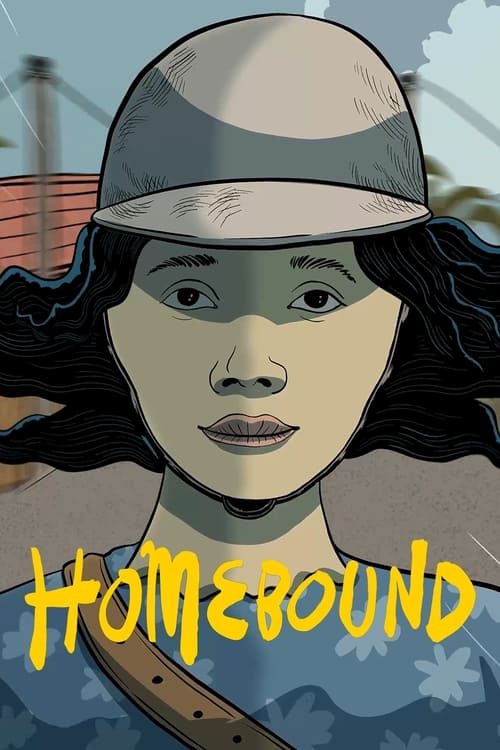
Through first person narration, Tari reveals personal stories related to her decision to work in Taiwan, her strained family relationships, the risks involved in working abroad and the traps she has fallen into.
From the creators of 31 Minutos, here comes the story of a rock that didn't want to grow up...
Documentary about a "transportation commando" in Germany with the goal to deport 200 people to Albania...
Liubov, a Russian lady who lives in Mexico City. During the routine of her day, Liubov will recall the experiences she had with death, from childhood to adulthood.
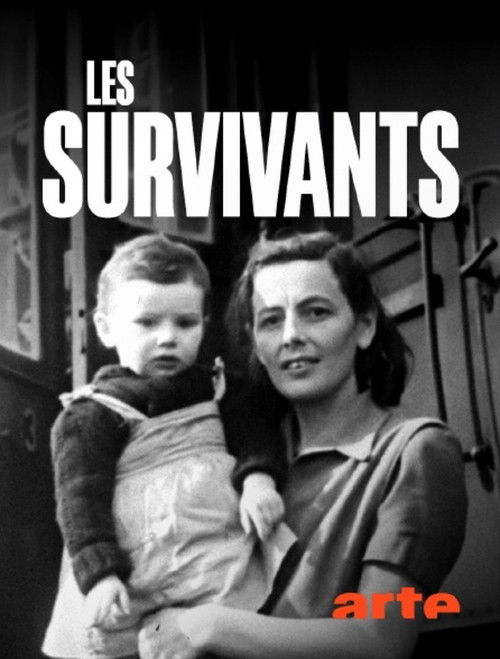
At the beginning of the 60's, thousands of Portuguese turned up in France through the underground. They were fleeing misery, war and repression. Left to unscrupulous smugglers, they had to cross the Iberian Peninsula tracked by the Portuguese and Spanish police. For many, the voyage towards France turned into a disaster. As a child in a shantytown, the author remembers having heard about these terrible odysseys. Thirty years later, he goes in search of the stories of his childhood and seeks to understand what sparked this unprecedented emigration known as the "plebiscite by foot" against Salazar. Between childhood memories and historical investigation, he looks for the images of this exodus, the largest in post-war Europe.
A Sense of Justice, immerses us In a law firm in this same city. There, we can find Christine Mengus and Nohra Boukara, specialized in the rights of foreigners, supported by Audrey Scarinoff and their co-workers.. Stories from their sad, appalling or tragicomic cases alternate with their daily legal work. And as we hear snatches of consultations involving illegal entry or departure, deportation orders, the right to reside or medical assistance, we become witnesses to predictable tragedies, to the administrative or social precariousness induced by such predicaments, and to whole lives depending on court rulings.
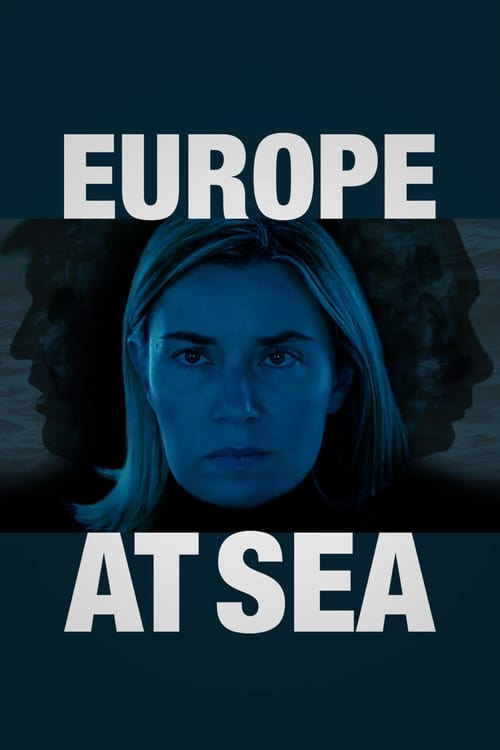
Exclusive access to chief diplomat of the EU Federica Mogherini as Europe faces a crumbling world order.
This anthology film, whose Chinese title begins with a romantic name for human excrement, premiered internationally at Rotterdam and won Best Screenplay from the Hong Kong Film Critics Society. A variety of Hong Kong people wrestle with nostalgia when facing an uncertain future. Their stories give way to a documentary featuring a young barista turned political candidate.
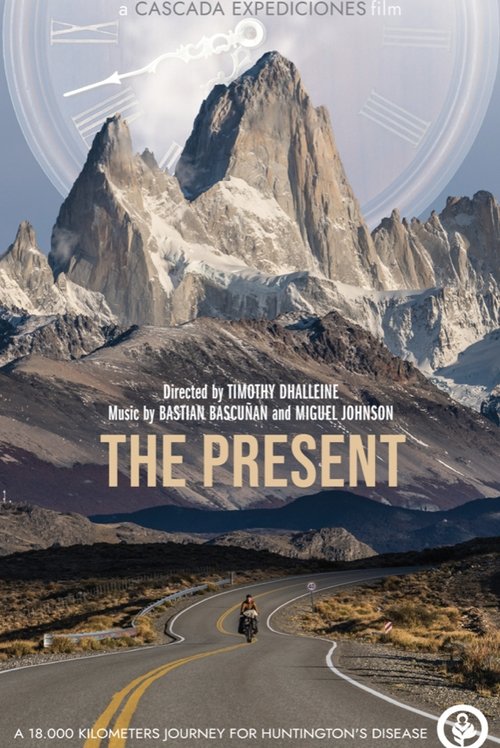
At 34, French traveler Dimitri Poffé tested positive for Huntington's disease, a rare, hereditary, incurable disorder that slowly erodes body and mind. His father died of it; his sister has fought its symptoms for over a decade. Genetic studies predicted Dimitri's own symptoms would begin between 35 and 40 — a countdown he could not stop. Rather than wait, he got on a bicycle. Alone, he rode 18,000 kilometers from Mexico City to Ushuaia, crossing deserts, jungles, mountains and endless plains, a route as unpredictable as the disease itself. What began as defiance became something larger: a story of resilience, solidarity and the strength to reclaim life on your own terms. More than a test of physical limits, The Present is a reminder that when the future is uncertain, the present is still ours to live — one pedal stroke at a time.
Migrants from the countryside and unemployed people from neighbouring cities take over some unused land and establish a neighbourhood in the industrial zone of Maracay. The event coincides with a presidential election campaign, which motivates political demonstrations in that town.
A film about homes on both sides of an ocean.