Courage, love and loss. Young people risk their lives with self-funded missions to rescue families in Ukraine’s frontline towns. Told through their own words and unique first-person footage.
Jake Rademacher reconnects with his brothers and soldiers he embedded with in Iraq. He creates a unique “then and now” journey into the toll of war and a never before seen look at war fighters and the veterans they become.
Ruslana Abrosimova, 17 years old, lives in Mariinka, Donetsk region. Now Ruslana is in an unconditional state of war and is struggling every day with her desire to go out on the street or to stay at home, safe, in her room. War in Ukraine rages for more than five years already. Still, teens never cease to think about studying, discovering new cities and their bright future. Conflict occurs at every step as soon as the children open their room doors. That`s why Ruslana decided to take her camera and start to film her reality.
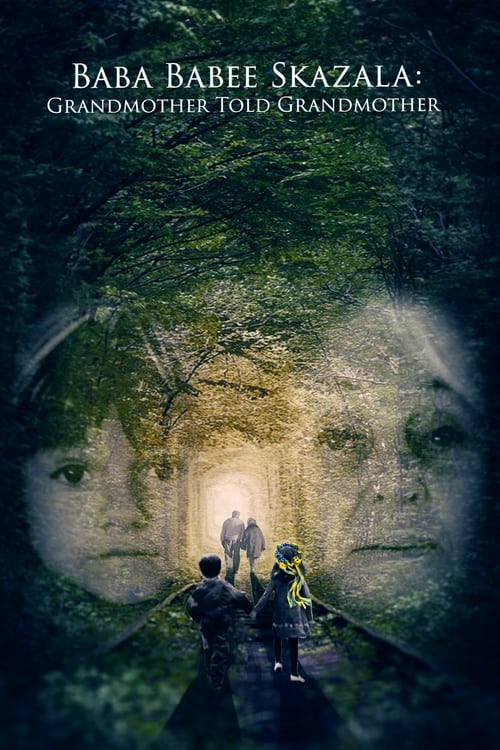
The little-known story of Ukrainian children torn from their homes in the crush between the Nazi and Soviet fronts in World War II. Spending their childhood as refugees in Europe, these inspiring individuals later immigrated to the United States, creating new homes and communities through their grit, faith and deep belief in the importance of preserving culture.
Crossfire is the investigative documentary by an international team of journalists about two reporters, Andrea Rocchelli and Andrej Mironov, killed in eastern Ukraine, and the Ukrainian soldier Vitaly Markiv accused of their murder
The Donetskyi village is on the border between the unrecognized Luhansk People's Republic and the Lugansk region of Ukraine. Residents of the village live in destroyed houses, under constant Ukrainian shelling. For seven years the «Ghost» battalion has been holding the front line to protect its people. To capture 'ghosts' daily work, the film crew operated in the midst of intense gunfire and mortar attacks. The battalion commander, code-name ‘Negro’, says that for many guys the war has turned into a job. Of course, they are tired and dream of returning home, but so far they just try to survive and protect their loved ones.
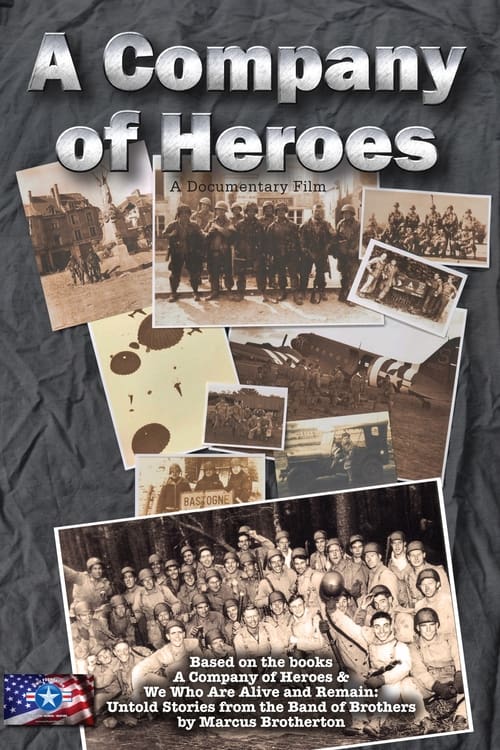
Easy Company, the 2nd Battalion of the 506th Parachute Infantry Regiment of the 101st Airborne Division, fought their way through Europe, liberated concentration camps, and drank a victory toast in April 1945 at Hitler's hideout. Veterans from Easy Company, along with the families of three deceased others, recount their horrors and victories, bonds they made and the friends they lost.
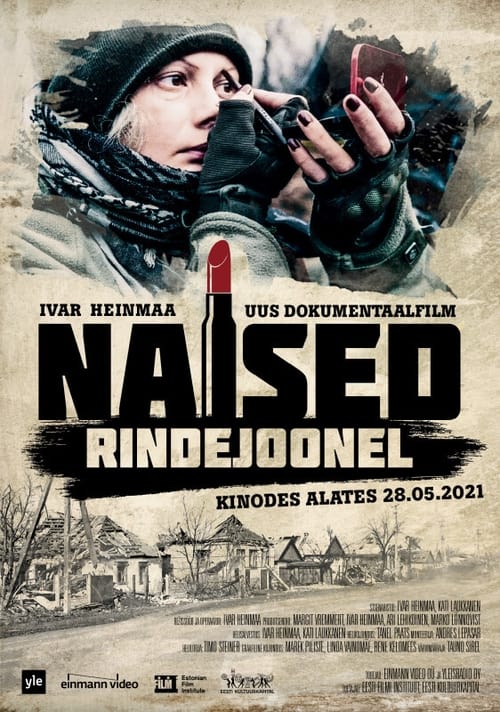
At five o'clock in the evening, Red Cross and OSCE observers leave the front line and leave the fighters under fire. Hypocrisy takes over, and here begins the story of these women, which first kicked off in Maidan Square in Kyiv. Heartache and hatred, broken love, wrong decisions and yet hope for a new life, even in the face of death. This is a documentary about the war that broke out in the spring of 2014 in Eastern Ukraine through the eyes of women.
At the Vynnyky Medical Center, located in the suburbs of Lviv, Ukraine, the staff treats exclusively war casualties: amputees and those who have been disfigured. An internationally renowned surgeon, Chloé Bertolus is one of the leading specialists in facial reconstruction. Several times a year, she visits the wounded to repair tissue damaged by bullets and shrapnel from the Russian army.
In Eastern Ukraine, childhood neighbors find their lives violently derailed by a shifting frontline. Natasha, a promising boxing talent, becomes a military paramedic. Angela, who lost her parents at a young age, survives by moving goods to both sides of the front. Caught in a modern Greek tragedy, brothers Mark and Ruslan now fight on opposite sides – against each other. In the safety of his adoptive family in the United States, their youngest brother Daniil follows the war from afar.
A chronicle of the civil uprising against the regime of Ukrainian president Viktor Yanukovych that took place in Kyiv in the winter of 2013/14. The film follows the progress of the revolution: from peaceful rallies, half a million strong in the Maidan square, to the bloody street battles between protesters and riot police.
Torture in Russian captivity is systematic. In a new documentary, The Kyiv Independent’s War Crimes Investigations Unit uncovers the torture of Ukrainian civilians held by Russian forces and traces the roots of these practices through Russian history. The documentary features civilians from different regions and backgrounds who were detained in occupied Ukrainian territories and in Russia itself. Despite being held at different times and in different locations, their testimonies describe strikingly similar patterns of abuse. By combining firsthand accounts with historical research, the investigation shows how torture has persisted across generations and continues to shape Russia’s war against Ukraine.
The unique testimony of the tragic events and crimes of russia through the eyes of Ukrainians, which the entire world must see and feel. Film was created from 200 hours of chronicles: survival, resistance, and life during the war. Every minute was filmed by Ukrainians with their mobile phones. Each story in the documentary is a film captured and filmed by Ukrainians on their devices.
Between 1944 and 1953, 170,000 Estonians, Latvians, and Lithuanians put up fierce resistance to the Soviet invasion, hiding deep in the vast Baltic forests. Driven by a dream of freedom, they defied a ruthless empire with few resources but unwavering determination. Through previously unseen archives and the poignant accounts of the last survivors, this documentary reveals their clandestine struggle, their heroic sacrifices, and their legacy, timeless symbols of a desperate fight to escape the Soviet stranglehold and preserve the flame of independence.
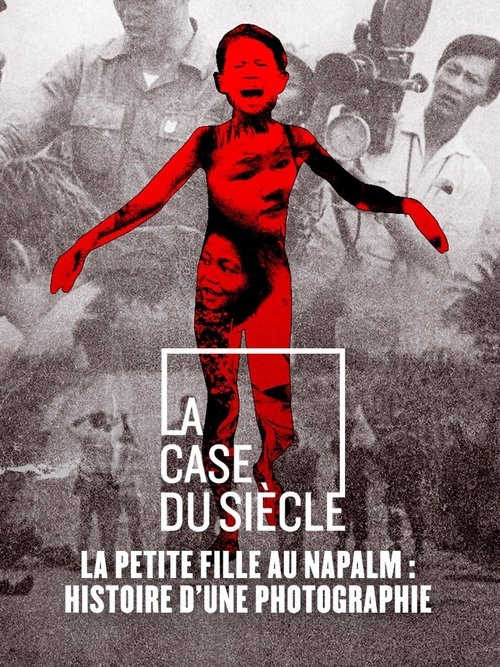
Trang Bang, South Vietnam, 8 June 1972. The air force mistakenly drops bombs on a temple that houses civilians. Among the group of journalists witnessing the drama, the young photographer Nick Ut realizes, on that day, the photo of his life. In her goal, a naked little girl who tries to escape the flames that devour her. This photo that embodies the hell of Vietnam has gone around the world; it continues every day, for 50 years, to haunt the life of Kim Phuc, now "the little girl in the napalm".
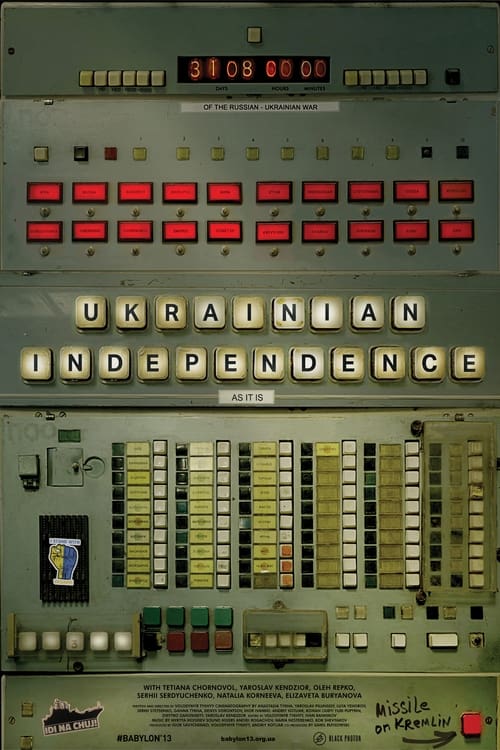
The film’s events take place on a single day: August 24, 2022, the day Ukraine celebrates the 31st anniversary of the renewal of independent statehood. The film combines places and people that best capture the country’s wartime spirit. The locations are: the relatively safe cities of Kyiv and Lviv; the cities under daily missile fire of Kharkiv and Mykolaiv; a trench at the frontlines near Donetsk; and the beaches of Odesa. The film presents a day in the life of a beach police patrol, a woman anti-tank missile operator, a water delivery driver, a mortar unit soldier, a rapid assault unit soldier, a 14-year-old pub janitor, an artist and a former member of parliament. Together, these people and places create an engaging mosaic of a day in the life of Ukraine.
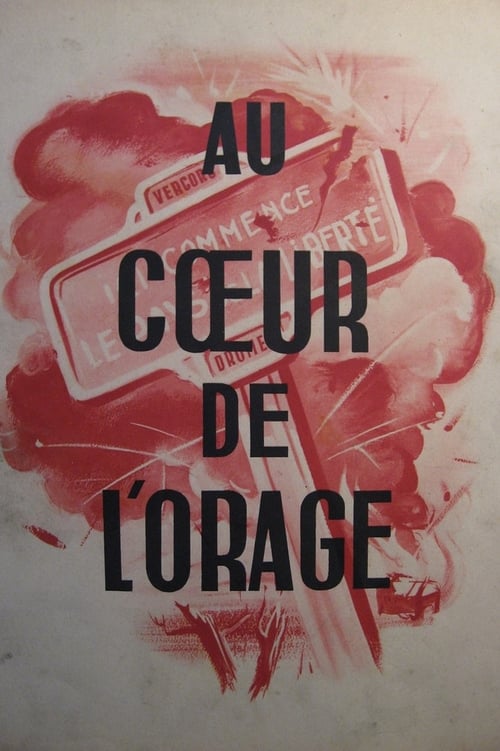
This documentary about WW II, composed of clandestine Allied film takes and German Wochenschaubilder, focuses on the French Resistance, especially the heroic but disastrous battle of the Vercors plateau in July 1944, where German troops mercilessly slaughtered the Maquis and the inhabitants.
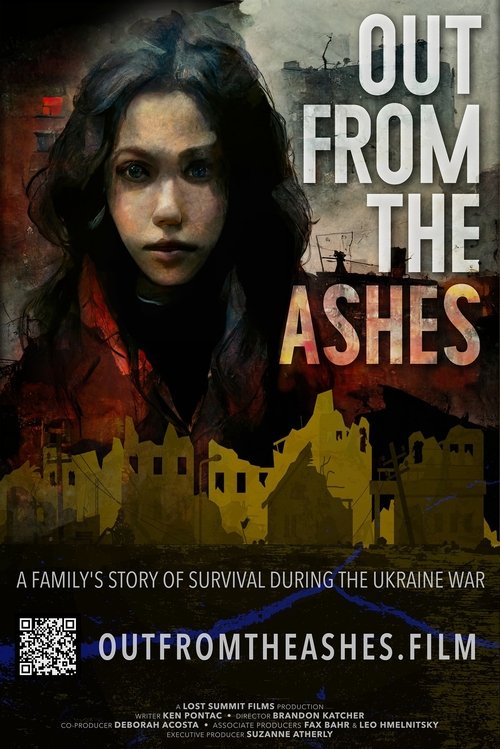
Milena, a young woman from Ukraine, who along with her mother and grandmother (and cat), desperately struggle to escape their war- torn home while an army of supporters on the opposite side of the world fight to keep them safe. Milena survived the destruction of Mariupol, cowering for a month in the basement of a bombed-out building, watching her home and history burn. She managed to contact Ken Pontac, long-time Facebook friend and father figure. Their conversations bolstered Milena's spirits while Ken listened with growing apprehension.
In April 1918, a disease of unknown origin swept across the five continents. In 18 months, millions of lives that had not been taken by the war were swept away by a virus that would cause the worst pandemic in history: the Spanish flu.
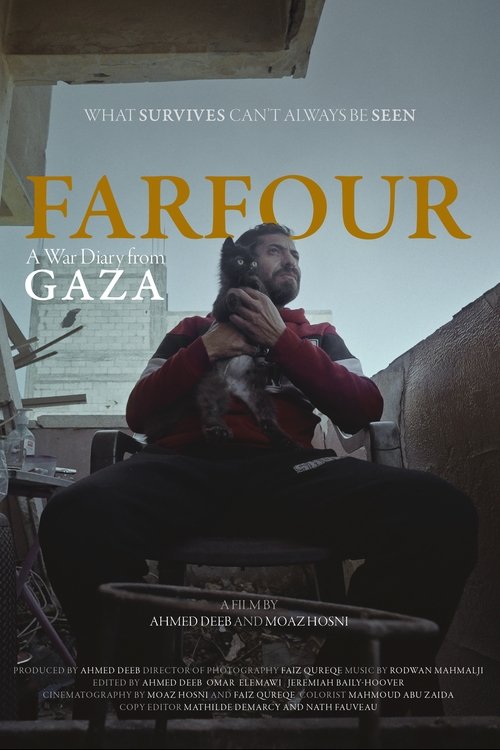
Amid the ruins of northern Gaza, Ibrahim clings to the only companion he has left: Farfour, a stray cat he adopted during the war. Farfour has become more than just a pet for Ibrahim. He has turned into his shadow, his confidant, his last connection to humanity. Together, Ibrahim and Farfour navigate a collapsing world, enduring a relentless siege while living in an unsafe building, with no water and electricity. As the war tightens its grip, Ibrahim must flee.
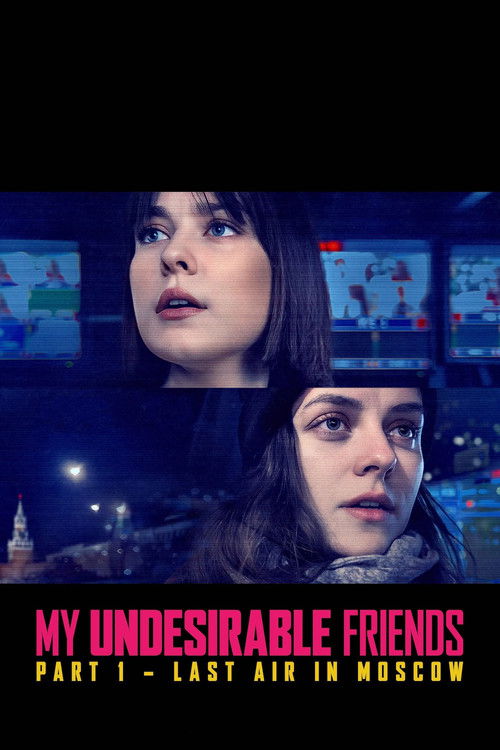
American filmmaker Julia Loktev, born in the Soviet Union, returned to Moscow in 2021 to make a documentary on the persistence of independent media journalism in Putin’s Russia—just months, as it turned out, before the country’s invasion of Ukraine. Structured in five chapters, Loktev’s film is an extraordinary vérité document of a moment of immense change and anxiety.