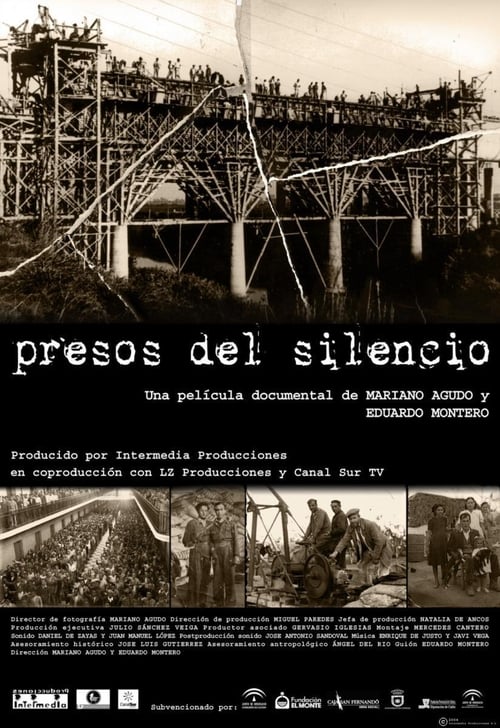
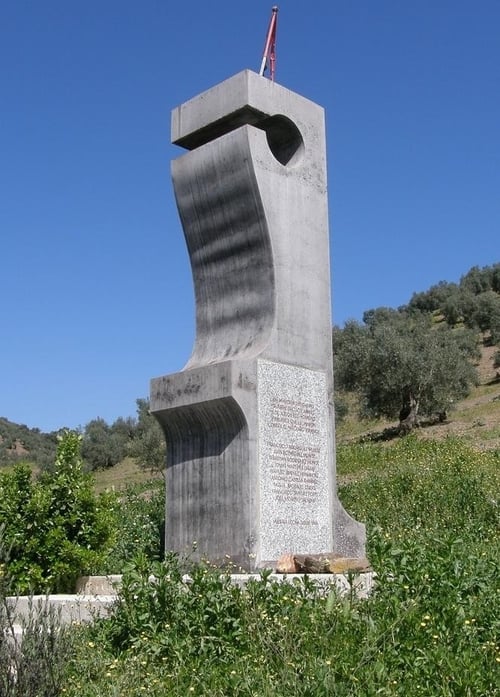
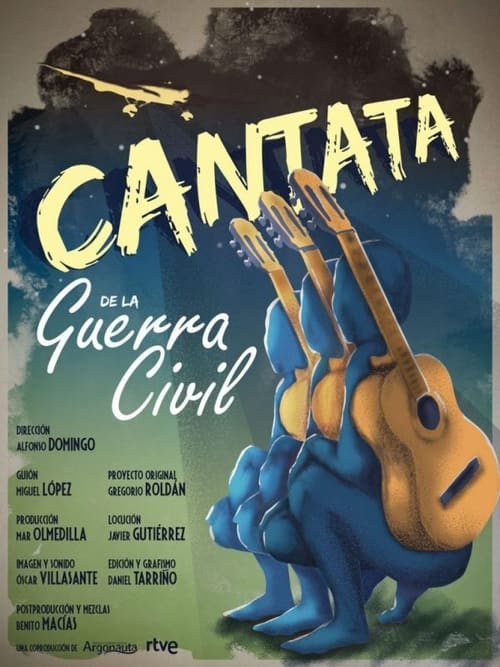
This is the story of a forbidden song that mourned Esteban Ramón. Born in 1914, into a very humble family, the implacable Bercian mountains would be the silent witnesses of a sung tragedy whose notes we should not forget.
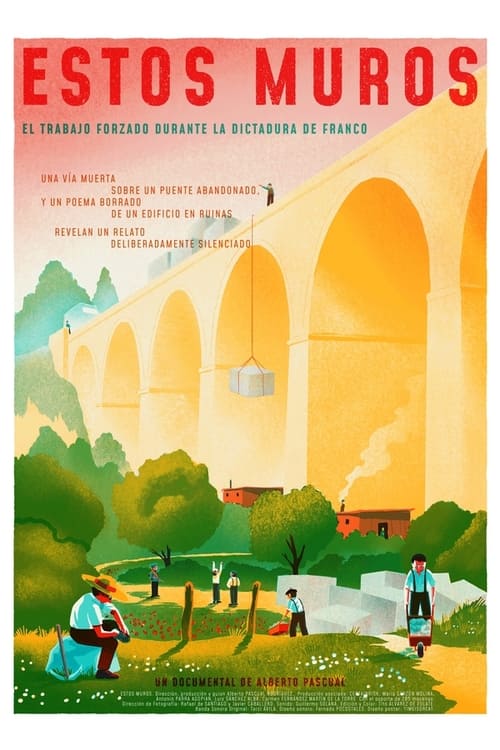
In the mountains of Madrid, Spain, a railway track on an abandoned bridge and a poem erased from the wall of a ruined building reveal a deliberately silenced story: the system established by Franco's dictatorship after the civil war (1936-39) that allowed hundreds of companies to use thousands of convicted Republicans as slave labor.
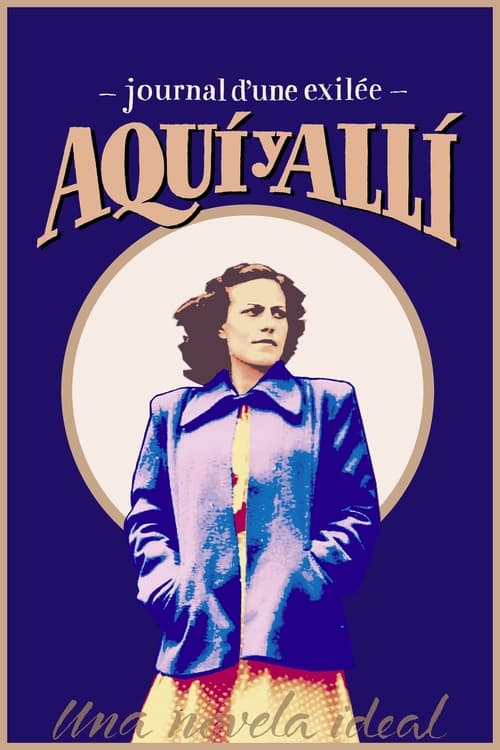
While cleaning the apartment of Lucía, her deceased grandmother, Anna finds a notebook where she discovers the story of a secretly kept love, lived during the turbulent years of the Second Republic and the Spanish Civil War.
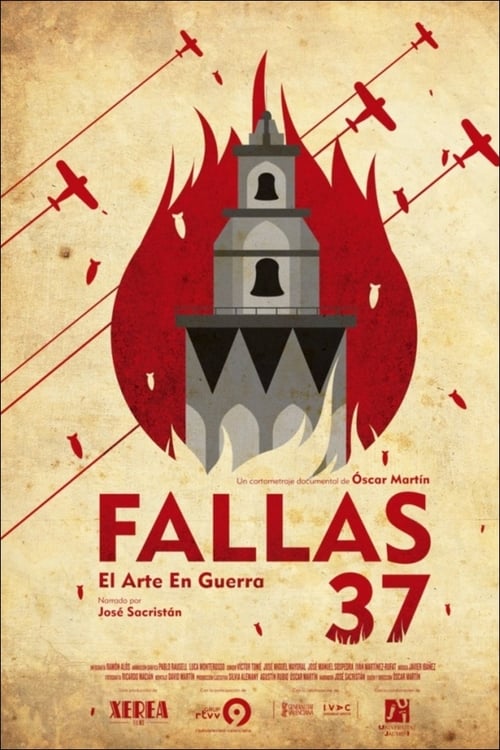
In November 1936, a few months since the beginning of the Spanish Civil War, the government of the Second Republic moves to Valencia. In this situation, several Valencian artists and intellectuals decide to build four fallas — satirical plasterboard sculptures created to be burnt — to mock fascism.
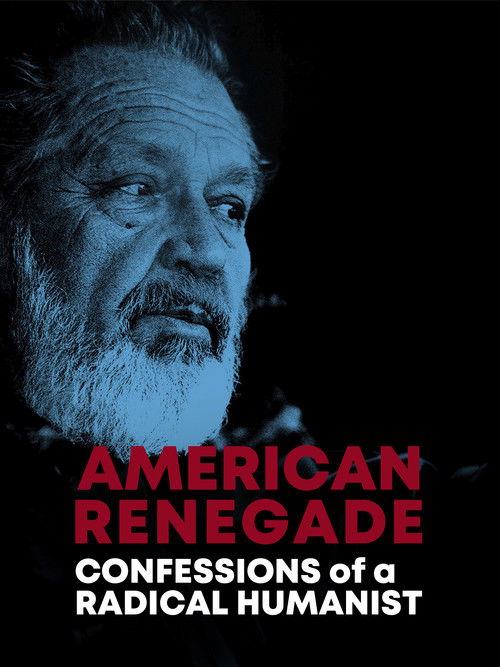
Most people knew Abe Osheroff as an activist. For most of his 92 years - from the frontlines of the Spanish Civil War to the picket lines of the U.S. labor movement, from the struggles for civil rights in Mississippi to his work for human rights in Nicaragua - Osheroff threw himself into the fray with rare energy and enthusiasm. In this riveting and inspiring new film, Osheroff reflects on the meaning of his activism, exploring the ideas that animated his actions and sharing wisdom built up over a lifetime of commitment to the "radical humanism" that defined his politics and philosophy.
Activist, lover, visionary, renegade - For 75 years, Abe Osheroff fought on the front lines of social activism - from the battlefields of the Spanish Civil War to the killing fields of Nicaragua; from the witch hunts of McCarthy to the sharecroppers of Mississippi to streets all across the United States, Osheroff put his life on the line to keep justice alive. Through the unflinching lens of this documentary feature, this master storyteller takes us on an insightful journey inside the defining conflicts of 20th Century activism with irreverent humor and unwavering commitment to a lifetime of engagement. Osheroff's confessions strike a resounding chord in today's world with a singular voice that never stopped chanting "yes we can!"
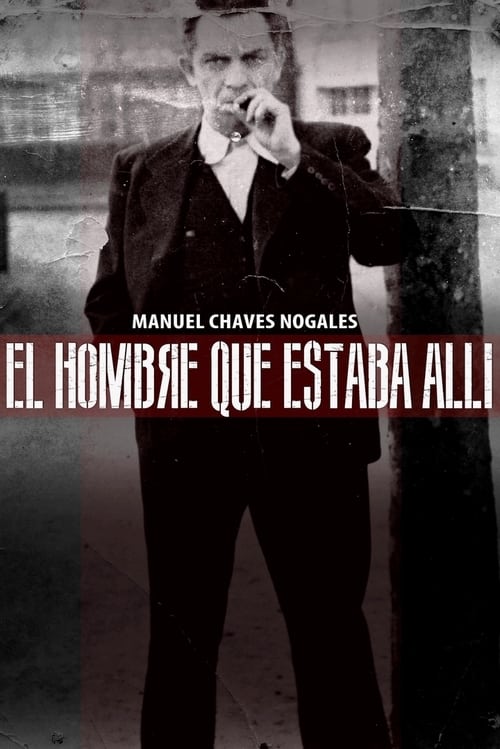
The Spanish journalist Manuel Chaves Nogales (1897-1944) was always there where the news broke out: in the fratricidal Spain of 1936, in Bolshevik Russia, in Fascist Italy, in Nazi Germany, in occupied Paris or in the bombed London of World War II; because his job was to walk, see and tell stories, and thus fight against tyrants, at a time when it was necessary to take sides in order not to be left alone; but he, a man of integrity to the bitter end, never did so.
Biography of the comrade Helios Gómez (1905-1956), painter and draftsman, gypsy and Sevillian, anarchist militant first and then communist.
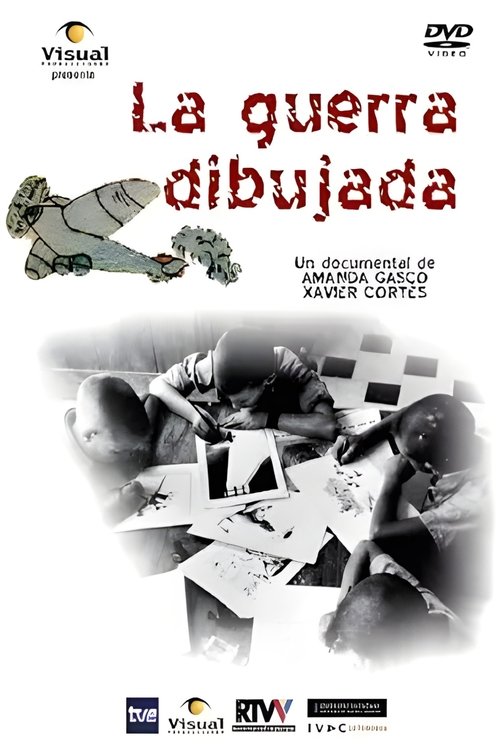
This documentary is a vision of the Spanish civil war seen by the children of that time: sometimes as a game and other times as a dangerous adventure. A mixture of fascination and fear that was captured forever in the form of drawings.
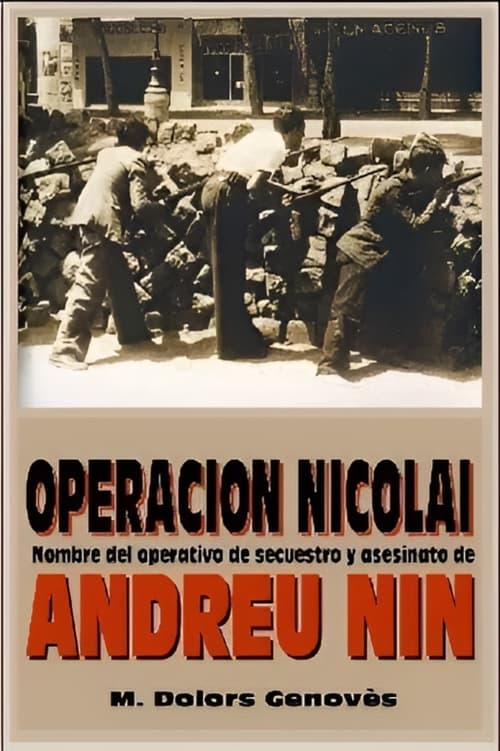
"Operation Nikolai" is a documentary about the kidnapping and murder of Andreu Nin by Stalin's political police during the Spanish Civil War.
The military uprising of 1936 tried to eradicate all traces of the social transformation that had brought the Republic. There were villages like Guímara, in the Valley of Fornela (León), whose almost unanimous support to the Republic supposed a hard and systematic repression. This isolated village, of about 85 neighbors, suffered one of the most painful forms of punishment: deportation of adults to concentration camps, separating them from their minor children. In this documentary it is told the chronicle of this terrible repression that sought to subdue and subjugate the population through fear, trying to destroy family ties, solidarity networks between the people and personal and collective subsistence economy. The memory of lullabies from their mothers was the echo that reached their children from the forced exile who lived their elders.