The documentary 'Jaén, Viento del Pueblo' places the viewer in the year 1936 and takes them to the present day, analyzing and pivoting around the processes of exhumation of the graves in the province of Jaén, the stories of relatives and experts
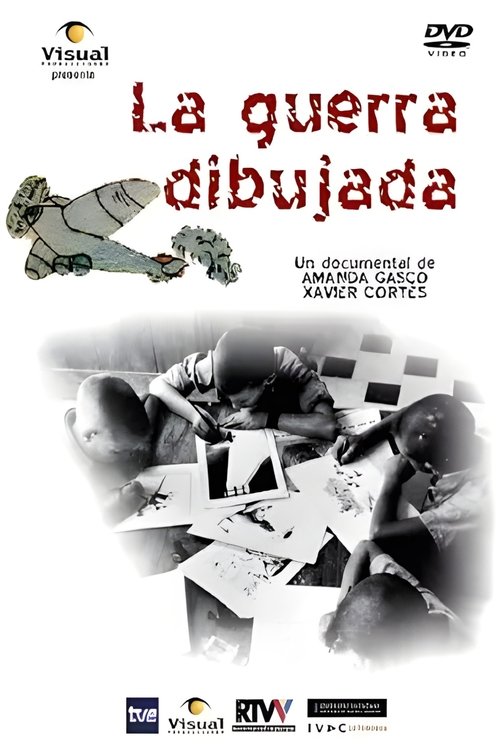
This documentary is a vision of the Spanish civil war seen by the children of that time: sometimes as a game and other times as a dangerous adventure. A mixture of fascination and fear that was captured forever in the form of drawings.
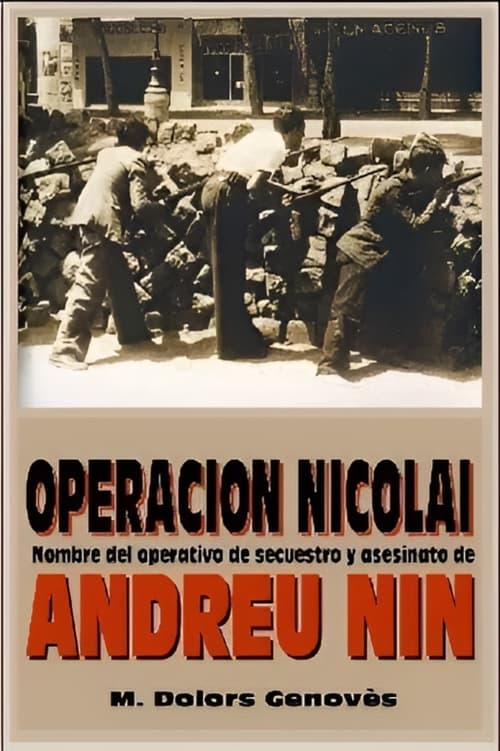
"Operation Nikolai" is a documentary about the kidnapping and murder of Andreu Nin by Stalin's political police during the Spanish Civil War.
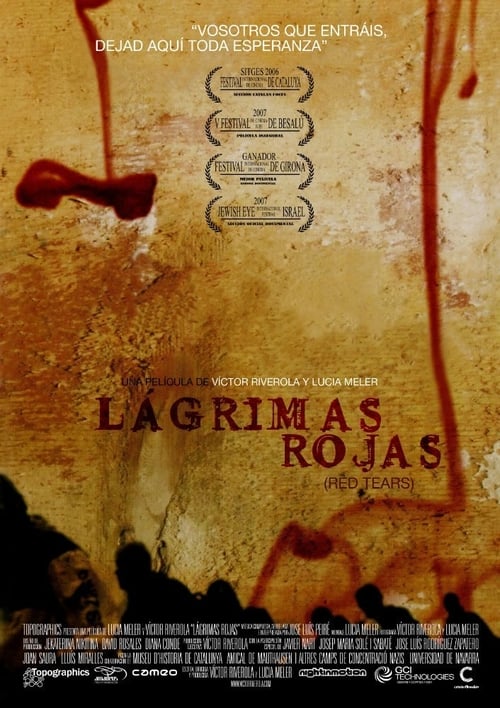
The military uprising of 1936 tried to eradicate all traces of the social transformation that had brought the Republic. There were villages like Guímara, in the Valley of Fornela (León), whose almost unanimous support to the Republic supposed a hard and systematic repression. This isolated village, of about 85 neighbors, suffered one of the most painful forms of punishment: deportation of adults to concentration camps, separating them from their minor children. In this documentary it is told the chronicle of this terrible repression that sought to subdue and subjugate the population through fear, trying to destroy family ties, solidarity networks between the people and personal and collective subsistence economy. The memory of lullabies from their mothers was the echo that reached their children from the forced exile who lived their elders.
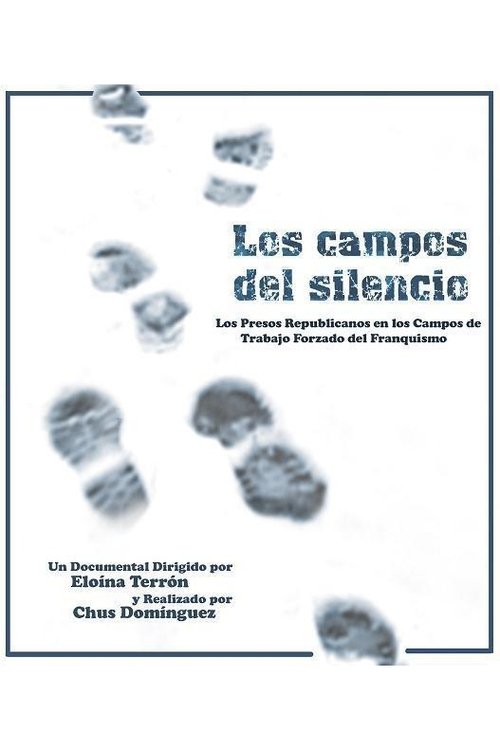
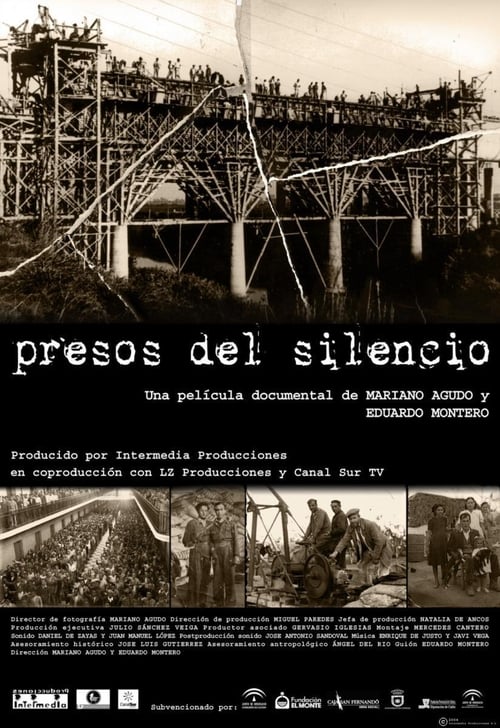
Who made the dams of the Ebro, Entrepeñas, Barrios de Luna and many others? Who rebuilt towns and cities like Belchite, Brunete, Oviedo, Teruel... among many other populations? Who built from airports such as Sondica or Labacolla to municipal stadiums like those of Valladolid and Palencia, to prisions like Carabanchel or Cordoba? Republicans who were prisoners condemned to work as slaves, whose only "crime" had been to defend the democratically elected legality. This documentary tries to recover the memory of these events focusing on the battalion of Republican prisoners of Fabero del Bierzo. It investigates the mechanisms of social construction of silence, fear and forgetfulness that even today can be felt where the events occurred and where the descendants of many of those prisoners still live.
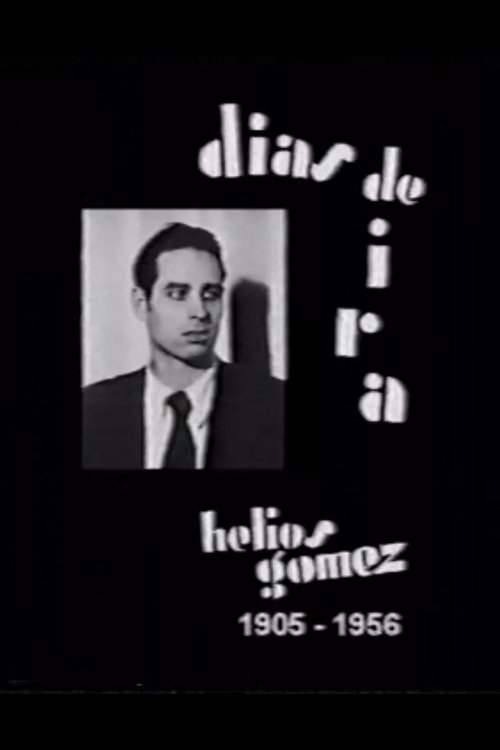
Biography of the comrade Helios Gómez (1905-1956), painter and draftsman, gypsy and Sevillian, anarchist militant first and then communist.
The amazing story of Cifesa, a mythical film production company founded in Valencia by the Casanova family that managed to dominate the box office during the turbulent times of the Second Spanish Republic, the carnage of the Civil War and the hardships of the long post-war period and Franco's dictatorship — and survive until the sixties, when Spain was timidly beginning to change.
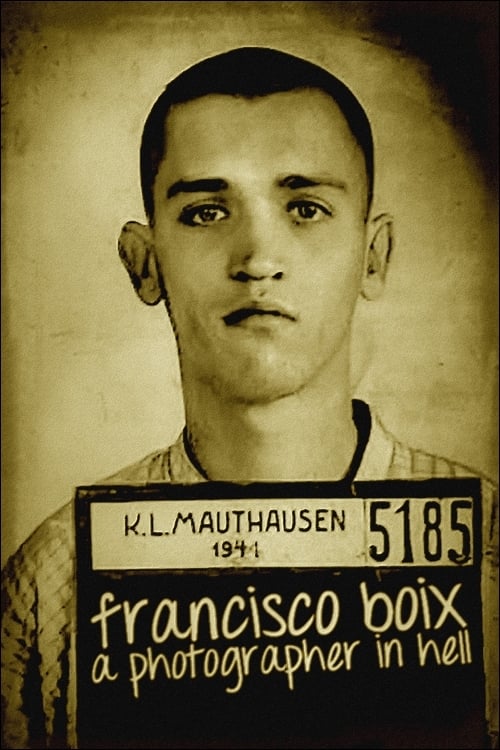
In 1939, just finished the Spanish Civil War, Spanish republican photographer Francesc Boix escapes from Spain; but is captured by the Nazis in 1940 and imprisoned in the Mauthausen concentration camp, in Austria, a year later. There, he works as a prisoner in the SS Photographic Service, hiding, between 1943 and 1945, around 20,000 negatives that later will be presented as evidence during several trials conducted against Nazi war criminals after World War II.
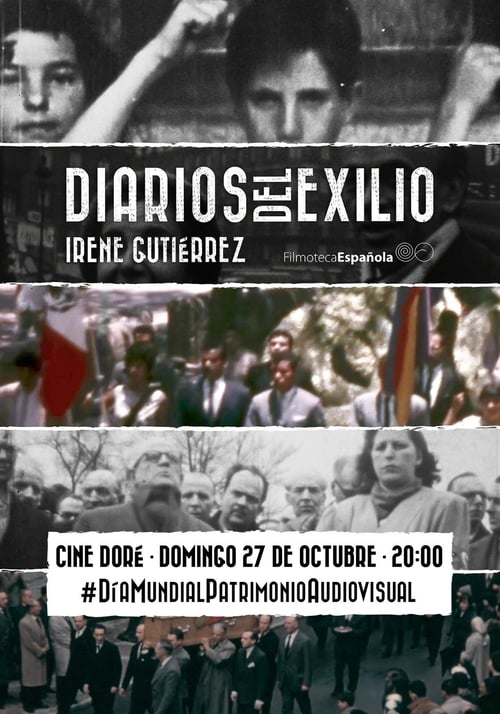
A documentary made with homemade videos of the spanish exiled due to the dictatorship in Spain from 1939 to 1977.
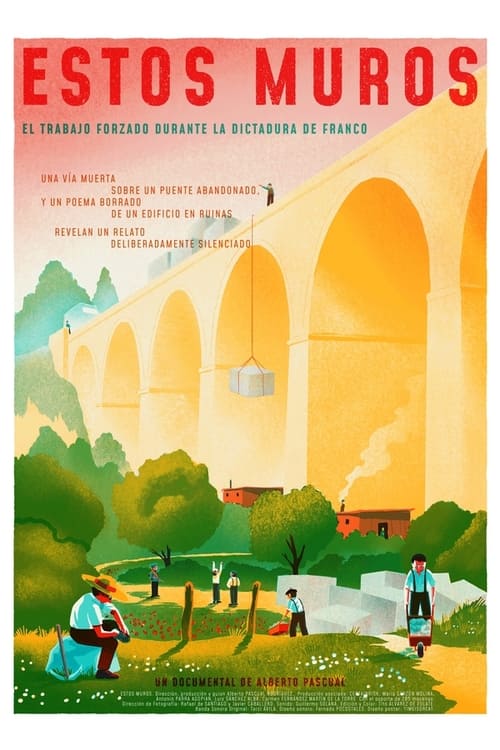
In the mountains of Madrid, Spain, a railway track on an abandoned bridge and a poem erased from the wall of a ruined building reveal a deliberately silenced story: the system established by Franco's dictatorship after the civil war (1936-39) that allowed hundreds of companies to use thousands of convicted Republicans as slave labor.
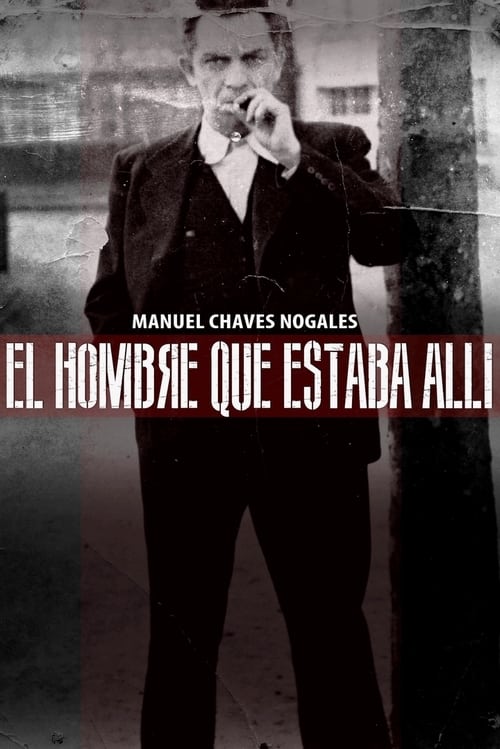
The Spanish journalist Manuel Chaves Nogales (1897-1944) was always there where the news broke out: in the fratricidal Spain of 1936, in Bolshevik Russia, in Fascist Italy, in Nazi Germany, in occupied Paris or in the bombed London of World War II; because his job was to walk, see and tell stories, and thus fight against tyrants, at a time when it was necessary to take sides in order not to be left alone; but he, a man of integrity to the bitter end, never did so.
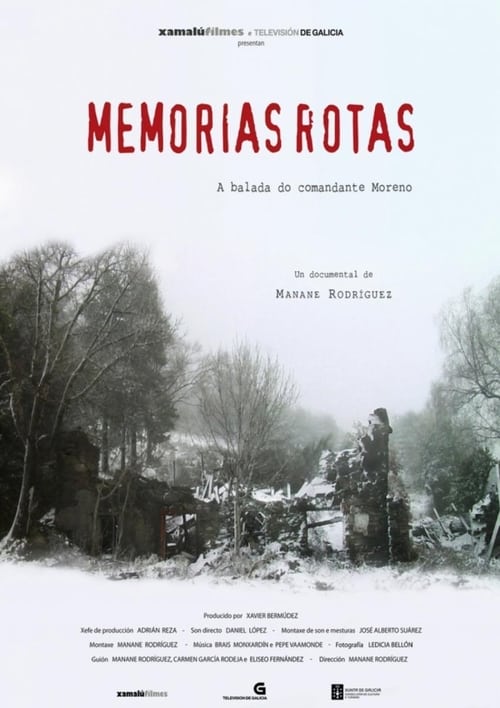
An audiovisual chronicle of the Spanish Civil War in Galicia. Memorias Rotas centers on a group of republican fighters leaded by Commander José Moreno. The group disappears as they fail trying to escape by sea in the border between Galicia and Asturias and nobody ever knows about them.
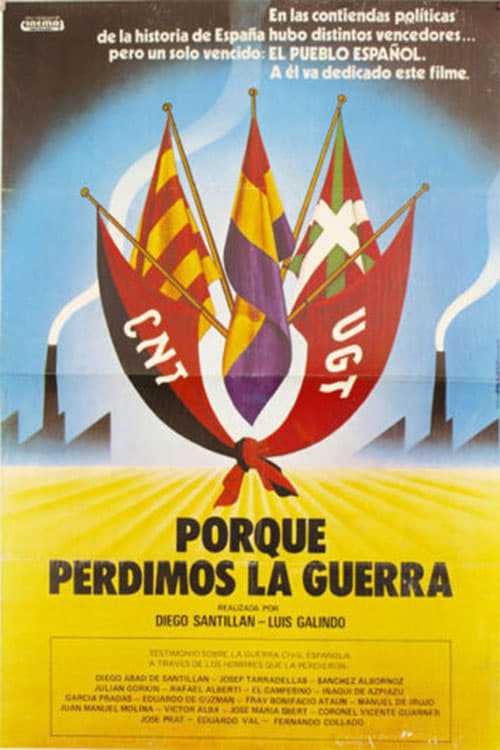
A documentary about how Republican forces lost to Franco in the Spanish Civil War.
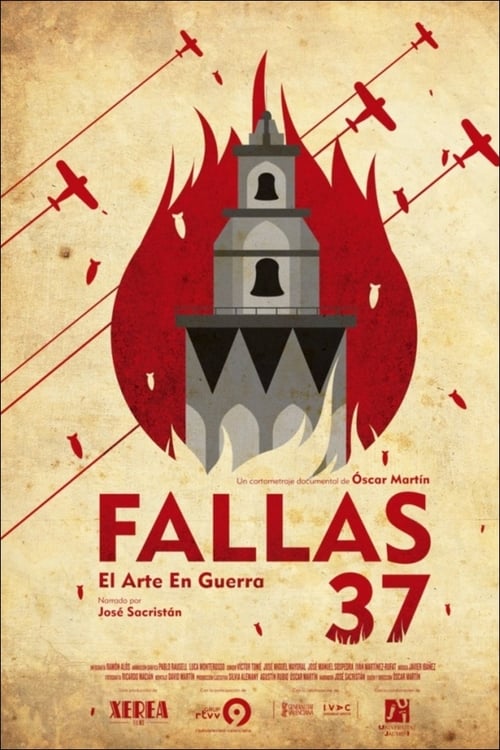
In November 1936, a few months since the beginning of the Spanish Civil War, the government of the Second Republic moves to Valencia. In this situation, several Valencian artists and intellectuals decide to build four fallas — satirical plasterboard sculptures created to be burnt — to mock fascism.