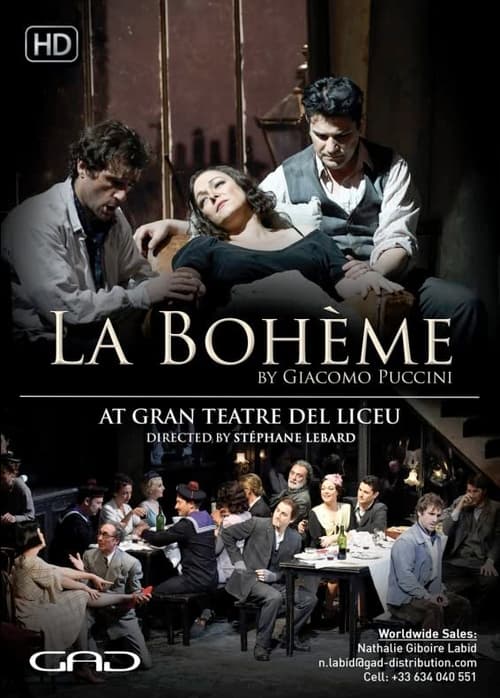
“La Bohème” follows a group of artists struggling to make a living in 19th-century Paris. The poet Rodolfo falls in love with the fragile seamstress Mimi. Love and joy are intertwined with poverty and illness in this story filmed live.
Violeta Alarcón
as Lucia (Mimì)
Facundo Muñoz
as Rodolfo
Xavier Vilalta
as Marcello
Anna Farrés
as Musetta
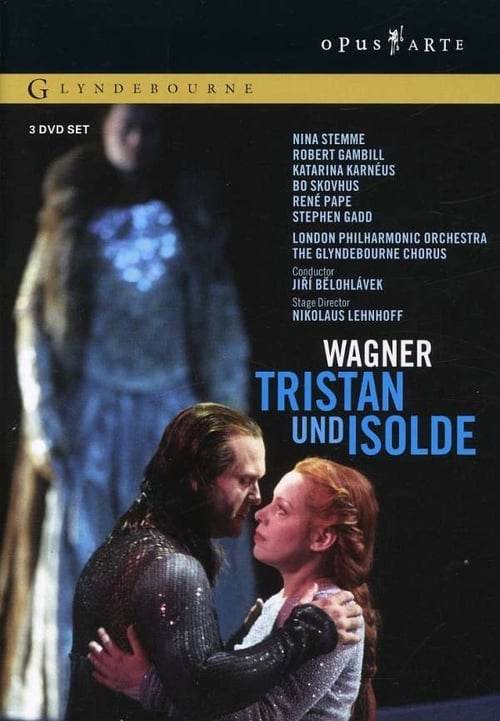
Glyndebourne's celebrated production of Nikolaus Lehnhoff's Tristan und Isolde is a supremely intelligent achievement; gravely beautiful, haunting and meditative, it is deeply reflective rather than visceral, fortified by Roland Aeschlimann's stunningly effective set, a womb-like space through which the protagonists move like gods. Conductor Jiří Bělohlávek mirrors Lehnhoff's approach in his sophisticated plumbing of the score's depths, with every shift in texture carefully laid bare by an inspired London Philharmonic Orchestra. Nina Stemme's Isolde and Robert Gambill's Tristan, both gloriously lyrical, are matched by superb performances from René Pape as the betrayed and vulnerable King Marke and Bo Skovhus as Kurwenal, deeply touching in his helpless devotion to Tristan. This High Definition recording of a production of uncommon intimacy reveals the opera's music and drama in a new light.
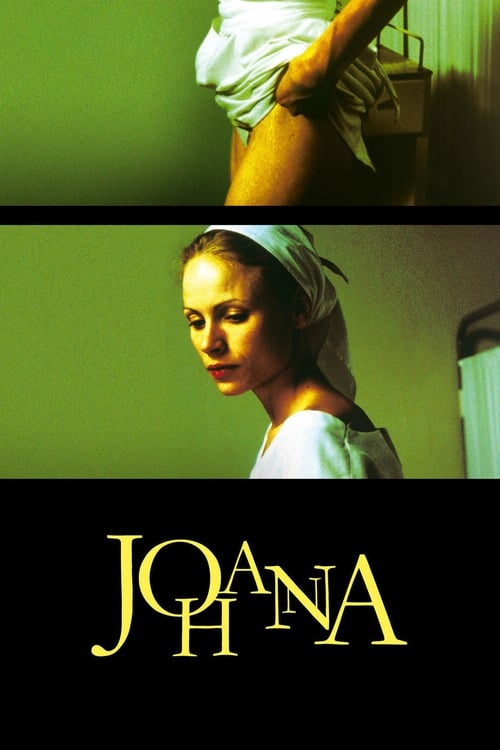
Johanna, a young drug addict, falls into a deep coma after an accident. Doctors miraculously manage to save her from death's doorstep. Touched by grace, Johanna cures patients by offering her body. The head doctor is frustrated by her continued rejection of him and allies himself with the outraged hospital authorities. They wage war against her but the grateful patients join forces to protect her. This is a filmic and musical interpretation of the Passion of Joan of Arc.
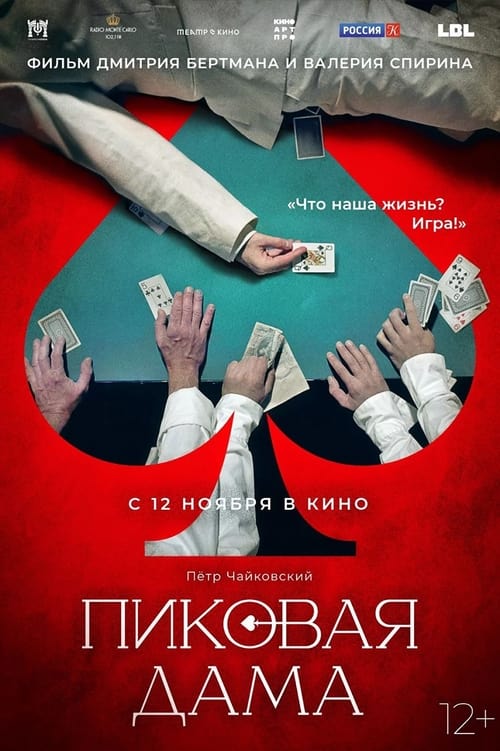
"The Queen of Spades" is considered Tchaikovsky's best creation by the world-famous conductor, People's Artist of the USSR Vladimir Ivanovich Fedoseev. He took over the leadership of the musical process of recreating the production at Helikon Opera. The original reading, modern stage language, love for Tchaikovsky's music, which became the hallmarks of Helikon's "Queen of Spades," are preserved in the new version. To this were added the thoughtful gaze of maestro Fedoseev, the stunning stage capabilities of the new hall and the artistic talent of the Helikon troupe.
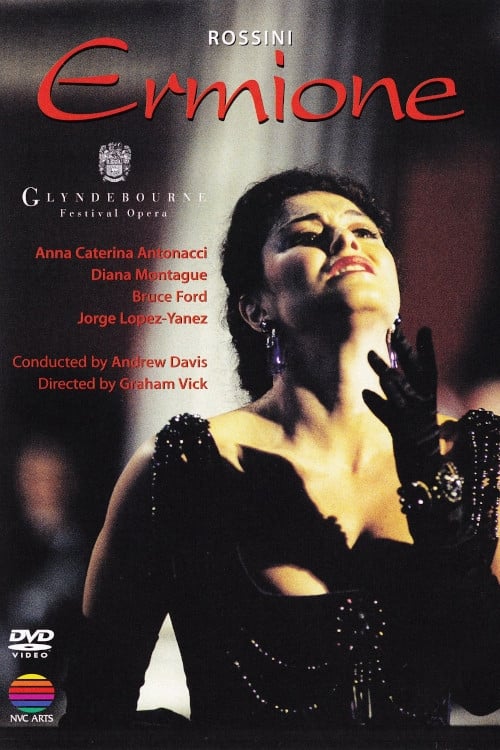
Recorded at the Glyndebourne Festival Opera in 1995, this acclaimed presentation of composer Gioachino Rossini's epic opus ERMIONE is based on Jean Racine's play "Andromache." Set in Troy after the city fell to the Greeks, the production recounts the rancorous battle between widow Andromache and Helen of Troy's green-eyed daughter, Ermione for the love of Pyrrhus
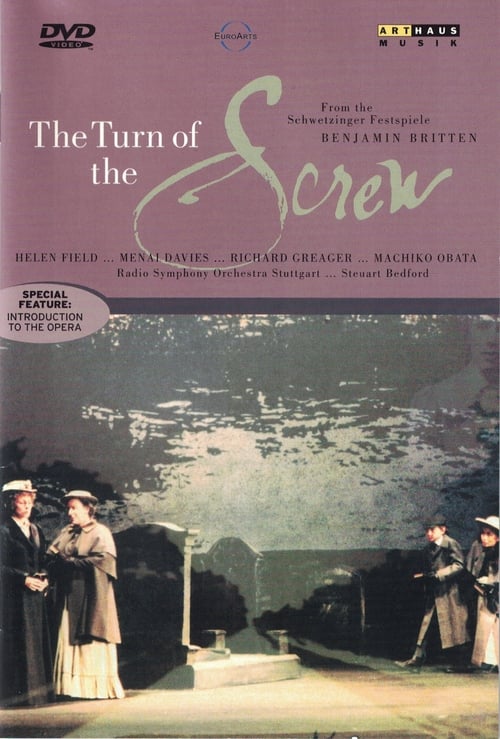
In Benjamin Britten's operatic adaptation of Henry James' masterwork, a naive governess (Helen Field) arrives at a country manor and soon discovers that it holds a murky secret involving her charges and two ghostly servants who wield a sinister influence on them. The taut, atmospheric production also stars Sam Linay, Machiko Obata, Menai Davies and Phyllis Cannan, with the Stuttgart Radio Symphony Orchestra providing accompaniment.
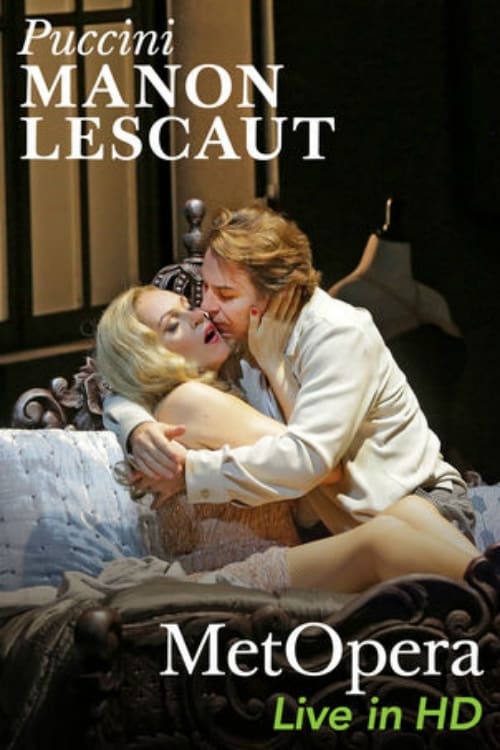
Kristine Opolais is the young woman whose conflicting desires for love and luxury lead to her tragic end, and Roberto Alagna plays the man who falls for her in Puccini’s early hit. Richard Eyre’s elegant production, which sets the action in 1940s occupied France, was one of the highlights of the Met’s 2015–16 season. Massimo Cavalletti as Manon’s brother and Brindley Sherratt as her aging admirer co-star, and Principal Conductor Fabio Luisi is on the podium.
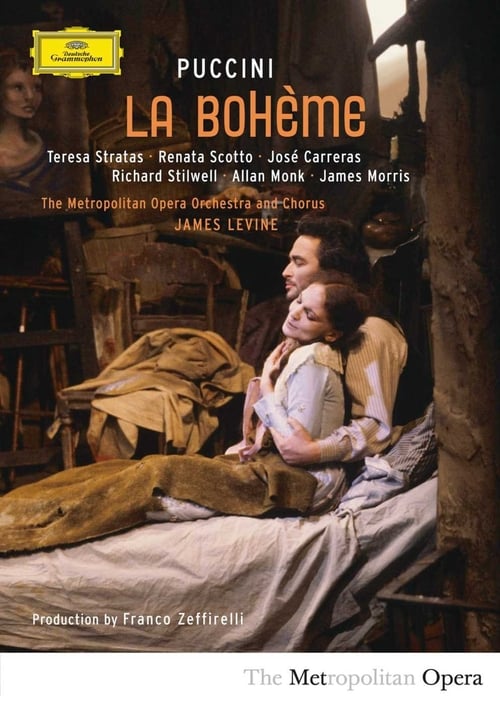
"La Bohème" is one of Giacomo Puccini's most popular and timeless works and the second-most performed opera at New York's Metropolitan Opera. This production, directed by the legendary Franco Zeffirelli, features José Carreras, Teresa Stratas, Renata Scotto and Richard Stilwell. The opera is replete with extraordinary visual beauty as it presents the tragic story of young bohemians struggling to make it in the world.
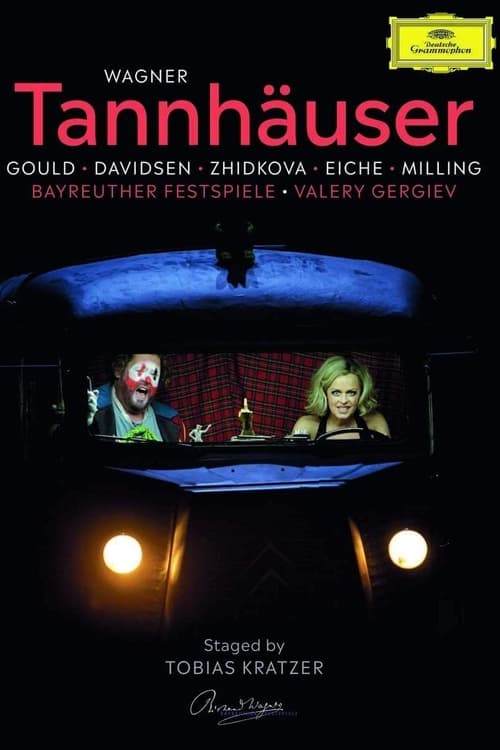
Anew production of Tannhäuser, which was premiered on 26 July 2019 and presented the Bayreuth debut of conductor Valery Gergiev, as well as the house debut of young soprano star Lise Davidsen. Tobias Kratzer’s staging presented Tannhäuser as a wildly contemporary parable of art and freedom which was praised as “novel” and “wrenching” (New York Times) and received exceptional press acclaim. hey were joined by mezzo soprano Elena Zhidkova’s Venus (“scene stealing”, according to Opera Today), baritone Markus Eiche’s Wolfram and Stephen Milling’s Landgraf.
The man looks back on a turbulent love life, which he does not dare to opt definitively for a permanent love. He loves Tosca, but leaves her for another new love, Alpha. He cherishes the infatuation at the start of a relationship, meaning he is not yet ready for real life. However, at the end, he is able to make his choice ...
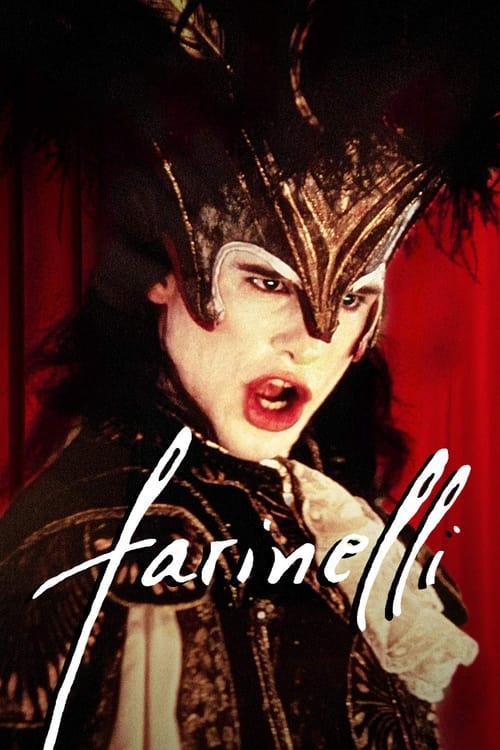
The life and career of Italian opera singer Farinelli, considered one of the greatest castrato singers of all time.
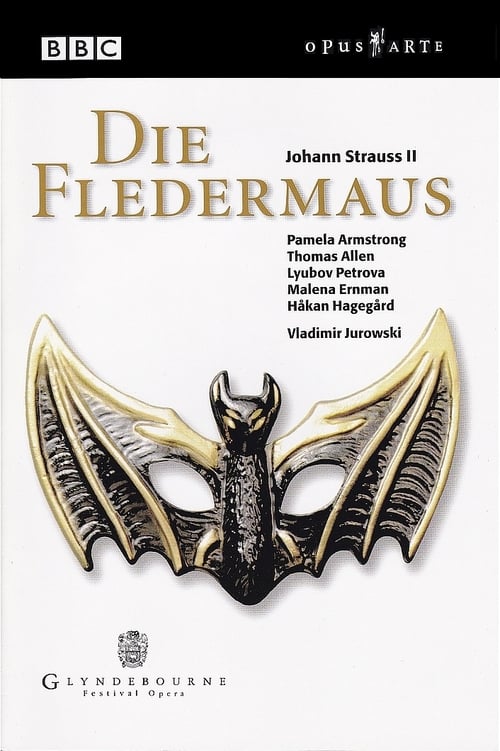
Glyndebourne's pulsating new production of the Waltz King's much-loved comic operetta. Its story centers on a magnificent masked ball, given by a Russian prince, that brings together all the main characters in various disguises. The three-act journey from boudoir to ballroom to jail provides ample opportunities for farce and humor, but also for genuine human emotion and a surprisingly realistic view of urban life.
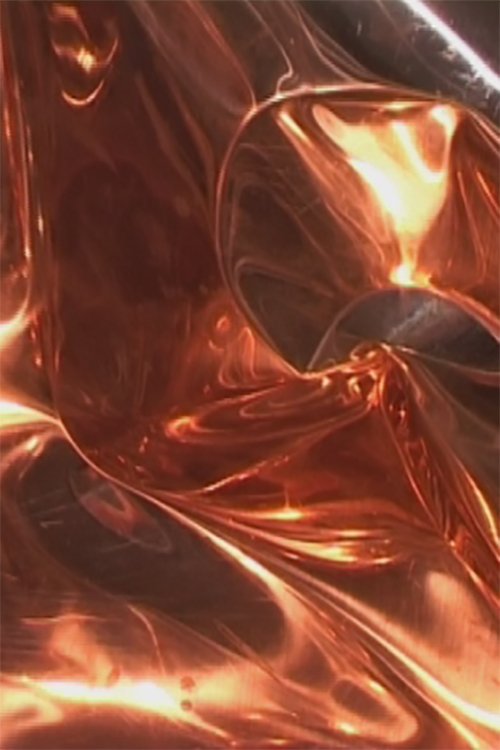
Shortly before his death, Romitelli together with his friend Paolo Pachini and the poetess Kenka Lèkovich, resurrected the dream of a total scenic art (a furnace of sensations, they called it, an_ initiation rite_) in the manner of the Futurists: rhythms and gleams of light striking metals (for the video part), poems in iron and chrome singing of fusion with matter (Kenka Lekovich), acoustic/electric music highly amplified, filtered, spatialised, in as artificial a manner as possible. An Index of Metals bears vigorous witness to this determination to go beyond: sizzling orchestration, electric and psychedelic; a voice which plays on effects, murmurs with reverb, cackles into a megaphone, screams like a pop star; and an electric guitar score of a kind that no ‘serious’ composer has ever written, sliding across an infinite range of tones with a lightness of touch and blurring of contours.