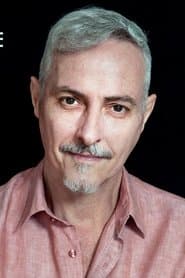
Juan Carlos Iakimczuck
as
Roberto Iakimczuck
Jorge Iakimczuck
Victor “Vitico” Bereciartua
Juan Antonio Ferreyra
Alambre Gonzalez
Eduardo Beaudoux
Pablo Mingione
Pablo Balbuena
Pedro Aznar
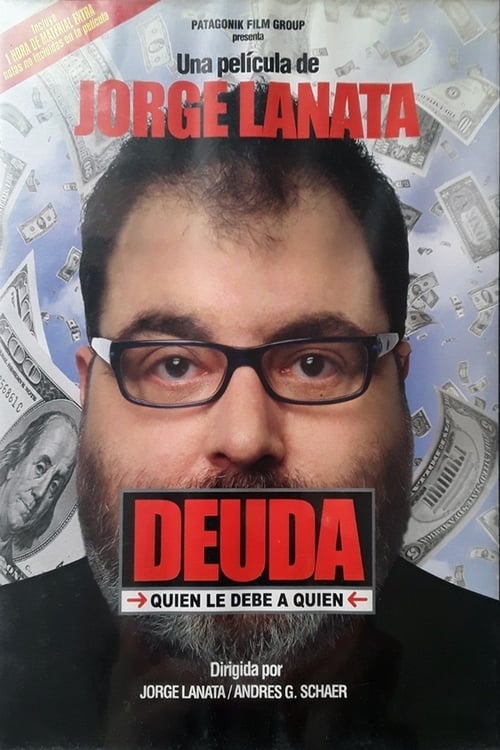
DEBT is the story of a frantic pursuit: the search for the responsible for the televised cry of hunger of Barbara Flores, an eight-year-old Argentinean girl. Buenos Aires, Washington, the IMF, the World Bank and Davos; corruption and the international bureaucratic lack of interest.
After the fall of the military dictatorship in 1983, successive democratic governments launched a series of reforms purporting to turn Argentina into the world's most liberal and prosperous economy. Less than twenty years later, the Argentinians have lost literally everything: major national companies have been sold well below value to foreign corporations; the proceeds of privatizations have been diverted into the pockets of corrupt officials; revised labour laws have taken away all rights from employees; in a country that is traditionally an important exporter of foodstuffs, malnutrition is widespread; millions of people are unemployed and sinking into poverty; and their savings have disappeared in a final banking collapse. The film highlights numerous political, financial, social and judicial aspects that mark out Argentina's road to ruin.
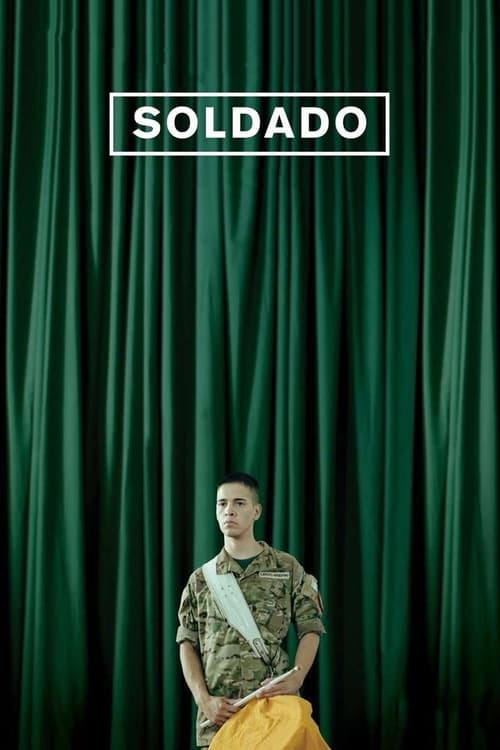
A young man decides to join the army. He becomes the drummer in the military band, and his everyday life is now a combination of military training and music. What does the Argentine Army do these days, more than thirty years after the dictatorship? What does it mean to be a soldier in a country without wars?
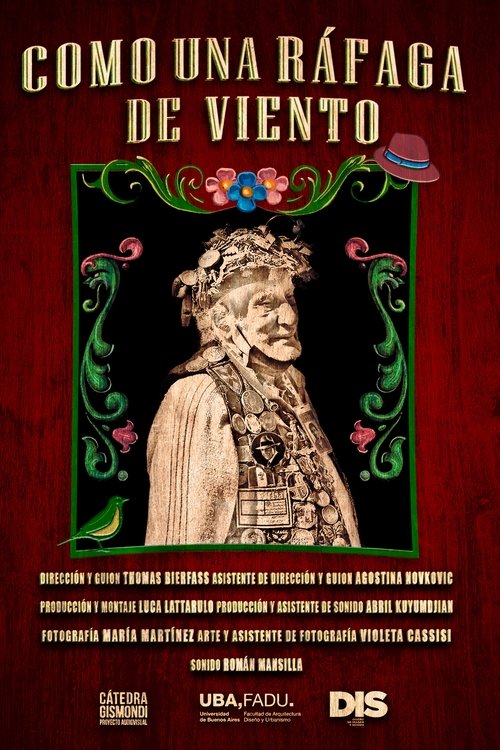
In a decadent flea market there are rumors of a legend that inhabits the place. However, he is confined to his post until Carlos Gardel appears to him and gives him a mission in order to restore the shine of the Market.
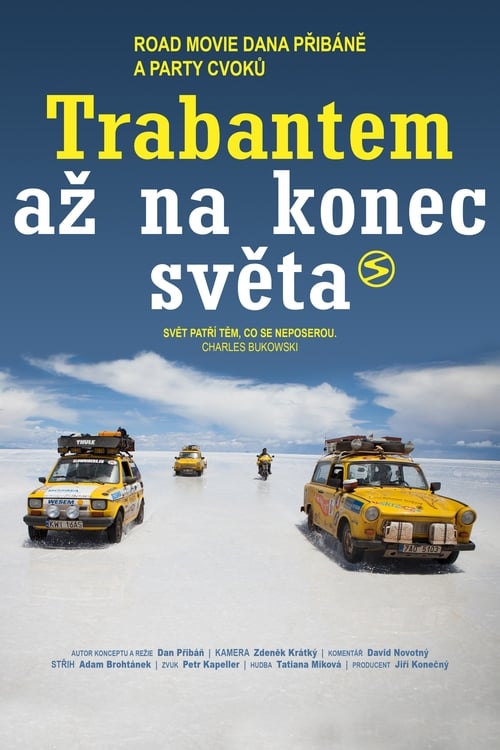
The third installment in Dan Přibáň's series of travel documentaries describes the author's journey with his friends across South America in vehicles that are often notorious but cult in their own way. The charming dynamics of the group on screen are further enhanced by the high-quality craftsmanship.
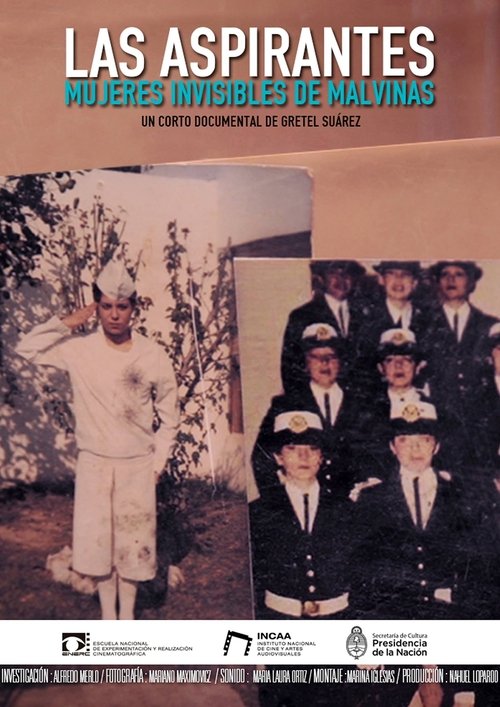
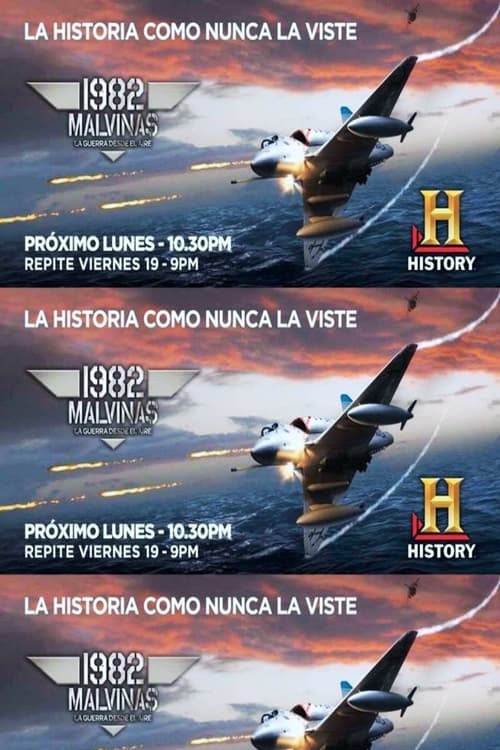
A story that explores the role of women in the Malvinas War. The protagonist, leader of a group of veteran nurses, commits suicide while this documentary is being filmed. Her companions took on her legacy and continue the fight for recognition in the face of the silence of history and the Argentine Navy.
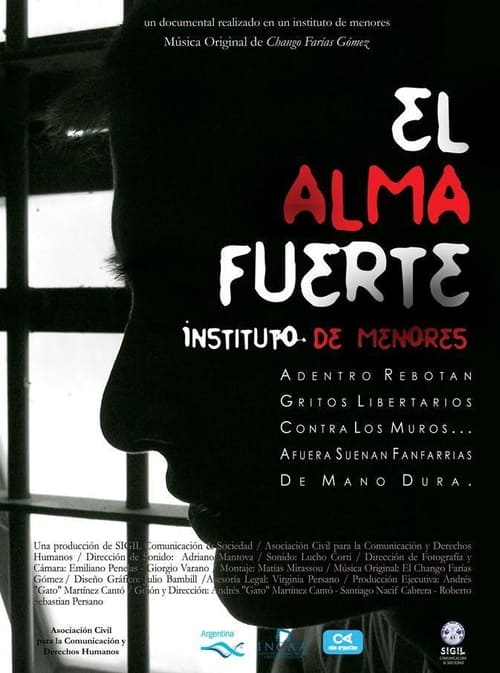
The youngsters housed in the "Almafuerte" Maximum Security Juvenile Institute have their first approach to audiovisual recording. A film and documentary video workshop serves as an excuse for them to make a short film inside the prison. The camera is a rabid toy that generates fascination in them and rescues a sheltered, innocent smile that seemed forgotten under the shadows. While inside libertarian cries bounce against the walls, outside sounds fanfares of an iron fist.
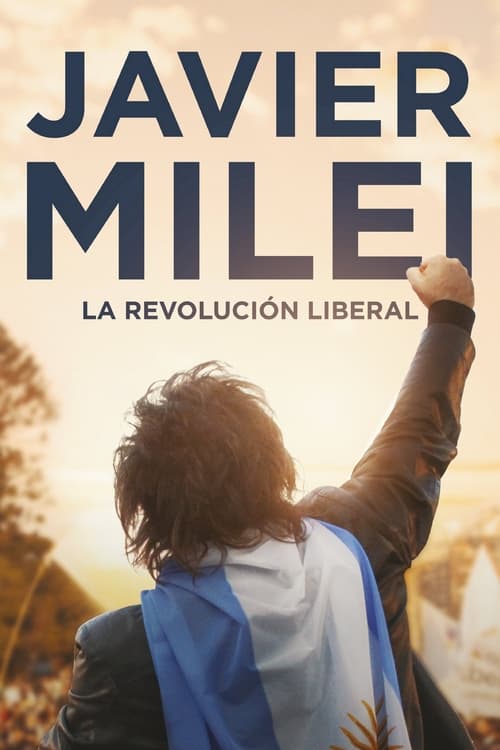
A portrait of Argentine libertarian politician Javier Milei.
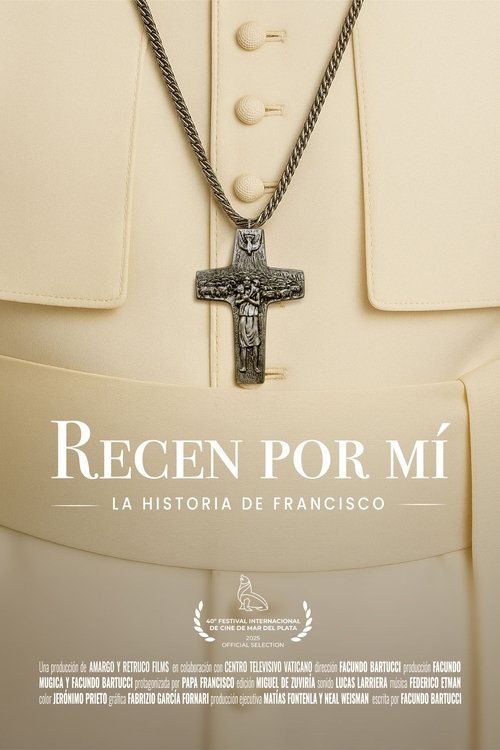
Pray for me: Pope Francis’ story is a documentary that follows the life journey of Pope Francis, with a particular focus on his social and humanitarian work. The film portrays a man deeply devoted to the causes of the poor, the marginalised, and the forgotten: from his early years in Argentina to his role as a spiritual leader on the global stage. Blending archival footage, personal testimonies, and a thoughtful, ethical perspective, the documentary offers an intimate and timely portrait of one of the most influential figures of our time.
In Argentina, a woman dies every week as the result of illegal abortions. In 2018, for the seventh time, a motion supporting legal, secure and free abortion was presented to the national congress of Argentina. The project provoked a fierce debate, revealing a society divided more than ever between the pro-life and freedom to choose positions. Through an assemblage of passionate testimonies, Let It Be Law documents the determination of women fighting bravely to secure the right to physical self-determination, and bears witness to their massive mobilization in the streets of Buenos Aires.
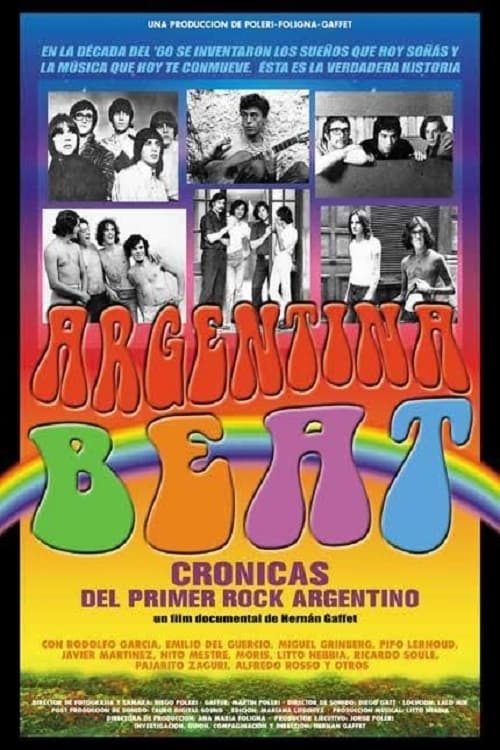
Through the second half of the 1960's the Beat movement and the first National Rock were the flagship of the youth, leaders as never before of a society in transformation. The formation of the first bands, the venues for concerts, the difficulties to sing rock in Spanish and interact with other artists create new ways to communicate previously unavailable. This documentary presents the story of these first pioneers of the Argentinean rock music.
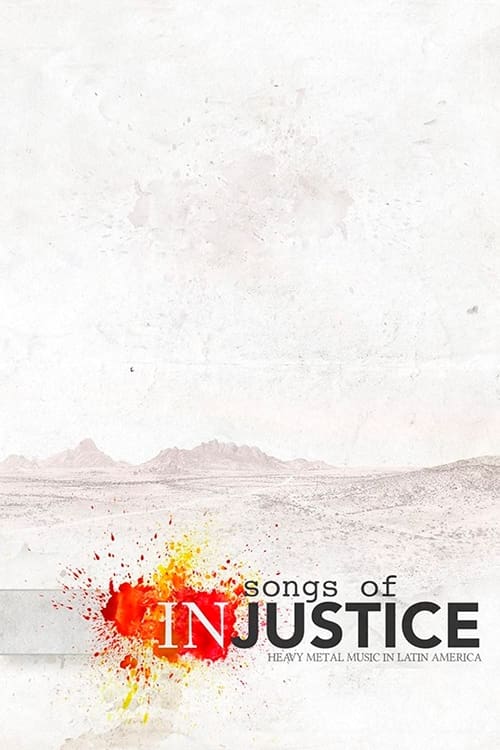
In this documentary film a team of researchers examine the social contexts that influenced the emergence and permanence of heavy metal music in Chile, Argentina, Mexico and Peru. Colonialism, dictatorships, terrorism and neoliberal exploitation serve as points of reference for how heavy metal in the region has been directly linked to each country's social and political context.
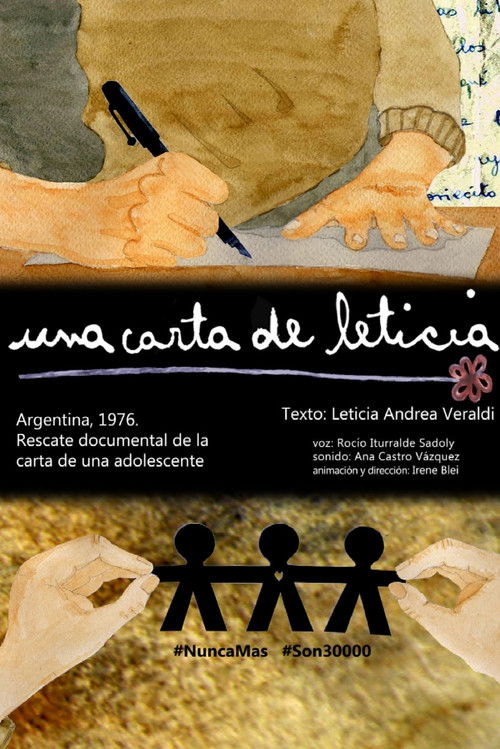
Leticia was 17 years old when she was kidnapped from school. She had arrived in Cipolletti a year earlier from the Vicente López National School in Buenos Aires. This letter was found while searching for photos and testimonies from those days.
In the 2000s, Vicente Viloni and La Masa became legendary wrestling rivals and idols for kids across the country. The hit television show "100% Lucha" brought a spectacle of skill and drama to every home, forging a famous rivalry that transcended the screen, leaving a mark on national culture. After the conflict that separated them for ten years, they face each other in the ring and relive great moments from their careers.
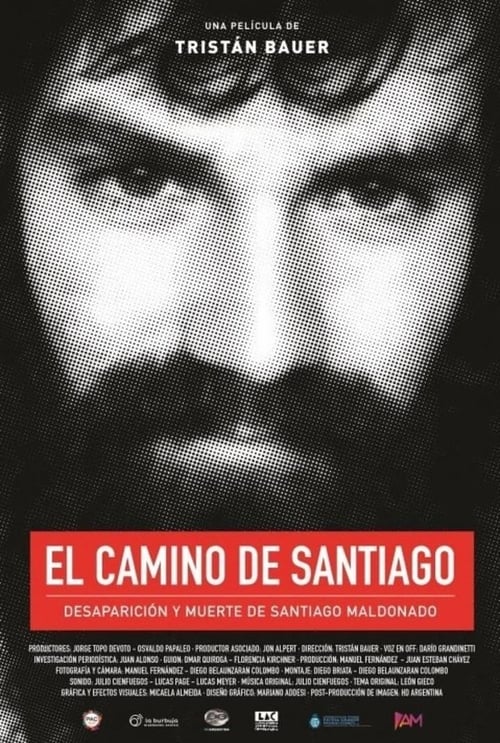
Santiago Maldonado disappeared in the midst of repression against a Mapuche community that claimed to Luciano Benetton for his land. His body was found 78 days later. The need for truth and justice continues
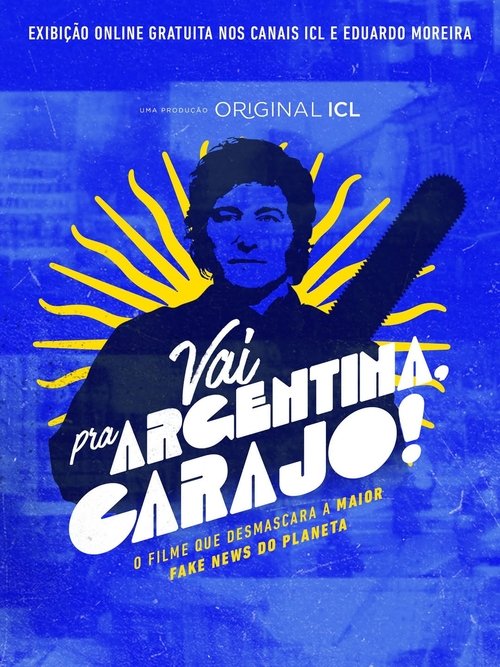
The production investigates the so-called "economic miracle" of Javier Milei's government, contrasting the official discourse with the reality faced by the Argentine population. Filmed in Buenos Aires in August, the documentary features testimonies from citizens, economists, and social leaders, offering a direct portrait of the human impacts of the Argentine president's ultraliberal plan.
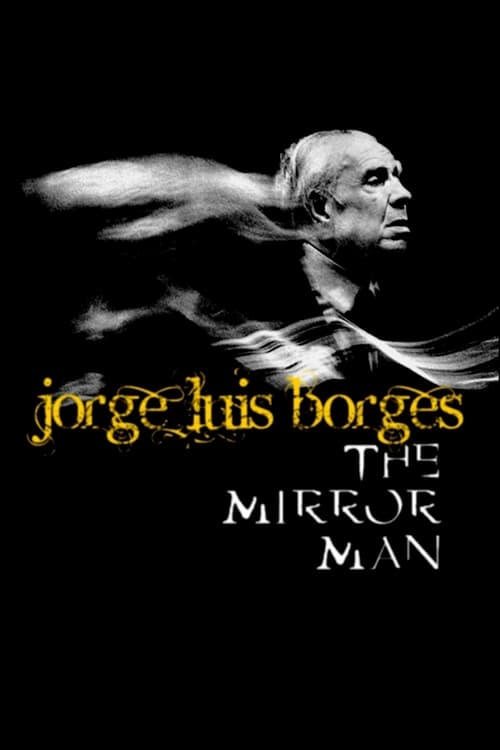
The lifetime of the great Argentinian man of letters Jorge Luis Borges through narration and interviews of such key players in his life as Leonor de Acevedo —his mother—, María Kodama —his second wife—, and Adolfo Bioy Casares —his best friend and collaborator for decades.