Into the Island is the first chapter of Groundwork, a three-part film and exhibition series exploring the conceptual development and field research of contemporary architects cultivating alternative modes of engagement with new project sites.
Xu Tiantian
as Self
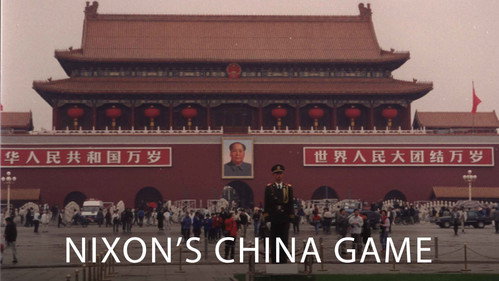
THE AMERICAN EXPERIENCE presents Nixon’s China Game, the story of an operation so secret that it managed to elude the international press, the members of Nixon’s cabinet, and even the US State Department. The documentary features never-before-seen footage of Kissinger’s secret mission to China, newly released transcripts of the negotiations, private diaries, Nixon’s own handwritten notes, and interviews with American and Chinese officials -- including those who were in on the covert plan, and those who were kept in the dark.
Dan Cruickshank explores one of Britain’s last Victorian country homes, Tyntesfield, a Gothic fantasy frozen in time and a monument to the Victorian age.
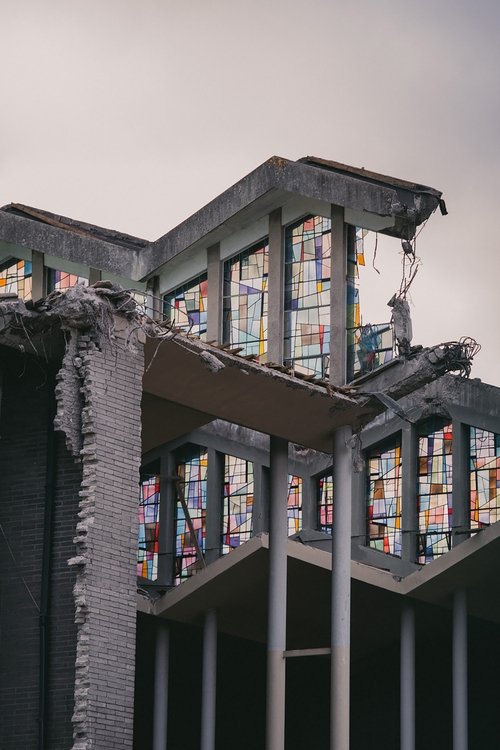
Making Dust is an essay film, a portrait of the demolition of Ireland's second largest Catholic Church, the Church of the Annunciation in Finglas West, Dublin. Understanding this moment as a 'rupture', the film maps an essay by architectural historian Ellen Rowley on to documentation of the building's dismantling. Featuring oral interviews recorded at the site of the demolition and in a nearby hairdressers, the film invites viewers to pause and reflect on this ending alongside the community of the building. The film is informed by Ultimology, and invites its audience to think about the life cycles of buildings and materials, how we mourn, what is sacred, how we gather, what we value and issues of sustainability in architecture.
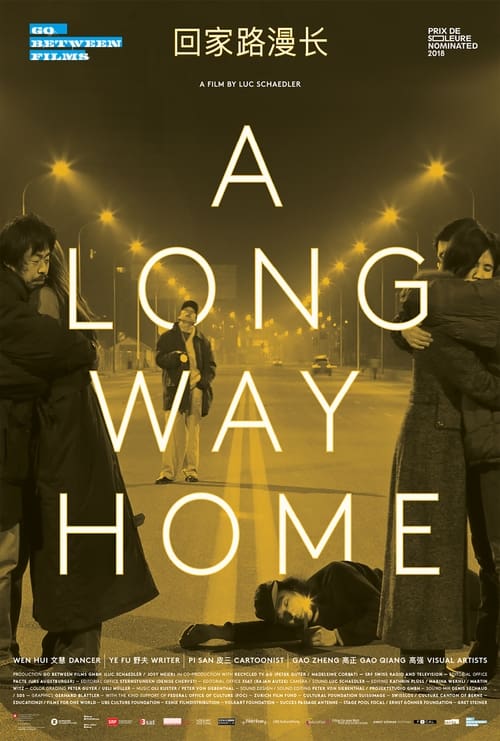
A Long Way Home takes us on a fascinating journey into both the grim days of recent Chinese history and the dazzling cultural scene in present-day China. The film centers around five of the most significant representatives of contemporary Chinese counterculture: the visual artists the Gao Brothers, the choreographer and dancer Wen Hui, the animation artist Pi San and the poet Ye Fu. With bravery and subversive wit, they each shed light on the social problems in their country. In doing so, the film poses universal questions that ultimately concern us all: which values determine our cultural identity and in what kind of world do we want to live.
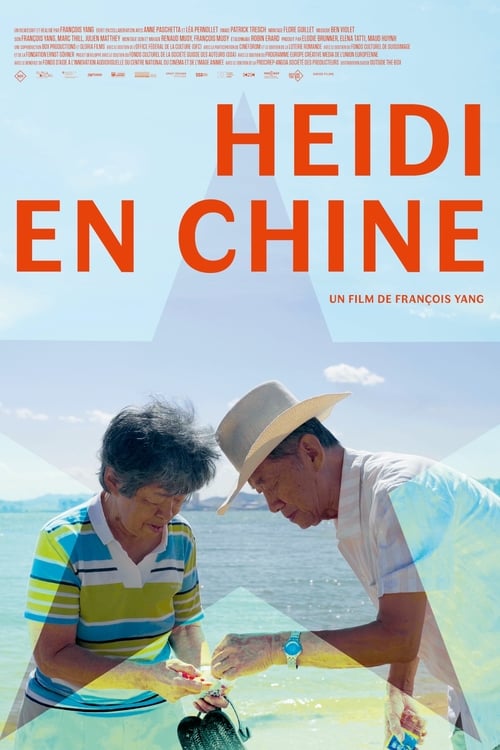
In 1946, Heidi is entrusted to a Swiss family by her father. He will never come back for her. Today, François Yang questions his mother about her past. What follows is a journey to China, a quest to reconstruct memory. Through contact with her brothers and sister, Heidi measures the extent of the drama experienced by her family that remained in China, persecuted by the Communist Party.
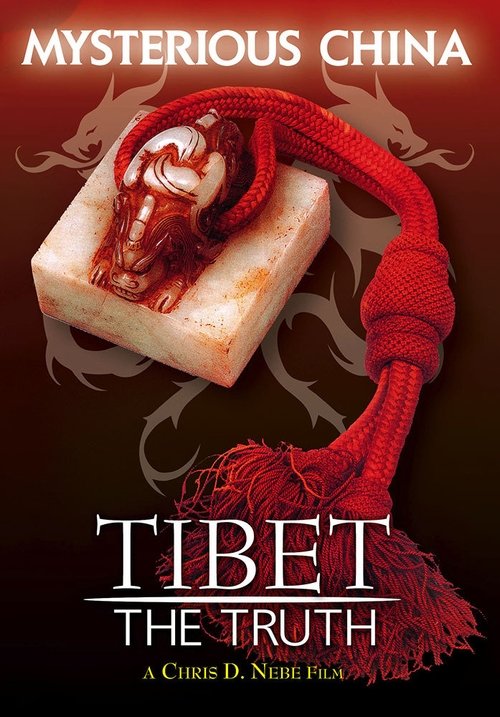
The accumulated history of Tibet and other issues contributing to the current situation in the region as it relates to China.
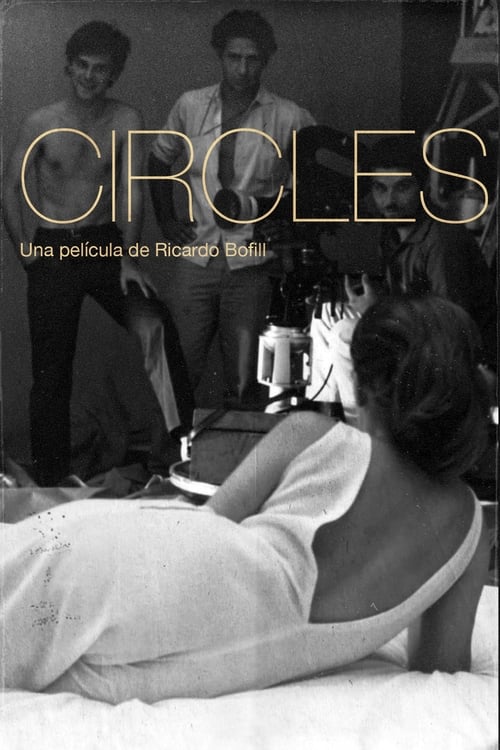
The geometry of circles and ellipses is explored using the Roman Colosseum as an example. Using the Pantheon as another practical example, this program explores the concepts of central and intercepted angles, arc segments and chords. The Etude du Cinéma de l’Ecole de Barcelona (a short-lived group that appeared in Spain in the 1960s) offers the opportunity to consider the distrust of the avant-gardes with regard to narrative. The lacunar narration whose principle the School of Barcelona adopts goes against the traditional narrative and its quest for coherence and continuity. She invites the viewer to make the disconcerting experience of unbinding and emptiness. Such an approach involves an ethical posture. The Barcelona School follows in the footsteps of a modernity that intends to move away from an alienating authoritarian discourse and claims to make the spectator a partner in creation.
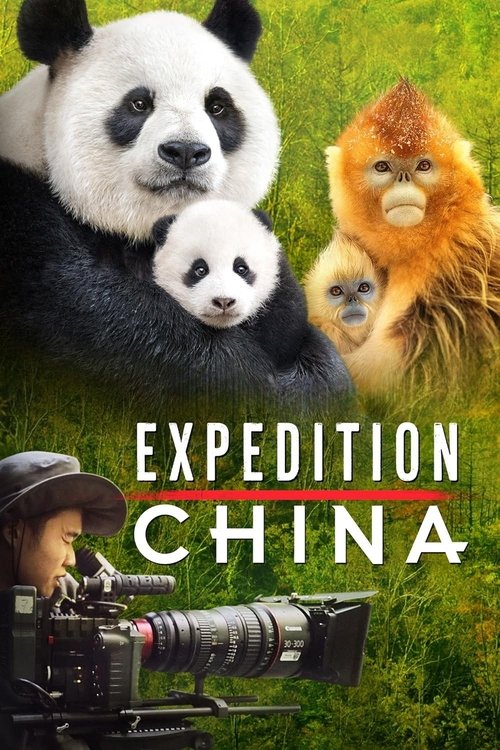
Expedition China invites you on location in some of the world's most intense, hard-to-reach environments with the filmmakers of Disneynature's big-screen adventure Born in China.
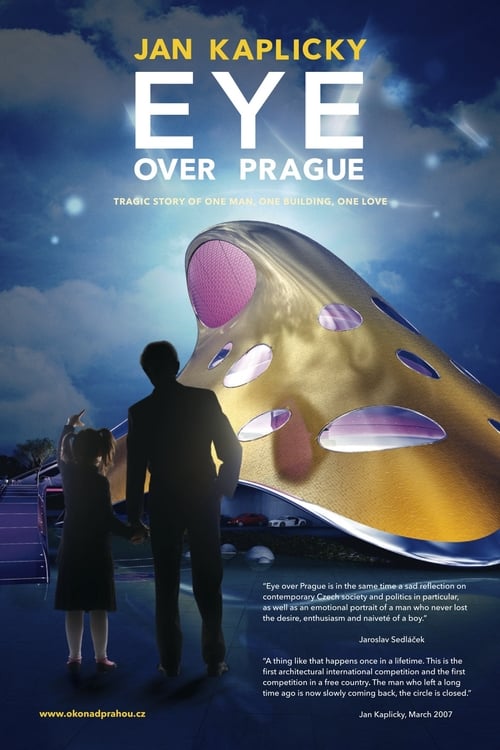
A personal and political biography of the Octopus, or the Prague National Library project, but also a biography of the last years of the life of the author of this design, Jan Kaplický, who wrote in his diary in 1998: to win the competition and have one love. With this entry, read by Eliška Kaplicky at the beginning of the film, it is as if the world-class Czech architect wrote not only the "script" for the final decade of his life, but also for a film that follows the dramatic social story of creative imagination and the intimate relationship between a man and a woman.
In the jungles of the Solomon Islands, a remote archipelago in the South Pacific, a biologist is attempting to do something Charles Darwin and Ernst Mayr never accomplished: catch evolution in the act of creating new species. Albert Uy is on the verge of an amazing discovery in the Solomon Islands, but there's a threat looming on the horizon. The islands' resources are being exploited, putting all local wildlife at risk. It's a race against time to gather the evidence necessary to prove the existence of a new species before it's lost forever.
This J.G. Ballard documentary assembles decades of interviews and archival material to paint a striking portrait of one of the most imaginative and provocative writers of the 20th century.
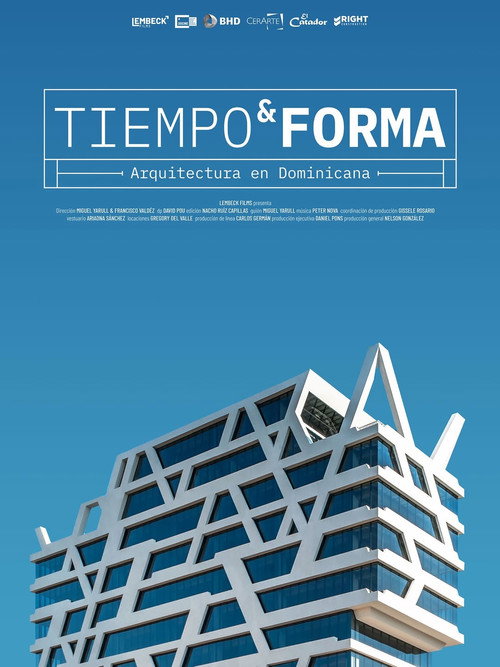
A comprehensive view of the importance, scope, challenges and achievements of architectural work in the Dominican Republic.
Ocean seemed to be unchanging and inexhaustible for ages. But the effect of mankind actions on its biodiversity and its temperature is alarming. In this documentary, Hubert Reeves, supported by scientists and explorers, offers to rediscover what threatens it and, most of all, its extraordinary ability of renewal.
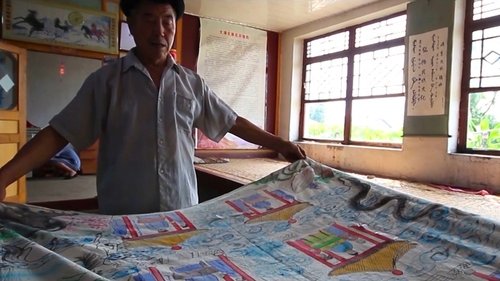
During the Cultural Revolution in China in the late 20th century, ethnic Manchu people were persecuted and forced to give up such cultural traditions as the shaman dance (tiao tchin, meaning "spirit-jumping" or "god's dance"). However, on Changbai Mountain in Northeast China, a farmer named Guan Yunde decided to start designing and building traditional Manchu shaman drums. At age 70, he is one of a minority of ethnic Manchu people in China's Jilin province, and one of the few people keeping the Manchu shamanic tradition alive.
The documentary rebuilds the life of the Brazilian architect João Batista Vilanova Artigas. His relatives, friends, students and six of his major works tell the history of this iconic Latin-American modernist.
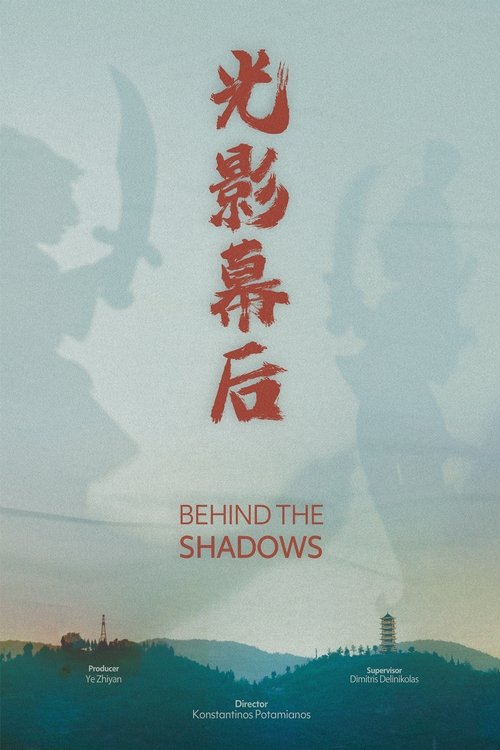
The Greek shadow puppetry began 130 years ago. A student of Greek shadow puppetry travels to China, where shadow puppetry began over 2000 years ago. There he follows Chinese shadow puppeteer master He Shihong in Wushan of China. Watching his performances and listening to him talk about his art and his career in it, many parallels are drawn and he expresses them by including his Greek shadow puppetry teacher in the film. This documentary is a cultural bridge between Greece and China through the art of shadow puppetry.
Heralded as a palace among minor and major league baseball stadiums, Silver Stadium set a standard of excellence from opening day. From May 1929 through the 1990s Silver Stadium served as home to Rochester's historic baseball team, The Rochester Red Wings, as well as many other sporting teams. When not being used as a baseball stadium, the space served as center stage for a variety of traveling acts. Hear from the people closest to the history of this magnificent facility as they take you on a journey through The Memories of Silver.