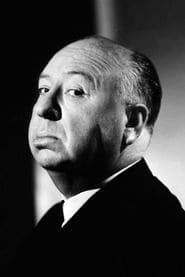
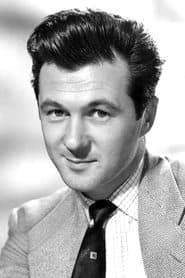
In his 70th year, Alfred Hitchcock came to the National Film Theatre in London to talk to fellow director Bryan Forbes and to answer questions from an audience of film enthusiasts.
Alfred Hitchcock
as Self
Bryan Forbes
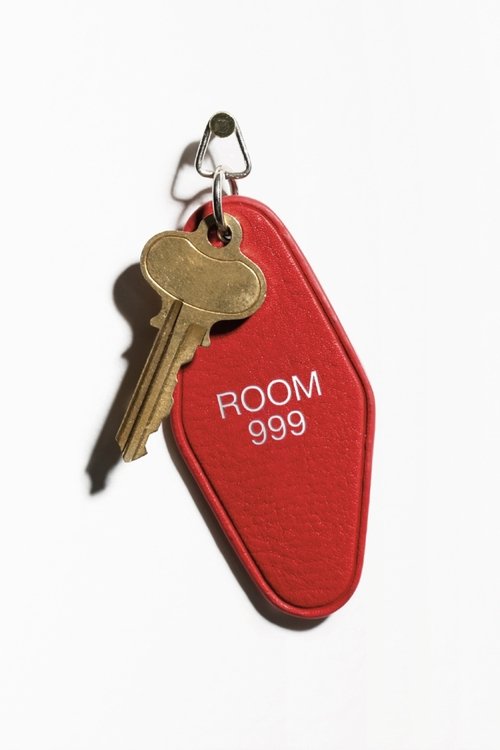
In 1982, Wim Wenders asked 16 of his fellow directors to speak on the future of cinema, resulting in the film Room 666. Now, 40 years later, in Cannes, director Lubna Playoust asks Wim Wenders himself and a new generation of filmmakers (James Gray, Rebecca Zlotowski, Claire Denis, Olivier Assayas, Nadav Lapid, Asghar Farhadi, Alice Rohrwacher and more) the same question: “is cinema a language about to get lost, an art about to die?”
In the heart of Paris, an entire palace has disappeared. It was the very first residence of the kings of France. Long before Versailles, long before the Louvre, the Palais de la Cité stood on the most prestigious island in Paris, the historic cradle of France, facing Notre-Dame. So majestic in the Middle Ages, this palace has become a ghost of history. Over the centuries, this architectural masterpiece has almost completely disappeared. A trio of experts will resurrect it in 3D. Using science and unprecedented excavations, they will track down the pieces of the puzzle to reconstruct it at its peak in the 14th century, and bring back to life those who inhabited it. From the Romans to the Vikings, from Saint Louis to the cursed kings, all have left clues of this 'Versailles of the Middle Ages'.
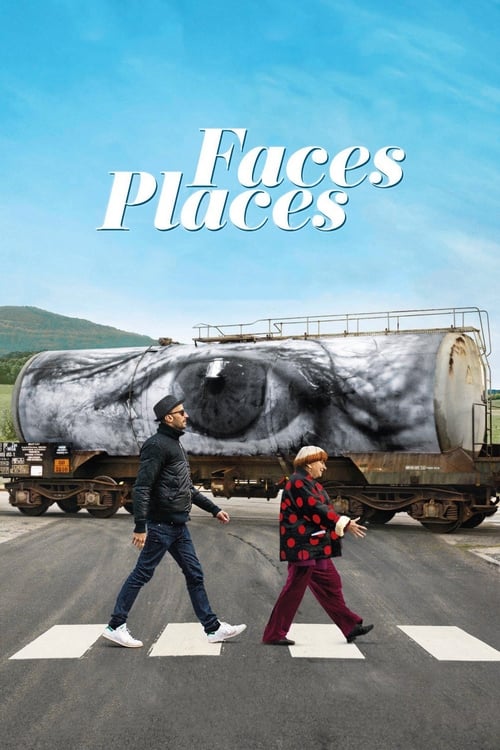
Director Agnès Varda and photographer/muralist JR journey through rural France and form an unlikely friendship.
An Okinawan photographer, Mao Ishikawa spent her early 20s working as a barmaid in establishments catered specifically to African American GIs stationed in Okinawa. “There was love,” as the tagline reads, her photography book, 『Red Flower – The Women of Okinawa』 captured the diaristic intimacy of friendships, love affairs, and wild nights shared amongst her social circle of that time.
With a pair of scissors and some paper, he turned his art into a weapon the Nazis feared. A look back at the eventful career of satirist John Heartfield (1891-1968), pioneer of photomontage and modern graphic design.
An exploration of TS Eliot's The Waste Land, in its centenary year, that for the first time uncovers the personal story behind Eliot's creation of his celebrated poem.
Take a deep dive into the fascinating creative journey of the beloved To Your Eternity series through exclusive statements from its manga and anime creators, including Oima Yoshitoki, Kiyoko Sayama, and more. With narration by Kenjiro Tsuda, this documentary features footage to illustrate the past arc to prepare the new adventure in the contemporary arc and beyond.
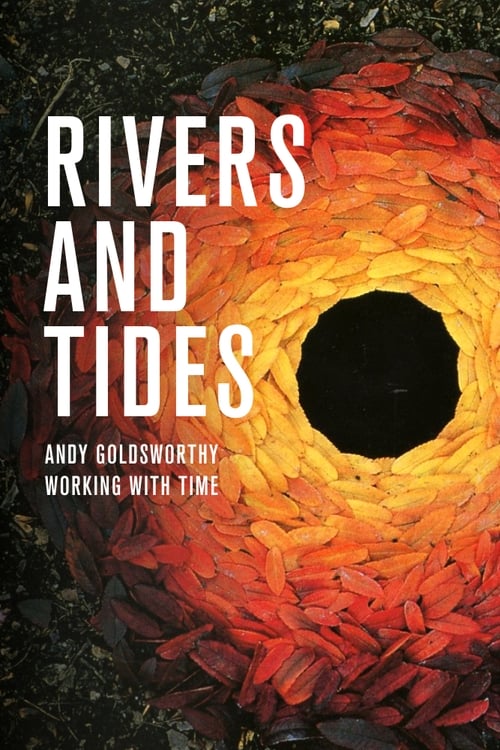
Portrait of Andy Goldsworthy, an artist whose specialty is ephemeral sculptures made from elements of nature.
Everyone thinks that Bob Kane created Batman, but that’s not the whole truth. One author makes it his crusade to make it known that Bill Finger, a struggling writer, actually helped invent the iconic superhero, from concept to costume to the very character we all know and love. Bruce Wayne may be Batman’s secret identity, but his creator was always a true mystery.
A detailed account of the life and artistic career of legendary filmmaker Quentin Tarantino, from his early days as a video club manager to the scandalous fall in disgrace of producer Harvey Weinstein. A story about how to shoot eight great movies and become an icon of modern pop culture.
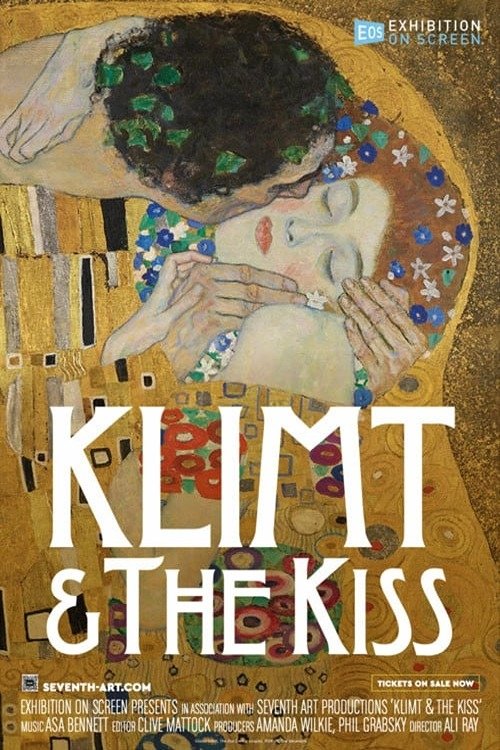
The Kiss by Gustav Klimt is one of the most recognised and reproduced paintings in the world. It is perhaps the most popular poster on student dorm walls from Beijing to Boston. Painted in Vienna around 1908, the evocative image of an unknown embracing couple has captivated viewers with its mystery, sensuality and dazzling materials ever since it was created. But just what lies behind the appeal of the painting – and just who was the artist that created it? Delving into the details of real gold, decorative designs, symbolism and simmering erotica, a close study of the painting takes us to the remarkable turn of the century Vienna when a new world was battling with the old.
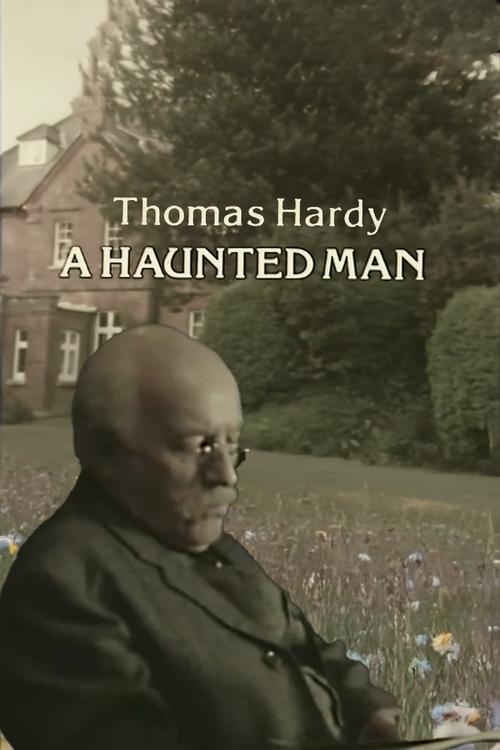
Drama documentary from 1978 exploring the private feelings of novelist Thomas Hardy through the poems of love and remorse that he wrote after the death of his first wife, Emma.
A fascinating exploration of the literary — The Tragedy of Othello, the Moor of Venice, by English playwright William Shakespeare (1604) — and lyrical — Othello, by Italian opera composer Giuseppe Verdi (1887) — myth of Othello, the desperately tragic story of a Moorish general in the army of the Venetian Republic whose absurd jealousy poisons his love for his wife Desdemona.
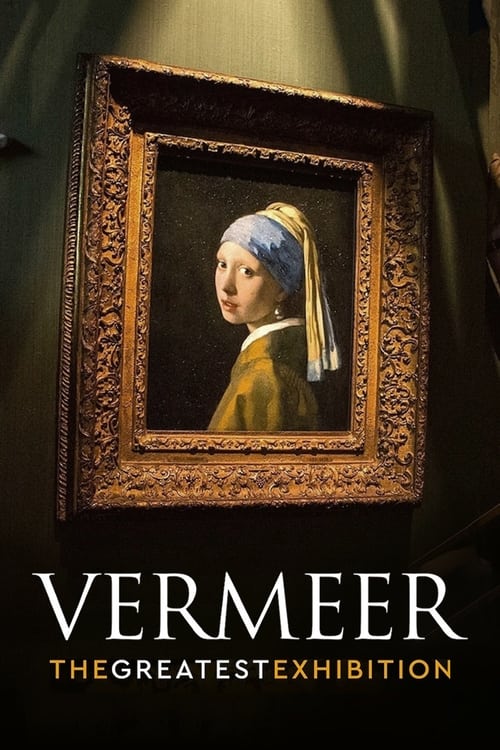
With loans from across the world, this major retrospective will bring together Vermeer’s most famous masterpieces including Girl with a Pearl Earring, The Geographer, The Milkmaid, The Little Street, Lady Writing a Letter with her Maid, and Woman Holding a Balance. This film invites audiences to a private view of the exhibition, accompanied by the director of the Rijksmuseum and the curator of the show.
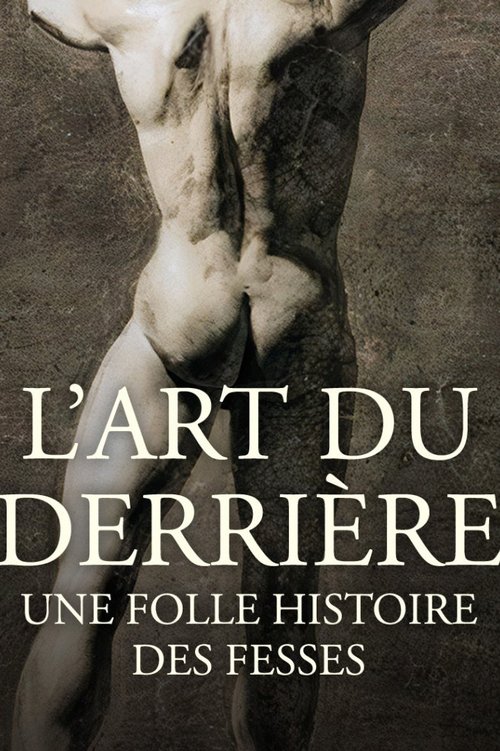
"Do you think I have a cute bottom?" From Brigitte Bardot's cult line in "Le Mépris" (Contempt), to Mireille Darc's iconic lower back, bottoms have long been the subject of every fantasy. And have often been represented in art! A story of eroticism, but also of censure
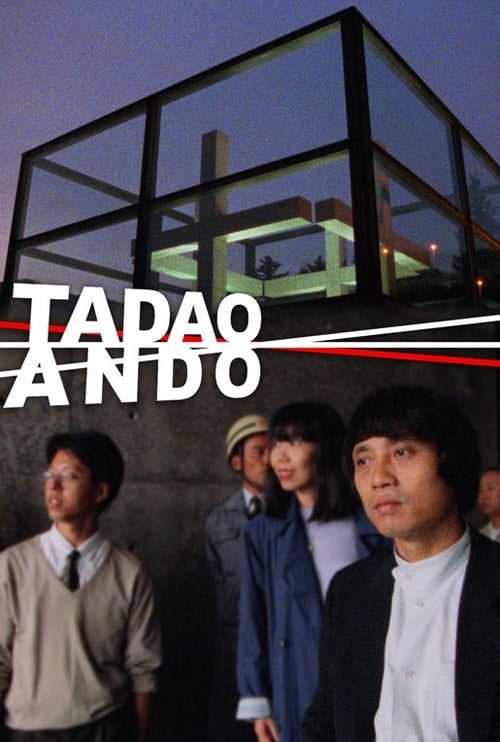
Tadao Ando, a self-taught architect, proposes an international architecture that he believes can only be conceived by someone Japanese. His architecture mixes Piranesian drama with contemplative spaces in urban complexes, residences and chapels. This film presents the formative years of his impressive career before he embarked on projects in Europe and the United States.
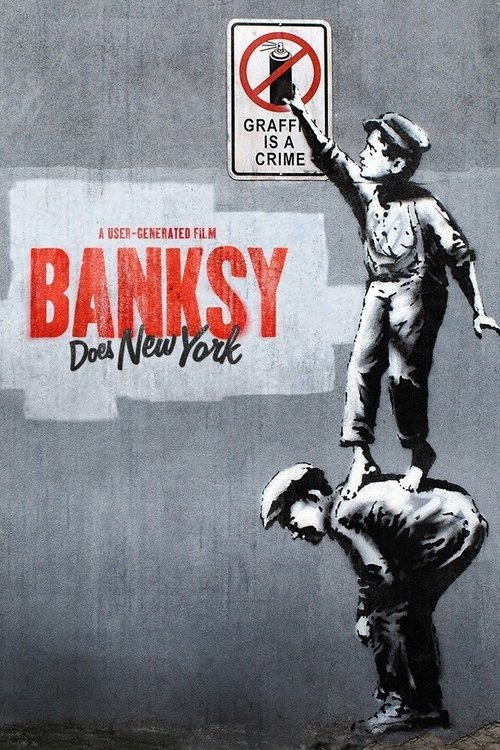
On October 1, 2013, the elusive street artist Banksy launched a month-long residency in New York, an art show he called Better Out Than In. As one new work of art was presented each day in a secret location, a group of fans, called “Banksy Hunters,” took to the streets and blew up social media.
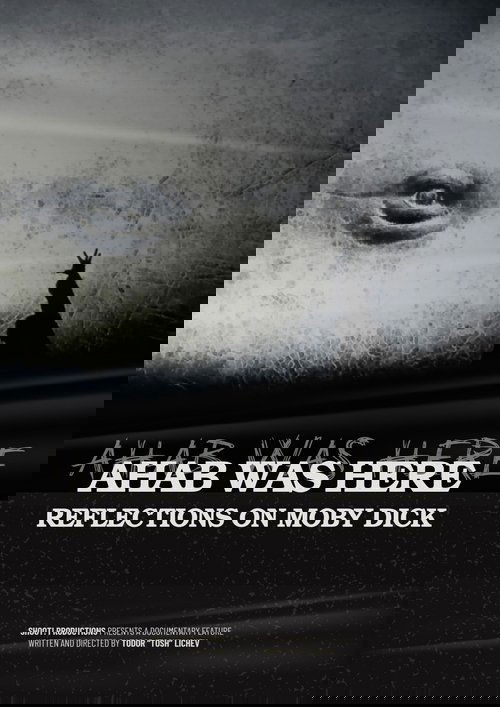
A Bulgarian theater company struggles to adapt Herman Melville's epic "Moby Dick" for the stage, revealing the obsessive dedication and creative challenges faced by cast and crew in their quest to bring an unfilmable masterpiece to life.
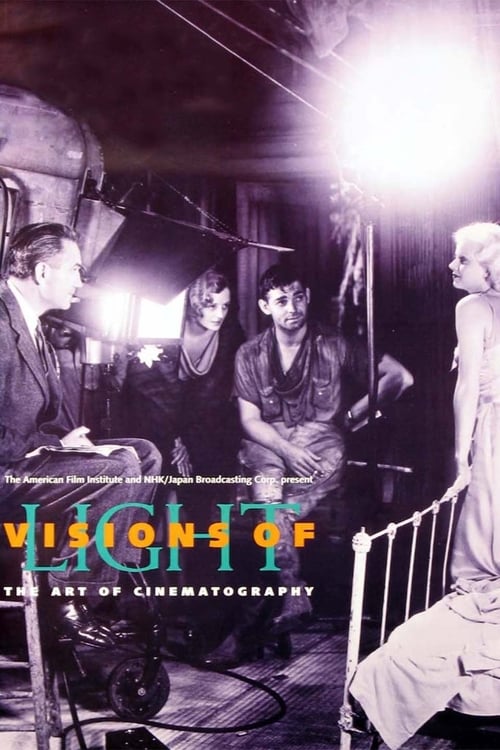
Cameramen and women discuss the craft and art of cinematography and of the "DP" (the director of photography), illustrating their points with clips from 100 films, from Birth of a Nation to Do the Right Thing. Themes: the DP tells people where to look; changes in movies (the arrival of sound, color, and wide screens) required creative responses from DPs; and, these artisans constantly invent new equipment and try new things, with wonderful results. The narration takes us through the identifiable studio styles of the 30s, the emergence of noir, the New York look, and the impact of Europeans. Citizen Kane, The Conformist, and Gordon Willis get special attention.