Kim Dae-jung
as Self (archive footage)
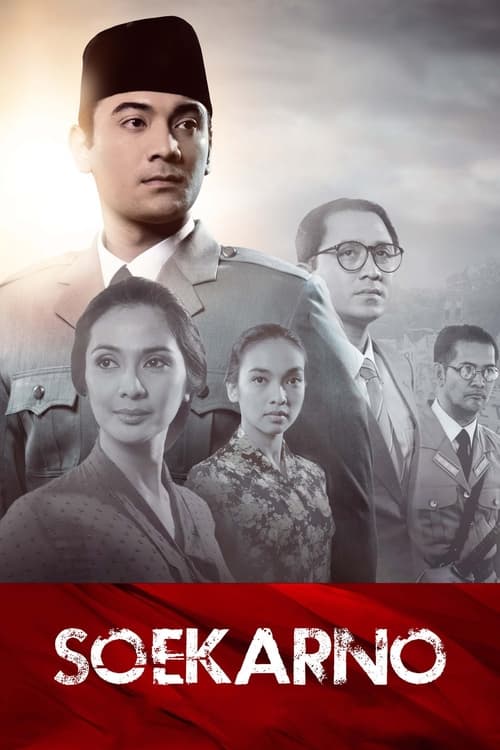
This biographical drama about Indonesia's first president recounts his nationalist crusade to seize independence from Dutch colonial rule.
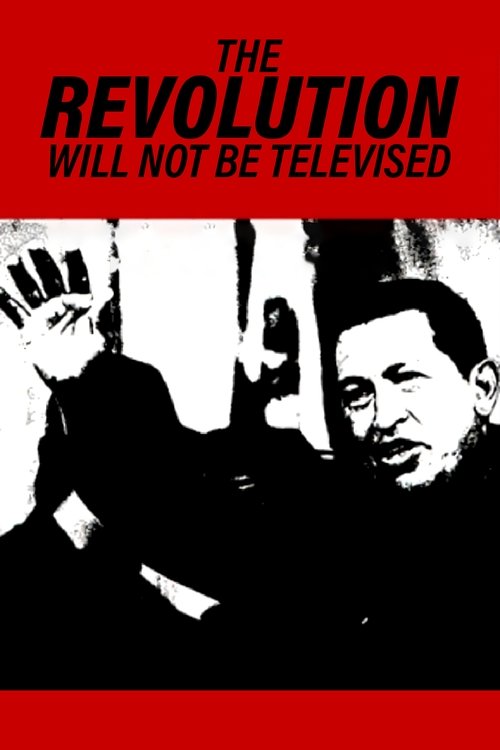
Hugo Chavez was a colourful, unpredictable folk hero who was beloved by his nation’s working class. He was elected president of Venezuela in 1998, and proved to be a tough, quixotic opponent to the power structure that wanted to depose him. When he was forcibly removed from office on 11 April 2002, two independent filmmakers were inside the presidential palace.
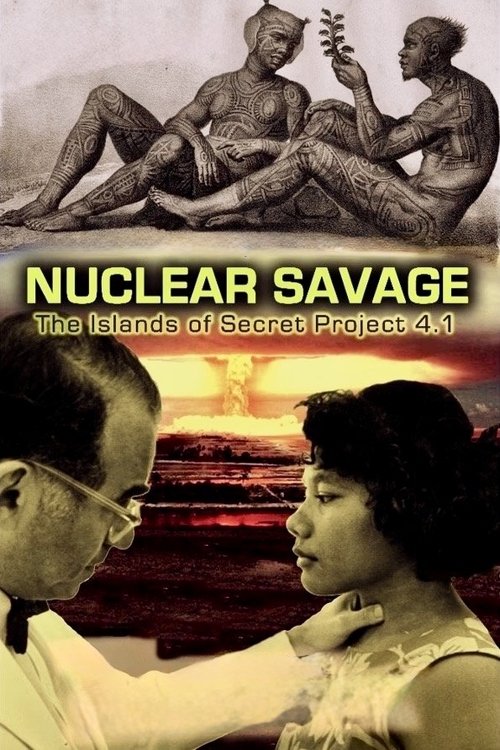
A shocking political exposé, and an intimate ethnographic portrait of Pacific Islanders struggling for survival, dignity, and justice after decades of top-secret human radiation experiments conducted on them by the U.S. government.
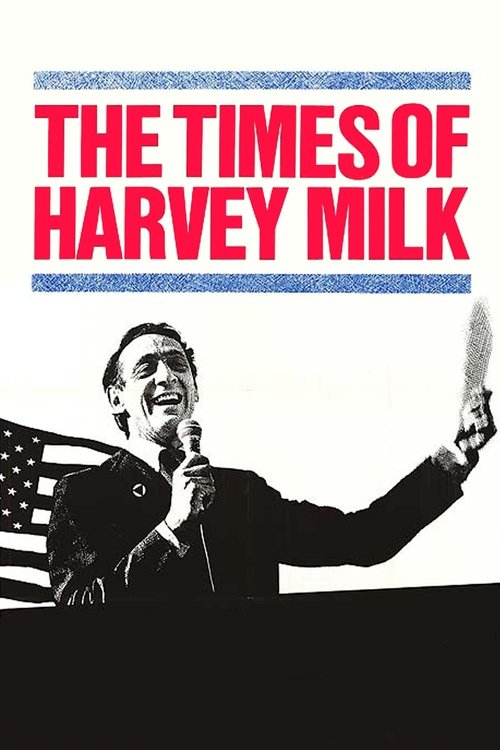
Harvey Milk was an outspoken human rights activist and one of the first openly gay U.S. politicians elected to public office; even after his assassination in 1978, he continues to inspire disenfranchised people around the world.
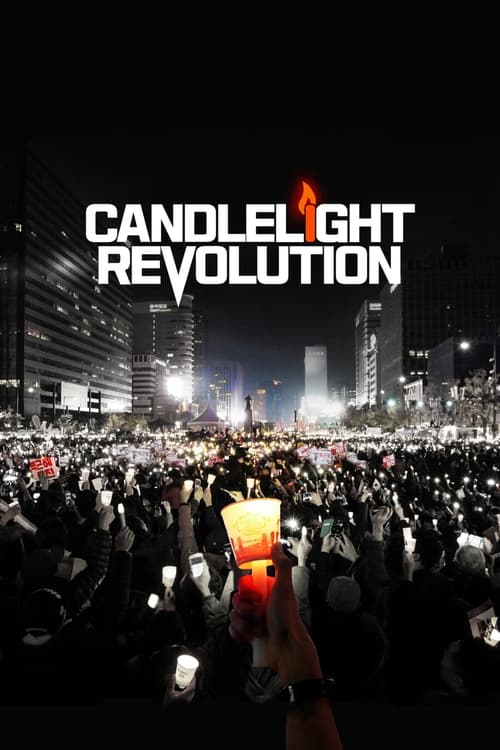
“What kind of person do you think former President Park Geunhye is?” Sohn Seokhee, a journalist, gives a clear and sharp answer that he “shares the common ideas that people in our country have.” That common idea has led millions to bring candles to the streets, correcting a thread of history that has gone awry, and gather a sense of hope among people. Candlelight Revolution portrays the voices of citizens from various generations, political figures of different parties, and the witnesses of an administration under improper influence. It is a documentary that identifies the genuine structure of politics and society by following how Park entered politics along with government records up until March 10.
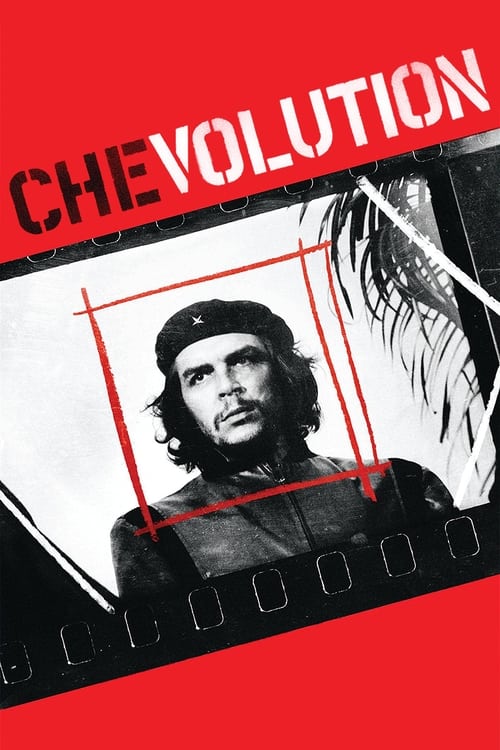
Examines the history and legacy of the photo Guerrillero Heroico taken by famous Cuban photographer Alberto Díaz Gutiérrez. This image has thrived for the decades since Che Guevara's death and has evolved into an iconic image, which represents a multitude of ideals. The documentary film explores the story of how the photo came to be, its adoption of multiple interpretations and meanings, as well as the commercialization of the image of Ernesto "Che" Guevara.
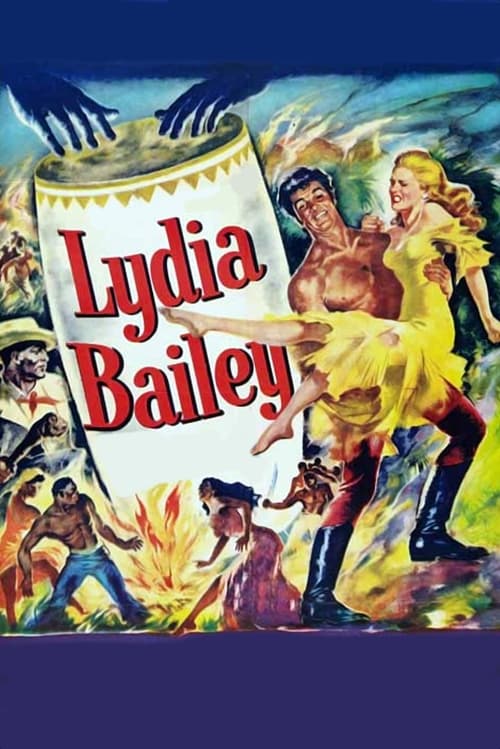
A young Boston lawyer, Albron Hamlin, goes to Haiti in 1802 to find Lydia Bailey, whose estate he must settle. The island is war-torn in the strife between Toussaing L'Overture, the black president, and the French who are trying to retake possession of the country. Hamlin finds Lydia and, against the background of war and rebellion, they fall in love while helping the Haitians against the French.
In 500 B.C., during Chinas famed 'Spring and Autumn Period', Kong Ze (Confucius), a commoner reverred for his outstanding wisdom, is made Minister of Law in the ancient Kingdom of Lu. Under his inspired leadership, Lu ascends to new heights but becomes a target of conquest for the warlike nation of Qi. Threatened with annihilation by their powerful neighbour, a desperate people turn to their greatest teacher to lead their most powerful army. When Confucius delivers a stunning victory against all odds, a jealous aristocracy sets out to destroy him, but they should never under-estimate a remarkable man whose wisdom is more powerful than the sword.
"The palm trees on the reverse are a delusion; so is the pink sand". This line, taken from a poem by Margaret Atwood, lights the path traced in "Postcard". As the years go by, landscapes transform, take on new meanings, and hold onto joys that will never be regained. The sea and the beach, once stages of happy summers, romances, and encounters, will turn into concentration camps or centers of detention and torture. This occurs across different times and places. In this piece, I embark on a journey through some of my works that explore the relationship between testimony, spaces, and time, engaging in dialogue with the beautiful film directed by Alejandro Segovia in 1972.
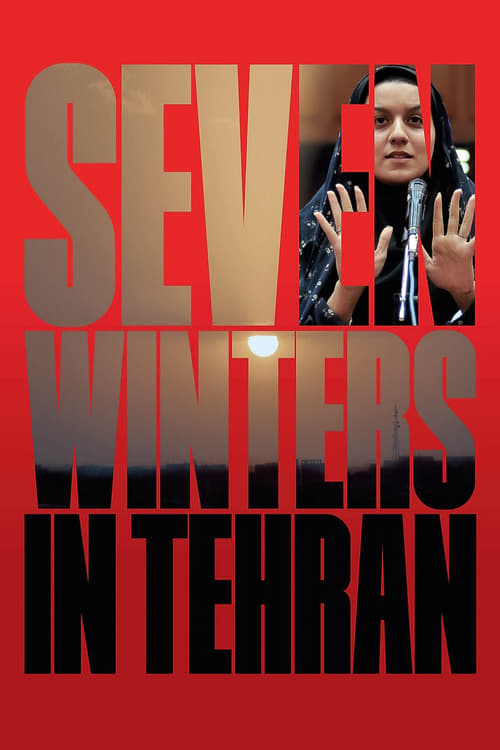
After seven years in prison, a female student in Tehran is hanged for murder. She had acted in self-defence against a rapist. For a pardon, she would have had to retract her testimony. This moving film reopens the case.
A documentary about the clashes between squatters and the police in Berlin in early 1981. Despite the absence of commentary, this is an openly partisan film that aims less for political analysis than for an up-close description of the situation and mood.
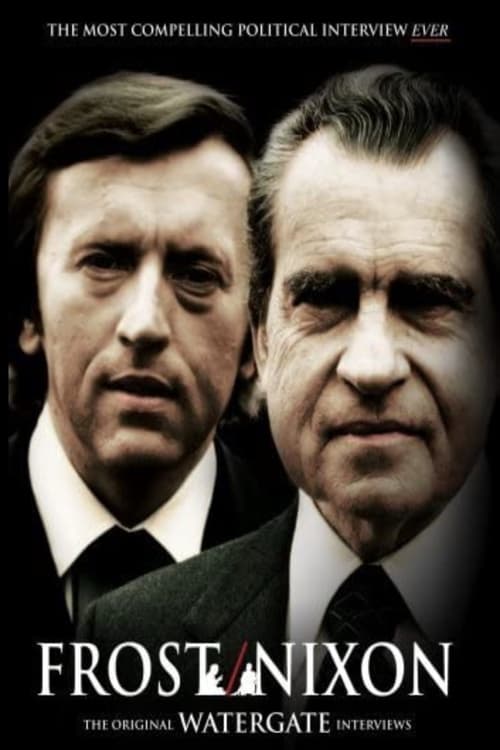
This program, culled from the over 28 hours of interview footage between Sir David Frost and U.S. President Richard M. Nixon, was originally broadcast in May of 1977. Never before, nor since, has a U.S. President been so candid on camera. Even more intriguing is the fact that Nixon agreed to appear on camera with no pre-interview preparation or screening of questions.
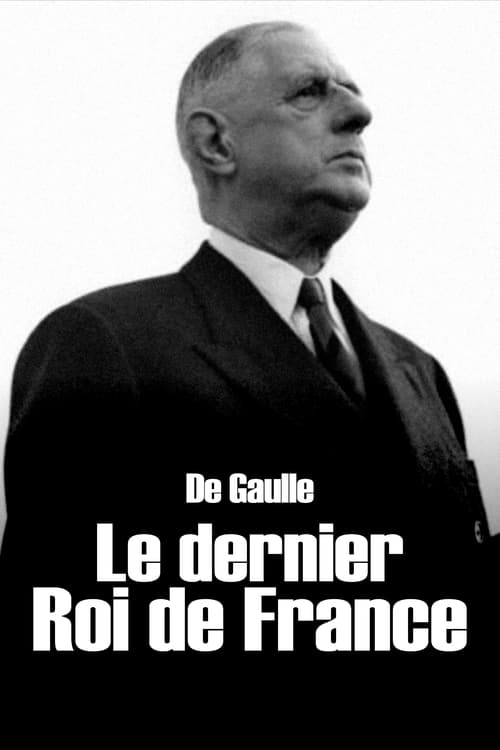
Charles de Gaulle, the first president (1958-1969) of the Vth Republic, France’s current system of government, left his mark on the country . He was statesman of action and has been compared to a monarch. This film depicts the general’s personality through the great events of his presidential term, at a time when the world was undergoing considerable changes.
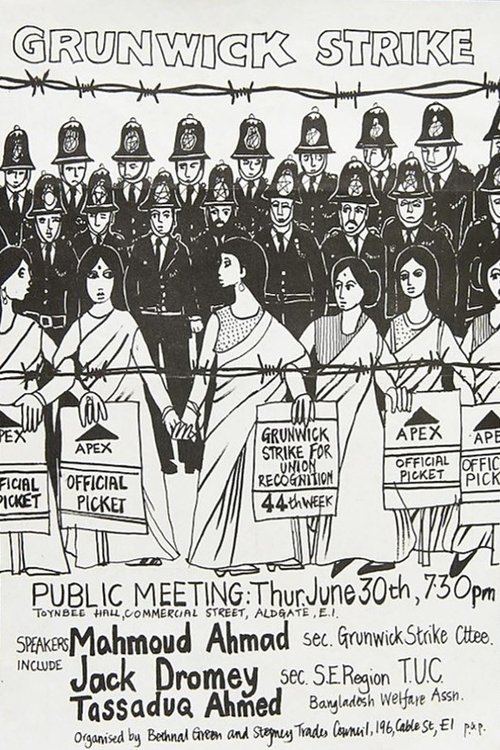
'Stand together!', a film on the "mass day of solidarity" on 11 July 1977, was made in 1977 for the Grunwick Strike Committee by the Newsreel Collective, of which Chris Thomas was a member, and members of the Association of Cinematograph, Television and Allied Technicians (ACTT) and the Transport and General Workers' Union.
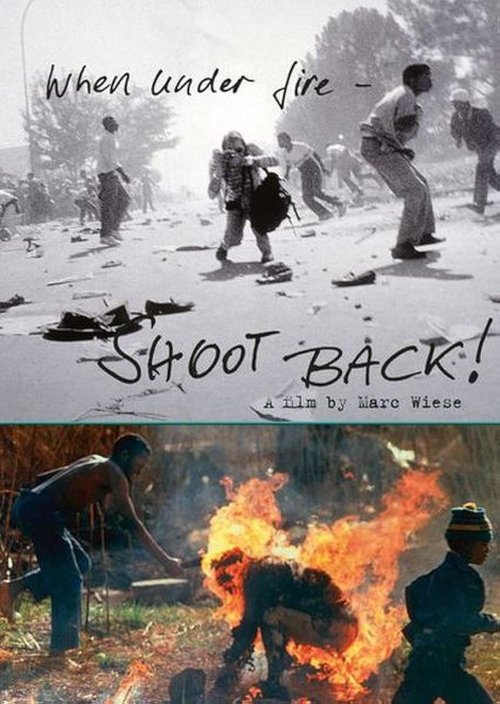
The Bang Bang Club were four fearless young photographers who set out to expose the reality of Apartheid in South Africa - a battle that changed a nation but wound up almost destroying them.
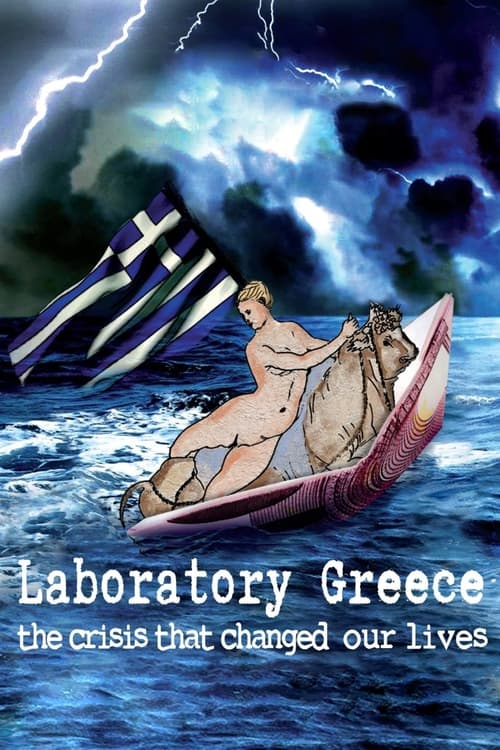
A journey through Greece and Europe’s past and recent history: from the Second World War to the current crisis. It is a historical documentary, a look into many stories. «If Democracy can be destroyed in Greece, it can be destroyed throughout Europe» Paul Craig Roberts
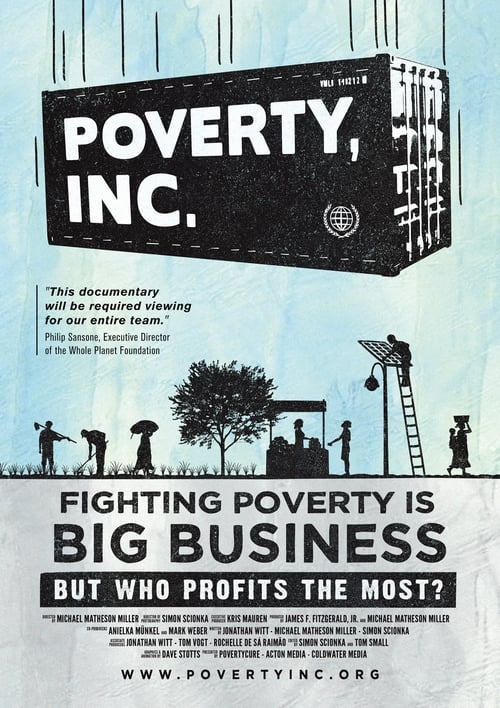
Poverty, Inc. explores the hidden side of doing good. From disaster relief to TOMs Shoes, from adoptions to agricultural subsidies, Poverty, Inc. follows the butterfly effect of our most well-intentioned efforts and pulls back the curtain on the poverty industrial complex - the multi-billion dollar market of NGOs, multilateral agencies, and for-profit aid contractors. Are we catalyzing development or are we propagating a system in which the poor stay poor while the rich get hipper?