A deeply intimate and highly cinematic documentary featuring the Dalai Lama, who, at nearly ninety year of age, offers practical advice for navigating the 21st century's challenges.
Tenzin Gyatso
as Self
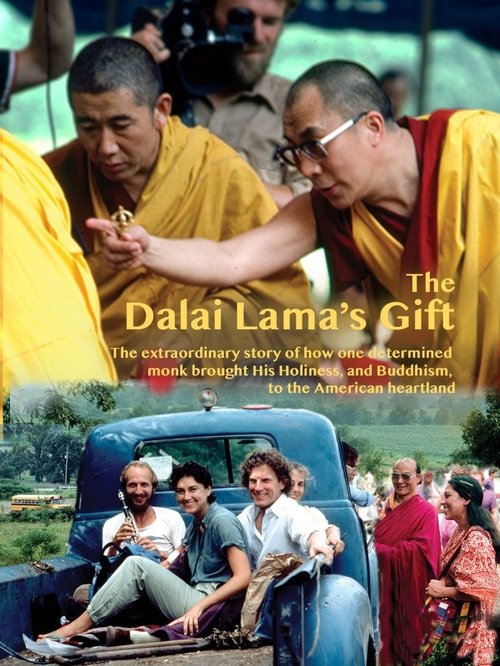
In 1981, a Buddhist monk teaching at the University of Madison, Wisconsin, made the bold request of the Dalai Lama to come and perform a rare ritual, never before done outside of India or Tibet: the Kalachakra, among the highest of the Buddhist tantric teachings. In just a few months, with a team of dedicated students, and cameras rolling, they constructed a temple and organized an event for over a thousand spiritual seekers, in a cornfield outside Madison. The incredible footage was tucked away in the Smithsonian vaults, until now. What unfolds is the story of a powerful ritual, its impact on the people that made it happen, and the meaning behind this ancient initiation.
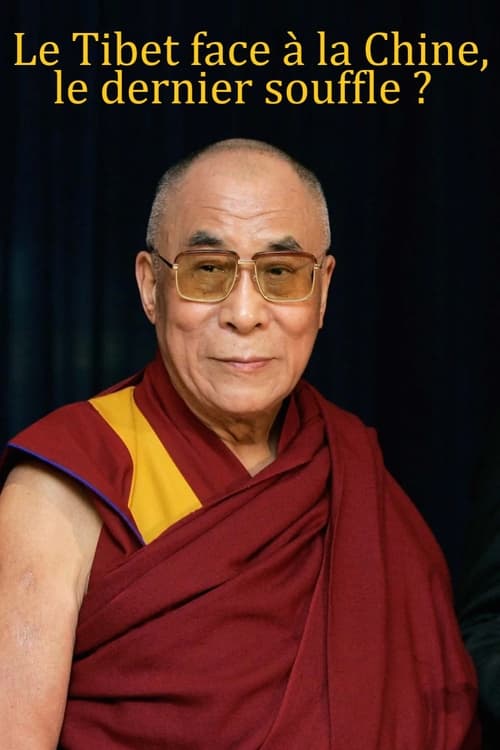
As the crucial question arises of the future succession of the Dalai Lama, we take a look back at the tormented history of the "Land of Snows" which lives under Chinese domination and which remains a geopolitical issue of the first order. A valuable documentary that gives voice to a people that China is trying to permanently silence.
The true story of one man's fight for freedom. For more than 60 years Tibetans have been fighting Chinese oppression. But their non-violent struggle appears to be in vain. Now, as a new form of peaceful protest, Tibetans are setting themselves on fire. Loten Namling - an exiled Tibetan and musician living in Switzerland - is deeply disturbed by such self-destructive action. So he sets off from Europe to India, on a one-man mission to meet top politicians, experts and young radicals. He himself becomes increasingly radical and is on the verge of violent protest. Finally he ends up at The Office of the Dalai Lama in India to seek the advice of the exiled Tibetan leader.
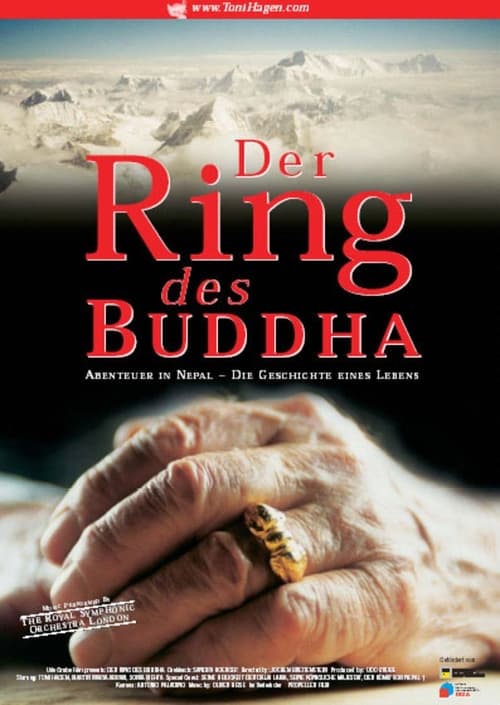
Nepal 1950. A mysterious, unexplored country. The Swiss geologist Toni Hagen, was the first European to pass through the "forbidden" kingdom. He doesn't discover any mineral resources there. Yet he does uncover the mysteries of life and penetrates towards a more profound truth which lends a new dimension to his life. In the spring of 1999, Hagen returns to Nepal to keep a promise of almost 50 years: At that time a Buddhist monk had presented him with the gift of a valuable and mystical ring.
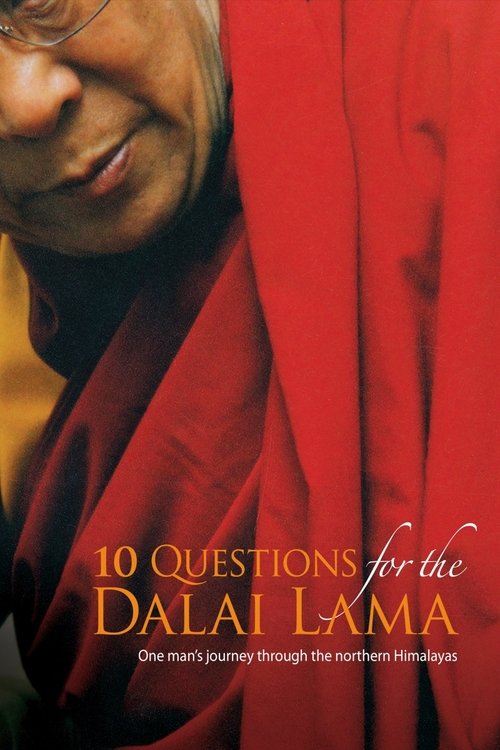
How do you reconcile a commitment to non-violence when faced with violence? Why do the poor often seem happier than the rich? Must a society lose its traditions in order to move into the future? These are some of the questions posed to His Holiness the Dalai Lama by filmmaker and explorer Rick Ray. Ray examines some of the fundamental questions of our time by weaving together observations from his own journeys throughout India and the Middle East, and the wisdom of an extraordinary spiritual leader. This is his story, as told and filmed by Rick Ray during a private visit to his monastery in Dharamsala, India over the course of several months. Also included is rare historical footage as well as footage supplied by individuals who at great personal risk, filmed with hidden cameras within Tibet.
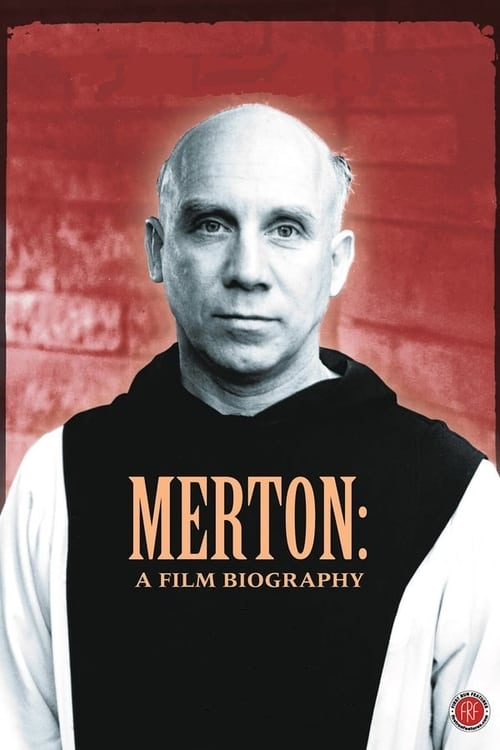
In his lifetime, Thomas Merton was hailed as a prophet and censured for his outspoken social criticism. For nearly 27 years he was a monk of the austere Trappist order, where he became an eloquent spiritual writer and mystic as well as an anti-war advocate and witness to peace. Merton: A Film Biography provides the first comprehensive look at this remarkable 20th century religious philosopher who wrote, in addition to his immensely popular autobiography The Seven Storey Mountain, over 60 books on some of the most pressing social issues of our time, some of which are excerpted here. Merton offers an engaging profile of a man whose presence in the world touched millions of people and whose words and thoughts continue to have a profound impact and relevance today.
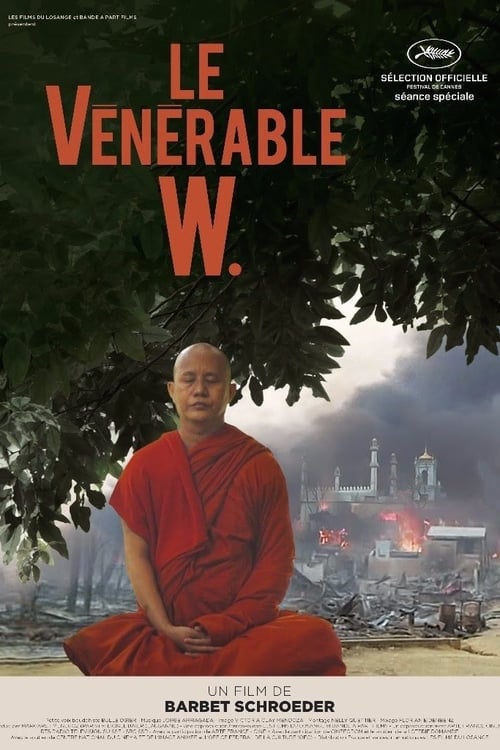
A view of the religious tensions between Muslims and Buddhist through the portrait of the Buddhist monk Ashin Wirathu, leader of anti-Muslim movement in Myanmar.
A Zen priest in San Francisco and cookbook author use Zen Buddhism and cooking to relate to everyday life.
Rinzin Jurmey chose to join a monastery and dedicate his life to Buddhism at the age of 11, loving its rituals and traditions. Now 18, he moves harmoniously between mountain village and city, embracing tradition and pop culture, religion and hip-hop, prayer and video games. With guidance from cinematographer Cat Papadimitriou, Jurmey documents the ways in which he – and his country – are striving to preserve ancient practices while embracing modernity.
Six blind Tibetan teenagers climb the Lhakpa-Ri peak of Mount Everest, led by seven-summit blind mountain-climber Erik Weihenmayer.
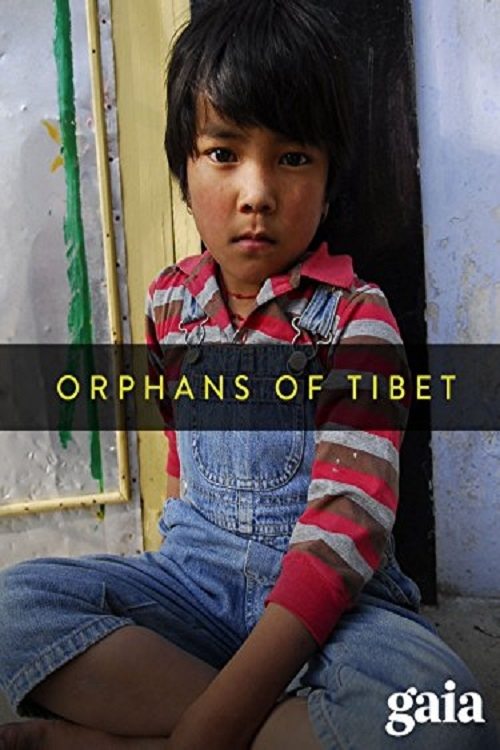
Each year, groups of Tibetan children secretly flee their homeland over the Himalayas to reach schools in India founded by the government in exile. Entrusted to smugglers, they are risking their lives by illegally crossing the great Himalayan range, a towering rampart between Tibet and India. The director will take us in the Mussorie school, in North India, where two thousand four hundred children have been rescued. They have left behind their family childhood and are now considered as orphans. We will discover the itineraries of Sonam, aged nine, and Dholma, the little new girl of the school. Here in India, they are taught about Tibetan culture and will find out about the history of their country and their ancestors. Sonam and Dholma's story is that of thousands of Tibetan children. Are they orphans of a lost country or bearers of hope who will save an endangered culture?
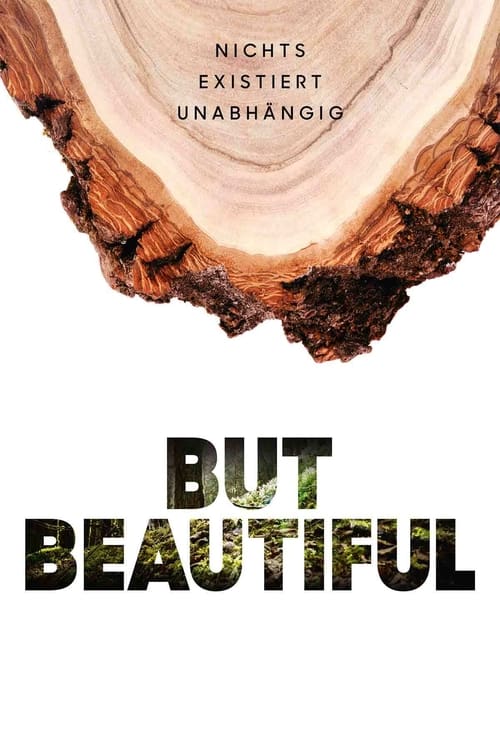
In his new film, Erwin Wagenhofer is looking for the good and beautiful in this world.
THE QUEST: Everest is a journey to deeper understand and climb the most iconic mountain in the world, Mt. Everest, and to reveal its amazing history and culture. From experiencing Everest like never before to witnessing unique stories about one of the most remarkable places on earth, THE QUEST: Everest is a one-of-a-kind cinematic tribute to the human spirit of adventure that lives inside us all.
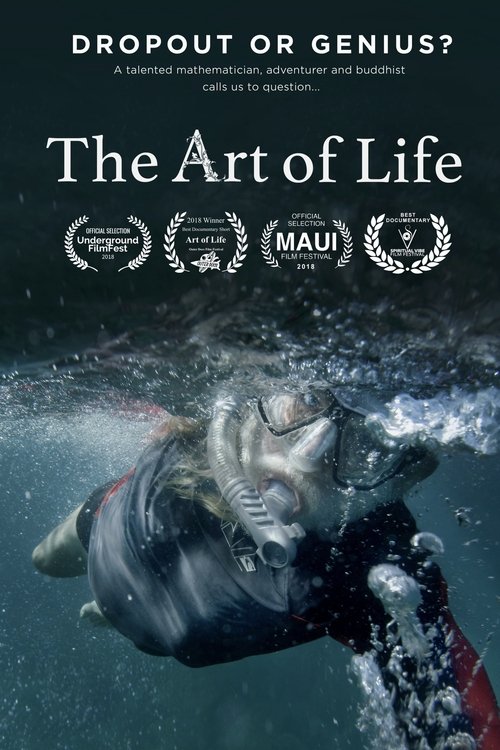
As a rising star in the field of abstract mathematics, Michael discovered that he could see beauty and pattern where others could not. But his path was not to be inside academia, or even inside society. He went on a grand adventure to unify his Buddhism with his ability to see an expanded view of reality. He created beauty in a place where nobody else would, and made his friends amongst dolphins.
Dolma is the Tibetan name of Tara, a Buddhist female deity, and means 'she who saves'. Dolma is regarded as a Bodhisattva of compassion and action. She is known as the mother of all buddhas. Our team felt that Dolma relates to the message we would like to convey via our movie and used her name in the documentary title. One of the main legends about her origin as a bodhisattva tells a story of a young princess who lived in a different world millions of years ago. Her name is Jnanachandra.
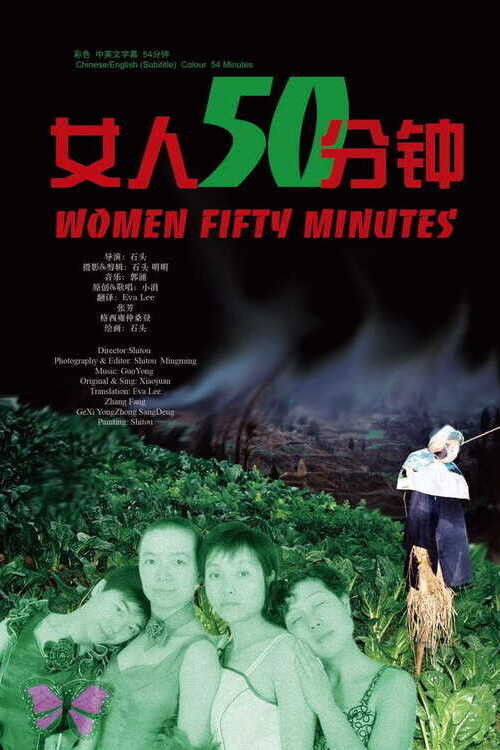
A representation of queer and feminist imagery that was mainly shot in the Qinghai-Tibetan Plateau, remote and developing areas in southwest China, and metropolitan cities like Beijing from 2000 to 2004 to document the social changes in contemporary China. The director sympathetically and erotically represents a variety of women, including women as laborers, women as prayers, women in the ground, women in marriage, and women who lie on the funeral pyre with their dead husbands. Her camera juxtaposes the mountains and rivers in old times, the commercialized handicrafts as exposition, the capital exploitation of the elders’ living space, and the erotic freedom of the young people in a changing city.