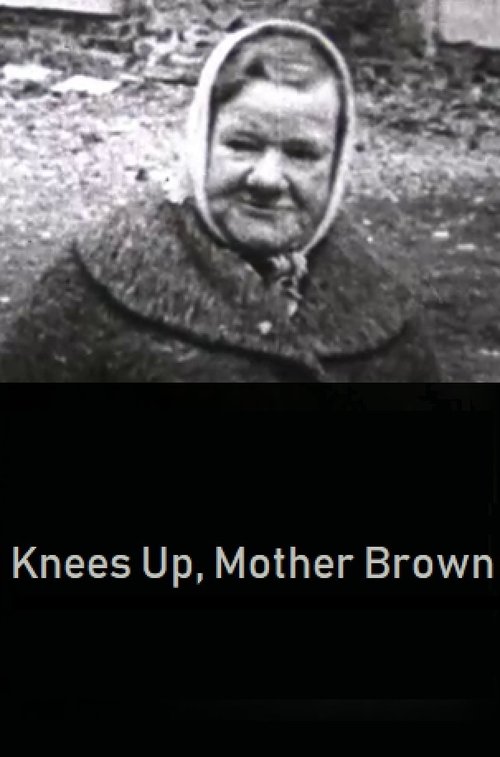
An actuallity film of a fairground carousel in action. Filmmaker unknown but it has been suggested it is R.W. Paul. The film was made on Hampstead heath, London, UK.
Follows the journeys of four members at Headway East London’s Day Centre: Yoki, who began as a Headway member, now works with the charity, providing emotional support and advocacy to other brain injury survivors. Dave, a former chauffeur to the rich and famous, has embraced cooking and is developing his artistic talents. Margie, life and soul of the community, who spreads joy through her love for food and music, and Marie-Claire who has rebuilt her life after an aneurysm left her in a coma at forty.
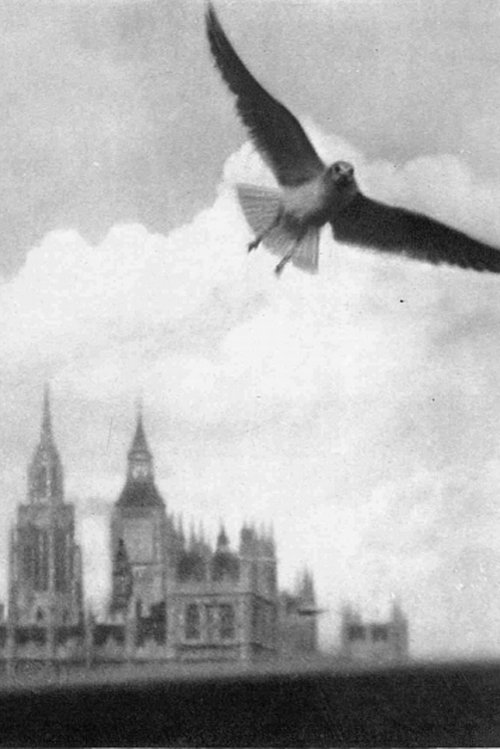
The film takes us to the North of England to follow the migration of the black-headed gull down to London. There, the narrator asks viewers to "listen to their gossip", before demonstrating the bird’s flight in slow motion. We see a polecat feasting on gull eggs, and then a man collecting the eggs for human consumption, with the film telling us that they are considered a “delicacy” in London. Indeed, according to the British Trust for Ornithology, around 300,000 gull’s eggs were sold every year in Leadenhall Market in London during the 1930s, when London Visitors was made.
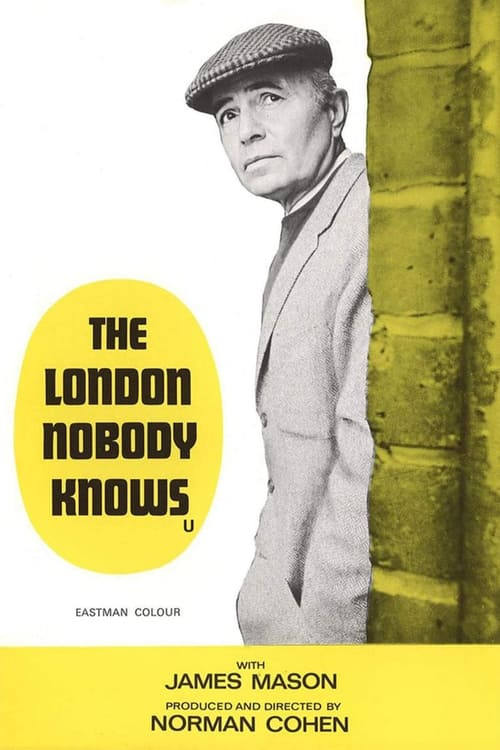
Based on Geoffrey Fletcher’s book, this captivating documentary exposes the real London of the swinging sixties. Turning its back on familiar sights, the film explores the hidden details of a crumbling metropolis. With James Mason as our Guide, we are led on an tour of the weird and wonderful pockets of London from abandoned music-halls to egg breaking factories.
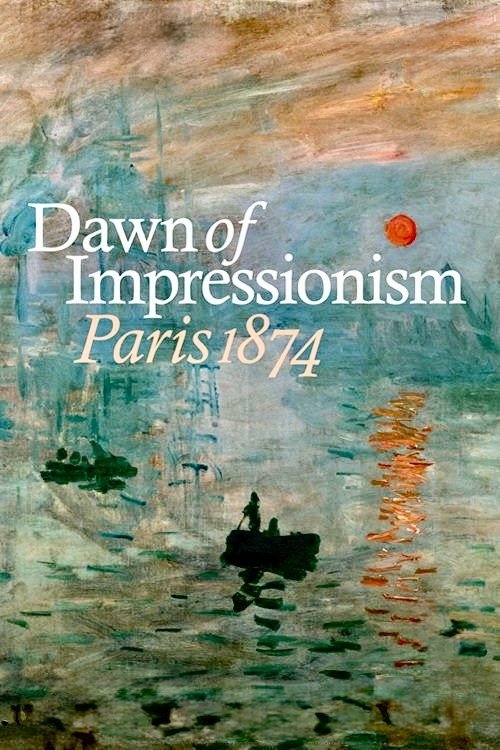
The Impressionists are the most popular group in art history – millions flock every year to marvel at their masterpieces. But, to begin with, they were scorned, penniless outsiders. 1874 was the year that changed everything; the first Impressionists, “hungry for independence”, broke the mould by holding their own exhibition outside official channels. Impressionism was born and the art world was changed forever. What led to that first groundbreaking show 150 years ago? Who were the maverick personalities that wielded their brushes in such a radical and provocative way? The spectacular Musée d’Orsay exhibition brings fresh eyes to this extraordinary tale of passion and rebellion. The story is told not by historians and curators but in the words of those who witnessed the dawn of Impressionism: the artists, press and people of Paris, 1874.
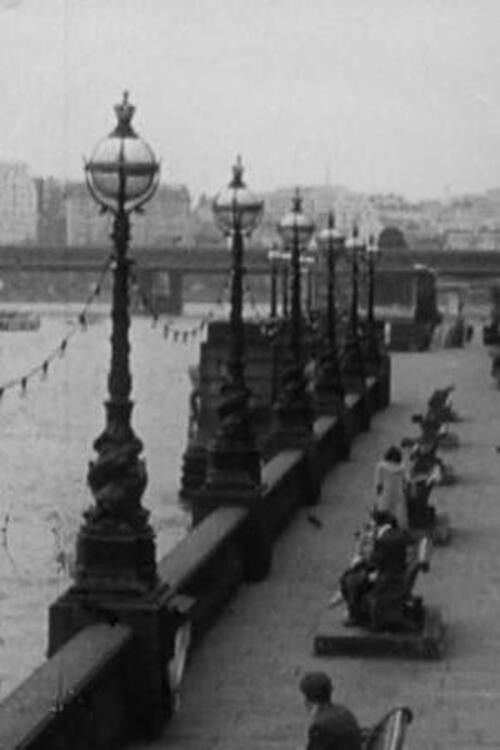
This fascinating 60s tour catches London's South Bank in the middle of a cultural metamorphosis.
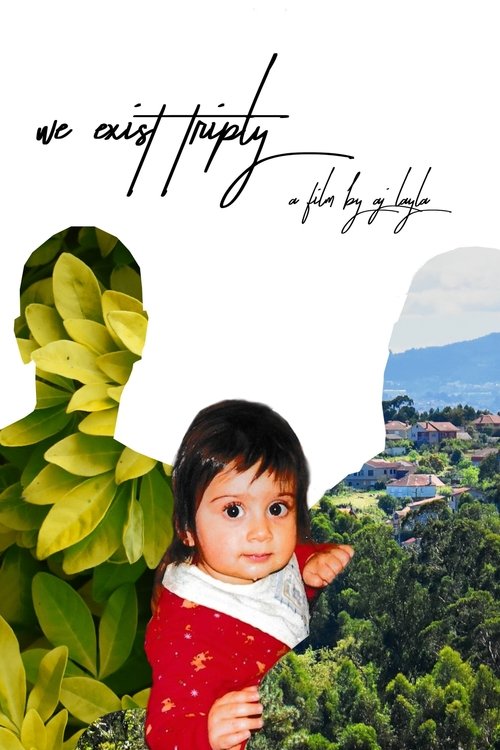
A sock puppet explores a family history told from the perspective of a mother and father.
A huge new global protest movement is changing public attitudes to climate change. Reporter Ben Zand gains access to the most high-profile activist group, Extinction Rebellion.
Exclusive access to the Four Seasons Hotel, London, in the run-up to Christmas. Expect festive photoshoots, afternoon teas, Christmas trees and sackfuls of presents.
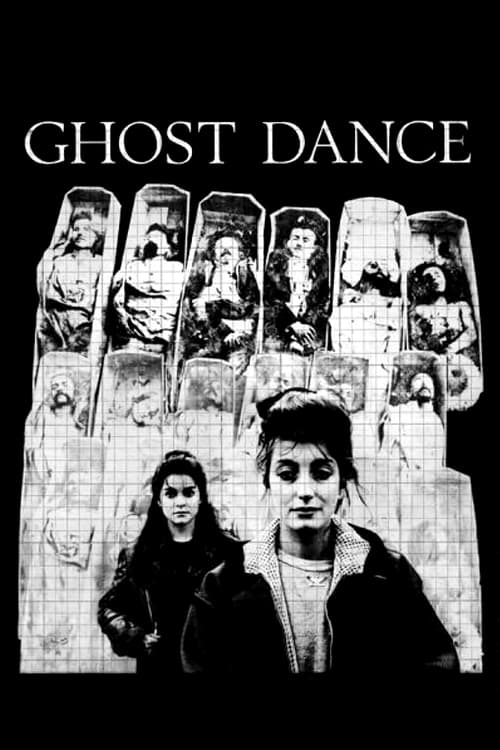
Through the experiences of two women in Paris and London, Ghost Dance offers an analysis of the complexity of our conceptions of ghosts, memory and the past. The film focuses on the French philosopher Jacques Derrida, who observes, 'I think cinema, when it's not boring, is the art of letting ghosts come back.' He also says that 'memory is the past that has never had the form of the present.'
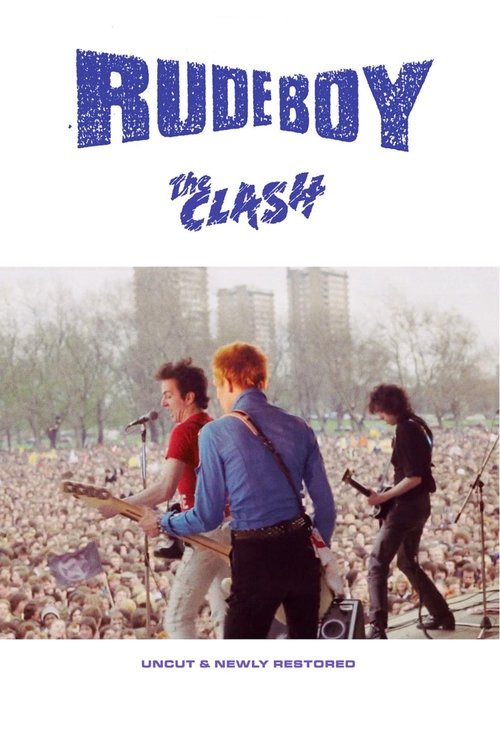
Rude Boy is a semi-documentary, part character study, part 'rockumentary', featuring a British punk band, The Clash. The script includes the story of a fictional fan juxtposed with actual public events of the day, including political demonstrations and Clash concerts.
Minimalist movie making at its best: kids learn the art of film language using illustrations and margarine boxes.
The first part of the film shows an actuality street scene of traffic in the Strand. Behind the traffic we can see the entrance to the Gaiety Theatre on the Strand, advertising its latest show 'My Girl'. The second part is a different film altogether, spliced onto the first and is R W Paul’s Turn Out of a Fire Brigade filmed in November 1896 in Newcastle at the Westgate Road fire station. The film date is 1896.
70 is definitely the new 20 in this heart-warming 1960s documentary portrait of the Darby and Joan Club for elderly Cockneys.
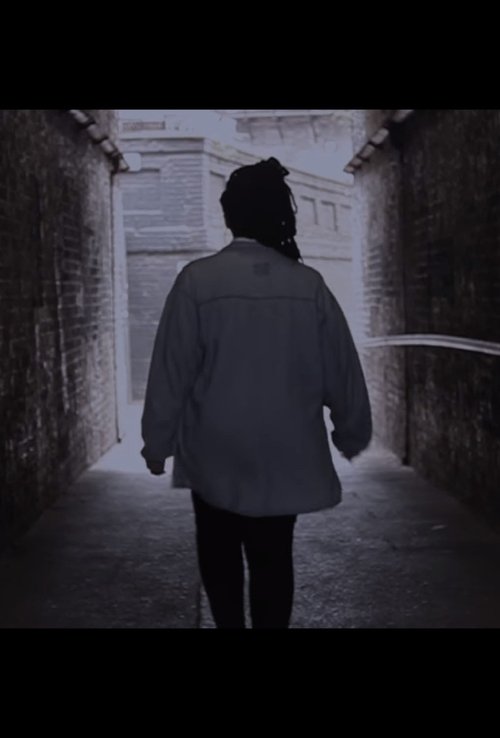
Denim' is a poetic short film by writer, poet and performer Siana Bangura, exploring gentrification and social cleansing in South East London. Through a personal trip down memory lane, visiting the places that moulded her, we learn what happens when the city changes and leaves those who built it behind. Travelling through Bermondsey, Rotherhithe, Elephant & Castle, Walworth Road, Peckham, Brixton and of course Shoreditch, 'Denim' is both a personal tale and a wider social commentary.