Thirteen years since the Fukushima Daiichi nuclear accident, the government's plan to decommission the plant is at a crossroads. We take a close look at the efforts to secure Fukushima's future.
Rachel Walzer
as Self - Narrator (voice)
Documentary telling the story of the rise and fall of a daring experiment into atomic energy as the history of the Dounreay fast reactor is charted by the pioneers involved.
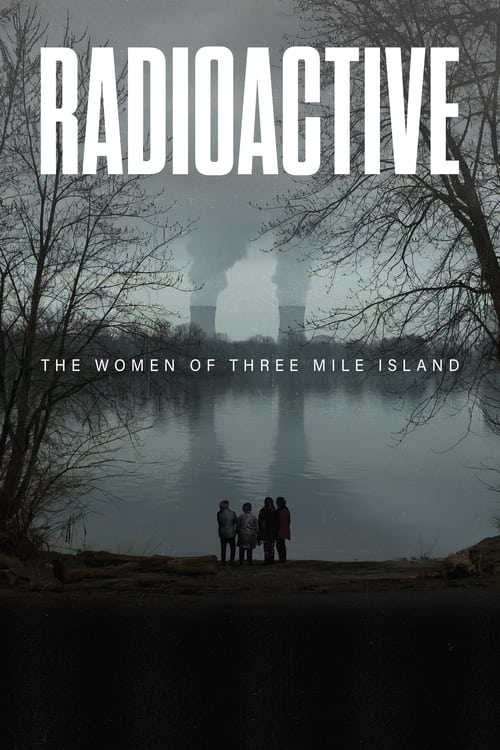
Farmers and parents of young children, who live in the Harrisburg, Pa., area, discuss their fears of radioactive contamination from the Three Mile Island nuclear reactor accident in 1979. Scientists and physicians also expound on the lethal dangers of nuclear power and the risks in containment processes.
Who is Kim Yo-jong? In a context of maximum tensions between North Korea and the United States, Pierre Haski paints an unprecedented portrait of the little sister of Kim Jong-un, whose influence in Pyongyang is growing stronger day by day.
In October 2023, a European research team succeeded in generating an enormous amount of energy from very little fuel. A success that fusion research had been working towards for around 70 years. Now the competition for a fusion reactor has been reignited. What role can electricity from nuclear fusion play in the future?
The Crowds of Chernobyl explores the reasons behind people's fascination with the (arguably) most famous exclusion zone in the world, the Chernobyl Exclusion Zone. The film attempts to explain the drive behind the 'dark tourism' industry that has blossomed in the nuclear wasteland since 2011, when the site was opened up for tourists. As the interviews from a wide of people unravel why some (including the interviewees) might even make the zone a permanent part of their life; the haunting and provoking visuals invite the viewer to make up their own mind.
"Alone in Fukushima" is a feature film documentary about Naoto Matsumura who remained in the nuclear zone with animals in Fukushima.
“Alone Again is Fukushima” is the long-awaited sequel to "Alone in Fukushima" (2015), which followed Naoto Matsumura, a man who remained in the nuclear zone in Fukushima to tend animals. The film has followed Naoto for nearly a decade and portrays how Naoto and the animals survived the residents' return to the town, Tokyo Olympics, and COVID-19. In the course of 10 years, many animals and humans were born and died. But Naoto remained in the town and took care of the animals. He raised chickens and kept bees in order to survive. In 2017, Tomioka became the place where people can come back to live, however most young people didn’t return. There is no end in sight for the nuclear crisis in Fukushima. The contaminated water is overflowing and will be pumped out to the ocean soon. Meanwhile the government is trying to restart the nuclear reactors all over the country. The film will give us a chance to reflect on this situation by looking at how Naoto and animals survive in Fukushima.
On April 26, 1986, a 1,000 feet high flame rises into the sky of the Ukraine. The fourth reactor of the Chernobyl nuclear power plant just exploded. A battle begins in which 500,000 men are engaged throughout the Soviet Union to "liquidate" the radioactivity, build the "sarcophagus" of the damaged reactor and save the world from a second explosion that would have destroyed half of Europe. Become a reference film, this documentary combines testimonials and unseen footage, tells for the first time the Battle of Chernobyl.
December 21, 2015. The image of a fox was captured by a camera inside the unit 2 building at Fukushima No.1 nuclear power plant... A film-essay about contemporary Japan in the aftermath of March 2011 earthquake.
The climate crisis, Germany’s nuclear phase-out and Russia’s war against Ukraine are just three of the heavy pieces in the dramatic game about the future of energy. Caught in the middle are two small towns with barely a thousand residents each: Gundremmingen in Bavaria, home to a shuttered nuclear plant, and Choczewo on Poland’s Baltic coast, where the country’s first facility is now under construction. What do the good people on the ground think about it all?
Is nuclear energy the solution to the climate crisis? Whether it is the only carbon-neutral technology capable of tackling the crisis or a fatally convenient stopgap, time is running out.
Explores the consequences of uranium mining in Canada. Toxic and radioactive waste pose profound, long-term environmental hazards. Miners suffer a substantially increased risk of getting cancer. Most mining occurs on Indigenous People's land, violating their traditional economic and spiritual lives. Given our limited knowledge of the risks associated with uranium mining, why continue?
In April 1977, the small coastal town of Seabrook, New Hampshire became an international symbol in the battle over atomic energy. Concerned about the dangers of potential radioactive accidents, over 2,000 members of the Clamshell Alliance, a coalition of environmental groups, attempted to block construction of a nuclear power plant. 1,414 people were arrested in that civil disobedience protest and jailed en masse in National Guard armories for two weeks.
This film does not deal with Chornobyl, but rather with the world of Chornobyl, about which we know very little. Eyewitness reports have survived: scientists, teachers, journalists, couples, children... They tell of their old daily lives, then of the catastrophe. Their voices form a long, terrible but necessary supplication which traverses borders and stimulates us to question our status quo.
Follows young advocates and business leaders as they fight to expand nuclear power in America. They must overcome the power source’s controversial past, as they tackle policy and financial challenges to unlock its transformative potential as a clean baseload energy source.
This short documentary offers a look at Canada’s Chalk River Project in the late 1940s. While humanity pondered the ultimate threat or promise of atomic energy, Chalk River scientists worked on the first set of experiments that attempted to apply atomic energy to medical and biological uses. Inside the Atom examines this frontier of science and assesses its value in terms of human progress.
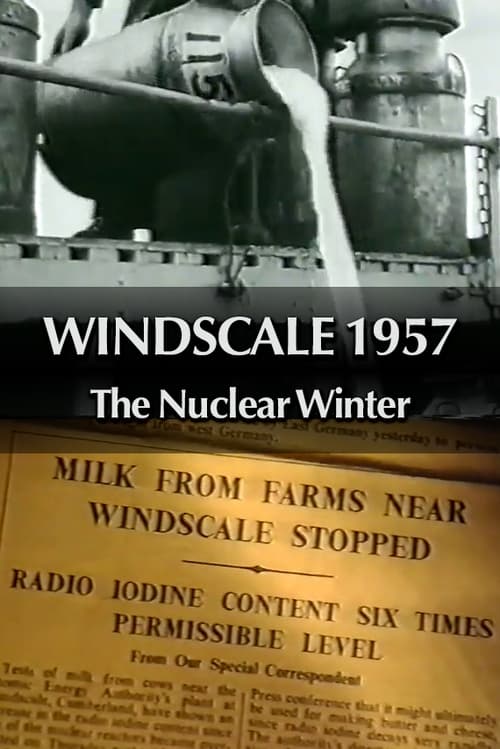
Film revealing how political ambition fuelled the Windscale fire of 1957 and then dictated that the heroes of Windscale be made the scapegoats.
Letter from Tokyo is a documentary film that looks at art, culture and politics in Tokyo, Japan. Shot over three months during the summer of 2018, and with a particular focus on grass roots arts initiatives, the use of public space, and queer politics, the film provides a snapshot of Japan’s capital in the run up to the 2020 olympics.