In the summer of 1989, the 13th edition of the World Festival of Youth and Students was held in Pyongyang. Thousands of socialist youth from 177 countries celebrated their belief in a better society and international solidarity.
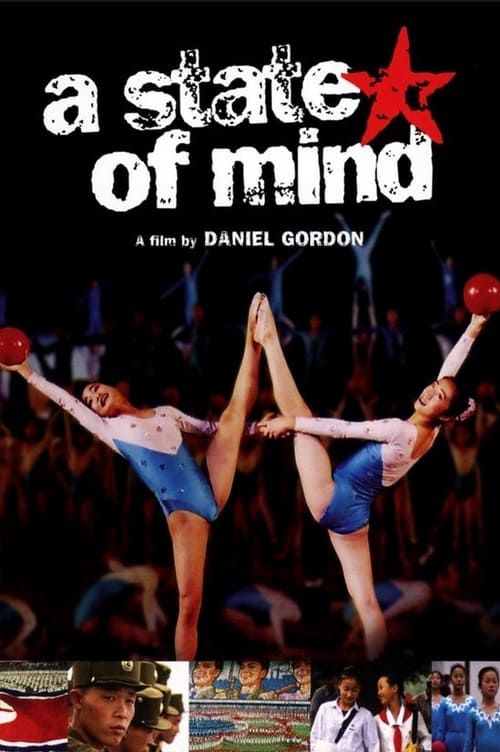
Two young North Korean gymnasts prepare for an unprecedented competition in this documentary that offers a rare look into the communist society and the daily lives of North Korean families. For more than eight months, film crews follow 13-year-old Pak Hyon Sun and 11-year-old Kim Song Yun and their families as the girls train for the Mass Games, a spectacular nationalist celebration.
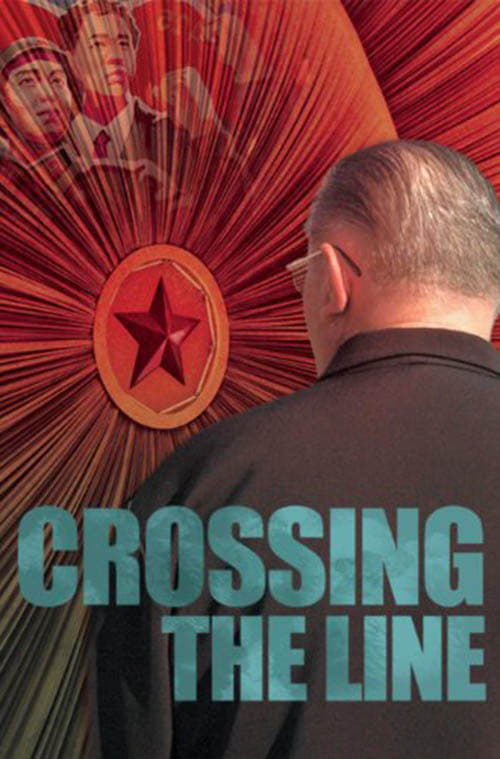
In 1962, a U.S. soldier sent to guard the peace in South Korea deserted his unit, walked across the most heavily fortified area on earth and defected to the Cold War enemy, the communist state of North Korea. He became a star of the North Korean propaganda machine, but then disappeared from the face of the earth. Now, after 45 years, the story of James Dresnok, the last American defector in North Korea, is being told for the first time. Crossing the Line follows Dresnok as he recalls his childhood, desertion, and life in the DPRK.
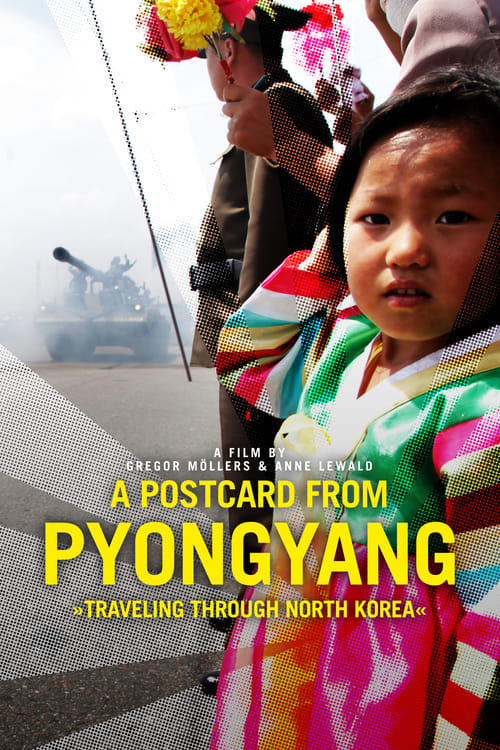
"A Postcard from Pyongyang" is a journey into a deeply enigmatic and completely isolated country that keeps the world in suspense: North Korea. Friends Gregor Möller, Philip Kist and Anne Lewald visit in 2013 and 2017 and do what is strictly forbidden and for which they might have ended up in a forced labor camp: even though accompanied by state watchers, they secretly film their travels, accompanied by state watchdogs. We get an extraordinary insight into one of the most closed societies in the world and experience the 'beautiful new world' as the state propaganda machinery displays it.
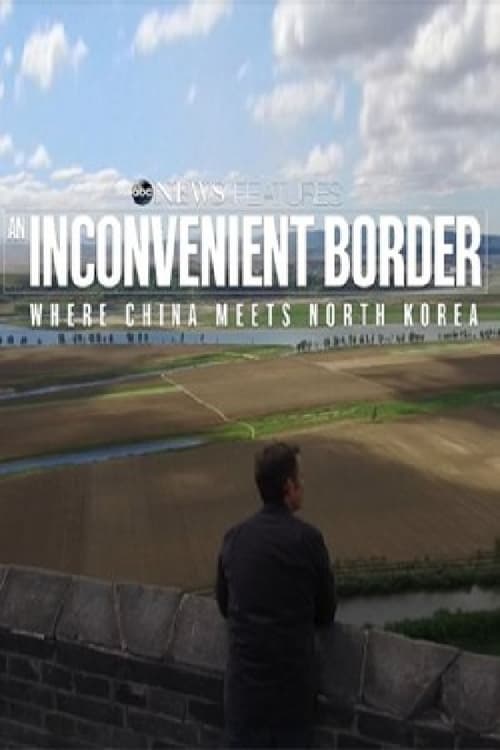
Bob Woodruff’s daring 880-mile journey along the China-North Korea border examines the delicate relationship between the two countries and the United States.
Who is Kim Yo-jong? In a context of maximum tensions between North Korea and the United States, Pierre Haski paints an unprecedented portrait of the little sister of Kim Jong-un, whose influence in Pyongyang is growing stronger day by day.
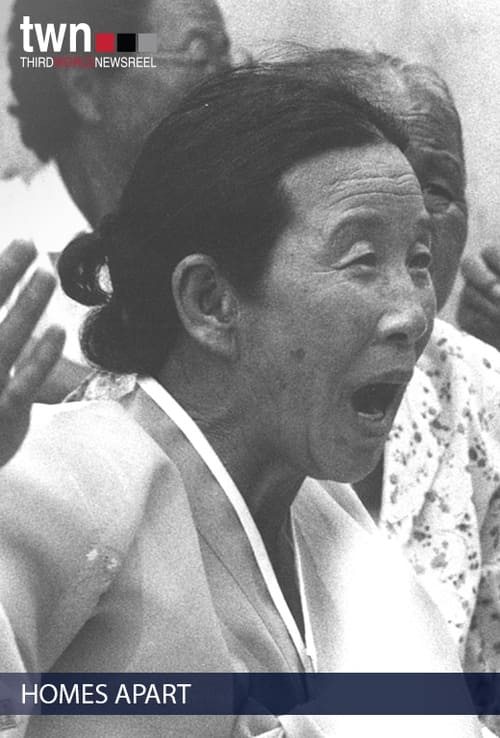
They speak the same language, share a similar culture and once belonged to a single nation. When the Korean War ended in 1953, ten million families were torn apart. By the early 90s, as the rest of the world celebrated the end of the Cold War, Koreans remain separated between North and South, fearing the threat of mutual destruction. Beginning with one man's journey to reunite with his sister in North Korea, filmmakers Takagi and Choy reveal the personal, social and political dimensions of one of the last divided nations on earth. The film was also the first US project to get permission to film in both South & North Korea.
A collection of 8mm film reels from İlhan Mimaroğlu’s archive—once tucked away in whisky boxes—has found new life through art. Curated by director Serdar Kökçeoğlu and producer Dilek Aydın, the project brings together visual artists and musicians to reimagine these long-lost images. Over thirty artists transformed the footage into fifteen distinct audiovisual pieces, blending experimental soundscapes with contemporary video art. The project concludes with a special highlight: the first-ever screening of Mimaroğlu’s silent short film about a street jazz festival, accompanied by Erdem Helvacıoğlu’s dark jazz score.
A courageous pastor uses his underground network to rescue and aid North Korean families as they risk their lives to embrace freedom.
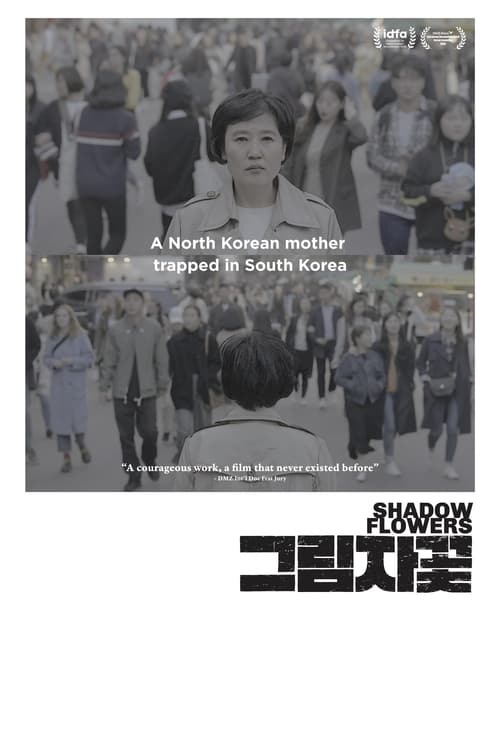
Ryun-hee Kim, a North Korean housewife, was forced to come to South Korea and became its citizen against her will. As her seven years of struggle to go back to her family in North Korea continues, the political absurdity hinders her journey back to her loved ones. The life of her family in the North goes on in emptiness, and she fears that she might become someone, like a shadow, who exists only in the fading memory of her family.
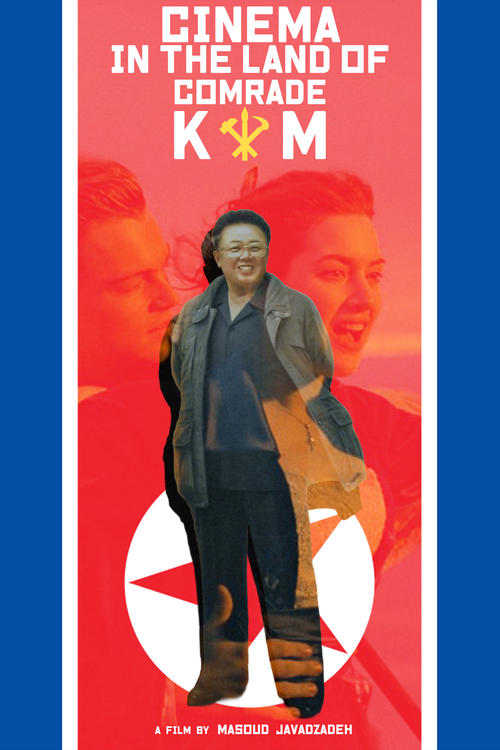
The love of Kim Jong Il, the former dictator of North Korea, for cinema and his adventures, including the kidnapping of a director.
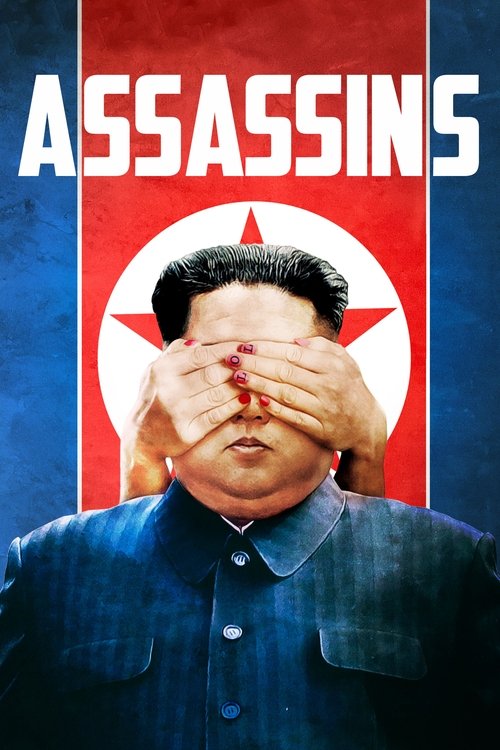
True crime meets global spy thriller in this gripping account of the assassination of Kim Jong-nam, the half brother of the North Korean leader. The film follows the trial of the two female assassins, probing the question: were the women trained killers or innocent pawns of North Korea?
Join National Geographic's Lisa Ling as she captures a rare look inside North Korea - something few Americans have ever been able to do. Posing as an undercover medical coordinator and closely guarded throughout her trip, Lisa moves inside the most isolated nation in the world, encountering a society completely dominated by government and dictatorship. Glimpse life inside North Korea as you've never seen before with personal accounts and powerful footage. Witness first-hand efforts by humanitarians and the challenges they face from the rogue regime.
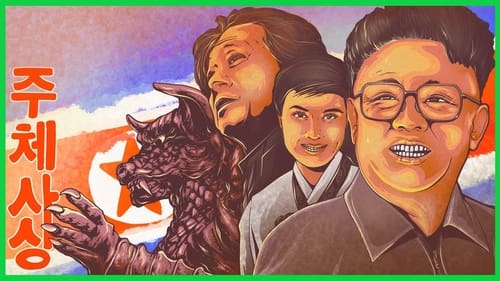
From 1950 to 1953, one hundred thousand children were orphaned by the Korean War. With no resources to mend the wounds, the two sides, North and South, took different paths to find homes and families for the war orphans. While the children of South Korea were sent to Europe and the United States through ‘International Adoption’, the children of North Korea were distributed across Eastern Europe through a method called ‘Commissioned Education’. As a result, more than five thousand children from the North had to spend nearly a decade living in foreign lands across Eastern Europe. This story is a record of their lives, which used to be kept hidden from the rest of the world. There is a key to understanding how North Korea's closed political structure began and how the ‘Juche ideology’ was formed in this documentary movie. Understanding North Korea in the 1950s is an important way to understand North Korea at present.
If the cityscapes and patriotic anthems of this film seem a far cry from the bleak landscape of Seoul Train, that's no accident. Dutch filmmaker Pieter Fleury, with the full permission and cooperation of the North Korean government, created this propaganda film that gives us a glimpse of a day in the life of one of the world's most enigmatic societies. A Day in the Life, largely dictated by the North Korean film bureau, follows a typical North Korean family through their daily duties, largely dedicated to the pride in the North Korean nation of comrades and the glory of General Kim Jong Il. The film is meant to extol the success of modern North Korea. But does it? With straight footage and a total absence of narration, viewers may interpret Fleury's film in a slightly different manner than intended
The first film to fully expose the humanitarian crisis of North Korea, this stylish, deeply moving documentary is centered around astonishing interviews with survivors of North Korea's vast and largely hidden prison camps, and interspersed with archival footage of North Korean propoganda films and original art performances.
A contemporary history of Korea(s) from a unique point of view that embraces the inner history of both South and North Korea in a single narrative.
About five years after her film, Hana, dul, sed ... (2009), filmmaker Brigitte Weich returns to North Korea to ask four women on the national football team how their lives have evolved. In a friendly and congenial cooperation between the filmmaker and her protagonists, a work arises that not only tells about the concrete life of a professional athlete in North Korea, but also poses the question of the images that we all make of ourselves to give meaning to our lives and the world.
How is it possible that North Korea, one of the poorest countries on earth finances a nuclear weapons program large enough to challenge the USA? The answer: Bureau 39, a legendary organization nestled deep inside the government apparatus. Its aim is to procure foreign exchange by any means possible to provide Kim Jong-un’s regime with money.