Exploring the Anthropocene era characterized by human impact on the planet, this is an enlightening VR film that examines an emerging superpower undergoing mass urbanization, industrial development, and topographical changes.
Railroad of Hope consists of interviews and footage collected over three days by Ning Ying of migrant agricultural workers traveling from Sichuan in China's interior, to the Xinjiang Autonomous Region, China's northwest frontier.[1] Through informal interviews aboard the cramped rail cars, Ning Ying explores the hopes and dreams of the workers, many of whom have never left their homes before.
Chinese filmmaker Jia Zhangke returns to the shooting locations of his films, along with his actors, friends and close collaborators. Jia recalls the inspiration sources for his movies, such as Platform, Still Life and A Touch of Sin. The film is the memory of a filmmaker and of a country in convulsion, China, which reveals itself little by little.
Part Two: SMALL HAPPINESS - Despite the tremendous advances women in China have made, serious problems continue. Long Bow women talk about love, marriage, work, birth control, birth customs and the now outlawed custom of foot binding. Truly moving interviews with Lingqiao and her mother-in-law draw us into their lives.
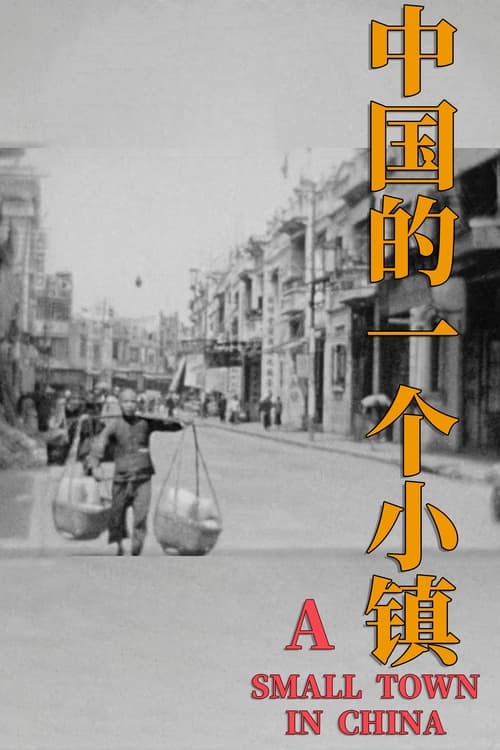
Shot by Methodist missionaries, this is an incredibly charming record of small-town life in an unidentified location in China. We see a bustling wharf town with canal-side dwellings, distinctive school buildings, and a hospital where newly graduated nurses pose for a group portrait. The relaxed smiles of Chinese and Europeans are captured in intimate close-ups, suggesting a tight-knit community.
A fascinating compilation of scenes showing diversity and disparity in 1940s China. The ancient Forbidden City and Great Wall are followed by Shanghai’s metropolitan skyline; primitive farming methods are juxtaposed with mechanised factories; children in rags are contrasted with models wearing the latest fashions; Nationalist commanders and Communist leaders vie for support.
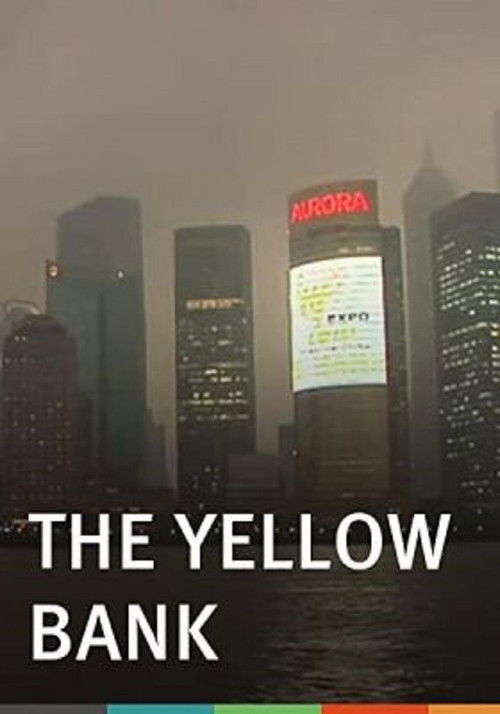
A short documentary that captures the longest total solar eclipse of the 21st century, The Yellow Bank takes you on a contemplative boat ride across the Huangpu River in Shanghai, China. Filmmaker J.P. Sniadecki, who lived and worked in Shanghai nine years earlier, uses the eclipse as a catalyst to explore the way weather, light, and sound affect the urban architectural environment during this extremely rare phenomenon.
This powerful documentary explores the cruel realities of sweatshop labor and workplace injury in China, and one lawyer's mission to defend worker's rights.
The film uses a documentary approach to tell the stories of 12 Chinese pioneers, chosen from the fields of business and the arts. The protagonists reflect upon their life journeys against the backdrop of modern China.
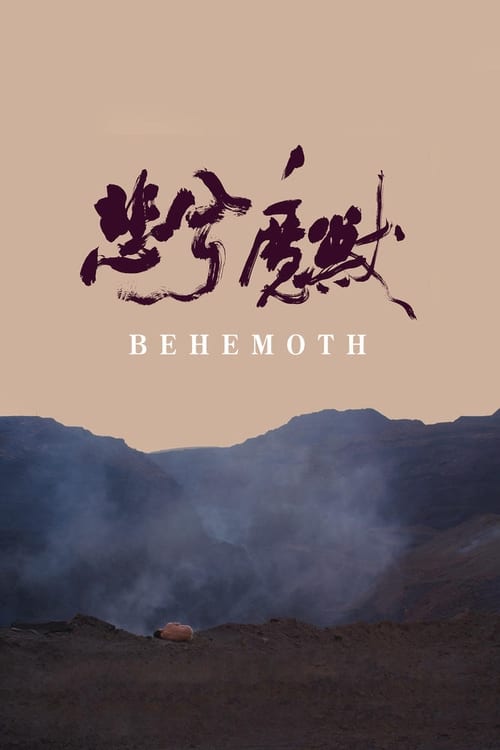
Under the sun, the heavenly beauty of grasslands will soon be covered by the raging dust of mines. Facing the ashes and noises caused by heavy mining , the herdsmen have no choice but to leave as the meadow areas dwindle. In the moonlight, iron mines are brightly lit throughout the night. Workers who operate the drilling machines must stay awake. The fight is tortuous, against the machine and against themselves. Meanwhile, coal miners are busy filling trucks with coals. Wearing a coal-dust mask, they become ghostlike creatures. An endless line of trucks will transport all the coals and iron ores to the iron works. There traps another crowd of souls, being baked in hell. In the hospital, time hangs heavy on miners' hands. After decades of breathing coal dust, death is just around the corner. They are living the reality of purgatory, but there will be no paradise.
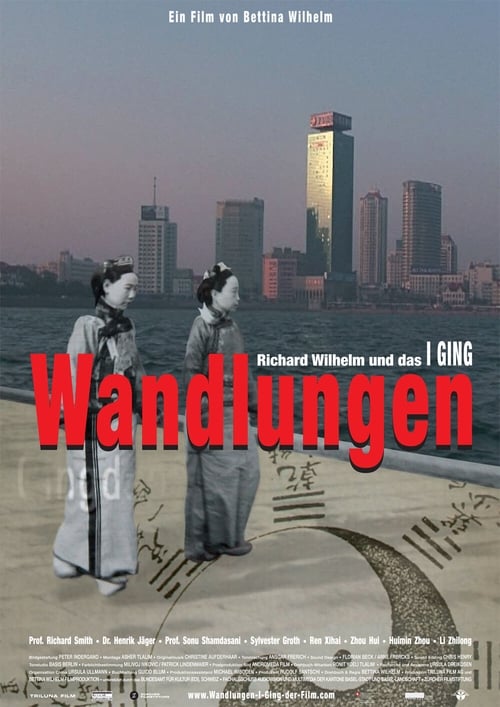
As a young missionary, Richard Wilhelm in 1899 to China, which was then exploited by the colonial powers. He lived there revolts against foreigners, the end of the imperial dynasties and the First World War. In these times of turbulent upheavals he was indefatigable in search of the deepest truth that helps people deal with change and able to shape their own lives. Richard Wilhelm baptized not only Chinese, but accomplished one of the largest translation services of the 20th century: Confucius, LAOTSE the most important texts of Daoism and especially the I CHING THE BOOK OF CHANGES. The book also served many readers in the West as inspiration. Wilhelm is still one of the most important mediators of Chinese culture in Europe.
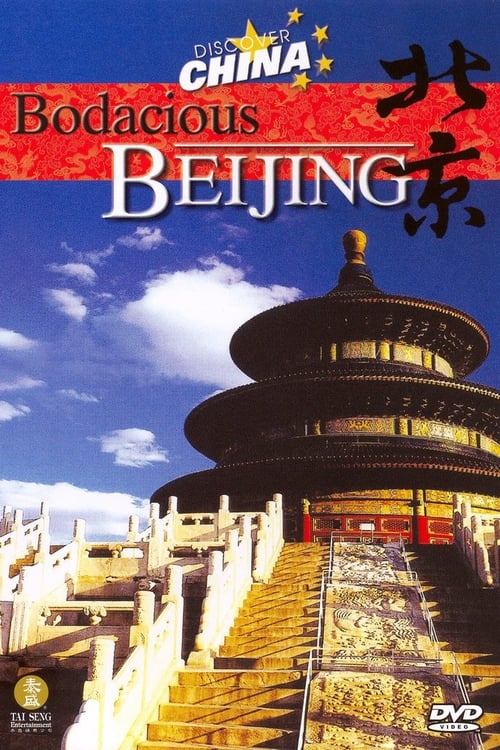
Take a trip to the amazing Chinese capital without leaving your own home. Not content with a tourist-only view of Beijing, this documentary hangs with the locals in roadside food stalls and antique flea markets. But the big landmarks -- such as the Great Wall and the Forbidden City -- are showcased amply as well. Like any good vacation, this whirlwind of culture, history, shopping and food will leave you satisfied and reluctant to return home.
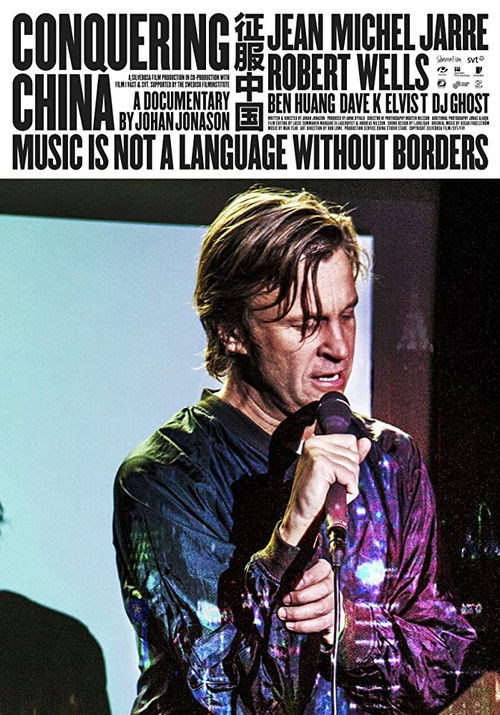
A Swedish singer trades Europe for China. Like a blonde nephew of Bryan Ferry, he enters the burgeoning music scene in Shanghai, where electronic dance music dominates. But is this new land of opportunity ready for his soul-searching, tormented voice? Is music really such a universal language?
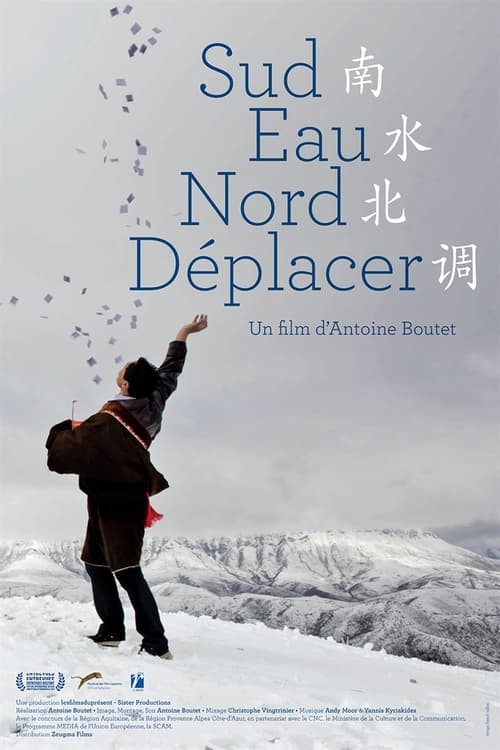
Following the steps of the Nan Shui Bei Diao - South to North Water Transfer - the world's largest water transfer project, stretching between southern and northern China.
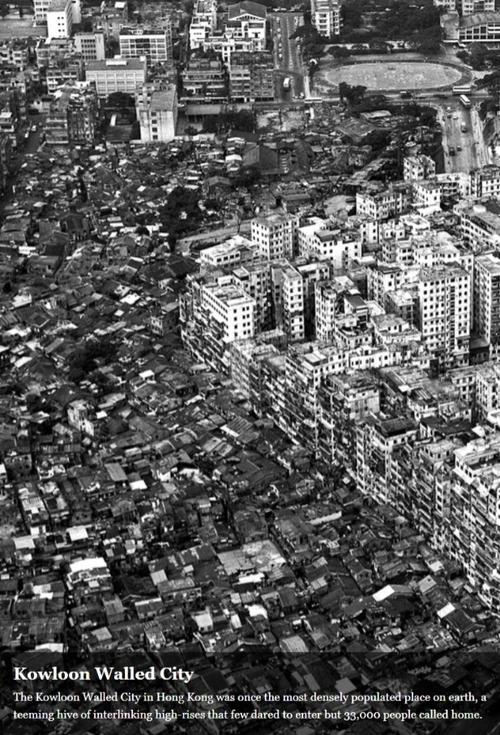
The Kowloon Walled City in Hong Kong was once the densest place on earth, a virtually lawless labyrinth of crime, grime, commerce and hope. A Wall Street Journal documentary tracks its colorful legacy and brings the place alive 20 years later.
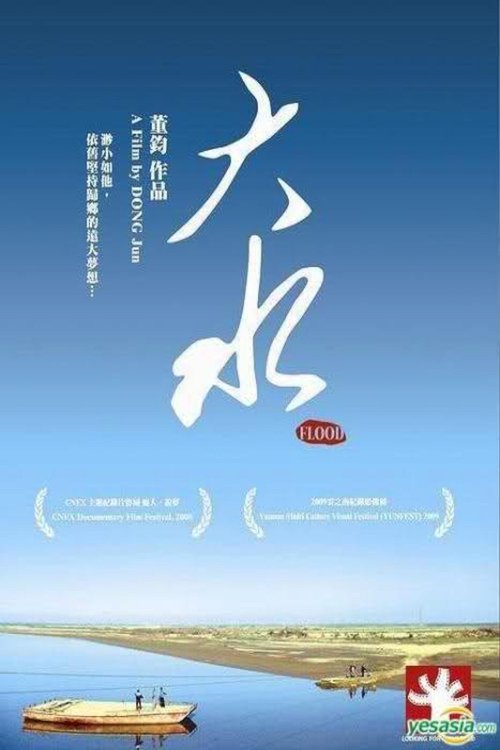
It has been forty years since the Sanmen Gorge project, a great dam high across the Yellow River at Sanmen Gorge, was completed. It's construction has had a large impact on the environment and the people. Among these are conflicts with local farmers, resettlement and life in exile of villagers, flooding and economical development.
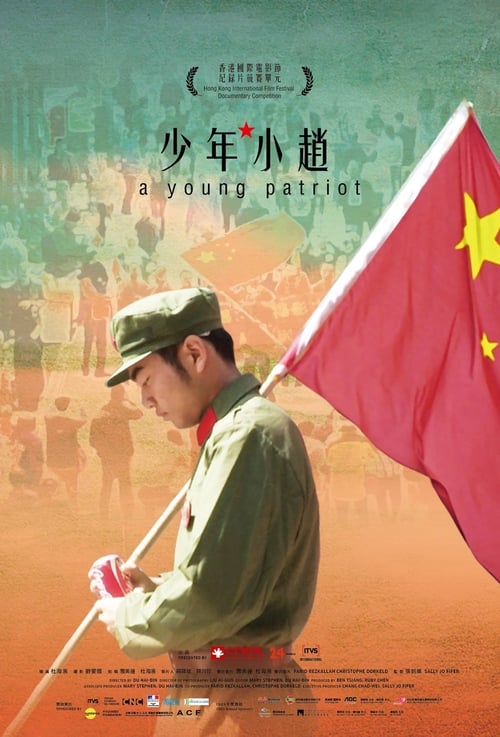
A documentary chronicling the coming of age of a young chinese man.