The cherry trees planted where waves of history passed bear abundant fruit. Raisa, Tamara, Rafael, Sonya, Vladimir, Lera, Konstantin. We will not forget the names of the people we met on this journey. Nor the bittersweet taste of the cherries.
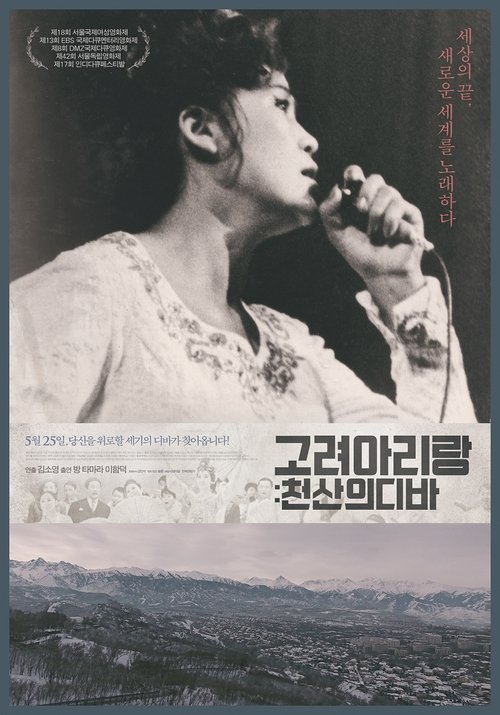
The documentary starts with a diva of a tragic family history related to a history of migration. The rare archival footage reanimates her history reverberating with the current world crisis. Sound of Nomad: Koryo Arirang is a testimonial – a witness to injustice and tragedy, but it is also a declaration of survival – a survival that is not static but transformative – not brittle but fluid. The trains that displace, the deserts that separate form one harsh horizon – a historical limit – but within that limit, against it and across it are people, are a culture, not escaping but flourishing unofficially, with the affective majesty of a melody, a rhythm, an Arirang
Leningrad, one summer in the early eighties. Smuggling LPs by Lou Reed and David Bowie, the underground rock scene is boiling ahead of the Perestroika. Mike and his beautiful wife Natasha meet with young Viktor Tsoi. Together with friends, they will change the destiny of rock’n’roll in the Soviet Union.
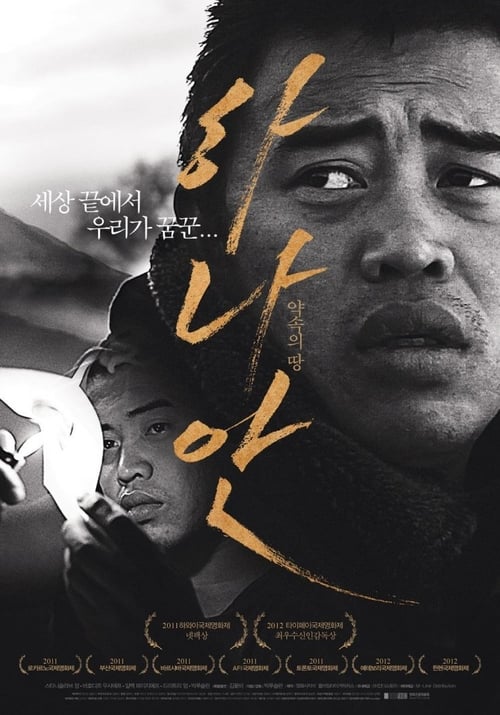
Stas is a young third generation Koryo-saram, a member of the Korean minority in Central Asia that was deported from the Russian Far East by Stalin. He and his three friends Kasoy, Shin and Said try to escape from the grim life in Tashkent, the Uzbek capital, and one day, they also try heroin. Then, however, Kasoy gets killed by a gang. 6 years later, Shin has emigrated to South Korea, Said has become a drug addict and Stas is now a police officer. Said commits suicide by overdosing and Stas, who has has since then also become a drug addict, decides to turn over a new leaf. He follows Shin to South Korea, but can this be Hanaan for him, the Promised Land?
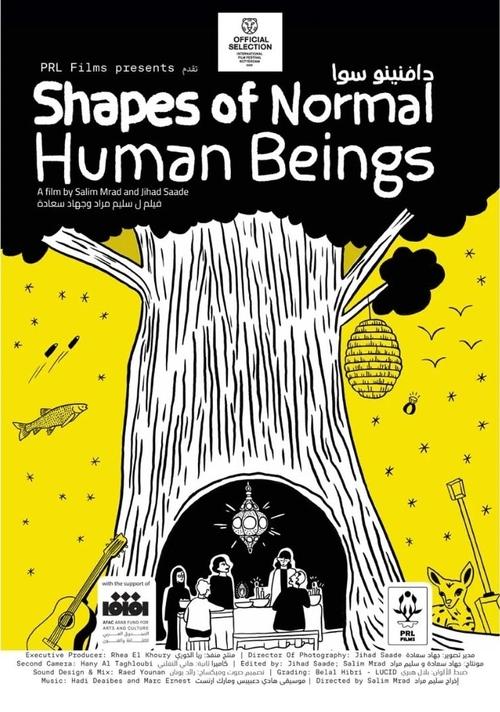
Three friends take an 8-day road journey to make sense of Lebanon at this moment in time. Each detour in their journey makes for a spectacular experience of co-narration and listening in the face of uncertainty.
I am sitting in a room is a sound art piece by American composer and sound artist Alvin Lucier composed in 1969. The first performance of the work was in 1970 at the Guggenheim Museum in New York. In collaboration with his partner Mary Lucier. The piece features Lucier recording himself narrating a text, and then playing the tape recording back into the room while re-recording it. The new recording is then played back and re-recorded, and this process is repeated. Due to the room's particular size and geometry, certain resonant frequencies are emphasized while others are attenuated. Eventually the words become unintelligible, replaced by the characteristic resonance of the room.
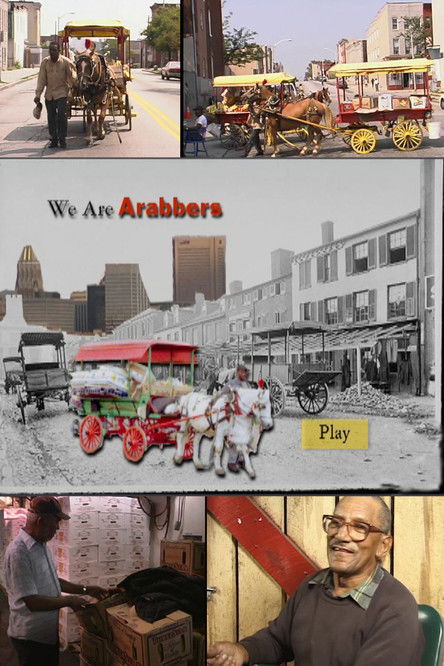
We Are Arabbers follows the last of the horse-and-wagon produce vendors along the streets of Baltimore as they struggle to make a living and maintain their unique culture.
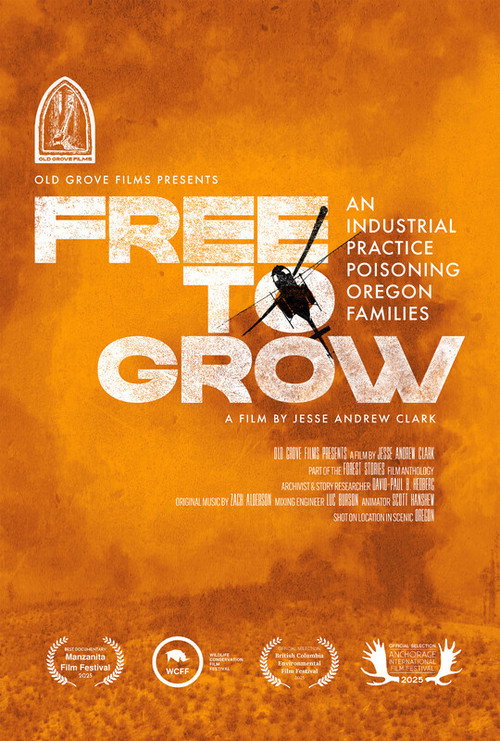
Rural Oregon families have taken up the fight against aerial herbicide spraying by the forestry industry for more than 50 years — but has public safety around these substances since improved? Weaving historic archival footage with modern-day stories, the film is a powerful portrait of families grappling with the realities of herbicide exposure in their own backyards.
A documentary produced in 1979 to celebrate the centenary of the birth of Albert Einstein. Narrated and hosted by Peter Ustinov and written by Nigel Calder.
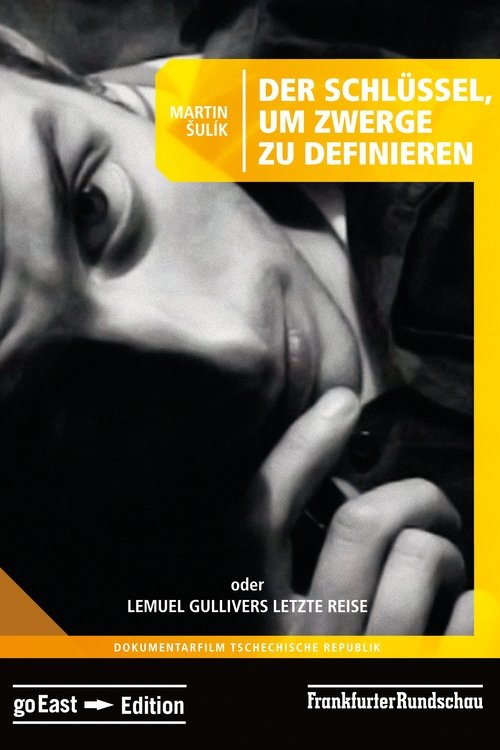
A Czech director wrestles with problems personal and political during the Prague spring of 1968.
A young group of actors are preparing an updated version of Shakespeare's ROMEO & JULIET. Two boys perform the central roles - both of them struggling with their own questions of love alongside their roles on stage. And as rehearsals begin, reality soon starts to interfere with the play.
With Istanbul, Martine Rousset puts on the brakes to the world's movement through a cinema of deceleration. At the boundaries between image by image movement and optical fusion, the rhythm of the film gives way to a suspended or floating time. Is it not certain that the idea of duration is more able to render a perception of the city that rather burns for intense emotion. It seems as if the camera cultivates a dreamy half-sleep. To this soft throbbing, blends however, variation of exposure as well. Therefore, at certain times, seeing becomes fragile and dangerous.
The inside story of Alexander Litvinenko's murder in London and the subsequent international manhunt that led to the Kremlin, told in full for the first time, with exclusive access to key individuals.