Driven by passion fed from a life-long fascination with sharks, Rob Stewart debunks historical stereotypes and media depictions of sharks as bloodthirsty, man-eating monsters and reveals the reality of sharks as pillars in the evolution of the seas.
Patrick Moore
as Himself
Erich Ritter
Paul Watson
Rob Stewart
Boris Worm
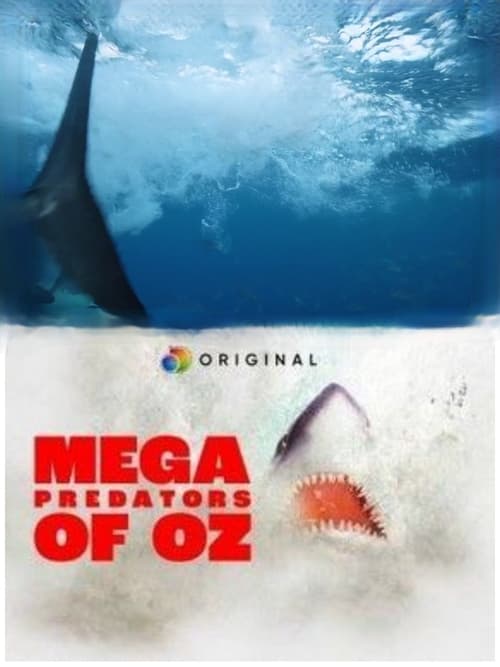
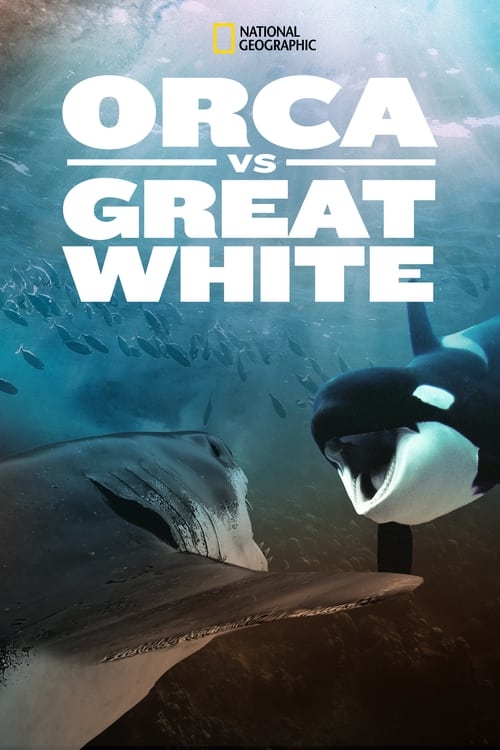
Wildlife filmmaker Dave Riggs has spent eleven years trying to find out who this super predator capable of eating a Great White is. Dave’s obsession to find the killer leads him to an oceanic battle zone that's remained hidden until now. Called the kill zone, orcas, colossal squids, and Great White Sharks face off in an underwater battle where only the fiercest creatures of the marine world survive.
In Australia, sharks have recently been recorded with unusual prey-including other sharks. In order to figure out what has caused this shift in diet, Dr. Charlie Huvaneers and team head to shark infested waters to find out what's in the stomach of a great white - and why.
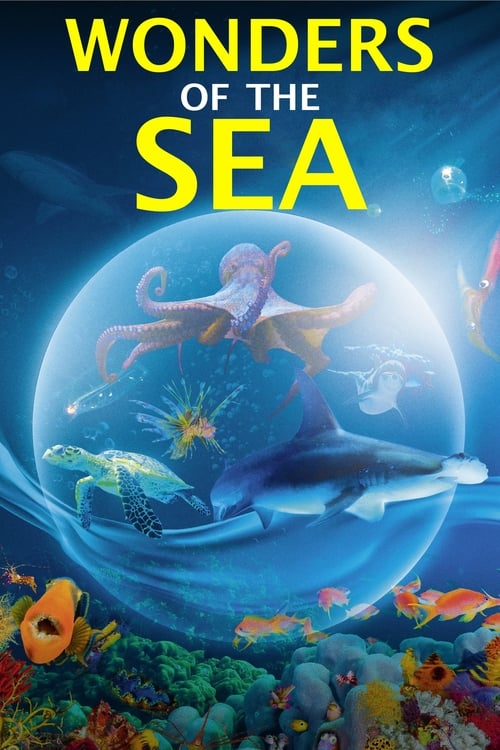
Filmed over three years in various locations, from the Fiji Islands to the Bahamas, Wonders of the Sea 3D is an underwater tour of the most obscure parts of our planet's oceans, revealing images so spectacular that they border on the fantastic.
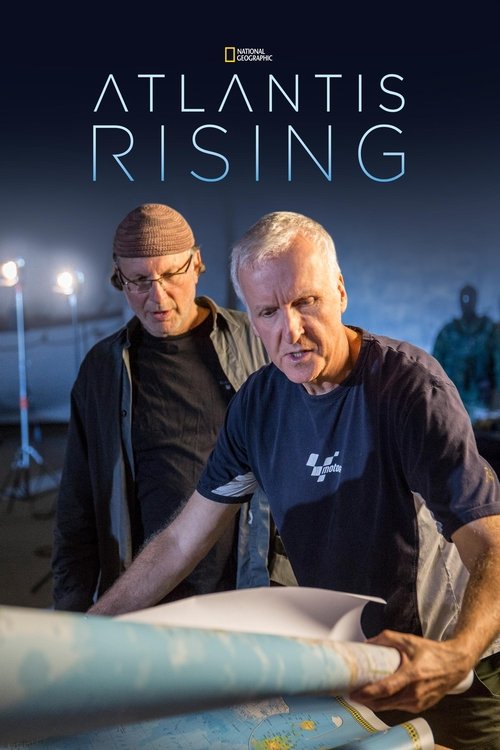
James Cameron and Simcha Jacobovici go on an adventure to find the lost city of Atlantis by using Greek philosopher Plato as a virtual treasure map.
A journey into four classical elements through the four main characters of the film. The main characters in the movie represent each of their own elements.
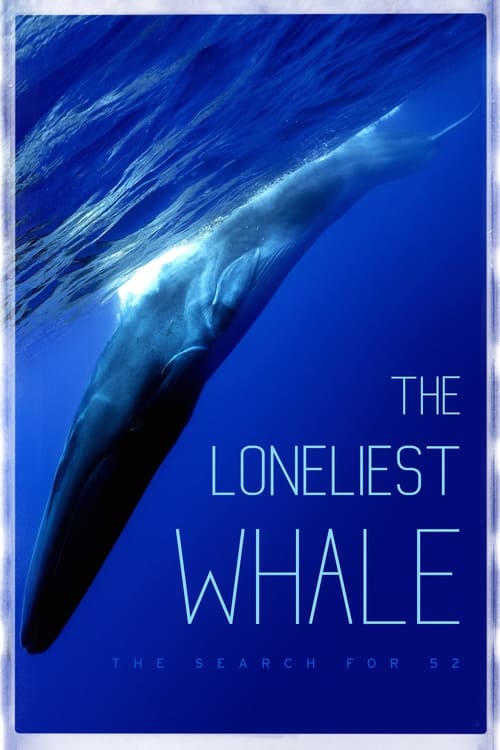
THE LONELIEST WHALE is a cinematic quest to find the “52 Hertz Whale,” which scientists believe has spent its entire life in solitude calling out at a frequency that is different from any other whale. As the film embarks on this engrossing journey, audiences will explore what this whale’s lonely plight can teach us — not just about our changing relationship to the oceans, but to each other. Executive Produced with Leonardo DiCaprio and Adrian Grenier.
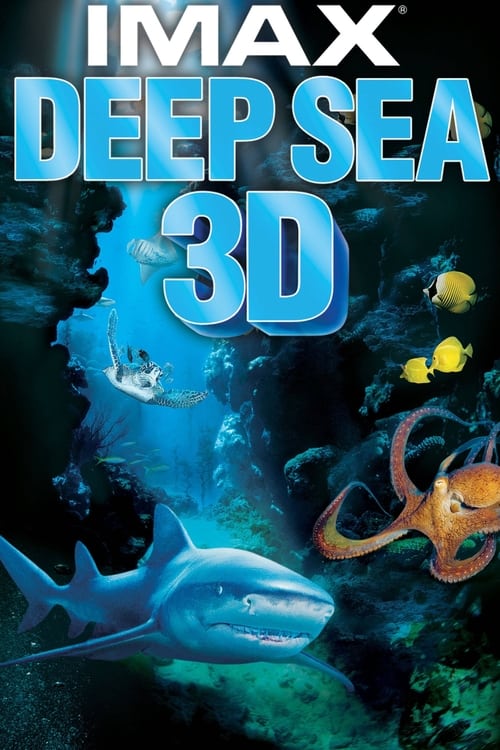
Sea life in a whole new way. Deep Sea 3D, an underwater adventure from the filmmakers behind the successful IMAX® 3D film Into the Deep, transports audiences deep below the ocean surface. Through the magic of IMAX®; and IMAX 3D, moviegoers will swim with some of the planets most unique, dangerous and colorful creatures, and understand this inspiring underworld.
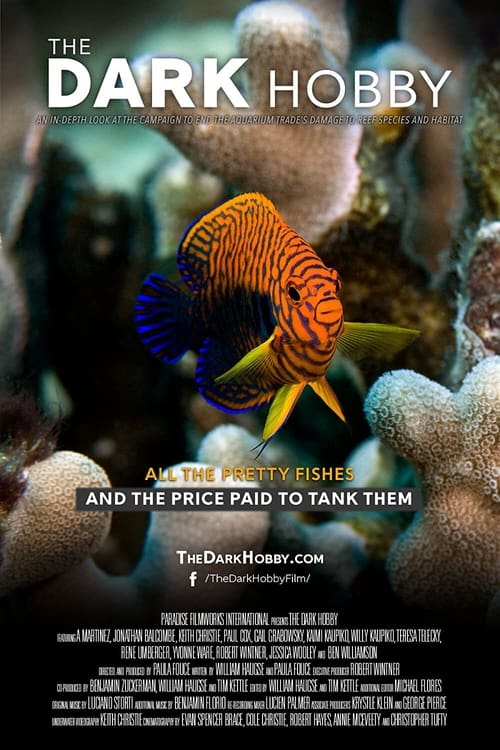
The Hawai'ian Islands are ground zero for the aquarium trade who capture and traffic reef fish for hobbyists’ tanks, decimating the reef, ocean and earth’s oxygen. Native Hawai'ians, conservationists, scientists, aquarium fish collectors and breeders are locked in a controversy over the stunning “treasure of Hawai'i” – the ornamental fish.
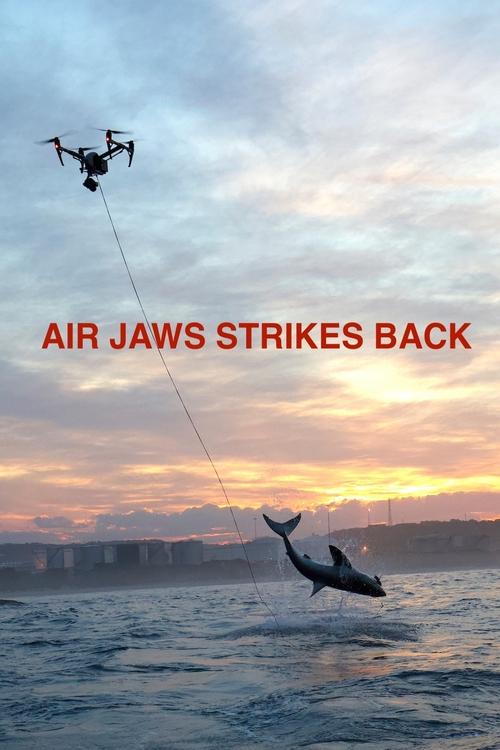
Air Jaws claims new turf in South Africa. Dr. Neil Hammershlag and Enrico Gennari follow with brand new technology: a "drone-towed" seal decoy to study and capture the harrowing and dramatic battles between shark and seal.
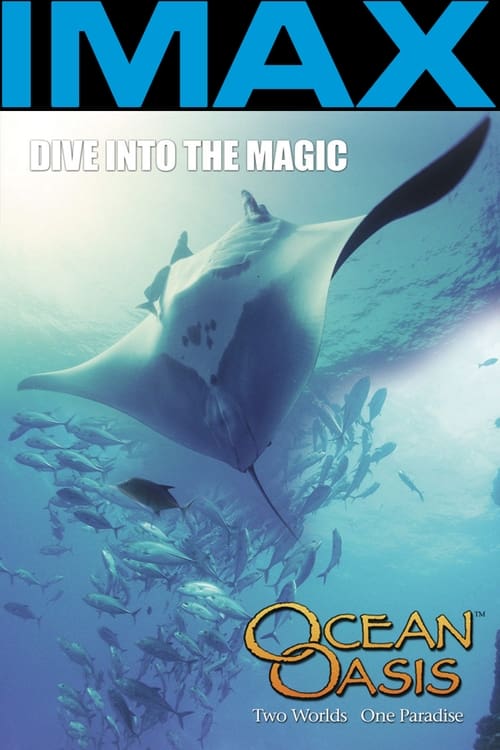
Ocean Oasis is a fascinating journey into the bountiful seas and pristine deserts of two remarkably different, but inextricably linked worlds — Mexico's Sea of Cortés and the Baja California desert.
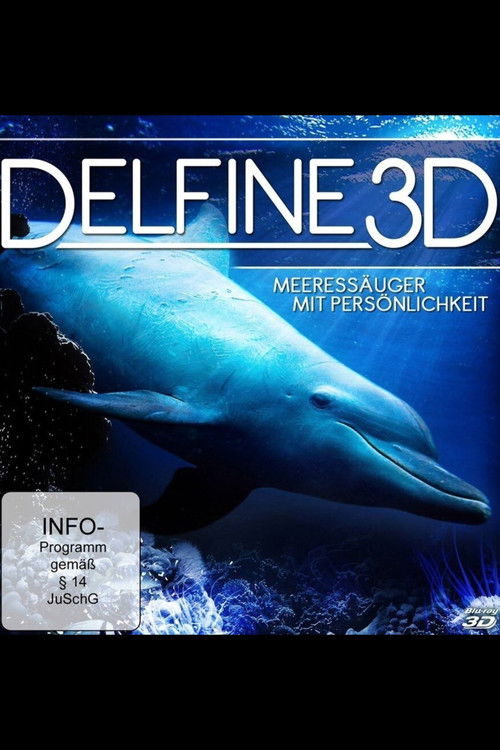
They are inspirational, playful, powerful, interesting and very intelligent animals, which have a magical bond with the people: Dolphins. You'll see these magnificent animals in their natural habitats - reefs in Eilat, the largest marine reserve in the world. And also be able to watch a dolphins dance and play with the camera, dive or just durachatsya. Never seen so close before!
Researchers investigate whether orcas have begun hunting great white sharks off the coast of New Zealand.
A series of shark attacks that happened in the same patch of ocean, the remote islands of the Whitsunday in Australia.
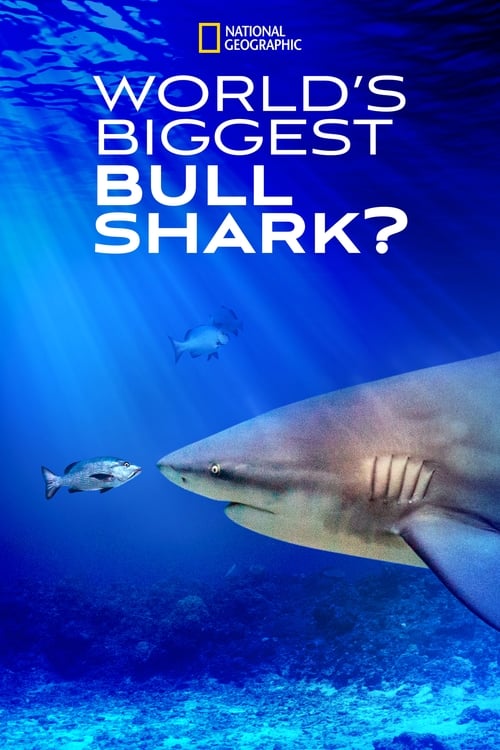
How one of the largest Bull Sharks ever caught off the quiet coast of Florida grew to become a giant of the ocean.
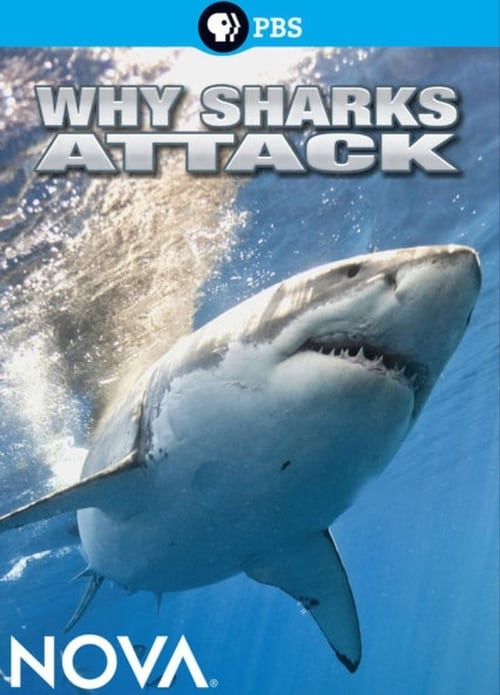
In recent years, an unusual spate of deadly shark attacks has gripped Australia, resulting in five deaths in 10 months. At the same time, great white sharks have begun appearing in growing numbers off the beaches of Cape Cod, Massachusetts, not far from the waters where Steven Spielberg filmed Jaws. What's behind the mysterious arrival of this apex predator in an area where it's rarely been seen for hundreds of years? Are deadly encounters with tourists inevitable? To separate fact from fear, NOVA teams with leading shark experts in Australia and the United States to uncover the science behind the great white's hunting instincts. With shark populations plummeting, scientists race to unlock the secrets of these powerful creatures of the deep in their quest to save people -- and sharks.
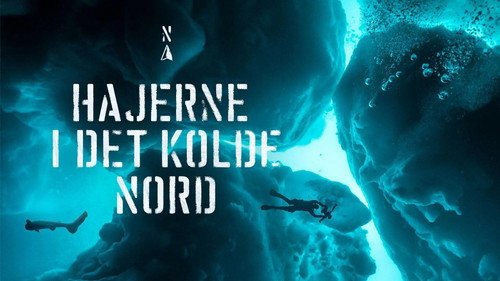
Filmmaker Christina Karliczek Skoglund goes in search of the Greenland shark.
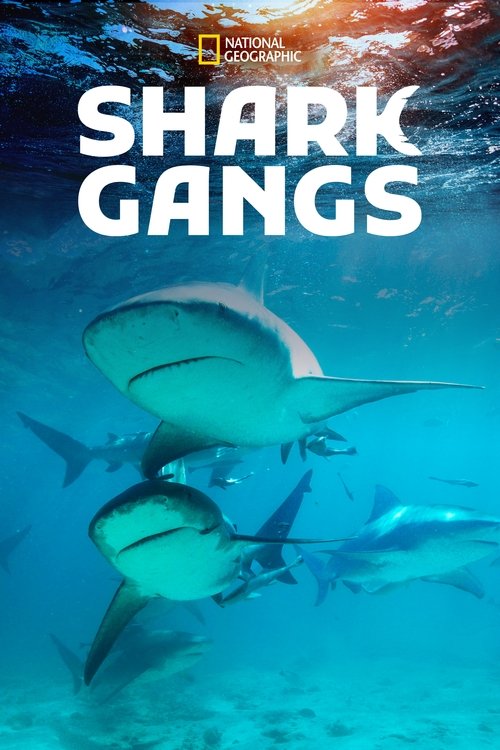
Scientists have discovered and investigate the reason behind the behavior of sharks swimming around in gangs even though they are viewed as solitary predators.
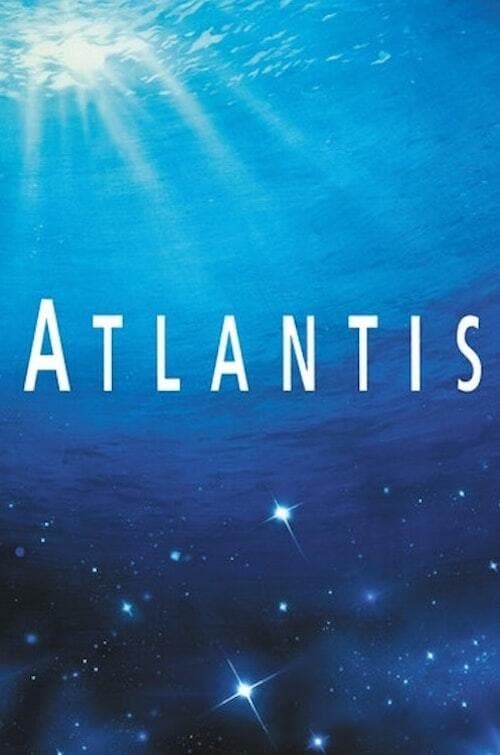
Atlantis is filmmaker Luc Besson's celebration of the beauty and wonder of the world beneath the sea, expanding upon themes touched on in his film The Big Blue. Combining stunning underwater cinematography and a hypnotic score by Eric Serra, Besson's singular vision defies dialogue or narrative structure to explore ocean life as you've never seen it before. Following the colossal success of The Big Blue, Luc Besson crisscrossed the world's seas and oceans to film the beauty and diversity of marine life: from the giant octopuses of Vancouver to the manta rays of the Pacific (New Caledonia), and the grey sharks of Tahiti. A film with no actors or sets other than the underwater world. A breathtaking view of marine species: sharks, dolphins, manatees, octopuses. An exploration of the seabed in the Bahamas, the Galapagos, Vancouver, and Tahiti.
Johnny Knoxville sends Steve-O, Chris Pontius, and new Jackass cast members on a Shark Week mission for the ages. They'll dial up a series of shark stunts that test their bravery and threshold of pain as they put common shark myths to the test.