A Palestinian grain miller in a Jordanian refugee camp safeguards her culture and shares her people’s history through food prepared with love, longing, and sumud—the Palestinian spirit of steadfastness.
Aisha Azzam
as Self
Rawand Alababda
Omar Alababda
Tamam Ahmed Al-Khawalda
Mariam Dheeb ‘Abed
Amal Mreish
In 1963, Rosans, a village in the Hautes-Alpes region depopulated by the rural exodus, welcomed Harkis (military soldiers) forced to leave Algeria for supporting France during the Algerian War. Around thirty families settled in a camp below Rosans. Nearly half a century after their arrival, first- and second-generation Harkis and native Rosanais recount their experiences of this culture clash, often painful, sometimes happy. Language barriers, religious differences, living in barracks for 14 years, and unemployment were all obstacles to overcome in order to be accepted and then achieve mutual enrichment. Enriched with archive footage to explain the historical context of the time, the film seeks above all to express feelings and unspoken words.
A family with five children flees the war raging in their home village on the Russian border. They end up in Mshanets, a farming village on the other side of the country, remote and unknown. Here the family starts building a new home. At the same time, two documentary makers come to the village, looking for a story. In the Lymar family they find the ideal characters for their film. But one day, when the renovation of their house is almost finished, the family disappears. The filmmakers go in search of their characters and along the way they try to find an answer to the question: what does a person need to feel at home?
A cell phone was the only thing that kept Yonas, an Eritrean refugee, connected to Jérôme, the French journalist who wanted to tell his story. They met in Libya in 2019, in the abyss of a detention center. Yonas managed to escape and attempted several times to cross the Mediterranean. Like many others who jump from one hell to another, Yonas's only option was to flee forward, and what lay before him was a small boat. Yonas's News chronicles the epic journey in which his life was at stake, summarized in the WhatsApp and voice messages, photos, and videos he was able to exchange with Jérôme. Jérôme Tubiana, journalist, researcher, and member of Doctors Without Borders, has visited Libya five times between 2018 and 2020.
An Iranian filmmaker participates in a series of video calls with a young Palestinian photojournalist who describes her life confined in Gaza during the current regional conflict.
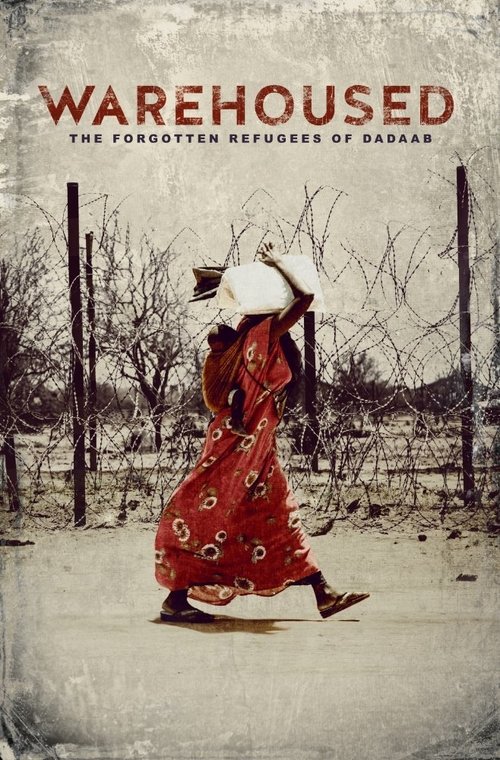
In the Gaza refugee camp of Jerash, Palestinians face the critical issue of lacking identification documents. This situation undermines their rights and hinders access to essential services and opportunities.
"We, the Yazidis, became doves. Doves without wings", says Hedil. Stranded with her family in a Yazidi refugee camp in Eastern Turkey, she reminisces about her former life in Northern Iraq and recounts the horrors of her escape. The film follows two families' attempts at normality in an otherwise miserable place. (ML)
Cambodian refugee Ted Ngoy builds a multi-million dollar empire by baking America's favourite pastry: the doughnut.
Bobbing around on Mediterranean waters aboard the Ocean Viking, aid workers from the French relief service SOS Méditerranée gaze at the horizon. Is that a rubber dinghy in the distance, or is it garbage? The organization sails up and down the Libyan coast looking to pick up refugees in boats. On board is a 30-strong team ready to offer help and support refugees with their asylum applications.
12-year-old Dyab is a Kurdish Yazidi boy living at Arbat refugee camp, after the horrendous attacks by the Islamic States on their villages at Shingal Mountains (Sinjar). However, Dyab’s dream is, to become a filmmaker and actor and tell the stories and sufferings of his people to the outside world.
Interviews with Palestinians living in Lebanese refugee camps, some of it shot in Sabra and Shatila before the massacre.
Documentary on water usage, money, politics, the transformation of nature, and the growth of the American west, shown on PBS as a four-part miniseries.
La vie devant elle is the diary of the exile of Elaha, a 14 year old Afghan girl, who films herself with a small camera to tell her story. Through her story, the film portrays the reality of children growing up on the road, tossed from place to place to flee conflicts in the hope of finding a normal life.
Milena, a young woman from Ukraine, who along with her mother and grandmother (and cat), desperately struggle to escape their war- torn home while an army of supporters on the opposite side of the world fight to keep them safe. Milena survived the destruction of Mariupol, cowering for a month in the basement of a bombed-out building, watching her home and history burn. She managed to contact Ken Pontac, long-time Facebook friend and father figure. Their conversations bolstered Milena's spirits while Ken listened with growing apprehension.
Where Olive Trees Weep offers a searing window into the struggles and resilience of the Palestinian people under Israeli occupation. It explores themes of loss, trauma, and the quest for justice.
As part of the organization of sporting, cultural and solidarity meetings between a team of amputee footballers from Gaza and the French amputee football team, the project coordinator, filmmaker-director followed with his camera the Palestinian footballers in Gaza before their departure, and during their stay in France.