Choi Jae-young
as Self
Lee Myung-soo
Choe Kang-wook
Kim Keon-hee
as Self (archive footage)
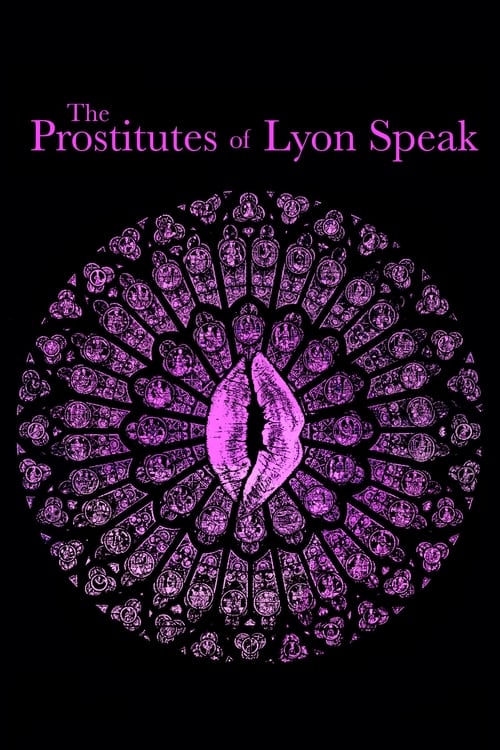
Documentary about the Lyon sex workers who occupied the church of St. Nizier on June 3, 1975.
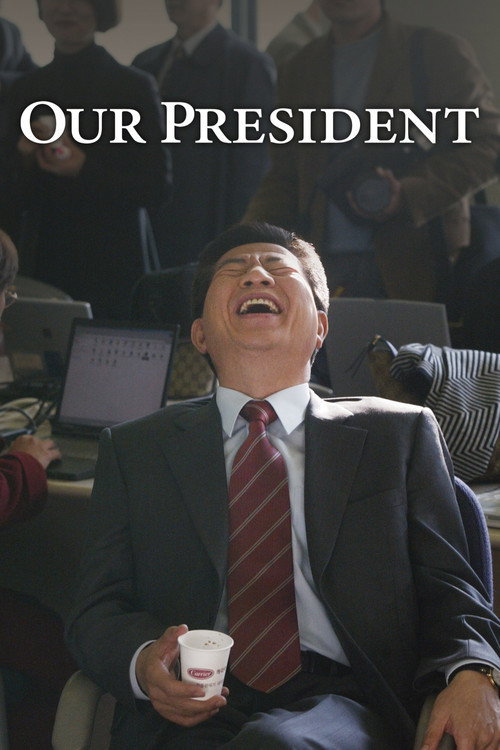
In South Korea, 2002, the Democratic Party put the presidential nomination to a plebiscite for the first time. Amongst numerous candidates, the one who brought about the most unexpected result was a fringe candidate named Roh Moo-hyun.
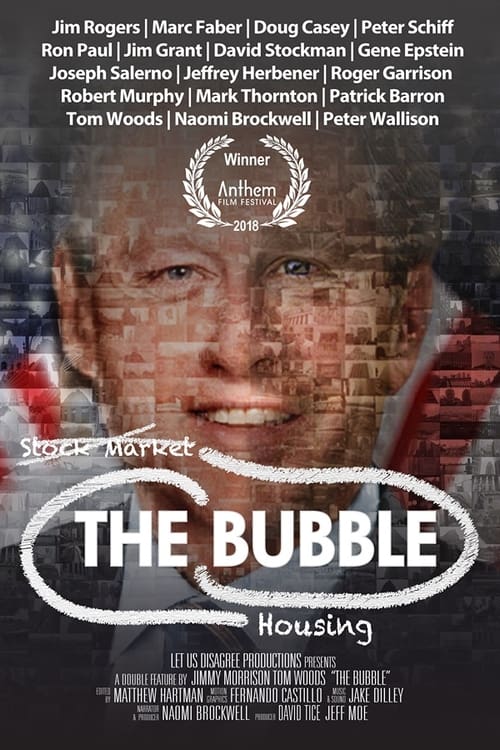
Diving deep into the true causes of the Great Recession, the financial crisis of the 2010s, renowned economists, investors and business leaders explain what America is facing if we don't learn from our past mistakes. Is the economy really improving or are we just blowing up another Bubble?
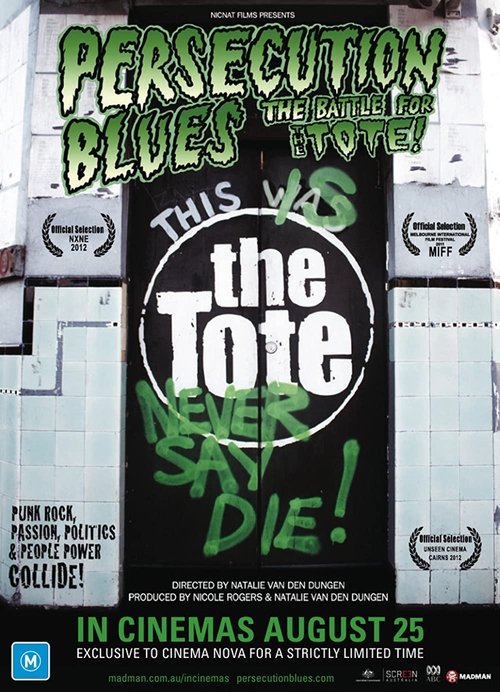
In 2010, the iconic Tote Hotel – last bastion of Melbourne’s vibrant music counterculture – was forced to close by unfair laws. Filmed over 7 years, “Persecution Blues” depicts the struggle of more than 20,000 fans – and the bands who inspire them – to preserve their history and protect their future, and puts the audience on the front line of an epic-scale culture war.
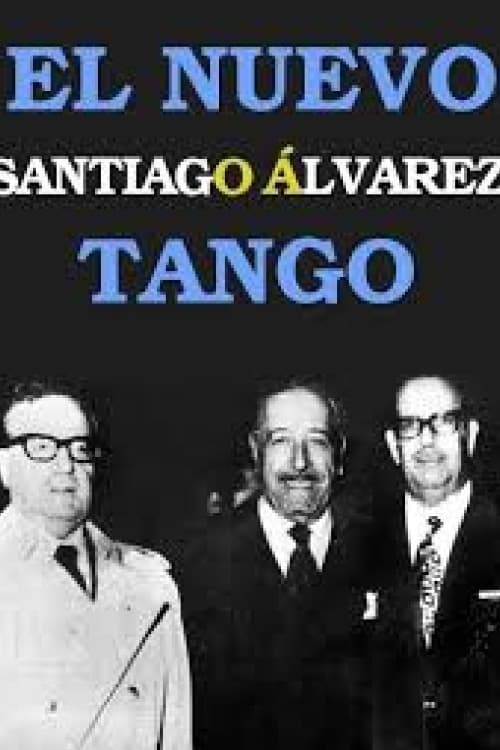
The New Tango (El Nuevo Tango) was not shown in Argentina for a long time as it deals with the ascent of Argentinean president Hector Campora in May 1973, and features Cuban and Chilean presidents, Osvaldo Dorticos and Salvador Allende. A million people gathered on the Plaza de Mayo to acclaim the new President. One of Cámpora's first presidential actions was a granting of amnesty to political prisoners who where jailed during the dictatorship. On 28 May Argentina restored diplomatic relations with Cuba, which then received Argentine aid - such as food and industrial products - to break the United States embargo against Cuba.
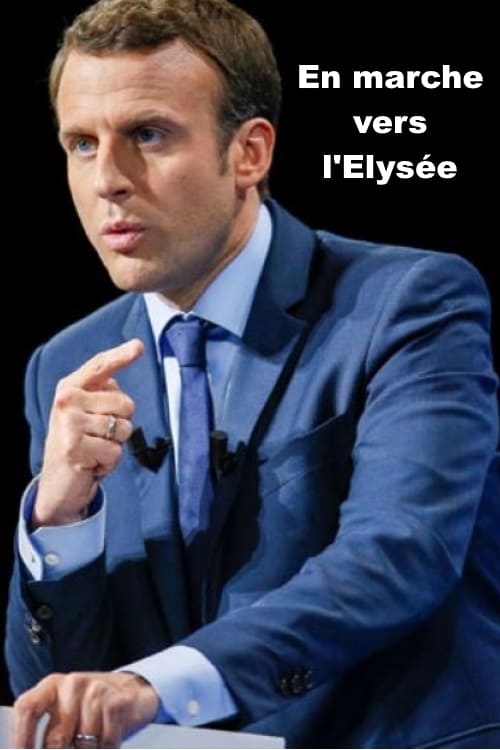
From the Ministry of Economy to his candidacy in the presidential elections, Emmanuel Macron quickly established himself in the French political landscape with a path full of subtlety. This documentary attempts to dive into the labyrinthine world of the President of the Republic, where he seeks to define his political stance and his strategy of rupture, which further deepened the downfall of the Socialist Party.
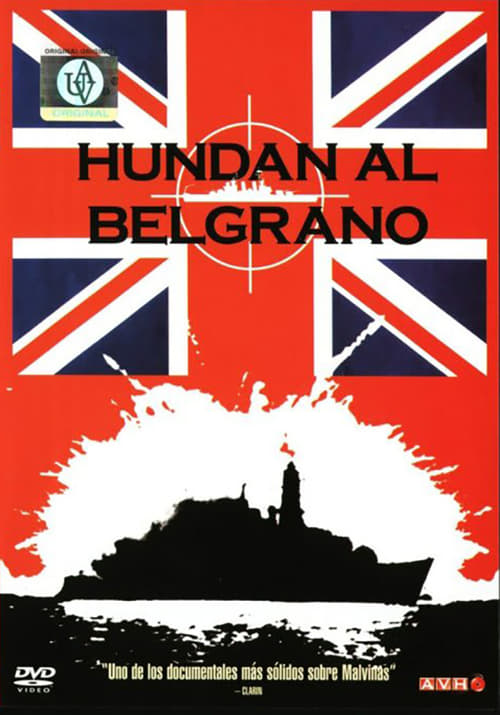
A detailed account of each of the details of the Malvinas War based on interviews, dramatic scenes, maps and other elements of historical roots without ignoring the historical antecedents from the 18th century that ended in this confrontation.
Short Documentary on a political art performance in Berlin 2015 to fight against the "Bill for the Protection of Sexworkers" introduced by the German government that year.
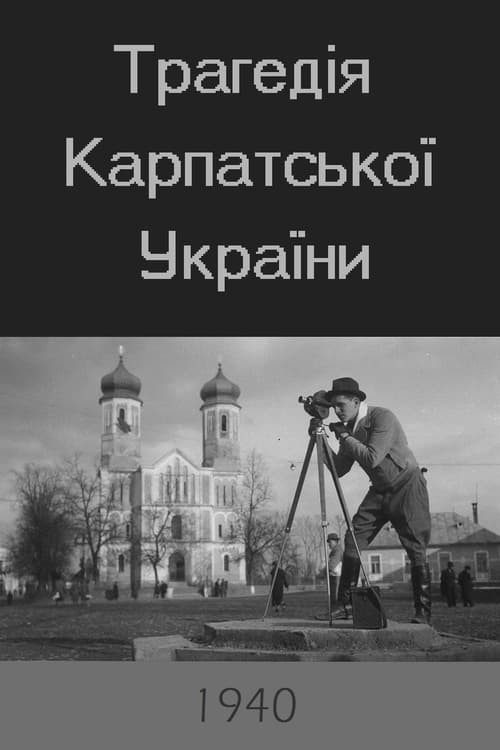
Documentary-filmed events in the Carpatho-Ukraine (aka Ruthenia) during 1939 drive this history of the Ukraine's struggle for independence as a nation.
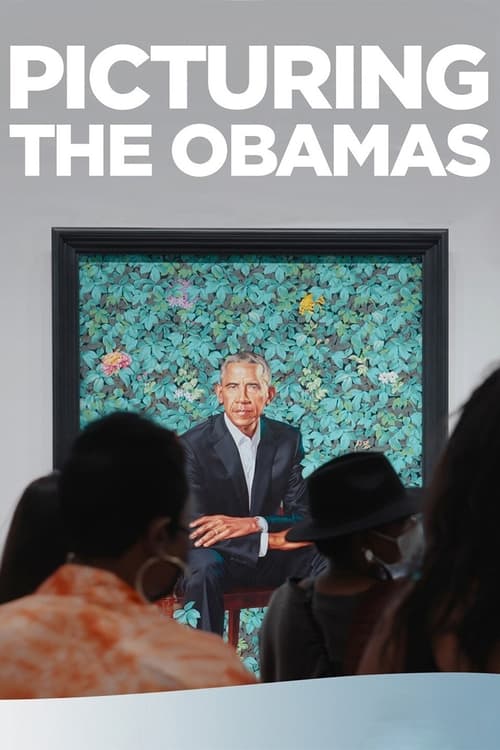
Viewers learn from curators, journalists and art critics about the ways in which the Obamas’ portraits commissioned by the Smithsonian’s National Portrait Gallery disrupt traditional presidential portraiture and spur museums to reach new audiences. The paintings of the ex-commander in chief and first lady, by artists Kehinde Wiley and Amy Sherald, were revealed to much fanfare at the National Portrait Gallery in 2018. The portraits — which drew record attendance to the Washington art museum — have since traveled the country as part of a nationwide exhibition.
For decades, the United States has been fixated on incarceration, building prisons and locking up more and more people. But at what cost, and has it really made a difference? FRONTLINE goes to the epicenter of the raging debate about incarceration in America, focusing on the controversial practice of solitary confinement and on new efforts to reduce the prison population, as officials are rethinking what to do with criminals.
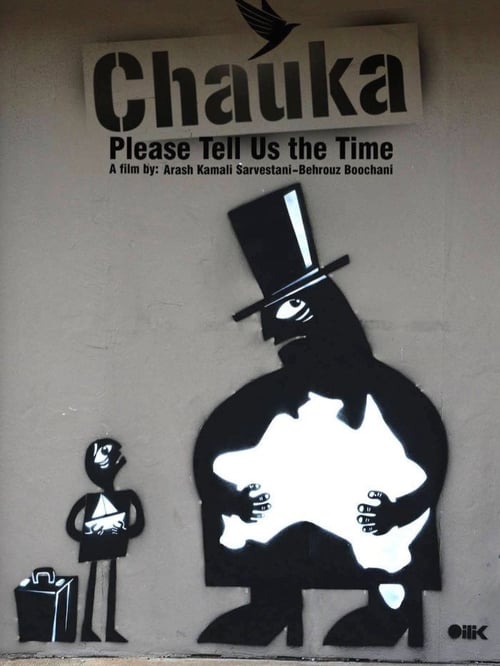
An urgent and powerful documentary, shot in a detention centre where asylum seekers trying to reach Australian shores are indefinitely detained. Secretly shot on a mobile phone by Iranian journalist Behrouz Boochani while detained on Manus, in Papua New Guinea, the film is a collaboration with Dutch-Iranian filmmaker Arash Kamali Sarvestani. Boochani recounts, via the testimonies of fellow inmates, the abuse and violence inflicted and the precarious state of limbo they find themselves in. Chauka, the name of the dreaded solitary confinement unit within the detention centre, was originally the name of a beautiful bird and symbol of the Manus Island. By interweaving dialogue with two Manusian men and shots of daily life on the island, the film gives a much-needed voice to Manus inhabitants, understandably distressed by the current situation. With marked restraint, the film exposes lives broken by shocking immigration policies.
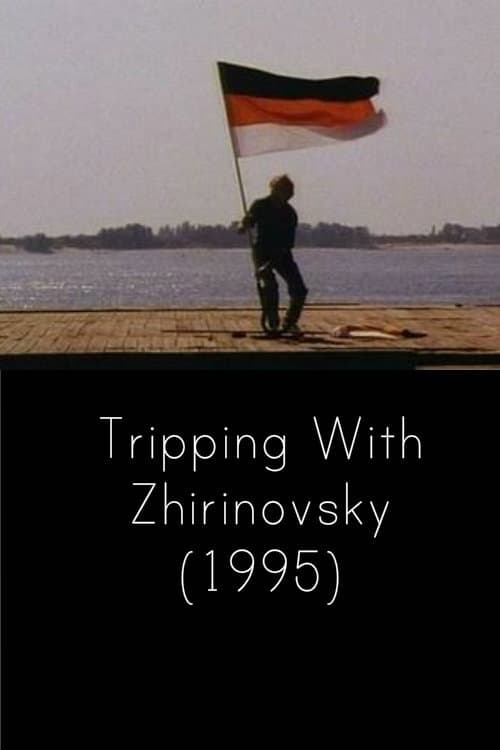
A candid, fly-on-the-wall BBC television documentary portrait of Russian Nationalist politician, Vladimir Zhirinovsky. The film shows the leader on a cruise surrounded by two hundred supporters getting plenty of media attention in New York. We are left with the nagging question: to what extent is Zhirinovsky really dangerous? To take that further, to what extent are populist politicians truly dangerous?
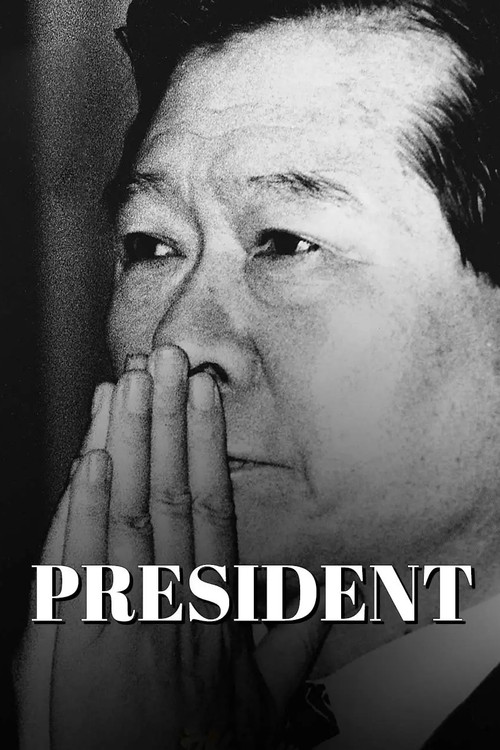
This documentary celebrates the life of former President Kim Dae-joong, who fought for democracy in South Korea and peace in the Korean Peninsula. It marks the 10th anniversary of his passing and covers his challenging journey, from his childhood on an island to his imprisonment, exile, near-death experiences, and ultimately becoming the president.
Why did Dorothy follow the yellow brick road? Film maker Joel Gilbert journeys across America to find out what's at the end of the Progressive rainbow - Utopia or something far worse? From the ruins of Detroit to the slums of Chicago's South Side, and from Denver's illegal immigration invasion to Newark's urban removal project, Gilbert pulls back the curtain. He confronts Progressives on his quest, and takes us deep into their political fantasy of paradise on earth. There's No Place Like Utopia is a humorous and horrifying exploration of Progressivism, amnesty for illegals, race relations, Islam in America, political correctness, and Barack Obama himself, who promises to "remake the world as it should be." But is Utopia a real destination for America? Or, does the true path to happiness still remain faith, family, and hard work - back home in Kansas?
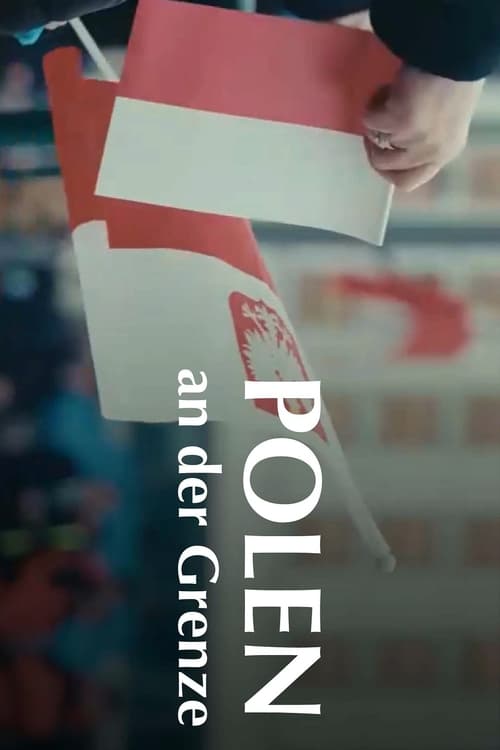
In the run-up to parliamentary elections in mid-October, Polish filmmaker Marcin Wierzchowski travelled across his country to gauge the atmosphere in a society that is more divided than ever.
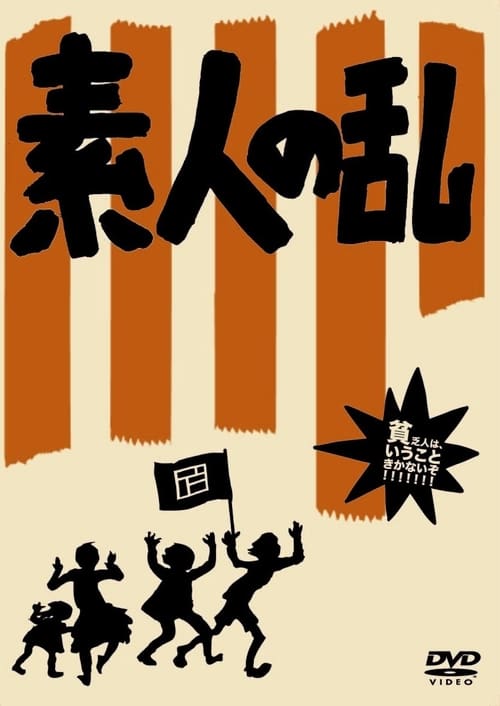
Amateur's Riot (Shirōto no ran) is a Japanese association of activists, committed to the living conditions of the poor people (binbōnin) in Tōkyō. The association was founded in 2005 by Matsumoto Hajime, Yamashita Hikaru, Futatsugi Shin, Mochitsuki Rui and Ogasawara Keita. The protagonists of Shiroto no Ran played an important role in the anti-nuclear demonstrations that appeared in response to the Fukushima nuclear catastrophe.
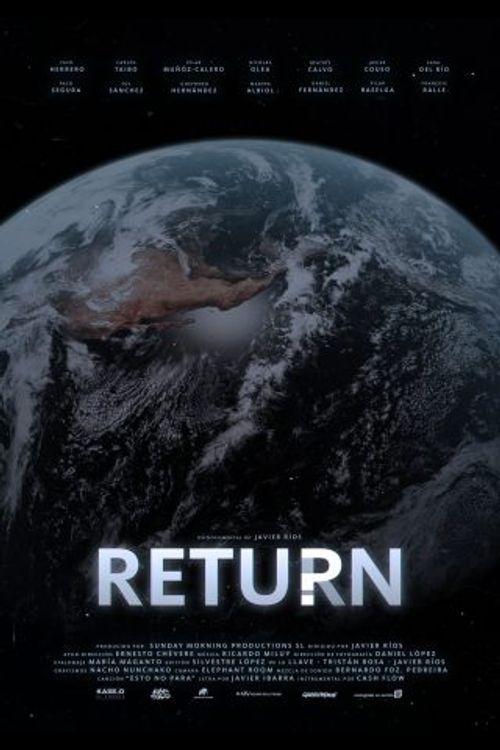
This is a documentary linking ecological and political problems. The planet has come to be less important than the multinational earnings, and with it politicians earnings as well. With this project we bring foreward this problem, witch not only affects the third world, but is a worldwide situation witch needs to be adressed.