María, an activist and drag queen, stands strong against a society that invalidates her. Through her discourse and performance, she confronts the insecurities that once brought her down, transforming her identity into a tool for resistance.
María Ayala
as
Mar Bel, a 55-year-old transgender woman, is a sensitive artist, singer and actress who found in creativity her resistance and in music her refuge. Beginning her transition into adulthood, on her birthday she decided to be reborn at the same time of her birth. Her story is a journey of transformation where change becomes a fundamental pillar of her existence, even in the face of death.
William Hart McNichols is a world renowned artist, heralded by Time magazine as "among the most famous creators of Christian iconic images in the world". As a young Catholic priest from 1983-1990 he was immersed in a life-altering journey working as a chaplain at St. Vincent's AIDS hospice in New York city. It was during this time that he became an early pioneer for LGBT rights within the Catholic church. "The Boy Who Found Gold" is a cinematic journey into the art and spirit of William Hart McNichols. The film follows his colorful life as he crosses paths with presidents, popes, martyrs, and parishioners, finding an insightful lesson with each encounter. McNichols' message as a priest, artist and man speaks to the most powerful element of the human spirit: Mercy.
In both amateur and professional sports, being gay remains taboo. Few dare to come out of the closet for fear of being stigmatized, and for many, the pressure to perform is compounded by a further strain: whether or not to affirm their sexual identity. Standing on the Line takes a fresh and often moving look at some of our gay athletes, who share their experiences with the camera. They’ve set out to overcome prejudice in the hopes of changing things for the athletes of tomorrow.
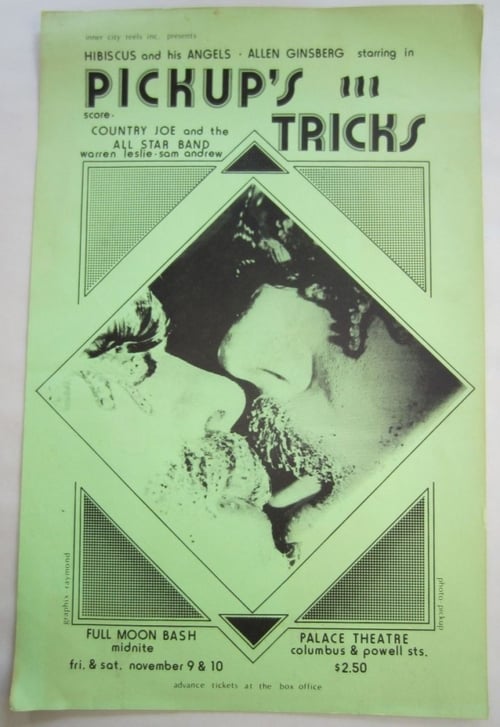
Pickup's Tricks is a beat documentary of Hibiscus and the Cockettes, who were pioneers of San Francisco’s underground queer theater in the early '70s. It is a multifarious blend of sexual anarchy; a raucous and unscripted mix of liberation and elation as rough and spirited as the lifestyle that created it. The film profiles Hibiscus, founding member of the Cockettes, the psychedelic drag queens that performed midnight musicals at the Palace Theater in San Francisco. The film includes a rare screen appearance of Allen Ginsberg, clean-shaven and costumed in "acute drag" as a Yiddishe Mama with a painted-on third eye. (pickupstricks.com)
In this film, outspokenly homosexual filmmaker Rosa von Praunheim has documented his encounters with friends in the New York "underground" arts movement, the better-known of whom are William Burroughs (who says nothing for the camera), Andy Warhol (seen in the distance) and Fernando Arrabal (who is interviewed in Spanish). The emigrants named in the title are notable Germans who left the country before World War II, such as Greta Keller and Grete Mosheim. Reviewers at the time of the film's release considered it to have been a sort of paid vacation for the filmmaker rather than a serious effort. (Clarke Fountain, Rovi)
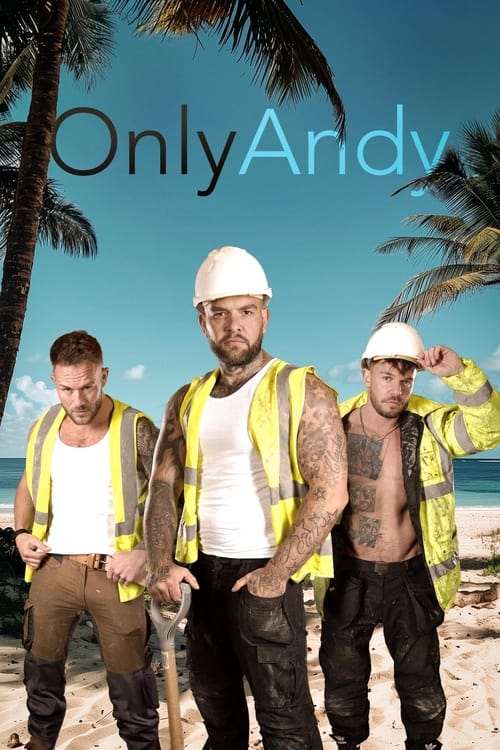
Many of us experience sexual desires in many different shapes and forms, yet there continues to be a certain stigma about expressing them openly. Adult worker, Andy Lee, and his co-workers share their own insightful and interesting perspectives on the adult industry in a bid to inspire people to open up to each other, and to further shed some light on the frequently misunderstood adult industry.
What if the world told you that you do not exist? This is the reality for Lauren: a person in their mid-twenties who identifies as gender neutral. Lauren's story chronicles their entire life—from early childhood, to a near death experience, to living in the depths of the rain forest—capturing the physical, emotional, and mental obstacles Lauren must face just to get to say, "I exist."
Couples Ari and Caitlin and Myles and Precious experience the joy of a transgender pregnancy when Ari and Myles, the men in their relationships, become pregnant.
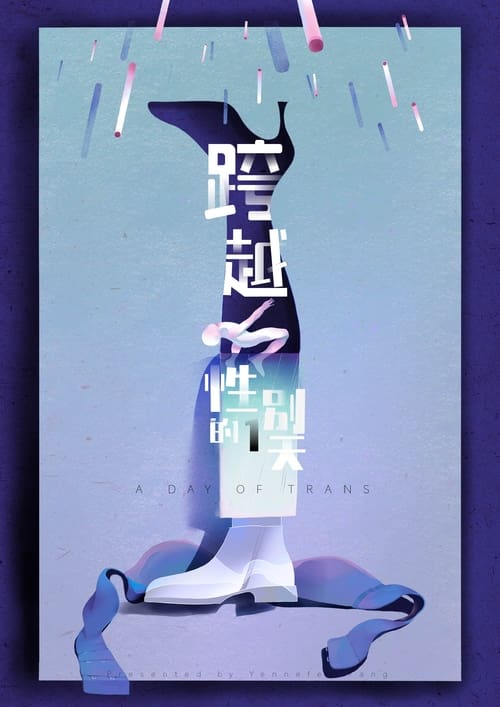
A Day of Trans is a groundbreaking, intimate look into the lives of four individuals – across three generations set against the backdrop of China's rise on the global stage. The short documentary film explores their lived experiences, professional career paths, community involvement, social barriers, and their unique approaches to life as transgender individuals across the generations.
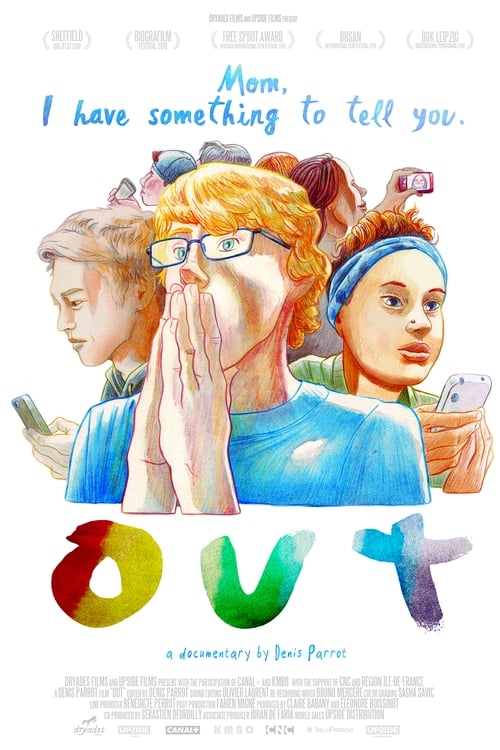
Through a montage of compelling videos posted on the Internet by young gays, bis, lesbians or transsexuals, «Out» makes us experience from within the groundbreaking moment of their coming out – after which their intimate and social life shall be forever changed.
Peaches - artist, feminist, rock star. She has been challenging gender stereotypes for over 20 years and is on par with the icons of the pop and rock world. With exclusive private archive material and current footage of preparations and concerts of her 2022 jubilee tour “20 Years of Teaches of Peaches”, we learn how the Canadian Merrill Nisker became the internationally celebrated musician and electro-clash icon Peaches.
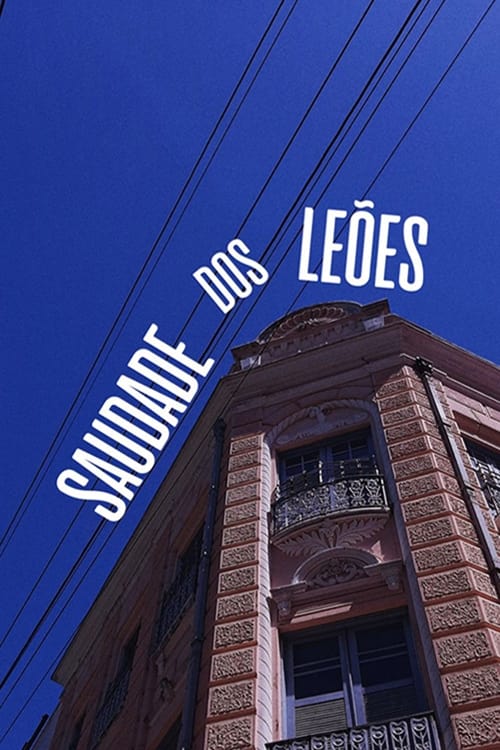
In the midst of a pandemic scenario, the festive culture of Fortaleza faces obstacles to remain resplendent, which takes us to Praça dos Leões. How is the Lions Cultural Bar? How to deal with the absence of new memories? How to deal with silence? Saudades dos Leões is a documentary that seeks to invoke the memory of this space and rescue moments of joy and cultural relevance in the lives of its audience, mostly LGBTQI+. Furthermore, it talks about its silence and how the lack of this symbolic space weighs on people's history.
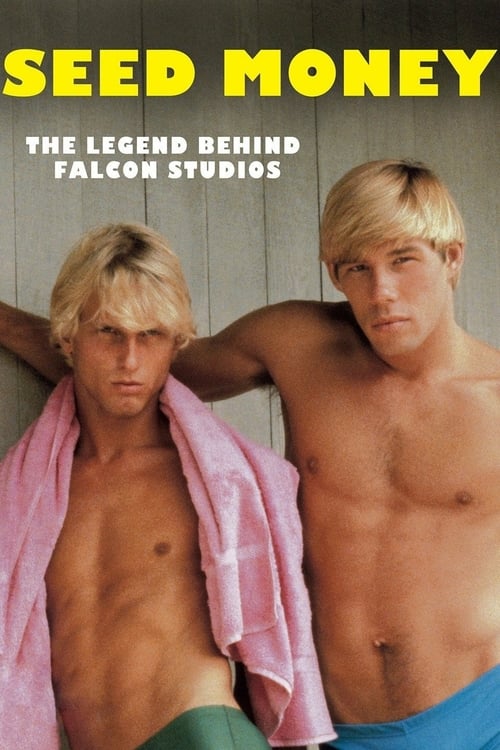
Seed Money is the story of Chuck Holmes, a San Francisco pornographer turned philanthropist. Holmes helped shaped and create gay identity in the years after Stonewall, and later became a major contributor to gay advocacy groups like the Human Rights Campaign and the LGBT Victory Fund, only to find later in life that while his money was welcome in philanthropic circles, he sometimes wasn't.
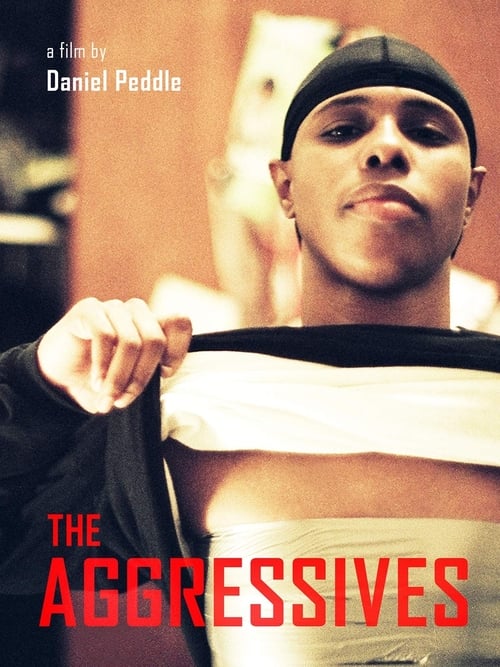
This acclaimed documentary – made by one of the fashion world's most sought after casting directors – picks up where "Paris Is Burning" left off, focusing on a group of six NYC lesbians who dress and identify as men, blurring the lines between butch dyke and trans-male identities.
Through a life story the film deals with issues related to human rights, such as the right to difference. The character's life is presented from others, otherness as a logic. The spectators complete the senses and gradually realize that this is a homosexual who, still in his adolescence, became a transvestite; "Amapoa" is a term that comes from Yoruba and has become transvestite slang for women. The film has a brutal ending, revealing that the character suffered a strong violence. Homophobia. The approach leads to identification with the character and allows reflections on the intolerance of today's society.
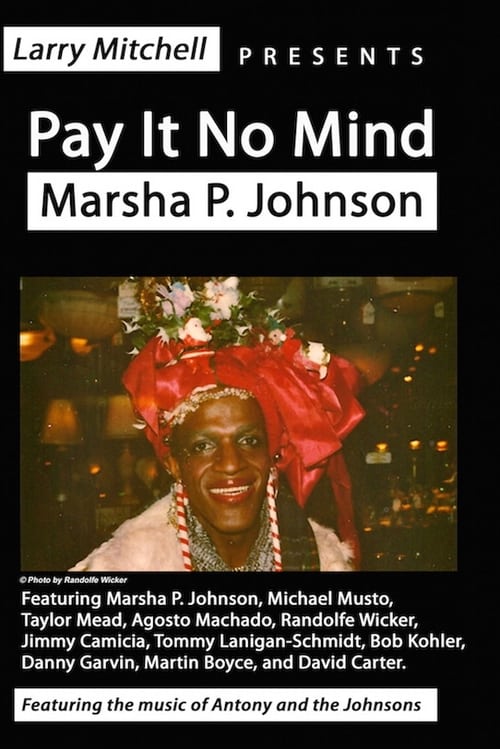
Marsha P. Johnson was a drag queen, sex worker, and LGBT activist who fought at Stonewall and knew Andy Warhol. She was a New York fixture who made her motto her middle name: "Pay it no mind". This documentary about her life includes the last interview she gave before the suspicious circumstances of her death in 1992.
A short documentary about the First National March on Washington for Lesbian and Gay Rights, which took place on Sunday, October 14th 1979.
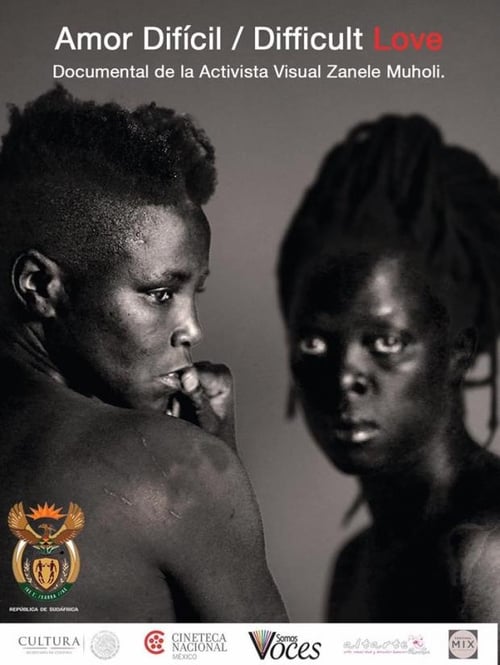
The film is a portrayal of Zanele Muholi, a lesbian photographer working in the South African GLBT community. This thin, combative person is already a world-wide famous artist. They define themselves as a "visual activist" in order to highlight their commitment to politics, to communicating ideas and to art. Their work includes: provocative nudes (like a female Mapplethorpe); young Zulu couples, dressed in traditional costumes, embracing each other; a homeless socially excluded lesbian couple; a dignified portrait of Victor Mukasa, the gay human rights leader from Uganda; wonderful shots of Zanele with their white partner. Beautiful and poetic pictures which are "militant" in nature since they condemn homophobia, poverty, and the public and private conflicts of a country divided between tradition and modernity.