Cinema is an art that brings joy to millions of people around the world. However, it is difficult to create and produce, but there is an organization that teaches children how to make films so they can create the stories they dream of.
Lorena Agüero
as Self
Jordan Soto
Amyra Pinedo
Aldair Vasquez
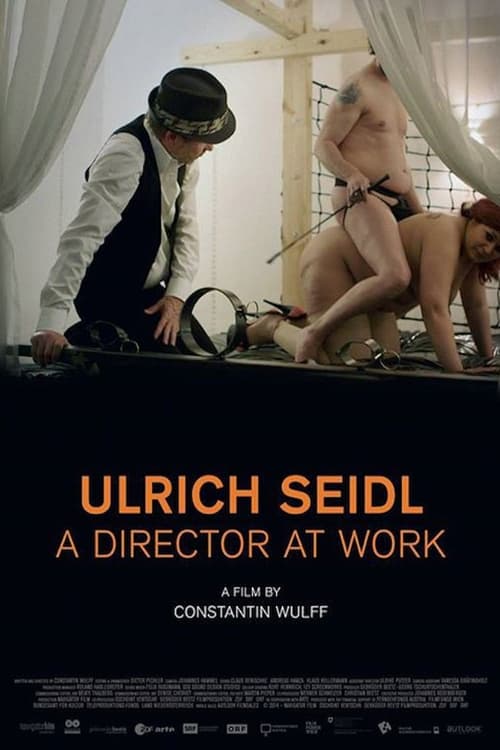
This cinematic portrait shows the Austrian filmmaker Ulrich Seidl at work. The much-discussed ‘Seidl method’ is conveyed here vividly and directly: The camera watches over Seidl’s shoulder during the filming of his new production IM KELLER, and observes him at the rehearsals for his latest theatre production ‘Böse Buben / Fiese Männer’. The film paints the picture of a fascinating and exceptional artist using a combination of extensive interviews and excerpts from earlier works.
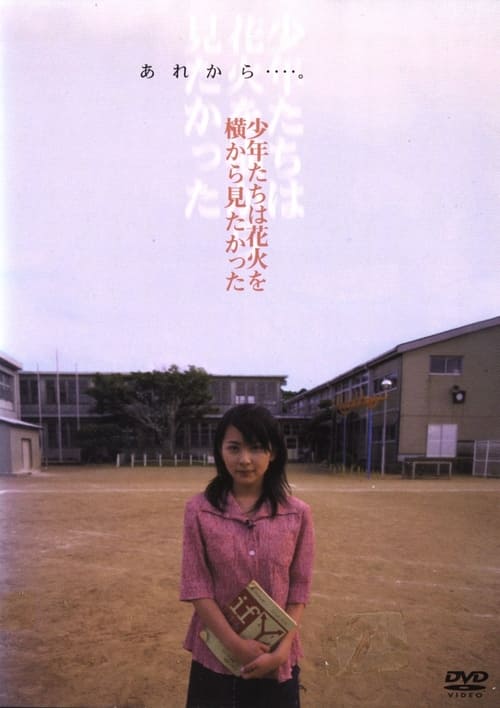
A documentary looking back on the making of Shunji Iwai's TV play Fireworks, Should We See it from the Side or the Bottom?.
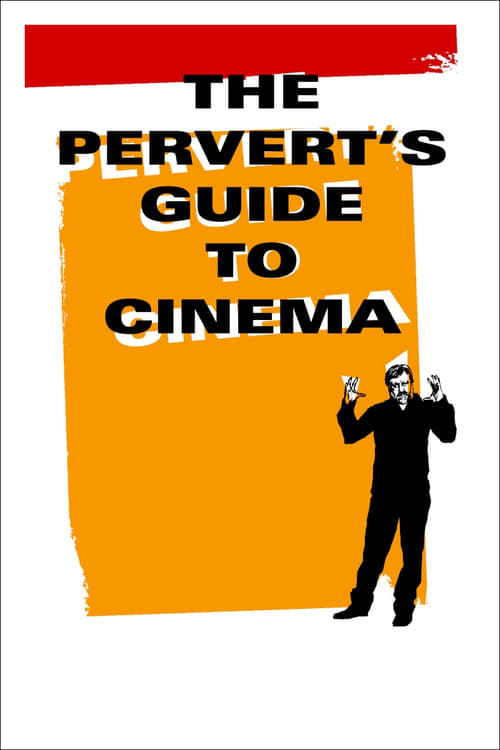
A hilarious introduction, using as examples some of the best films ever made, to some of Slovenian philosopher and psychoanalyst Slavoj Žižek's most exciting ideas on personal subjectivity, fantasy and reality, desire and sexuality.
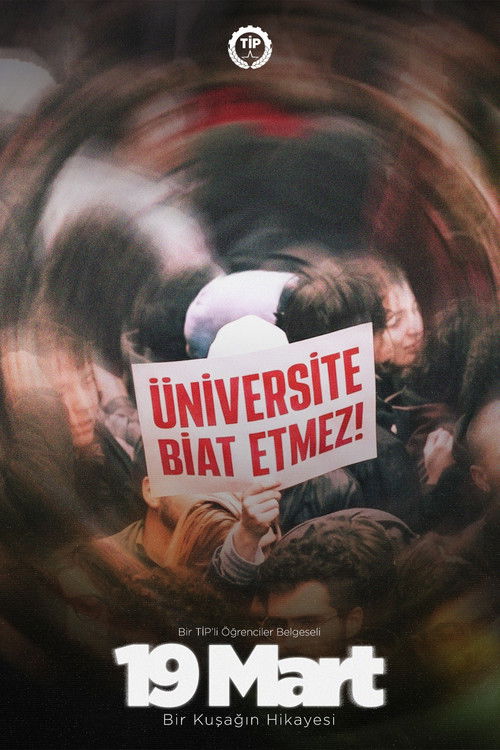
Years of pent-up dissent turned into an igniting spark at Istanbul University's Beyazıt Campus. The moment that police barricade was torn down, with TİP students at the very forefront, was not only the breaching of a physical barrier but the shattering of the walls of fear built around the youth.
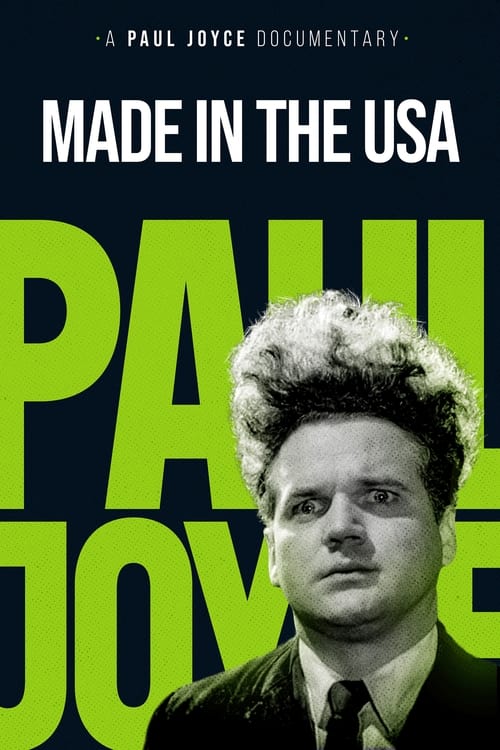
A Paul Joyce documentary on the American independent film scene.
The documentary follows the iconic journey of the film and explores why Thelma and Louise shook the foundations of the film industry and society, and how it continues to influence today.
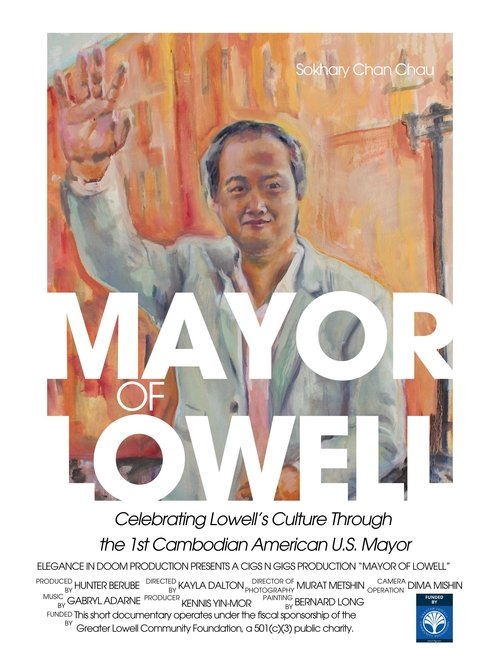
This short documentary chronicles the culture and arts of Cambodian Americans and the Lowell, MA community through the eyes of Sokhary Chau, the first Cambodian American Mayor in the United States. Chau immigrated to the U.S. at seven years old to escape the Khmer Rouge genocide. Through this unique story that showcases the best of Lowell—immigrant success, assimilation, history, and the development of the arts—we see a man born into a war-torn country who comes to America to be a first-in-the-nation leader.
One night, in a small bakery in a village in northern Spain, we accompany a baker who, through the contrast between the noise of heavy machinery and abrupt silences, works in solitude. His son, the author of the work, depicts the process: he projects his artistic and class concerns within the world of cinema by comparing the production of bread and the mechanisms of cinematographic creation.
On August 15th, 2006, filmmaker Ryan Dacko set out to get a 30-minute meeting with a major Hollywood producer by running on foot from Syracuse, New York to Hollywood, California.
What happens to a relationship if a partner suddenly becomes severely disabled after an accident? For Gosia it is clear that she will stand by her boyfriend Tomek no matter what in order to let him live as normal and fulfilled a live as possible. But time and again she becomes painfully aware of her own limits, as well as of those of a society that talks a lot about inclusion but often does not seem to be ready for it. GOSIA@TOMEK is based on more than 3000 emails that Gosia has been writing to Tomek daily since his accident.
Confronted by retirement, a fourth generation fisherman grapples with the selling of the boat he built with his father.
The peaks, the valleys, and all the moments in between. Being a father is an extraordinary privilege that transforms your perspective on the world. "A Letter from the Fathers" is a touching, captivating, and emotive movie that presents the audience with the fatherhood journeys of four men. Gear up to experience laughter, tears, and reflection as these dads share insights from their parenting adventures. It's a profound, insightful exploration of how fatherhood doesn't just mould the children but also profoundly influences the men themselves.
In this documentary the poet Nelson Castelo is filmed in the intimacy of his home and reflects a little about himself.
Rhode Island slashed its public transportation budget in September, leaving bus riders struggling as they attempt to get to work, school, doctor appointments, and visit their children. Community members already struggling to make ends meet have been forced to wake before dawn just to make it to work. Others are now spending money they don’t have on private rides. Still more are standing for over an hour on crowded buses, worried about sickness and tired from the rest of their commute. As the freezing temperatures approach, concerns are rising. RIPTA advocates will present their case to lawmakers in January and until then, these bus riders have been left out to dry on the unforgiving streets of Rhode Island.
Faced with the wreckage of a failed film project and the turmoil of his troubled youth, a young filmmaker, urged by his friends, seeks refuge in therapy. Each session becomes a battleground where he confronts his deepest fears and darkest nightmares. As his life unfolds in the therapist's office, a glimmer of hope emerges amidst the chaos. Yet the journey is fraught with peril, forcing him to confront painful memories and insecurities. Through unwavering determination, he triumphs over his nightmares, emerging from the shadows reborn and renewed. This film is a testament to the power of the human spirit, offering hope even in the darkest of times.
Life at Columbia College Chicago - through the eyes of Christiaan Heying
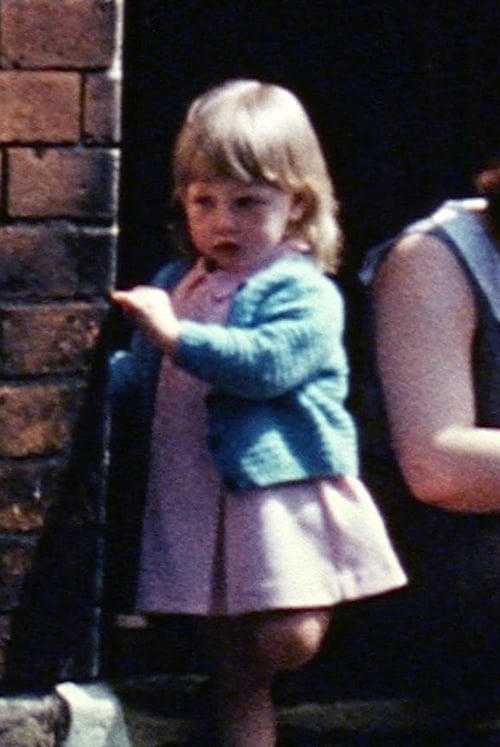
Between 1968 and 1970, J M Goodger, a lecturer at the University of Salford, made a film record of the living conditions in the slums of Ordsall, Salford, which were then in the process of being demolished. Under the title 'The Changing face of Salford', the film was in two parts: 'Life in the slums' and 'Bloody slums'.