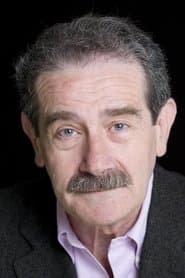
Dick Perez, official Baseball Hall of Fame artist for over 20 years, painted the game's history and every inductee - a project he continues in his 80s. This childhood immigrant's portraits changed commemoration of America's iconic pastime.
Dick Perez
as Self
John Ortiz
as Narrator
John Thorn
Bob Kendrick
Peggy Steele
Bill Madden
The story of Super Bowl XXXVI champion New England Patriots. Featuring interviews with Super Bowl MVP Tom Brady, safety Lawyer Milloy and kicker Adam Vinatieri. Narrated by Martin Sheen.
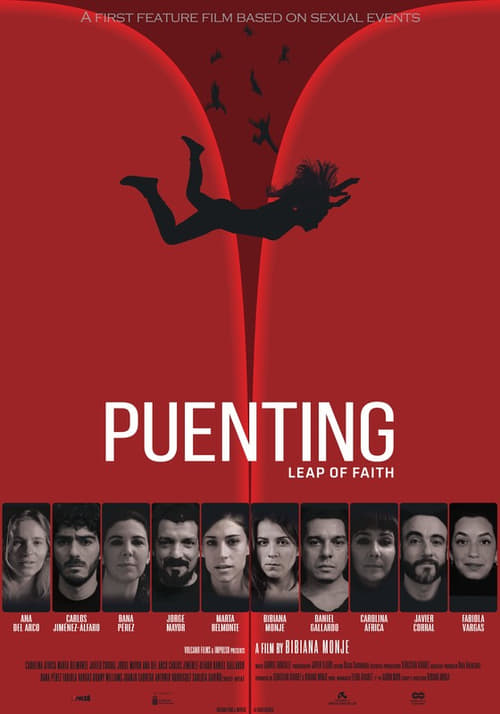
A first feature based on sexual events. An actress undertakes her desire of directing her first movie, without a budget or any production company funding her project. She gathers a group of professional actors and actresses, and proposes a project based on a very particular experience: stepping on their fears through a metaphorical 'leap of faith'. As the project advances, individual conflicts will arise affecting the shoot, making the movie crew wonder whether or not they should go on. Will they take the leap of faith with all its consequences?
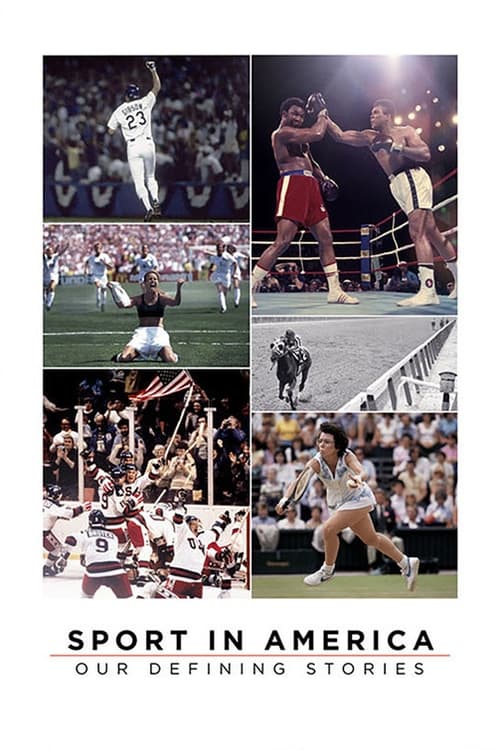
Athletes and fans explore the impact of sports on the lives of Americans.
Damian, grieving his girlfriend's death, travels through Mexico seeking solace. Along the way, he connects with strangers and witnesses their coping rituals, finding a path through his own memories and regrets.
Documentary about MotoGP™ Marc Márquez’s 2016 season. In the film, different members of Márquez’ team explain for the first time the full scale of their preseason difficulties in 2016 as they tried to adapt the RC213V to the changes in the electronics and tyres introduced to the premier class last season.
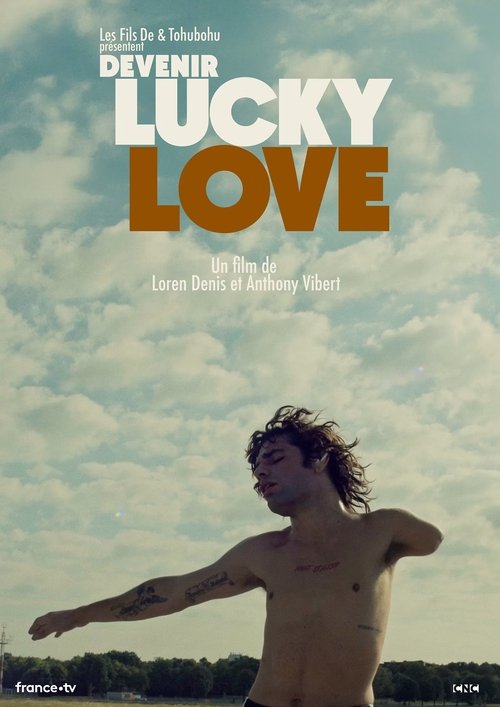
He was born different, and chose to become unique. Becoming Lucky Love follows how Luc Bruyère turned his “flaw” into strength and his life into an act of creation. Born without his left arm, he faced the violence of people’s gaze from childhood, sinking into shame and self-destruction. “I was born homosexual, without a left arm — I didn’t fit what a man was expected to be: a figure without nuance, categorical,” Luc confides. Instead of giving up, he chose to transform himself and become what he had always dreamed of: a singer and performer. With his angelic face and magnetic presence, nothing seems to resist him — yet his blazing loves and excesses marked him deeply. Now, on the verge of turning 30, he looks back without filters. Becoming Lucky Love paints the portrait of an avant-garde, captivating outsider who proves that destiny can be endlessly reinvented through strength, poetry, and self-invention.
A documentary of the German national soccer team’s 2006 World Cup experience that changed the face of modern Germany.
The story of Super Bowl XXXVIII champion New England Patriots. Featuring interviews with offensive coordinator Charlie Weis, safety Rodney Harrison, and linebacker Willie McGinest. Narrated by Tom Selleck.
The story of Super Bowl XXXIX champion New England Patriots. Featuring interviews with wide receiver Troy Brown, linebacker Tedy Bruschi, and head coach Bill Belichick. Narrated by Laurence Fishburne.
The story of Super Bowl XLIX champion New England Patriots. Featuring interviews with tight end Rob Gronkowski, defensive back Devin McCourty and wide receiver Julian Edelman. Narrated by Chris Evans.
The story of Super Bowl LI champion New England Patriots. Featuring interviews with wide receiver Julian Edelman, linebacker Dont'a Hightower and running back LeGarrette Blount. Narrated by Chris Evans.
The story of Super Bowl LV champion Tampa Bay Buccaneers. Featuring interviews with linebacker Devin White, wide receiver Mike Evans and running back Leonard Fournette. Narrated by John Cena.
The story of Super Bowl LIII champion New England Patriots. Featuring interviews with defensive backs Jason McCourty and Devin McCourty, tight end Rob Gronkowski, and wide receiver Julian Edelman. Narrated by John Cena.
A journey into the hearts, minds and eyes of Georgia O’Keeffe, Emily Carr and Frida Kahlo - three of the 20th century’s most remarkable artists.
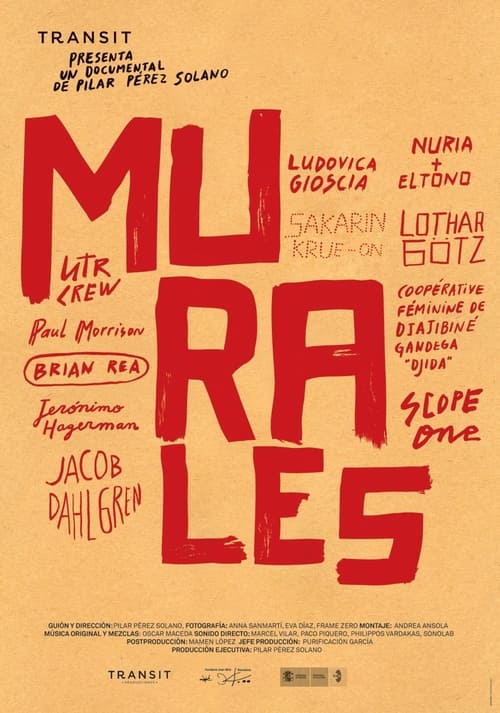
This documentary follows mural artists of different cultures and styles as they live together for several weeks ahead of an exhibition in Barcelona.
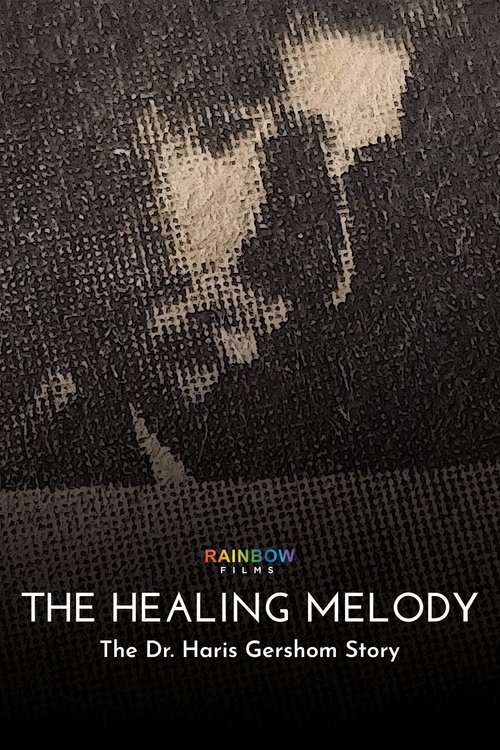
Based on the life of Dr. Harish Gershom and about the journey of his achievement Harishophone. He is the only Indian who can play three octaves in the smallest saw (26.3 inches). He is recognized for his unique achievement including Limca Book Records 2003, State Award 2005, Guinness World Record 2015, British World Records 2021, IMAS Award 2011. Get along the journey of Dr Haris Gershom whose invention of the 'Harishophone' made wonders around the globe for its therapeutic impact. He is known to be the only individual in the world capable of producing three octaves on a saw that have a healing effect.