Facundo Gonzalo Pardo
as
Milenka Telleria Ladino
Karina Matamoros
Santiago José Inojosa Matamoros
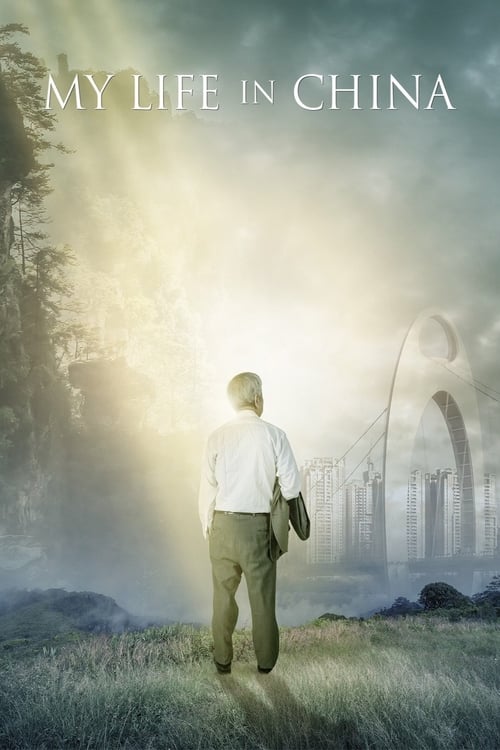
In America, everyone has a family story of immigration. Every family, at some point, has had somebody leave their native country behind to search for a better life. How did they hold onto their identity? How did they adapt to their new life? Every family has a special story. In my case, it's my Chinese-American story. My father would always tell us his story about walking for 7 days and 6 nights, before swimming for 4 hours to Macau to escape communism in 1966. His story would fall on my deaf ears until I returned to China with him.
Has the time of women finally come? Have their everyday lives truly changed over the past sixty years? Guided by Agnès Jaoui, women—famous and unknown—share their stories across generations. From childhood to retirement, the documentary traces shared experiences shaped by prejudice, but also by hope, strength, and humor. Blending personal archives, historic moments, and social media footage, the film places women at the center of their own story. Welcome to the Time of Women.
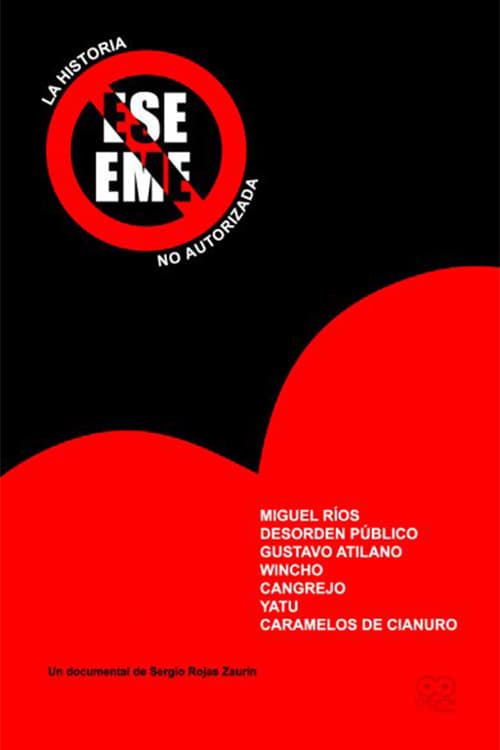
An independent rockumentary that comprises first-hand testimonials about the history of Sentimiento Muerto, the most influential band in Venezuela, as well as the projects that came after its dissolution: Dermis Tatú and PAN.
A fascinating exploration of the literary — The Tragedy of Othello, the Moor of Venice, by English playwright William Shakespeare (1604) — and lyrical — Othello, by Italian opera composer Giuseppe Verdi (1887) — myth of Othello, the desperately tragic story of a Moorish general in the army of the Venetian Republic whose absurd jealousy poisons his love for his wife Desdemona.
"Ni Muy Muy, Ni Tan Tan, Simplemente, Tin Tan. Tin Tan was one of the greatest comdedian-actors in the history of Mexican Cinema. He began his film career during the early years of what became the Golden Age of Mexican Cinema. Throughout the majority of his movies he plays the character of a pachuco; the Chicano/Mexicano in zoot suit, throwing out the tirili phrases and words, and jammin the jitty-bug. With the style and the slang down to a tee, he was picked up in Cd. Juarez Chihuahua by an acting troupe. Touring extensively through-out Mexico with the troupe landed him in Mexico City with film contracts. It was in those films that Tin Tan exposed the image of the pachuco, which Mexican Youth adopted. From the desert border-towns of Juarez y El Paso the style took off in various parts of the country, most notably in Mexico City
In the Land That Is Like You is a progress on the tracks of my lost past, with the contact of my mother, my grandmother and the man who I love, in a country which escapes from me and retains me, Lebanon.
What's it like starting a family when you're both transgender? This intimate film follows Hannah and Jake Graf on a journey through prejudice and surrogacy to birth during lockdown.
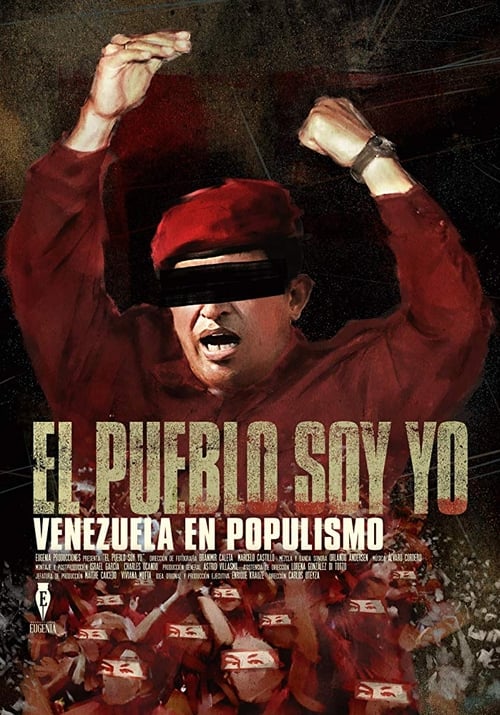
The country that once had the highest economic growth in the world is now a benchmark of collapse and misery. I Am The People: Venezuela Under Populism is a documentary film that sets out to expose the skillful mechanisms of authoritarian power in the government initiated by Hugo Chávez and continued by Nicolás Maduro.
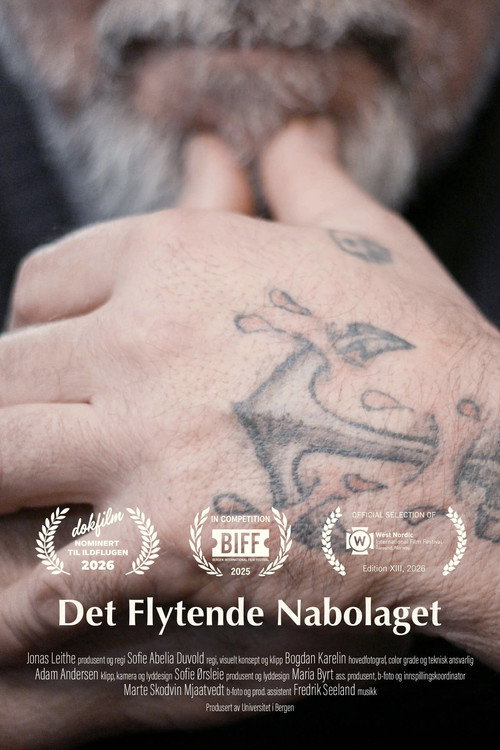
In Bergen, we find one of Norway's largest harbor communities. The residents live close to the water, and even closer to one another.
Following the death of their parents, Harriet and her siblings must unpack their childhood fears as they prepare to sell their dragon-filled Oxfordshire home. Between the clutter and the boxes, the siblings find themselves haunted by the memories of their late parents: a dragon-obsessed father and an exacting mother, and the esoteric collections of objects they left behind.
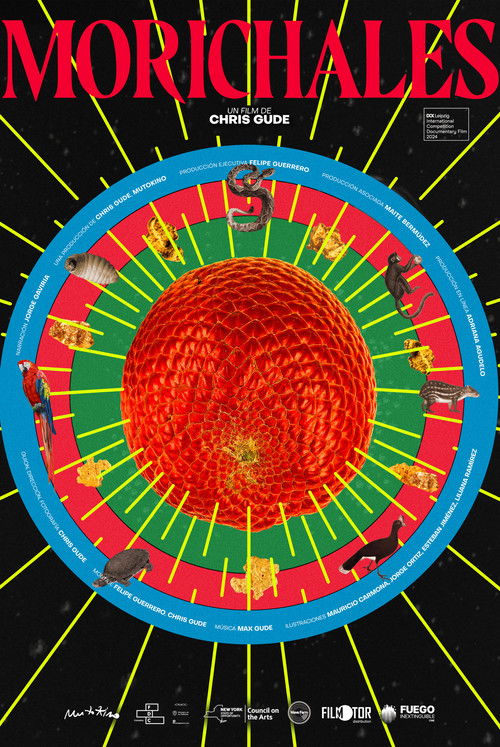
In Venezuelan Guayana, large gold reserves lie beneath “moriche” palms, attracting multitudes of miners to the territory. A fictional explorer narrates a journey from far-flung mines in the jungle to the banks of the Orinoco River, trying to understand the uncertain fortune of humanity immersed in the anxious quest for treasure. His reflections combine illustrations and photochemical paintings to draw a map of the extraction and commercialization of gold, object and symbol through which he questions where value resides.
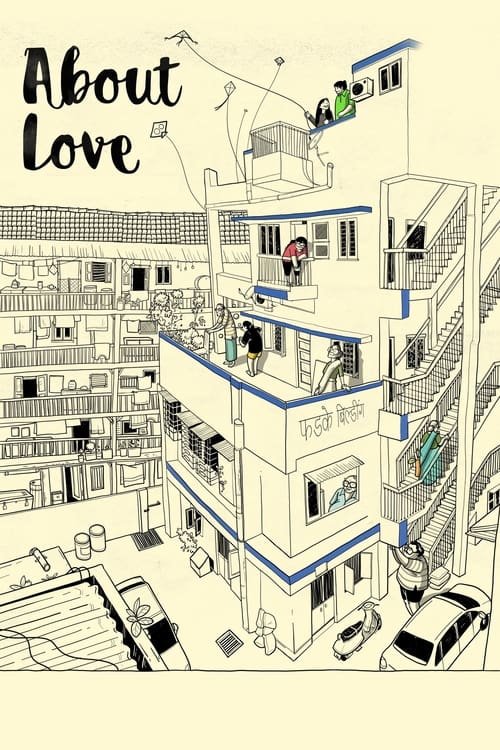
Three generations of the Phadke family live and work together in South Bombay. As they prepare for a family wedding, director Archana Atul Phadke, who is not in any hurry to marry, observes the shifting, often very funny household dynamics, as both her mother and grandmother wonder how they have tolerated their husbands for so long.
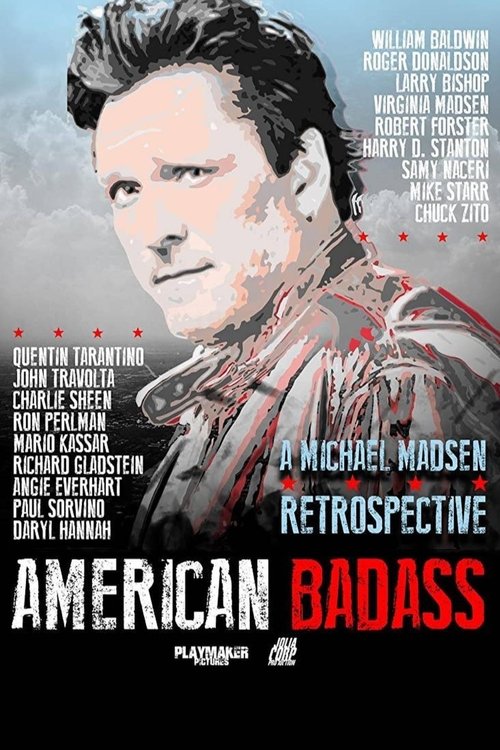
An intimate, soul-baring new documentary covering the life and 40+ year career of actor and poet Michael Madsen, from troubled youth to film star, told through interviews with colleagues, friends, family members and the American Badass himself. Featuring Quentin Tarantino, John Travolta, Charlie Sheen, Ron Perlman, Daryl Hannah, and many, many more.
A squatted bank tower in downtown Caracas is transformed into a socialist micro-society by 3000 people. RUINA tells about difficulties and achievements by building up a community in a vertical city.
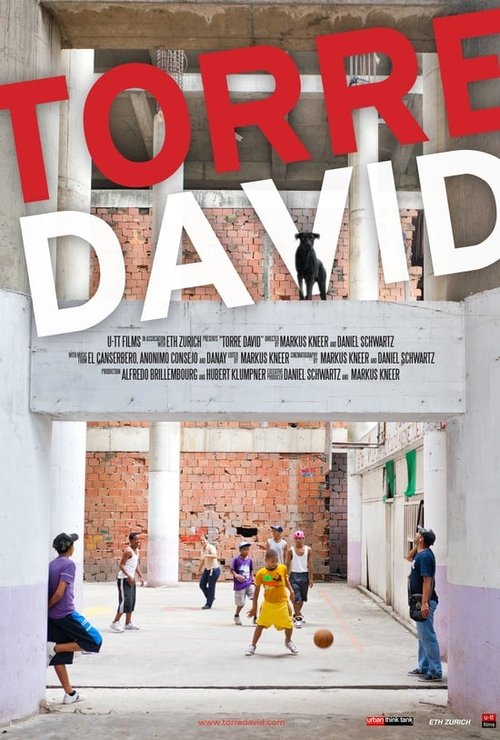
Torre David, a 45-story office tower in Caracas, was almost complete when it was abandoned following the death of its developer and collapse of the Venezuelan economy. Today, it is the improvised home of more than 750 families, living in an extra-legal occupation that some call a vertical slum.
The artist Johanna Faust is about to leave her children to finally devote herself to her art again. A vague memory comes to her mind: Didn't her grandmother do the same thing, with terrible consequences? The intimate road movie tells of lost mothers and abandoned children, of the temptations and the price of self-fulfilment, of the abysses of motherhood and of the deep longing for another life.
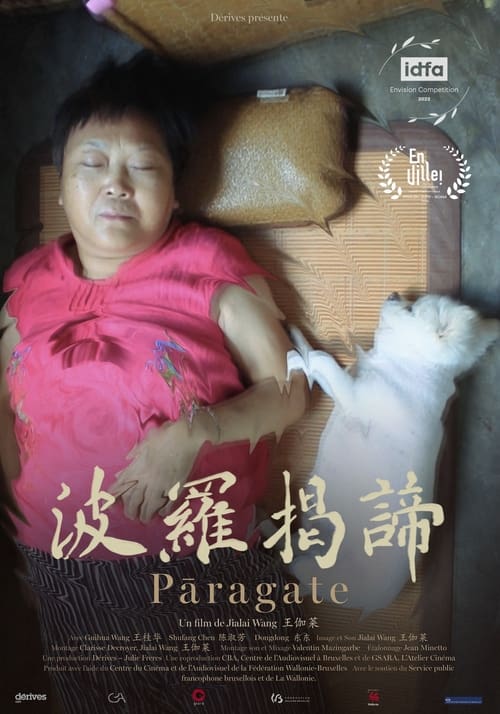
From Belgium, Jialai Wang maintains contact via smartphone and camera with her mother and grandmother in China. When her grandmother’s health deteriorates, Jialai returns to Shanghai, but when she arrives, her grandmother has already died, and she is left alone with her mother. A devout Buddhist, her mother seems to pay more attention to her daily prayers, Maoist past and dog Dongdong than she does to her daughter. She herself had been abandoned as a child by her own mother, when she divorced Jialai’s grandfather and moved to the city.