Paddy McGuinness and his wife Christine have three children who have been diagnosed with autism. In this documentary, they meet other parents, experts and people on the autism spectrum.
Paddy McGuinness
as Self - Presenter
Christine McGuinness
Nemanja Jović, an autistic boy works in a cafe which employs people with development disabilities. We see his everyday life, at home at Pančevo, and as well as his workplace in Belgrade. It opens up a dialogue about a theme which is rarely explored in Serbian society.
Autism Speaks Canada remains committed to building inclusive communities where autistic Canadians can reach their full potential. We are excited to share “Life on The Spectrum by Autism Speaks Canada” with you today. In this 20 minute documentary, we share lived experiences of autistic Canadians and their families, from coast to coast to coast, to increase understanding and acceptance of people with autism. First, we start with the land acknowledgement and then visit our autistic friends and their families across Canada. Join us on this journey to explore “Life on the Spectrum”.
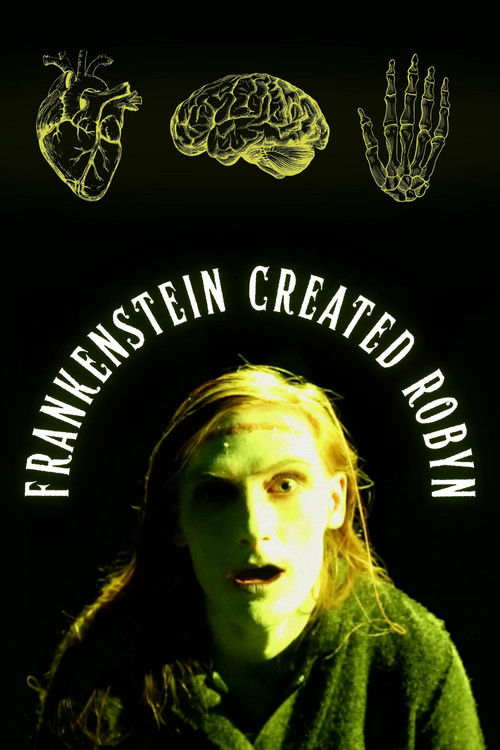
Actress and filmmaker Robyn Adams discusses her experiences with autism, gender identity, and learning to embrace her flaws. Also, she's Frankenstein's Monster now.
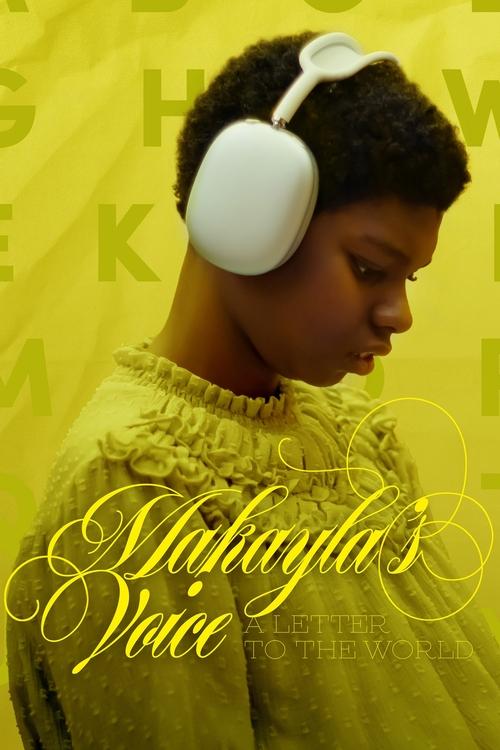
A teen with autism unlocks a joyous world of self-expression as she shares her voice for the first time using a letter board.
"Their Inner World" intends to unveil the inner universe of brazilian children featuring the autistic spectrum disorders (ASD). Across a number of cities, a cross-section of children affected by the disorders in their varying grades are portrayed through their daily lifes.
When filmmaker Yoshifumi Tsubota learns about his slightly autistic uncle who lives alone, he decides to visit him. Drawn to his uncle’s unique personality, he begins to roll his camera as he visits him over the years. Tsubota himself had been diagnosed with a developmental disability and so understanding his uncle is also an act of understanding himself. Through intimate and personal footage, this charming film is gem of a documentary that also highlights contemporary social issues surrounding aging and social care for the disabled.
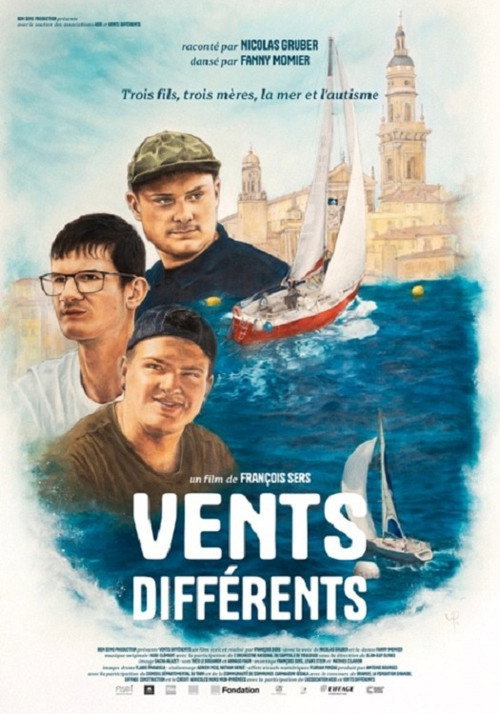
Autism spectrum disorder (DSA) - It is not what they have, but what they are, who they are. They are Felix, Anthony, Marc and Brigitte. They are different.
MOLE MAN follows RON, a 66-year-old autistic man who has spent the last five decades building a 50-room structure in his parents' backyard. Using no nails or mortar, Ron instead creates perfectly balanced structures from scavenged materials he finds in the woods outside his Western Pennsylvania home. When Ron's father passes away, leaving him living alone with his 90-year-old mother, Ron's siblings are left to figure out what's best for Ron - who has never been officially diagnosed with autism - when his mother can no longer care for him. In an effort to find the money to keep Ron in his home, his friends team up in search of a mythical mansion Ron insists lays abandoned in the forest. But will they be able to find it? And, more importantly, does it even exist? This is the story of an extraordinary life, a family, and the beauty of thinking differently.
This BAFTA nominated documentary tells the story of some of the brightest mathematical brains of a generation. Each year, exceptionally gifted teenagers from over 90 countries compete for medals at the International Mathematical Olympiad. The film follows a group of brilliant teenagers as they battle it out to become the chosen six selected to represent the UK.
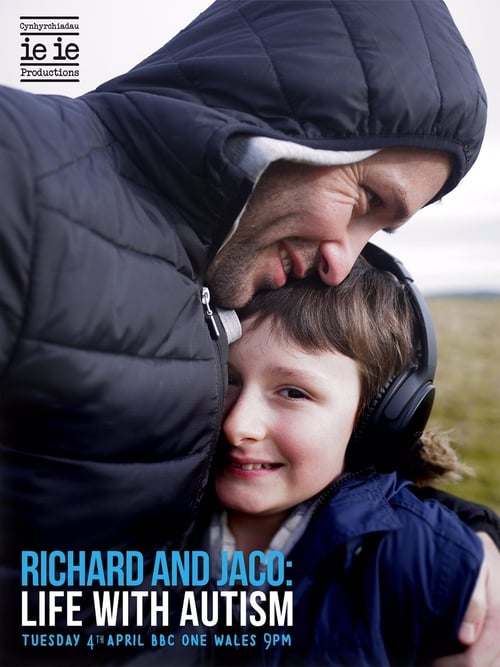
A documentary exploring autism through the eyes of Welsh actor Richard Mylan and his 11 year old son, who is on the autism spectrum.
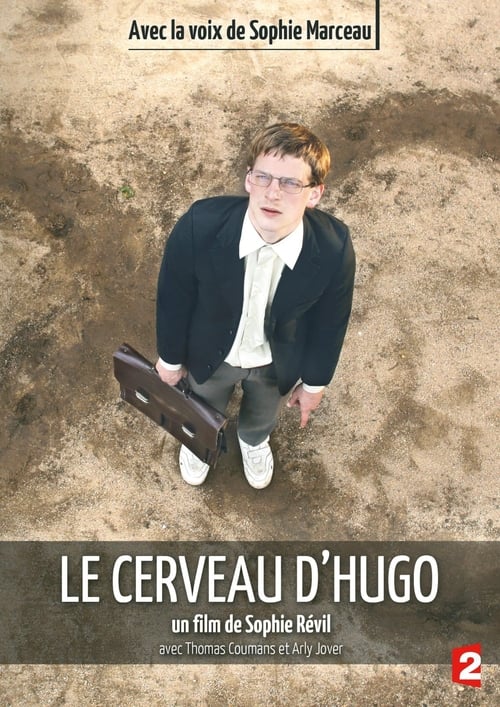
The Hugo's Brain is a French documentary-drama about autism. The documentary crosses authentic autistic stories with a fiction story about the life of an autistic (Hugo), from childhood to adulthood, portraying his difficulties and his handicap.
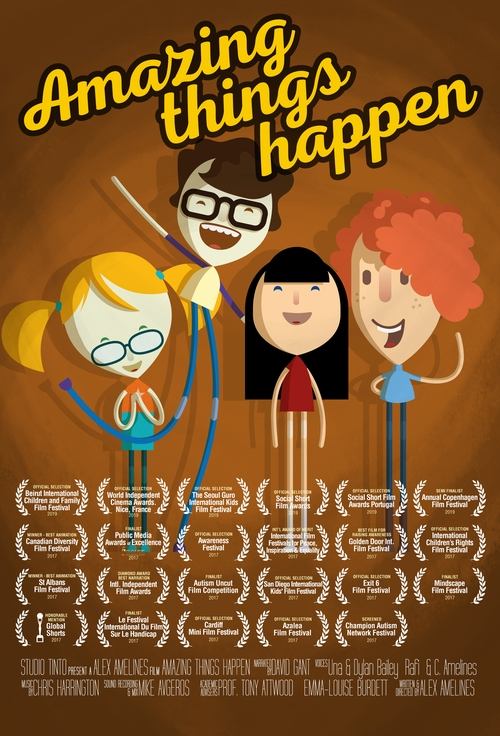
Introduction to autism that aims to raise awareness among young non-autistic audiences, to stimulate understanding and acceptance in future generations.
Filmmaker Jon Beaton has always felt like an outsider. When TikTok’s powerful algorithm starts sending him content from the app’s autistic community, he has an epiphany – could this explain everything? My Diagnosis explores the tension between self-diagnosis and institutional validation through an intimate blend of personal vlogs and fictionalised recreations.
The film is based on a true story about an Icelandic boy called Brynjar Karl. The film explores those possibilities with Brynjar and other young people who share their experiences being on the autism spectrum and how their talent elevated them.
A brief documentary showcasing the events of a persons Autism reveal party with their friends