Twenty-five years after his abduction during the Kosovo War, painter Skender Muja recalls a pivotal moment of survival. Held in a detention center, he was ordered to draw a Serbian commander’s portrait to save his life.
Skender Muja
as Himself
A documentary unraveling the untold stories and brutal experiences of the Kosovo War in the late 1990s.
The Unidentified is a feature-length documentary which reveals who were the commanders responsible for some of the most brutal attacks of the Kosovo war. The result of a two-year-long investigation, the documentary names the officers who ordered attacks on villages in the area around the town of Pec during the 1999 war and those who were involved in the removal of victims’ bodies to mass graves at the Batajnica police centre near Belgrade in Serbia. Sixteen years after they committed the crimes, they live peacefully in the Serbian capital, and despite the evidence that exists, they have not been prosecuted.
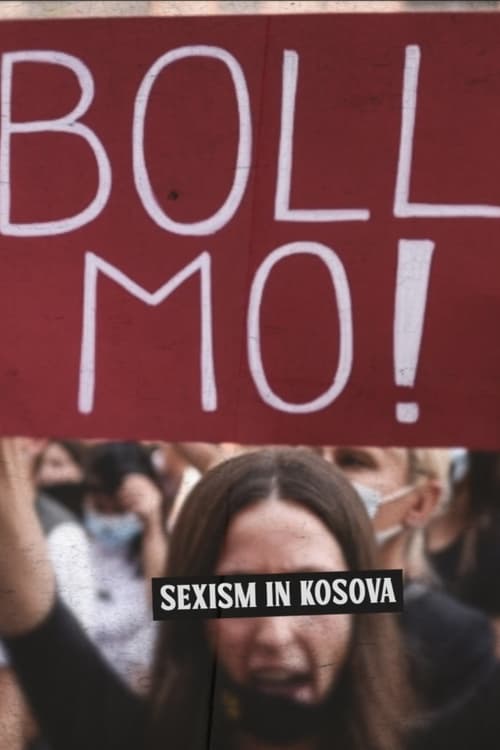
A documentary exploring sexism and patriarchy in Kosova.
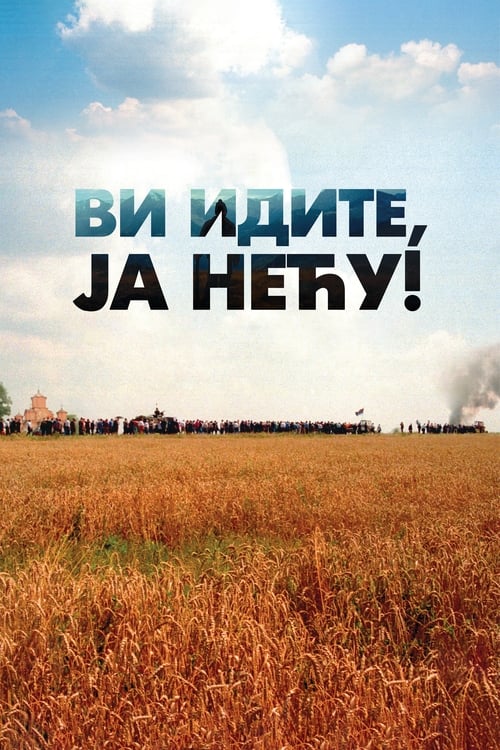
Story about the suffering of the Serbian people on Kosovo and Metohija based on Metropolitan Amfilohio's book "The Chronicle of the New Kosovo Crucifixion".
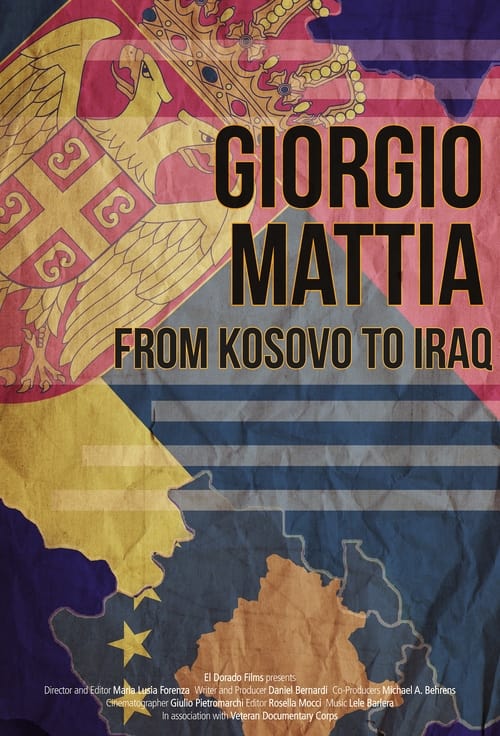
Giorgio Mattia describes his experiences during the second attack on the Italian Army in Nasiriya, Iraq 2006.
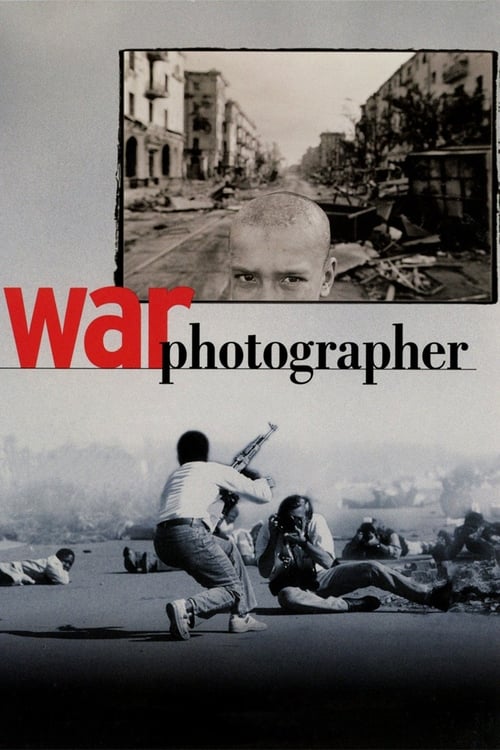
Documentary about war photographer James Nachtwey, considered by many the greatest war photographer ever.
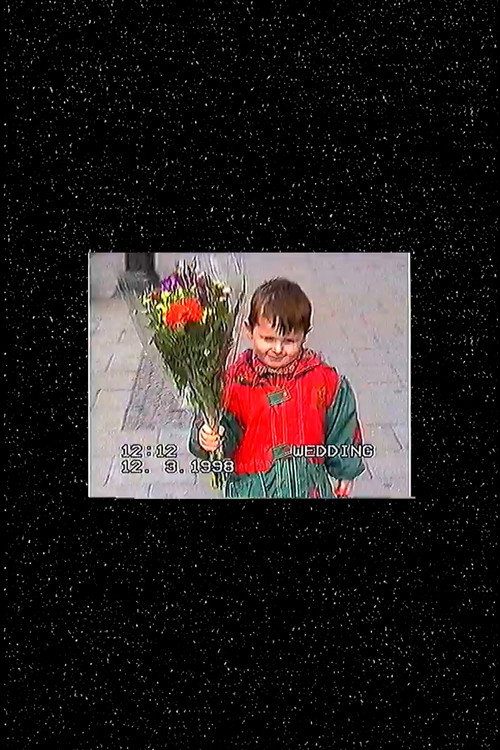
Found footage recorded on March 12, 1998, in Germany, documenting Agron and Fitnete as they receive their marriage papers. Surrounded by family, they record heartfelt congratulations and greetings intended for loved ones back in Kosovo. What begins as a celebratory message, slowly shifts into a moment marked by uncertainty and concern about Kosovo.
Gorani people live in Gora, in the south of Kosovo. They are Muslims who speak a Slavic language. Throughout the years they were always used for political games of power between the surrounding nations (Serbs, Macedonians, Bulgarians, Albanians, Bosnians...). This is the first film that deals with the way these people are, not who they are or who they belong to. The film observes their everyday life, diverse culture, rich herds of cows, sheep and shepherd dogs. They work, talk, dance, play music, discuss, preach, pray, walk and sing as the mountains above remind them how ephemeral their existence is.
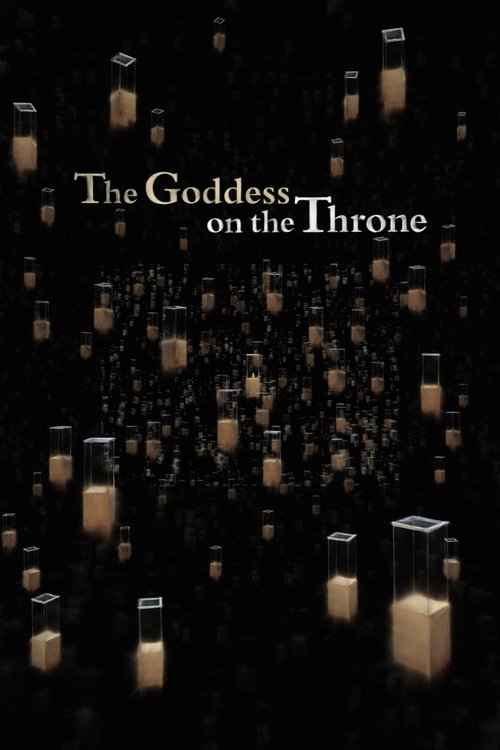
Blending archival footage, haunting melodies, and digital reconstructions, Hyjnesha në Fron traces the echo of loss across Kosovo's turbulent history. A musical, visual essay shaped by absence, which resurrects physical memory through 3D reconstruction, showing how history persists even when its material proof has vanished.
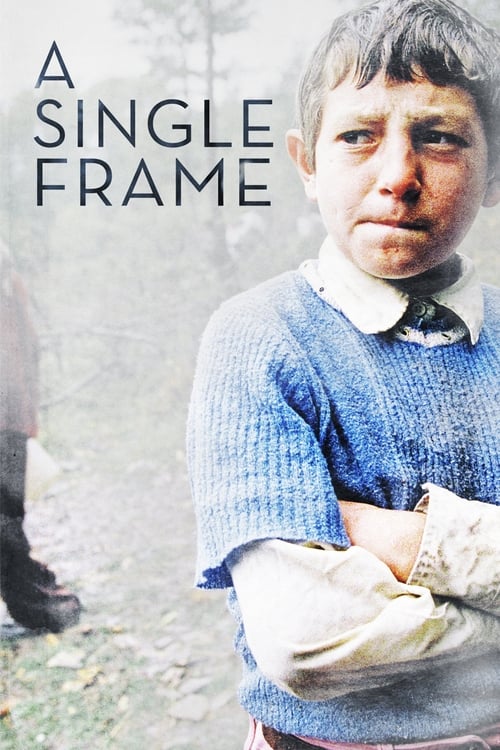
The journey of A SINGLE FRAME weaves an exploration of the impact of photography from both sides of the shutter. The fascinating post-war culture of Kosovo serves as backdrop.
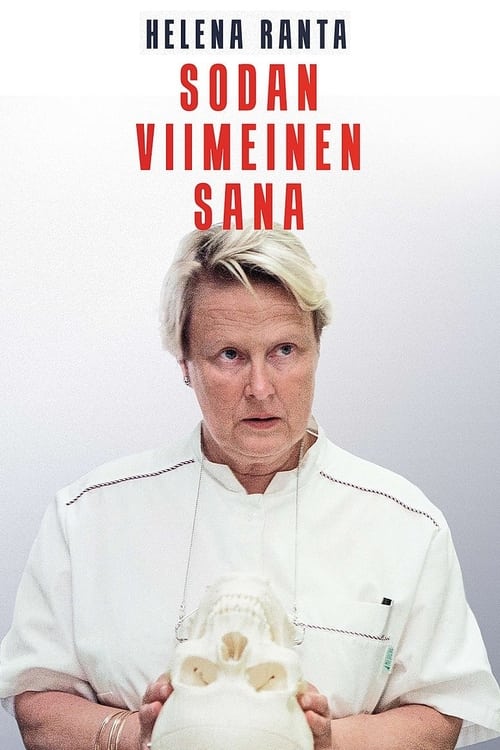
In the Kosovo War, human dignity was shattered by the terrors of the Serbian government and the Albanian liberation army. Truths about the victims’ fates faded away, which is why a Finnish forensic research group led by Helena Ranta got a mission to act as an unbiased agent and investigate the real course of events.
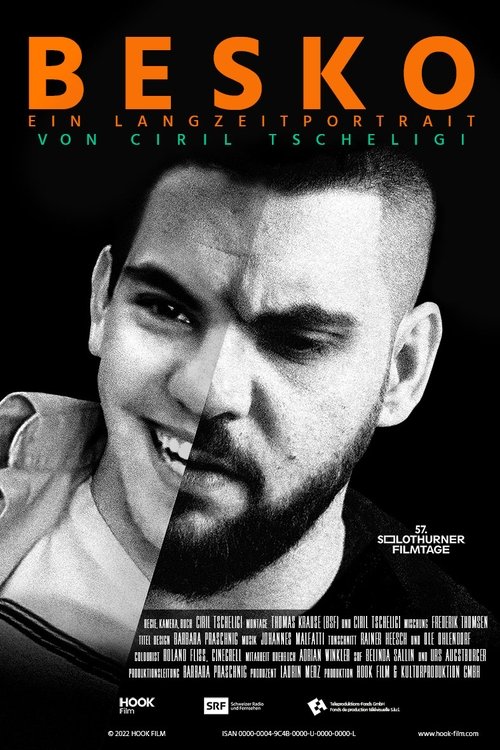
The extraordinary story of Swiss rapper Besijan Kacorraj, whose biggest problem is not having a Swiss passport. Besijan is deported to Kosovo after several armed robberies, although he has grown up in Zurich since the age of one.
For 18-year-old Finnish–Kosovan Fatu, a simple visit to the grocery store feels as nerve-racking as a lunar expedition: for the first time in his life, he’s wearing makeup in public. Luckily his best friend Rai, a young woman on the spectrum of autism, is there to ferociously support him through the voyage.
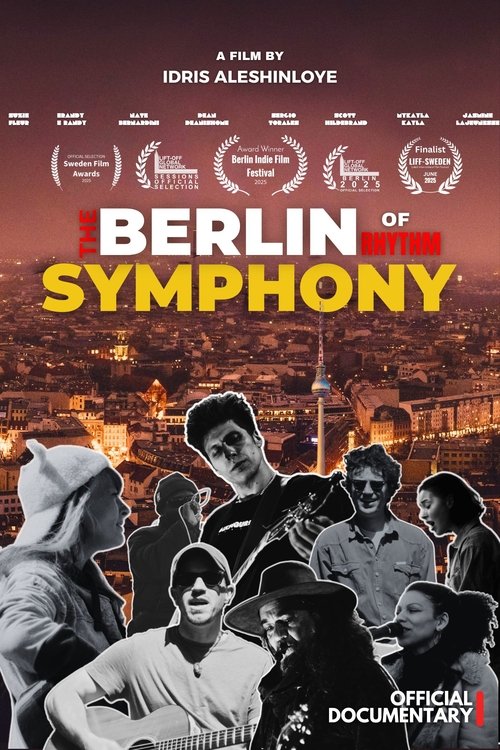
The Berlin Symphony of Rhythm, a powerful 95-minute documentary by multiple award-winning Nigerian-German filmmaker Idris Aleshinloye, whose prior works Breaking Borders and Silent Scars have garnered international acclaim for their bold, human-centered storytelling. This emotionally charged film pulls back the curtain on Berlin’s vibrant street performance scene, revealing a world where captivating music and public artistry mask deeper societal tensions. Though Berlin is widely celebrated as a global cultural capital, the very artists who infuse its streets with rhythm and soul, many of them migrants or cultural minorities often face an often harsh and invisible struggle. Street performance remains technically illegal in many areas of the city, subjecting these musicians to fines, confiscation of instruments, and public hostility.
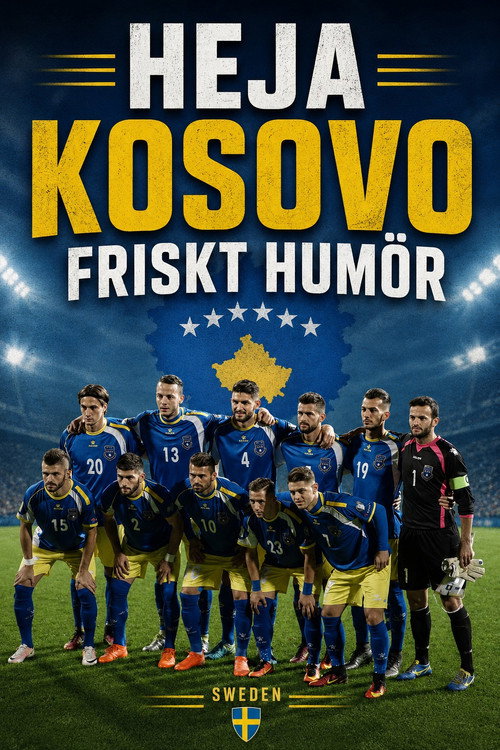
There will be no 2018 World Cup in Russia for the new small nation of Kosovo. Only three goals scored, one point earned and last place in their qualifying group. In Kosovo, there is talk of crisis and disaster. But in Sweden, life goes on as usual for the NT stars Arber Zeneli and Albert Bunjaku.