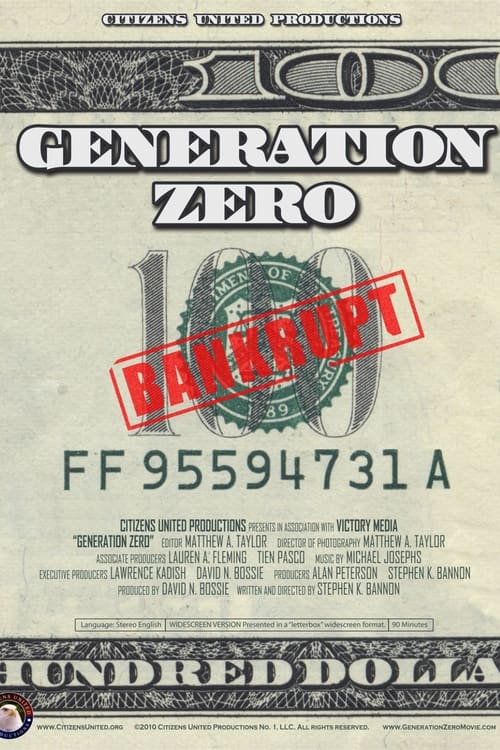
When the world’s financial bubble blew, the solution was to lower interest rates and pump trillions of dollars into the sick banking system. But what happens when the solutions are identical to the mistakes that caused the very crisis?
Johan Norberg
as Himself
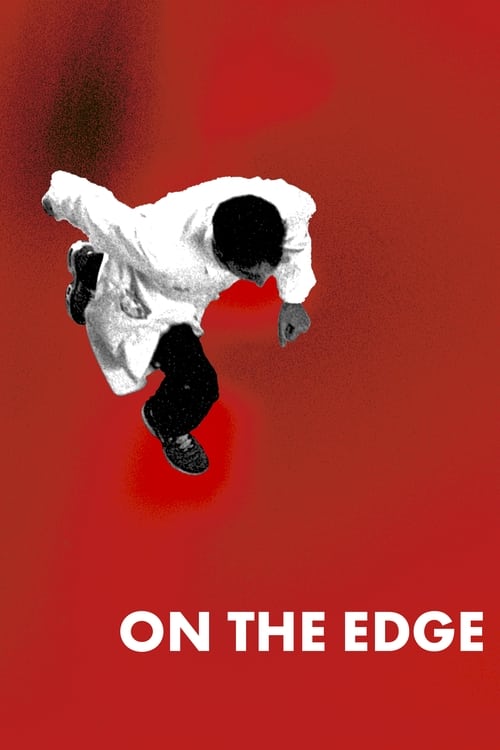
Things are busy at the Paris hospital where young psychiatrist Jamal and his colleagues work. The place is run down, the staff are exhausted, budgets are constantly being slashed. You know the story, but you’ve rarely seen it conveyed as engagingly as in ‘On the Edge’, which employs a handheld camera and meaningful, artistic interventions to observe the daily routine at the psychiatric ward. The deeply sympathetic Jamal is an everyday hero with an exemplary, humanistic disposition, for whom the most important prerequisites for mental health – and for a healthy society in general – are good relationships with other people. He puts his philosophy into practice by listening patiently, giving good advice and organising theatre exercises based on Molière. Realism and idealism, however, are in balance for the young doctor, at least as long as the institutional framework holds up.
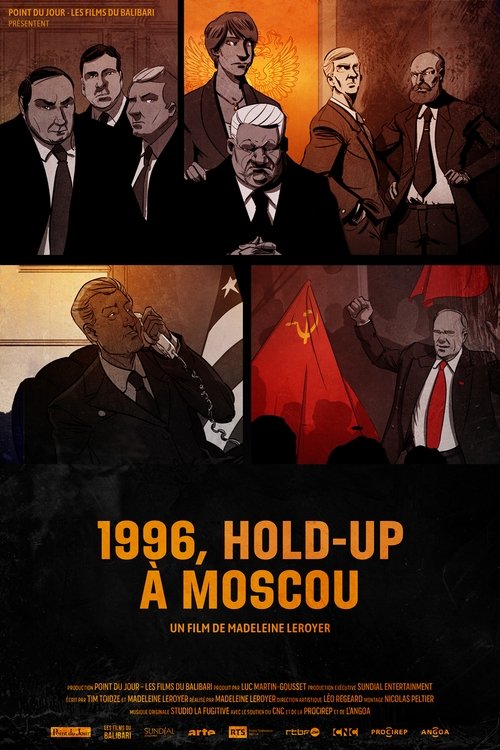
Moscow, January 1996. Boris Yeltsin gets ready to run for a second mandate of the presidency of the young Russian Federation. Polls are in the single digits. A painful economic transition, war in Chechnya, and the rise of criminal groups have left the majority of Russians dissatisfied with Yeltsin… and willing to vote for the communist leader Gennady Zyuganov. Yet six months later, Yeltsin won the election with nearly 54% of the vote. How did that happen?
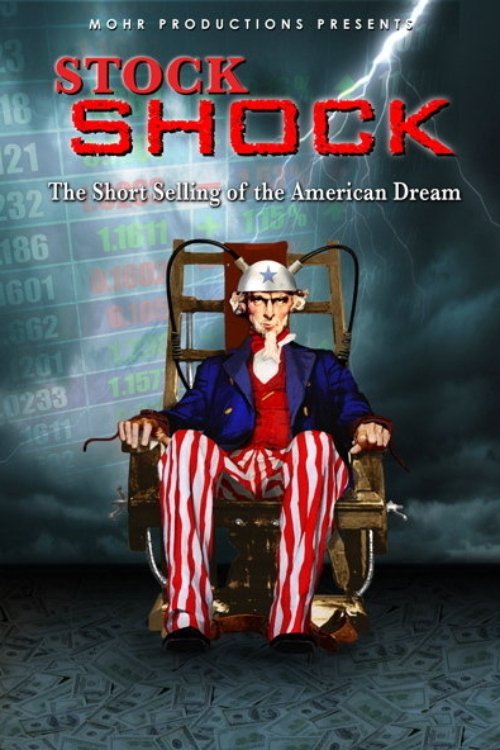
Exposes the down and dirty schemes and calculated market manipulation behind the glitter of Wall Street. It is a must see for anyone who has ever lost money in stocks...or fears they're about to.
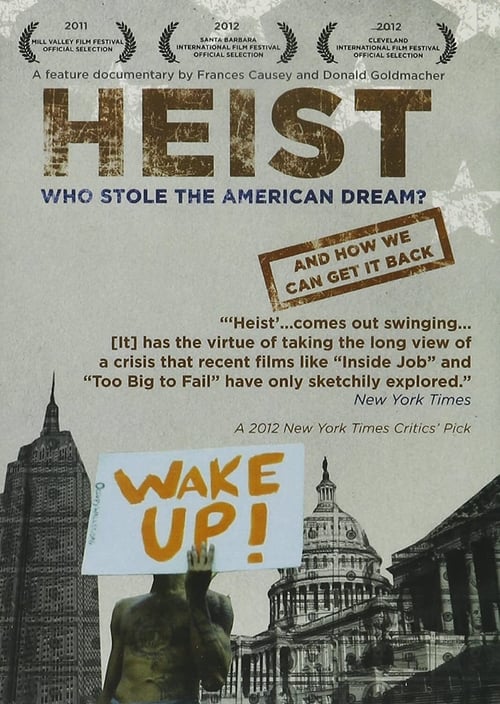
Heist: Who Stole the American Dream? reveals how American corporations orchestrated the dismantling of middle-class prosperity through rampant deregulation, the outsourcing of jobs, and tax policies favoring businesses and the wealthy. The collapse of the U.S. economy is the result of conscious choices made over thirty five years by a small group: leaders of corporations and their elected allies, and the biggest lobbying interest in Washington, the U.S. Chamber of Commerce. To these individuals, the collapse is not a catastrophe, but rather the planned outcome of their long, patient work. For the rest of the country, it is merely the biggest heist in American history.
Film from Andrew Morgan. The True Cost is a documentary film exploring the impact of fashion on people and the planet.
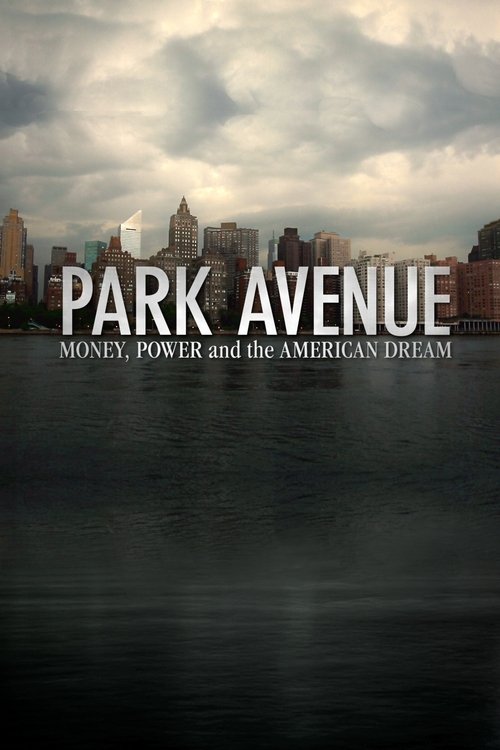
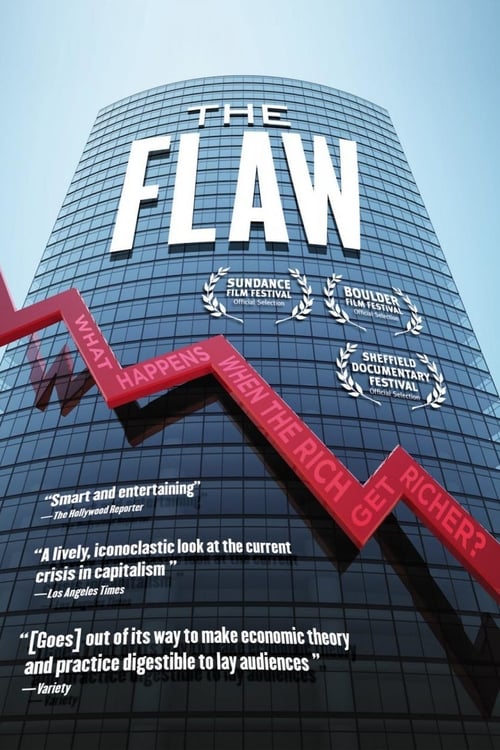
If income inequality were a sport, the residents of 740 Park Avenue in Manhattan would all be medalists. This address boasts the highest number of billionaires in the United States.
Around the country and across the world, the threat of a recession is looming and economic uncertainty is rising as markets, businesses and individuals adjust to a new reality: the Federal Reserve is raising interest rates and pulling back on its epic monetary experiment that started with the Great Financial Crisis. From the award-winning team behind "The Facebook Dilemma" and "Amazon Empire," the two-hour documentary "Age of Easy Money" investigates how the Fed’s experiment has changed the American economy and what it means that the era may be over.
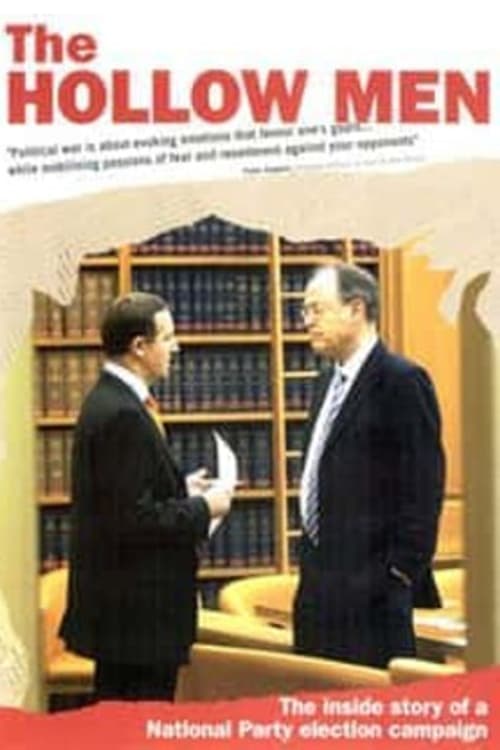
The 'stolen' insider emails that informed Nicky Hager's best-selling account of National's 2005 election campaign return in Alister Barry's (Someone Else's Country) new film - just in time to caution us against campaigning politicians in 2008. Addressing each other like schoolboy Machiavellis, party leader Don Brash and his advisors spelled out how they'd copy the big boys in Australia and the US in order to win the votes of people who'd never support the kind of policies such men are widely presumed to represent. The dividing and conquering began at Orewa.
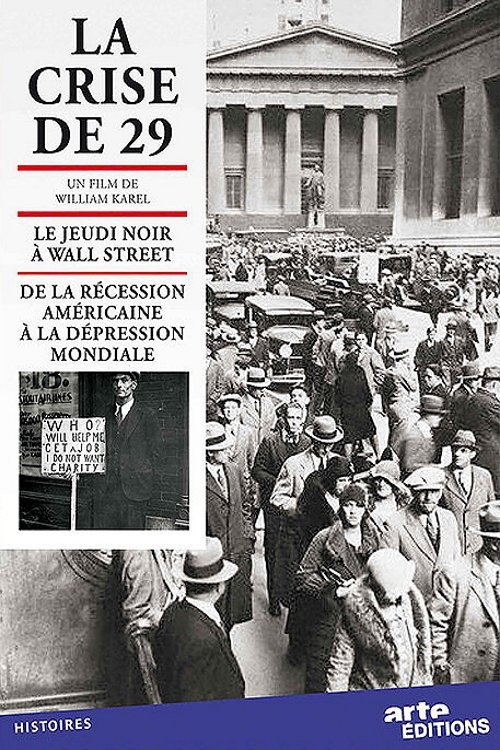
Thursday, October 24 : the Wall Street Stock Exchange crashes, the greatest economic crisis of the 20th century suddenly breaks out. Fueled by the idea that everyone can get rich without limits, it puts a final stop to the euphoria of the 1920s. America is then caught in a devastating cycle which spreads around the world a few months later like a malign infection. Calling on renowned historians and economists, William Karel conducts an incredibly detailed analysis of the economic and financial mechanisms that lead to the crash of Wall Street and then to the Great Depression of the 1930's.
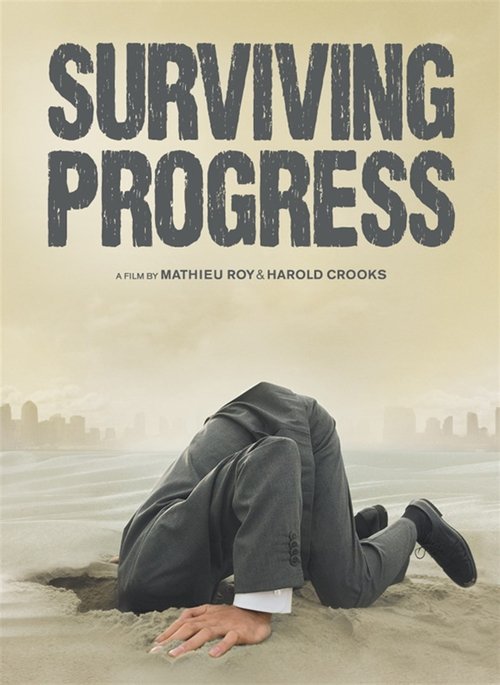
Humanity’s ascent is often measured by the speed of progress. But what if progress is actually spiraling us downwards, towards collapse? Ronald Wright, whose best-seller, “A Short History Of Progress” inspired “Surviving Progress”, shows how past civilizations were destroyed by “progress traps”—alluring technologies and belief systems that serve immediate needs, but ransom the future. As pressure on the world’s resources accelerates and financial elites bankrupt nations, can our globally-entwined civilization escape a final, catastrophic progress trap? With potent images and illuminating insights from thinkers who have probed our genes, our brains, and our social behaviour, this requiem to progress-as-usual also poses a challenge: to prove that making apes smarter isn’t an evolutionary dead-end.
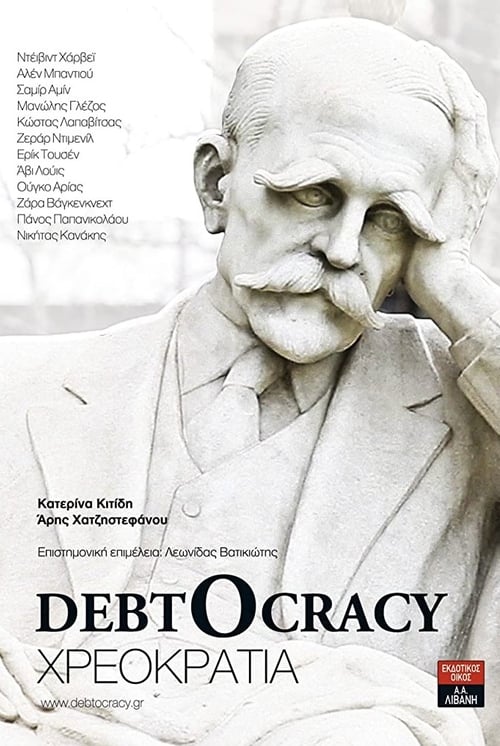
Debtocracy seeks the causes of the Greek debt crisis and proposes solutions sidelined by the government and the dominant media. It follows countries like Ecuador that created debt Audit Commissions and tracks this process in Greece.
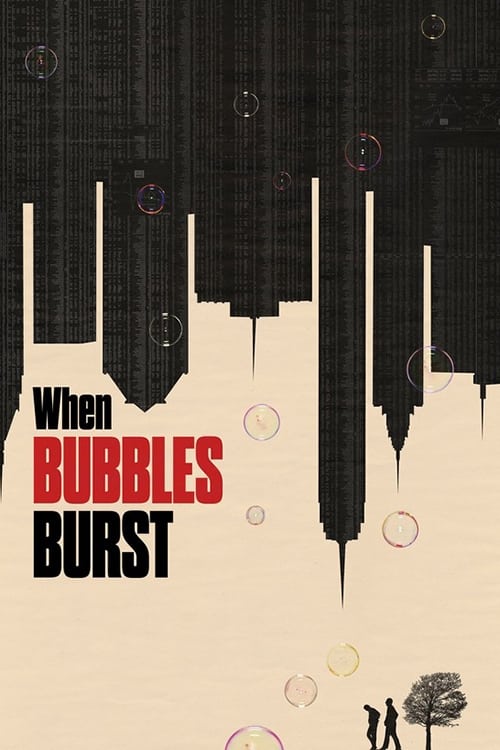
It is becoming increasingly difficult to protect ourselves from extreme financial volatility. This feature documentary will examine the mechanics behind bubbles and crashes, and discuss trends and visions for the future.
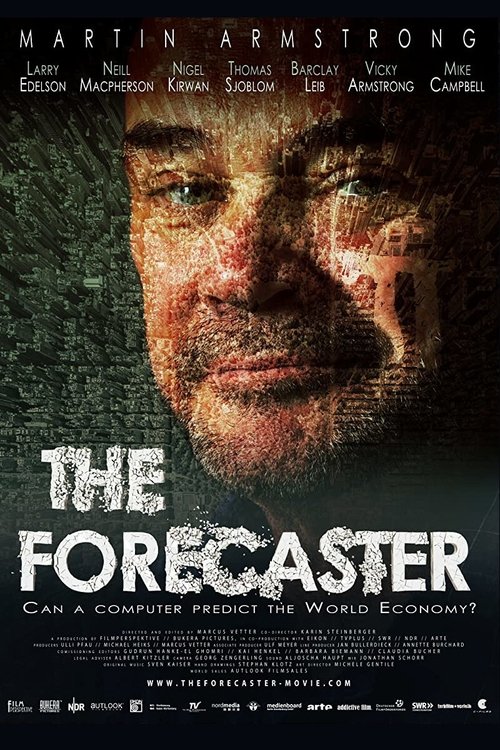
MARTIN ARMSTRONG, once a US based trillion dollar financial adviser, used the number pi to predict economic turning points with precision. When some big New York bankers asked him to join the club to help them to take over Russia, he refused to join the manipulation. A few days later the FBI stormed his offices accusing him of a 3 billion dollar Ponzi Scheme - an attempt to stop him talking about the real Ponzi Scheme of debts that the US has build up over the years and which he thinks starts to collapse after October 1, 2015, a mayor pi turning point he is predicting.
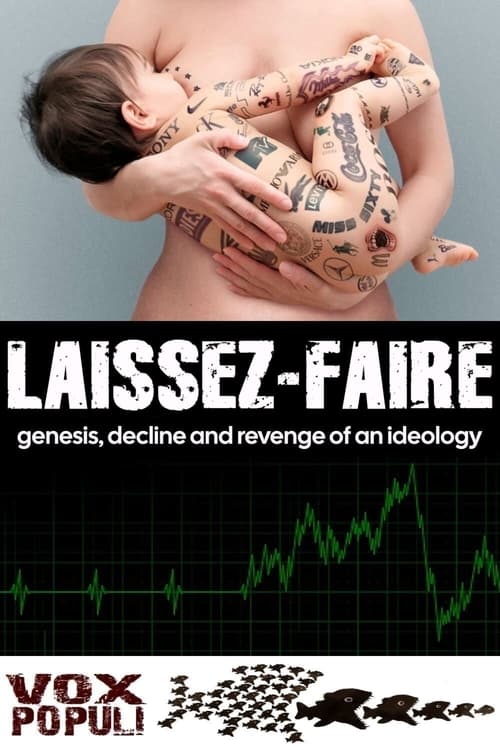
A historical perspective to understand Neoliberalism and to understand why this ideology today so profoundly influences the choices of our governments and our lives.
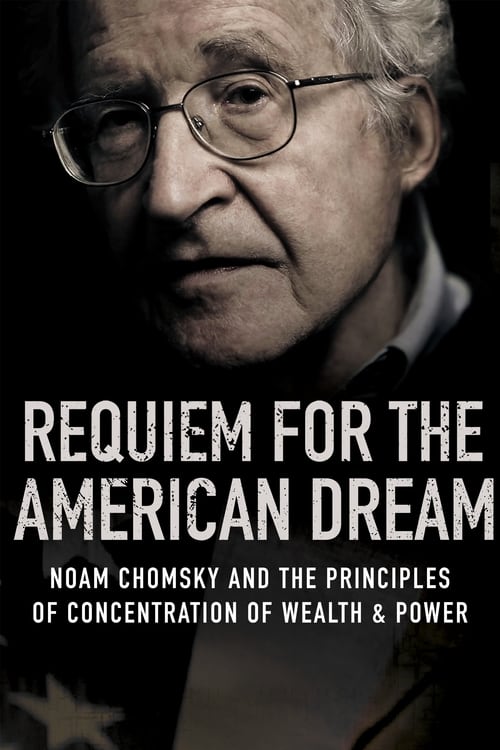
Through interviews filmed over four years, Noam Chomsky unpacks the principles that have brought us to the crossroads of historically unprecedented inequality – tracing a half-century of policies designed to favor the most wealthy at the expense of the majority – while also looking back on his own life of activism and political participation. He provides penetrating insight into what may well be the lasting legacy of our time – the death of the middle class, and swan song of functioning democracy.
The story of the credit bubble that caused the financial crash. Through interviews with some of the world's leading economists, including housing expert Robert Shiller, Nobel laureate Joseph Stiglitz, and economic historian Louis Hyman, as well as Wall Street insiders and victims of the crash including Ed Andrews - a former economics correspondent for The New York Times who found himself facing foreclosure - and Andrew Luan, once a bond trader at Deutsche Bank now running his own Wall Street tour guide business, the film presents an original and compelling account of the toxic combination of forces that nearly destroyed the world economy.
An examination of the causes of the global economic crisis which began in 2008, studying how decades of social changes have influenced financial systems and practices.
An optimistic overview and explanation of the stock market with animated examples.