Experimental animated film using the newly developed Gasparcolor process. It used a subtractive 3-color process on a single film strip which could produce incredibly vibrant images.
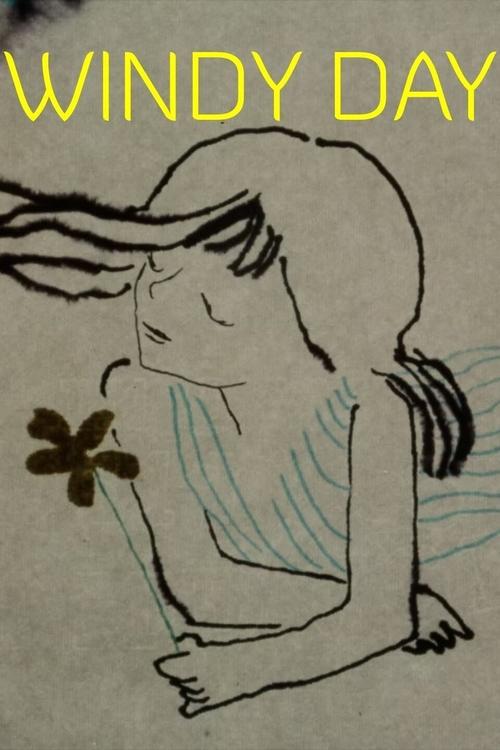
Two little girls muse on marriage and babies, love and death as they create and act out plays in their backyard. Preserved by the Academy Film Archive in partnership with New York Women in Film & Television in 2006.
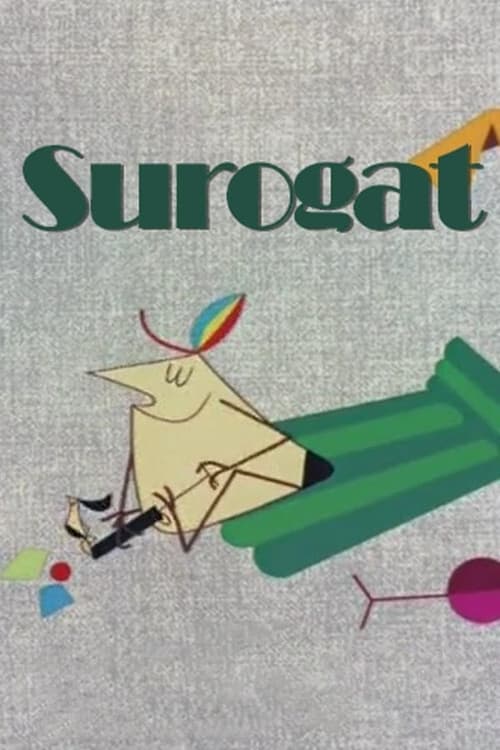
With magic inflatable objects that spring to life to fill his every need, a flippant beachgoer wants for nothing. Well... almost nothing.
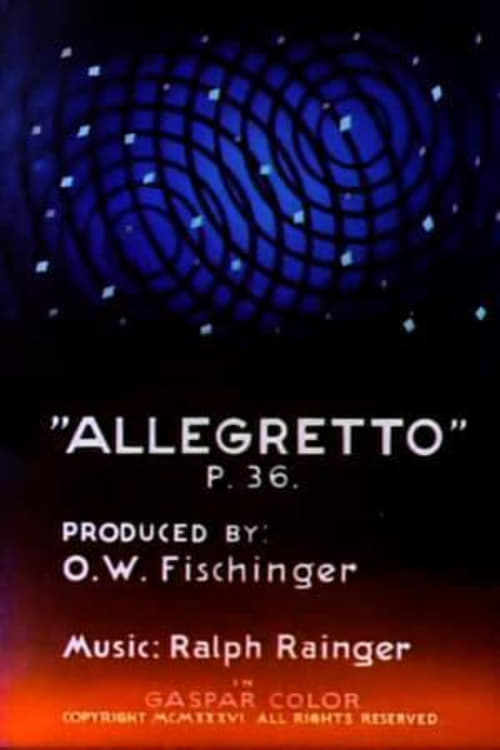
In the 1936 short Allegretto, diamond and oval shapes in primary colors perform a sensual, upbeat ballet to the music of composer Ralph Rainger. The geometric dance is set against a background of expanding circles that suggest radio waves. [Early Version and Late Version preserved by the Academy Film Archive in 1999].
Little Johnny Jones, to be born in the next year, is shown growing to a ripe, healthy old age, thanks to the efforts of his local public health officers. But without them, he might be one of the 5% or so that dies in the first year. The price for the public health service: about 3 cents a week. Preserved by the Academy Film Archive in 2005.
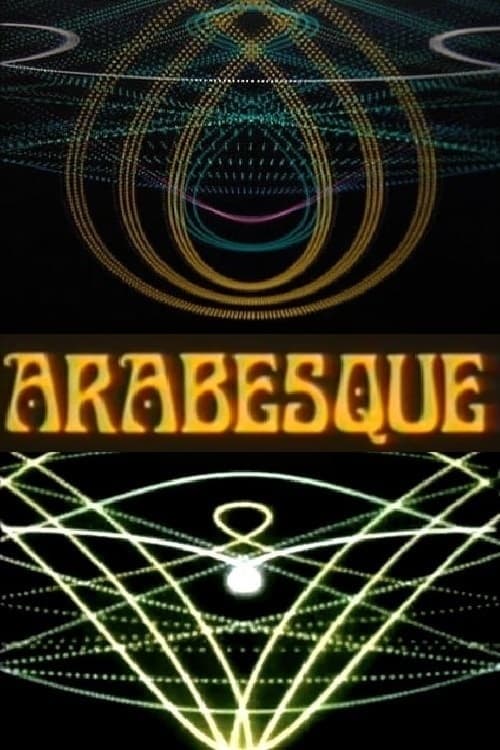
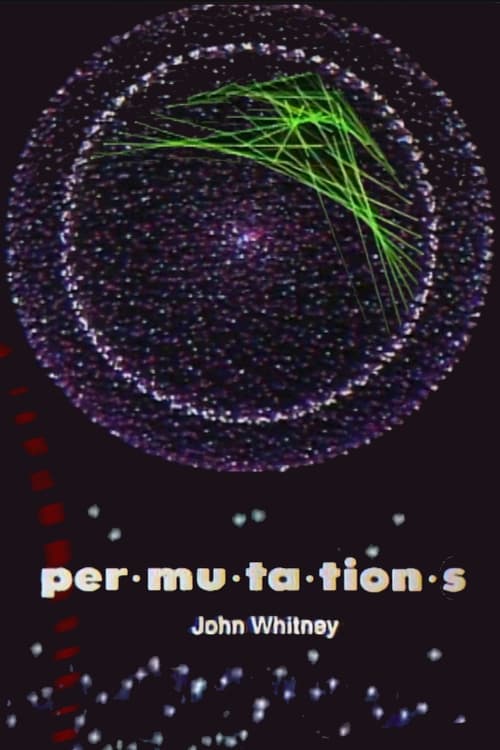
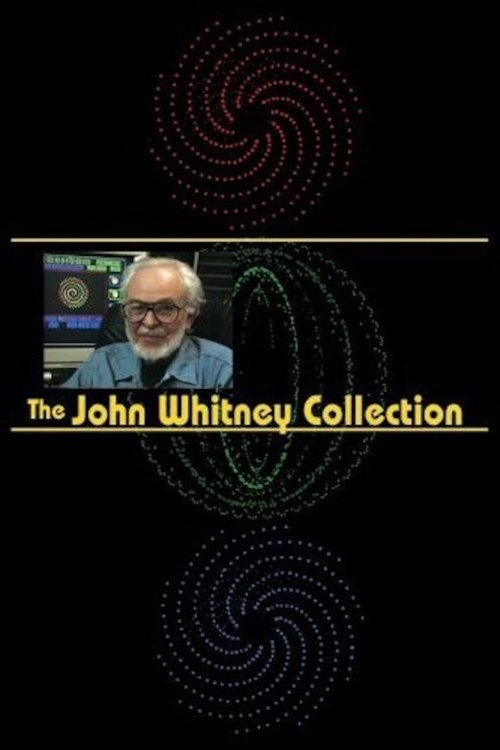
John Whitney's pioneering work of computer animation, Arabesque, from 1975. This flowing, abstract short film is a wonder to behold, a work of art. Like many other computer graphics pioneers, this film suggests roots in psychedelics and spiritual quests as much as engineering and mathematics. Preserved by the Academy Film Archive in 2007.
An experimental short film by John Whitney Sr. which combines animated shapes and colors; Computer graphics as dynamic, swirling art. Preserved by the Academy Film Archive in 2014.
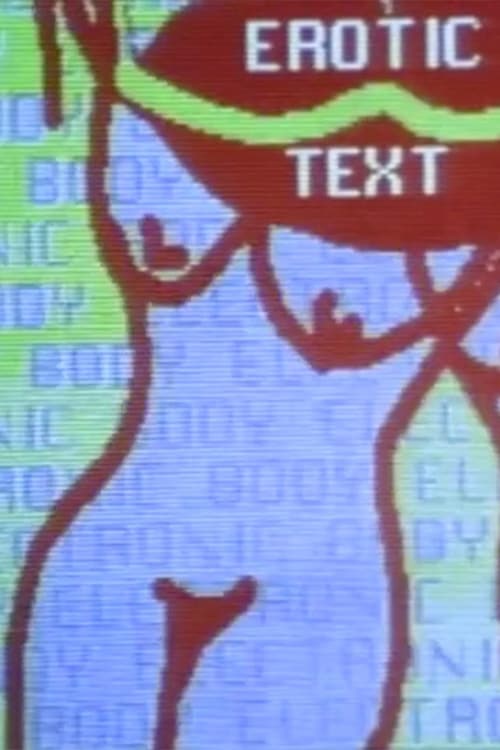
NO NO NOOKY TV posits sexuality to be a social construct in a "sex-text" of satiric graphic representation of "dirty pictures." Made on an Amiga Computer and shot in 16mm film, NO NO NOOKY TV confronts the feminist controversy around sexuality with electronic language, pixels and interface. Even the monitor is eroticized in this film/video hybrid that points fun at romance, sexuality, and love in our post-industrial age. Preserved by the Academy Film Archive in 2017.
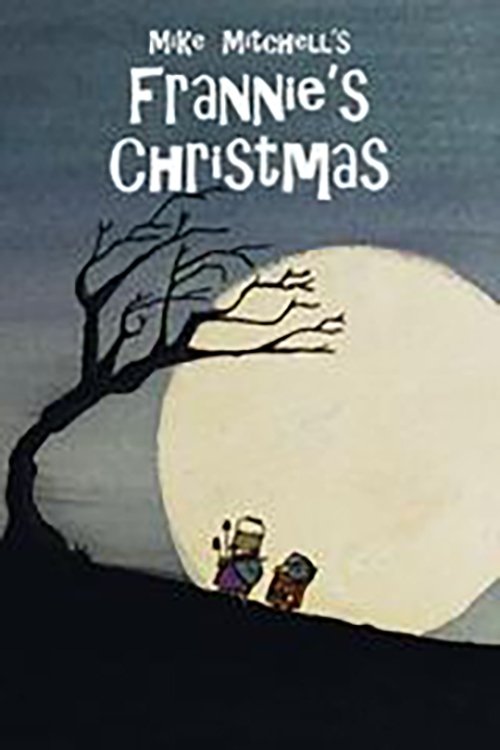
As Christmas approaches, Frannie Stein learns from her snide friend Gloria Oestriger that there is no Santa Claus. Frannie's disbelieving, but her father confirms the horrible truth. Frannie enlists the help of her younger brother, Kenny, and they go to a graveyard to dig up some parts, which they assemble in the Stein basement. Soon, they've finished their creation and are ready for revenge on Gloria. Who says there's no Santa? Preserved by the Academy Film Archive in 2012.
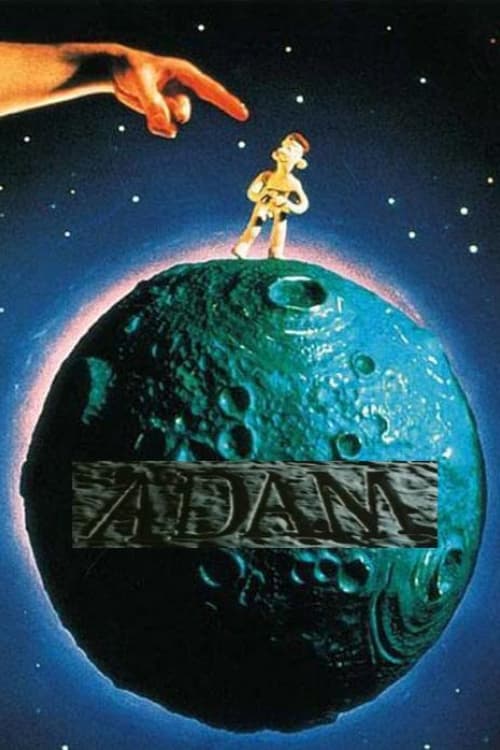
When The Hand of God creates Adam, he must learn the ways of the world, and can only hope for company.
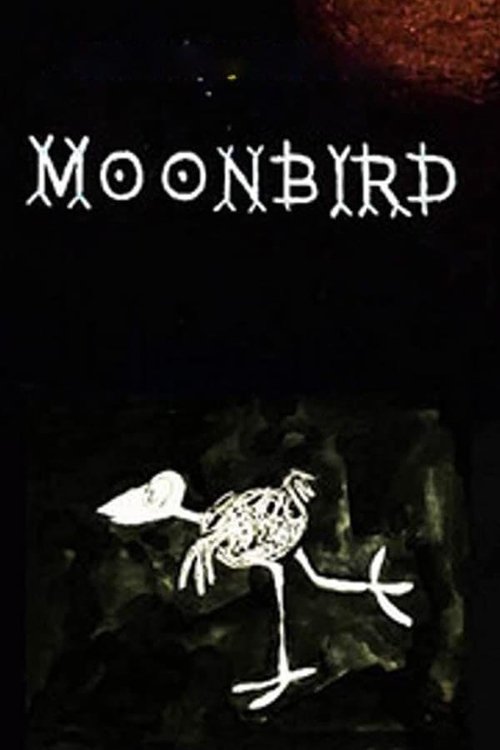
Two boys go outside at night to capture a bird. Preserved by the Academy Film Archive in 2003.
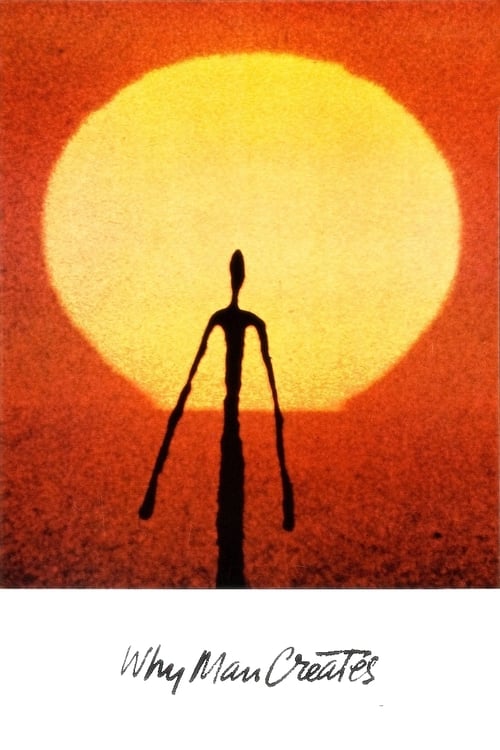
A 1968 animation/documentary that criticises the industrial system.
Opens with a short canonical statement of a theme upon which the entire film is constructed. The canon is repeated in contrasting variations by means of color. A second section poses the same image in deep film space. The image unfolds itself repeatedly, leaving the receding image to continue on smaller and smaller. Preserved by the Academy Film Archive in 2005.
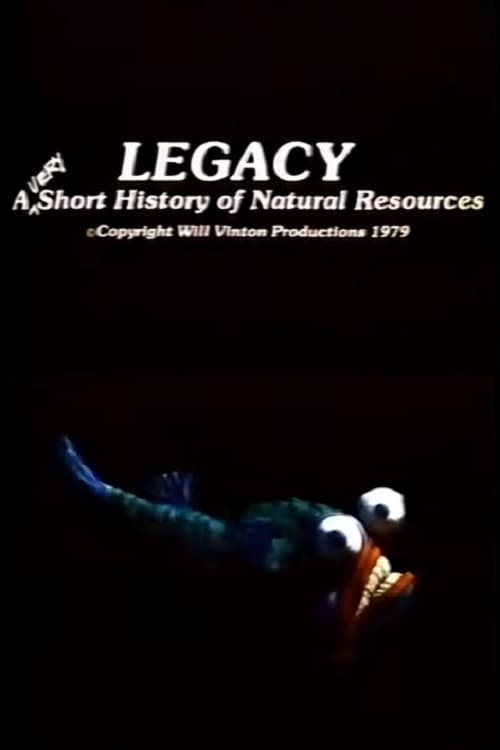
Legacy takes the audience on a rapid-fire journey through the evolution of the world, starting with a cosmic bang, evolving through billions of years of plants, animals and the creation of natural resources, ending with man and his bounty – “sitting on his world contemplating his coconut”. Preserved by the Academy Film Archive in 2012.
A symbolic reflection on issues of female sexuality, art and identity constructs.
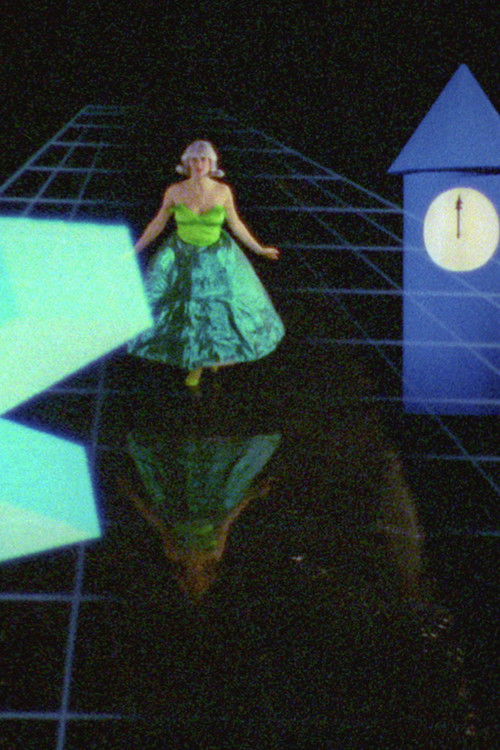
“CINDERELLA is a musical treatment of the fairy tale. I have broken apart the story and set it as a mechanical game with a series of repetitions where CINDERELLA is projected back and forth like a ping-pong ball between the hearth and the castle. She never succeeds in satisfying the requirements of the ‘Cinderella Game’. The film was shot MOS, the dialogue is lip-synched, and along with the out-front score and effects track magnifies the film’s sense of alienation.” — E.B. 1984 - Preserved by the Academy Film Archive in 2017.
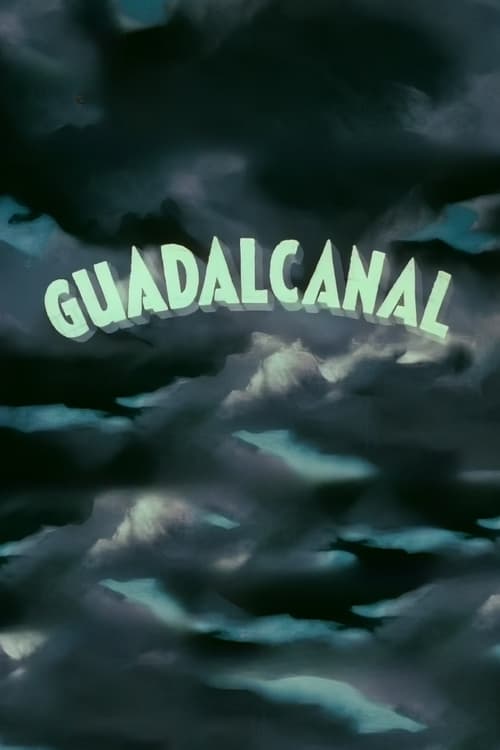
A stop-motion animated account of the 1942 Battle of Guadalcanal in World War II. Preserved by the Academy Film Archive in 2004.