Letizia Battaglia
as Self : Photographer (archive)
A documentary about the life and career of UK singer-songwriter and Adverts frontman, TV Smith.
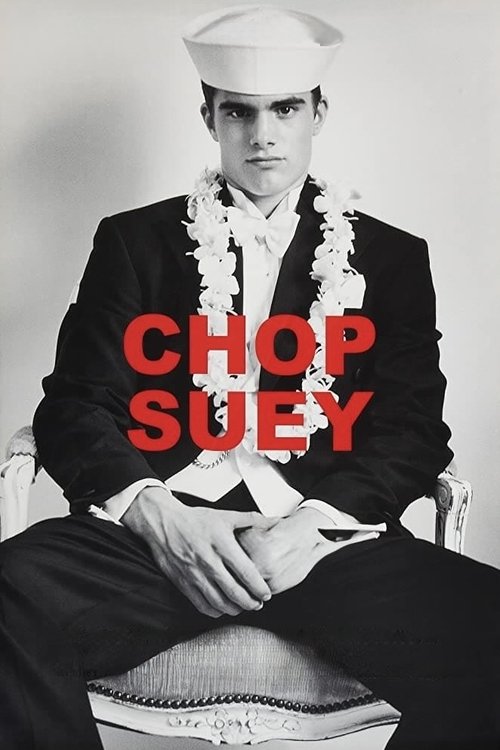
A homage to Bruce Weber's Favourite things, these being mixing film, photography and classic movies. With portraits of a lesbian jazz singer and a 16-year-old wrestler.
Two real-life daredevils test the limits of their love and trust by illegally scaling one of the world's tallest buildings to perform an acrobatic stunt.
When Will Ferrell's good friend Harper comes out as a trans woman, they take a road trip to bond and reintroduce Harper to the country as her true self.
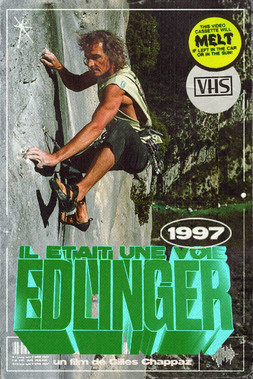
Fifteen years have passed since the spectacular images of Jean-Paul Janssen's "Life at Your Fingertips" introduced the general public to free climbing and its embodiment: Patrick Edlinger. We witnessed the birth of a sporting phenomenon that would leave a lasting mark on generations of climbers. But fifteen years later, in 1997, beyond the myth, where is Patrick Edlinger? Gilles Chappaz found him on some of the most beautiful walls of the Verdon Gorge and other cliffs during the filming of Maurice Rebeix's documentary "Roc'n Wall 97," where he shares his climbing practice and philosophy with the younger generation, including Liv Sansoz and Arnaud Petit.
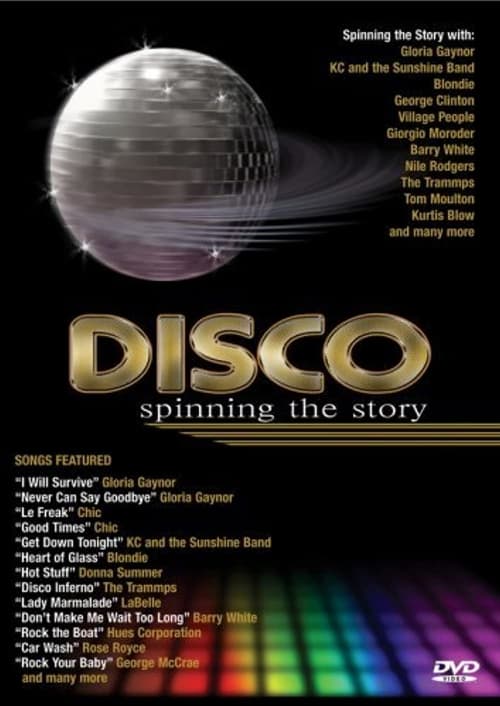
Hosted by the one and only Disco Diva, Gloria Gaynor, "Disco: Spinning the Story" takes a comprehensive look at the evolution of the music that defined the 70's. From the recording studios to the dance floors, "Disco: Spinning the Story" examines the phenomenon in a way it has never been told before. Hear funk pioneer George Clinton, Donna Summer producer Giorgio Moroder, Nile Rodgers of Chic, Earl Young of the Trammps, hip-hop icon Kurtis Blow, remix legend Tom Moulton, "Saturday Night Fever" actress, Karen Lynn Gorney and even Bob Weir of The Grateful Dead talk about the roots of Disco, how it emerged, and how it has influenced music ever since. Included are vintage performance highlights from Donna Summer, KC & The Sunshine Band, Bee Gees, Chic, Gloria Gaynor, Rose Royce, Labelle, Hues Corporation and many more.
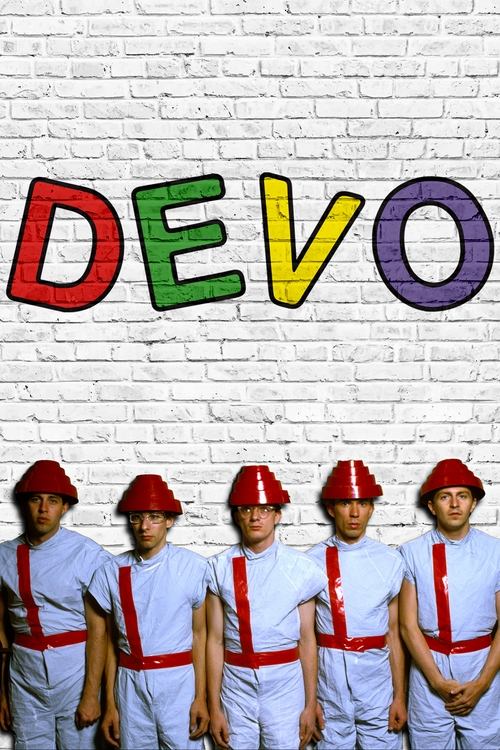
Originally formed amidst the chaos of the 1970 Kent State anti-Vietnam War protest killings, the not quite new wave band Devo scored a hit with "Whip It" and gained mainstream success with their message of societal "de-evolution."
The adventure of the minitel, a small cubic terminal with a folding keyboard that began in the 1970s in the labs of France Telecom, is closely linked to Alsace. Alsatians had then in hand the future tools of interactive communication. What remains today of all those minitel years? Like a nocturnal and intimate road-movie, this documentary went to meet the last people who are still interested in the minitel, this strange beige box of access to telematic services, corny today, but pioneers at the end of the last century.
A fascinating journey through the life of Israeli artist Dani Karavan, an irreverent and charismatic creator, recognized worldwide for radically transforming public space with his monumental environmental installations.
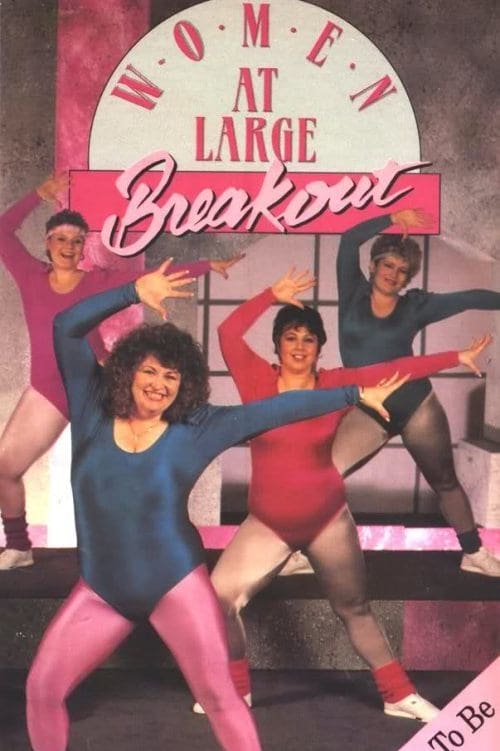
Women At Large was a video series by Sharlyne Powell for larger sized women. Music by Entertainment Tonight's very own John Tesh and Michael Hanna of the John Tesh Project.
On August 8, 1988, the world’s first and largest Satanic rally took place. Ripped from a video featuring Satanist talking about creating a New World Order and killing off the masses. The 8-8-88 ritual was conducted right at the heart of the Satanic Panic. The goal, further exploit and feed upon the energies produced by the fears of the ignorant general public and media. It was shown to a sold-out crowd of degenerates promising them, “A Bitter Message of Hopeless Grief,” “A Nightmare of TERROR!” and “An Evening of Apocalyptic Delight!”
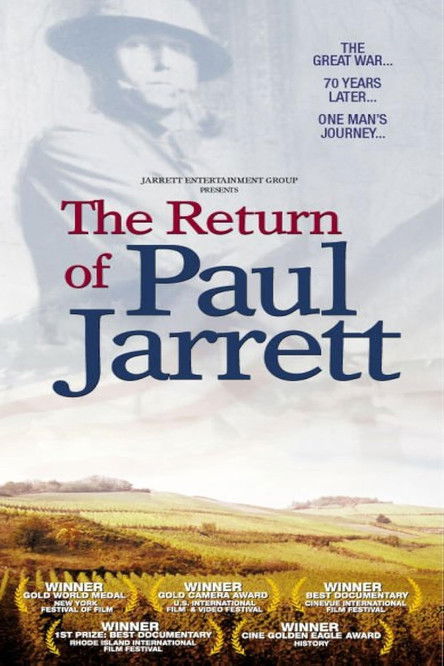
A very personal account of one of the last gentlemen of a dying era. In fact, Paul Jarrett will forever be remembered in the annals of American history as the last WWI veteran to ever return to the battlefields of France.
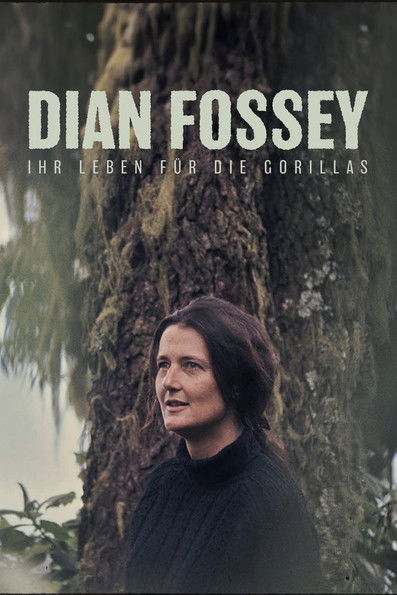
She was the first to study gorillas in their natural environment: the high mountains of Rwanda, where she settled in 1967. For nearly twenty years, Dian Fossey lived with the gorillas, observed their behavior, and changed the way people viewed them. Her relentless fight against poaching prevented the species from becoming extinct. But in December 1985, the primatologist was murdered, and the mystery surrounding her death remains unsolved. Former colleagues, scientists, and biographers shed light on the impact of her work, but also on the darker sides of her personality and her uncompromising commitment.
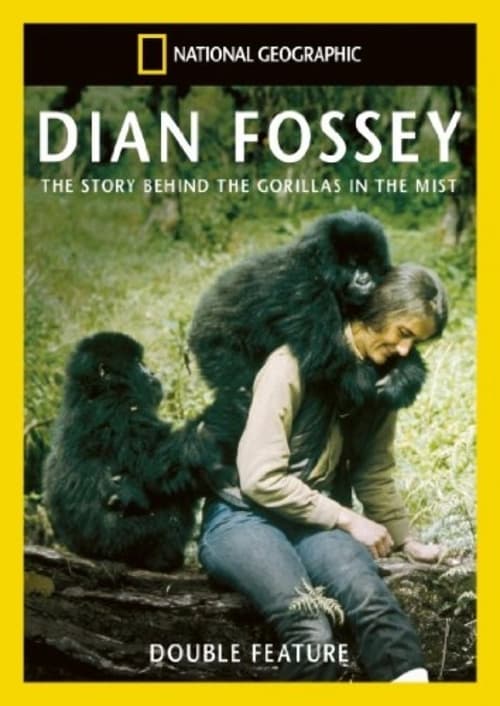
From 1968 to 1972, photographer and filmmaker Bob Campbell documented the activities of Dian Fossey as she developed a cross-species bond with Rwandan mountain gorillas. Campbell shot 70,000 feet of film, but only a fraction of his material was edited into the lecture presentation that preceded Fossey's Gorillas in the Mist. This program compiles highlights from the previously unreleased footage, offering an unforgettable glimpse into the gorilla community and Fossey's relationship with it. Her methods may not entirely jibe with those of modern conservationists, but there is no denying the profound impact of her work on current research and eco-activism.
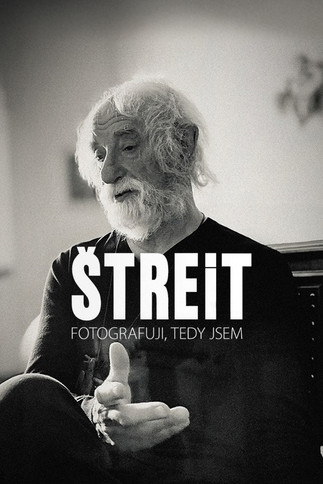
A creative and personal retrospective of the renowned photographer Jindřich Štreit, accompanied by a selection of his photographs, footage from exhibitions, and encounters with those closest to him.
German TV film, also shown on Spanish TV in 1976, this is a film all about TD which includes informal interviews and concert/studio footage, most of which seems to have been done exclusively for the film. The interviews are in the German language. The street name in the title refers to where Edgar Froese used to live in Berlin (apparently Klaus Schulze lived on the same street at the time) and is now the site of the TDI offices.
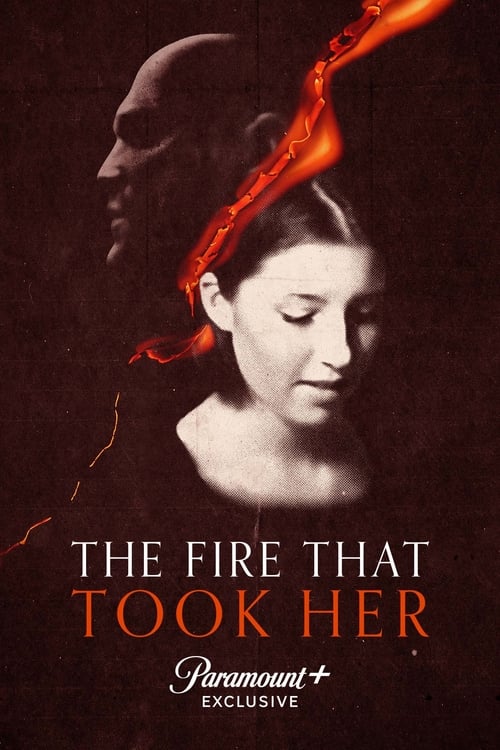
Mother-of-two Judy Malinowski, then 31, was doused in gasoline and set on fire by her crazed boyfriend – and one of the first ever to testify from beyond the grave, at the trial for her own murder. A story that lives at the intersection of true crime and #MeToo, THE FIRE THAT TOOK HER goes deep inside a landmark case to ask a timely question: How much must women suffer in order to be believed?